Quick Answer
Turkey tours including Gallipoli combine one of the world’s most significant First World War battlefields with Türkiye’s leading cultural and archaeological destinations, creating well-balanced itineraries that connect ANZAC heritage, ancient civilizations, and diverse regional landscapes in a single journey.
Turkey Tours Including Gallipoli: History, ANZAC Heritage & Cultural Journeys
Gallipoli is far more than a battlefield. It is one of the defining historical landscapes of the twentieth century and an essential destination for travelers interested in military history, cultural heritage, and the story of modern Türkiye.
For many international visitors—particularly from Australia and New Zealand—the Gallipoli Peninsula represents an emotional connection with the ANZAC campaign of 1915. For Turkish visitors, it reflects one of the most important chapters in the country's national history. Today, the peninsula welcomes travelers from around the world who wish to better understand the events that shaped both nations.
Unlike a standalone day excursion, most Turkey tours including Gallipoli integrate the peninsula into a wider journey across Türkiye. These itineraries combine remembrance with archaeological discoveries, UNESCO World Heritage Sites, vibrant cities, Mediterranean landscapes, and some of the country's most iconic cultural experiences.
A typical route may begin in Istanbul before continuing to Gallipoli, Troy, Ephesus, Pamukkale, Cappadocia, Antalya, or other destinations depending on the duration of the tour. This approach creates a balanced itinerary where history, culture, nature, and local experiences complement one another rather than focusing on a single destination.
The result is a journey that offers historical depth while showcasing the remarkable diversity of Türkiye's landscapes and civilizations.
Why Choose a Turkey Tour That Includes Gallipoli
Many travelers initially visit Gallipoli because of its ANZAC connections. However, once they arrive, they often discover that the peninsula offers much more than military history alone.
Gallipoli combines peaceful coastal scenery, preserved memorial sites, museums, forests, and panoramic viewpoints overlooking the Dardanelles Strait. Walking across former battlefields provides context that books and documentaries simply cannot replicate.
Including Gallipoli within a longer Turkey itinerary also creates a logical travel route across western Türkiye. Rather than returning to Istanbul after visiting the peninsula, most tours continue south toward ancient cities and the Aegean coast, making travel both efficient and rewarding.
A well-planned Gallipoli itinerary typically allows travelers to:
- Visit internationally significant ANZAC memorials.
- Understand both Turkish and Allied perspectives of the campaign.
- Explore remarkably preserved battlefield landscapes.
- Continue directly to nearby archaeological sites.
- Experience multiple historical periods within one itinerary.
Instead of concentrating solely on World War I, travelers gain a broader understanding of how ancient civilizations, the Ottoman Empire, and the Turkish Republic have all contributed to the country's cultural identity.
Gallipoli: One of the World's Most Important Battlefield Heritage Sites
The Gallipoli Peninsula preserves one of the best-known battlefield landscapes of the First World War.
Rather than functioning as an outdoor museum with reconstructed exhibits, much of the peninsula remains remarkably intact. Roads follow former military positions, memorials stand close to original trenches, and quiet pine forests now cover areas that witnessed months of intense fighting during 1915.
Visitors typically explore a combination of memorials, cemeteries, viewpoints, museums, and preserved battlefield locations that together explain the wider campaign.
ANZAC Cove
ANZAC Cove marks the landing site of Australian and New Zealand Army Corps troops on 25 April 1915.
Today it serves as one of the peninsula's most recognized memorial areas and remains the focal point of annual ANZAC Day commemorations.
Lone Pine Cemetery and Memorial
Lone Pine honors thousands of Australian soldiers who fought during the Gallipoli campaign.
The memorial and cemetery provide one of the most moving locations on the peninsula, combining carefully maintained grounds with detailed historical interpretation.
Chunuk Bair Memorial
Chunuk Bair represents one of the highest strategic points captured during the campaign.
The summit offers panoramic views across the peninsula while explaining the difficult terrain that influenced military operations throughout 1915.
The Nek and Johnston's Jolly
These nearby battlefield positions help visitors understand trench warfare, defensive strategies, and the extremely short distances separating opposing forces.
Together they illustrate how geography shaped every stage of the Gallipoli campaign.
Beyond Gallipoli: Destinations Connected Within the Same Journey
One of the greatest advantages of multi-day Gallipoli tours is that they naturally connect with many of Türkiye's most important historical and cultural destinations.
Instead of treating Gallipoli as an isolated stop, carefully designed itineraries continue through western and central Türkiye using efficient regional travel routes.
Common destinations include:
Istanbul
Most Gallipoli tours begin or end in Istanbul, allowing travelers to experience Byzantine, Roman, and Ottoman heritage through landmarks such as Hagia Sophia, the Blue Mosque, Topkapi Palace, and the Grand Bazaar before continuing toward the Gallipoli Peninsula.
Troy
Located only a short drive from Gallipoli, Troy adds an archaeological dimension to the journey. Visitors explore the legendary city associated with Homer's Iliad while discovering more than four thousand years of continuous settlement.
Ephesus
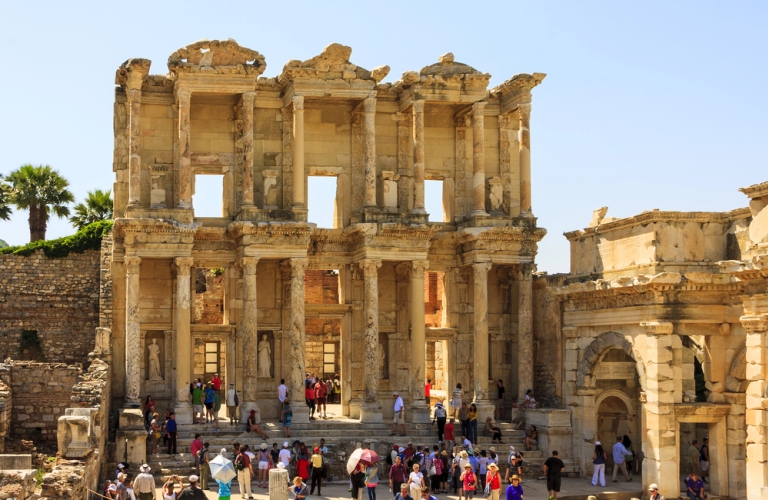
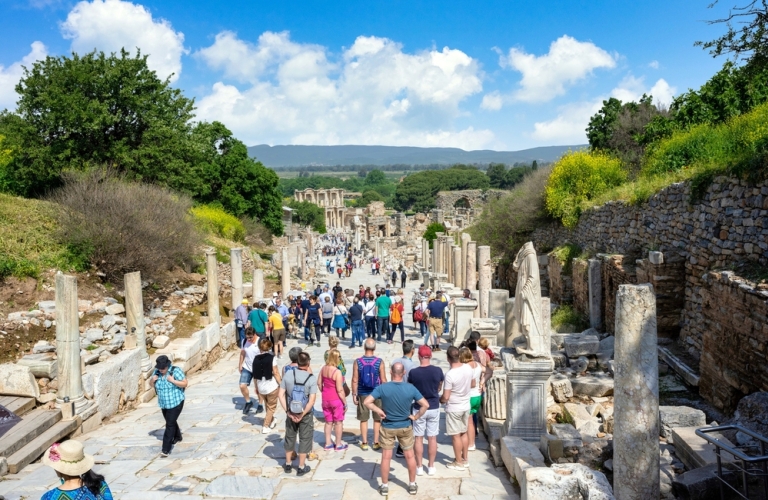
As one of the Mediterranean's best-preserved Roman cities, Ephesus complements Gallipoli by introducing an entirely different period of history. Marble streets, monumental architecture, and early Christian heritage make it one of Türkiye's most visited archaeological sites.
Pamukkale
Pamukkale combines spectacular white travertine terraces with the ancient city of Hierapolis. It provides a natural contrast to Gallipoli's military history while showcasing another UNESCO World Heritage Site.
Cappadocia
Known for its volcanic landscapes, cave churches, underground cities, and hot air balloon flights, Cappadocia introduces travelers to one of Türkiye's most distinctive geological regions.
Antalya
Longer itineraries often conclude on the Mediterranean coast, where Antalya combines historic neighborhoods, Roman ruins, scenic coastlines, and opportunities for relaxation after extensive cultural touring.
How Turkey Tours Including Gallipoli Are Structured
Successful Gallipoli itineraries are designed around efficient regional travel rather than simple geographic distance.
Most tours begin in Istanbul because it serves as Türkiye's primary international gateway. From there, travelers continue west toward the Gallipoli Peninsula before following the Aegean corridor through Troy, Ephesus, and Pamukkale.
Longer programs then continue inland to Cappadocia or south to Antalya before returning to Istanbul via domestic flights.
This routing minimizes unnecessary backtracking while allowing travelers to experience the country's major historical regions in chronological and geographical sequence.
Rather than visiting destinations independently, travelers experience a connected narrative that moves from the First World War to ancient Greek settlements, Roman cities, Byzantine heritage, Ottoman monuments, and modern Türkiye.
The exact route varies according to tour duration, seasonal flight schedules, road conditions, and operational planning, but the overall objective remains consistent: creating a balanced itinerary that combines historical significance with comfortable travel logistics.
Our Types Available for Gallipoli & Turkey Tours
Travelers visit Gallipoli for different reasons, from ANZAC remembrance and military history to broader cultural exploration. For this reason, our Turkey tours including Gallipoli are available in several formats, allowing visitors to choose the itinerary that best matches their interests, travel style, and available time.
Classic Guided Group Tours
Guided group tours are the most popular choice for first-time visitors. They combine Gallipoli with Türkiye's major historical destinations while following carefully planned schedules and professionally guided sightseeing.
These itineraries typically include:
- Professional English-speaking guides
- Comfortable transportation throughout the journey
- Carefully selected hotels
- Guided visits to Gallipoli Battlefield
- Historical interpretation at major memorial sites
- Visits to multiple UNESCO World Heritage locations
The structured itinerary allows travelers to experience both Gallipoli and Türkiye's cultural highlights without managing complicated logistics independently.
Small Group Tours
Small group tours provide a more personal travel experience while maintaining the advantages of a guided itinerary.
Groups are intentionally limited, creating greater flexibility during sightseeing, easier interaction with guides, and a more relaxed atmosphere throughout the journey.
These tours are particularly popular among couples, solo travelers, and visitors seeking a quieter experience.
Private Gallipoli Tours
Private tours offer complete flexibility.
Travelers may customize:
- Travel pace
- Hotel category
- Length of stay
- Historical focus
- Additional destinations
- Airport arrival and departure cities
Private itineraries are ideal for families, photographers, military history enthusiasts, and travelers wishing to explore beyond the standard sightseeing route.
ANZAC Memorial Tours
Every April, special departures focus on the ANZAC commemorations held at Gallipoli.
These itineraries include additional logistical planning for the ceremonies while combining battlefield visits with broader cultural touring across Türkiye.
Because accommodation around Gallipoli becomes extremely limited during this period, reservations are usually made many months in advance.
Choosing the Right Tour Duration
The ideal Gallipoli itinerary depends on how deeply travelers wish to explore Türkiye beyond the peninsula.
While Gallipoli itself can be visited within a day, combining it with other historical destinations creates a far richer understanding of the country's diverse heritage.
6-Day Tours
Ideal for travelers with limited time.
Typical route:
Istanbul → Gallipoli → Troy → Ephesus
These shorter programs concentrate on western Türkiye while covering the country's most important historical highlights.
View 6-Day Turkish Delight Tour
8–9 Day Tours
One of the most balanced itinerary options.
Typical route:
Istanbul → Gallipoli → Troy → Ephesus → Pamukkale → Cappadocia
This route combines:
- First World War history
- Ancient civilizations
- UNESCO heritage
- Natural landscapes
- Unique geological formations
For many first-time visitors, this duration offers the best balance between sightseeing and travel comfort.
View 8-Day Aegean Coast Tour
10–13 Day Tours
These itineraries allow a more relaxed pace while expanding into southern Turkey.
Additional destinations may include:
- Antalya
- Konya
- Mediterranean coast
- Traditional villages
- Scenic coastal regions
Travelers benefit from longer stays, reduced travel intensity, and greater opportunities for cultural experiences.
View 12-Day Discovery Turkey Tour
14–17 Day Grand Tours
The longest itineraries provide the most comprehensive introduction to Türkiye.
In addition to Gallipoli, travelers often visit:
- Istanbul
- Troy
- Pergamon
- Ephesus
- Pamukkale
- Antalya
- Cappadocia
- Ankara (selected departures)
- Mediterranean coastal regions
These journeys combine military history, archaeology, Ottoman heritage, local culture, and spectacular landscapes into one seamless itinerary.
View 17-Day Royal Turkey Tour
ANZAC Day Tours: A Unique Annual Experience
Every year on 25 April, Gallipoli becomes the focus of international remembrance during ANZAC Day commemorations.
Thousands of visitors from Australia, New Zealand, Turkey, and many other countries gather on the peninsula to honor those who served during the Gallipoli Campaign of 1915.
The commemorative program generally includes:
- Dawn Service at ANZAC Cove
- Australian Memorial Ceremony at Lone Pine
- New Zealand Memorial Service at Chunuk Bair
- Battlefield interpretation throughout the peninsula
- Opportunities for quiet reflection at cemeteries and memorials
Because visitor numbers increase significantly during this period, transportation, accommodation, and security arrangements require careful planning.
Travelers wishing to attend ANZAC Day ceremonies are strongly encouraged to reserve their tours well in advance.
Best Time to Visit Gallipoli
Gallipoli can be visited throughout much of the year, although seasonal conditions influence both weather and visitor numbers.
Spring (April–June)
Spring is considered the most popular season.
Benefits include:
- Mild temperatures
- Green landscapes
- Comfortable walking conditions
- ANZAC commemorations in April
- Excellent photography opportunities
This period is ideal for longer cultural itineraries across western Türkiye.
Autumn (September–October)
Autumn offers another excellent travel season.
Visitors enjoy:
- Pleasant weather
- Smaller crowds
- Clear coastal views
- Comfortable sightseeing temperatures
Many experienced travelers prefer autumn for its relaxed atmosphere.
Summer (July–August)
Summer brings warmer temperatures, particularly during afternoon hours.
However, coastal breezes across the peninsula generally make Gallipoli more comfortable than many inland destinations.
Morning visits are recommended during the hottest months.
Winter (November–March)
Winter offers a quieter experience.
Although occasional rain and cooler temperatures are common, travelers benefit from:
- Peaceful memorial sites
- Minimal visitor numbers
- Atmospheric landscapes
- Excellent opportunities for reflective photography
Transportation & Route Planning
Unlike many independent travelers assume, Gallipoli is not usually visited as an isolated destination.
Instead, successful itineraries follow an efficient regional travel corridor across western Türkiye.
Most tours begin in Istanbul before continuing southwest toward Gallipoli.
From there, routes naturally progress through:
- Troy
- Pergamon (selected itineraries)
- Ephesus
- Pamukkale
Longer tours continue toward Antalya or Cappadocia before returning to Istanbul by domestic flight.
This operational approach minimizes repeated road journeys while creating a logical historical progression through Türkiye's major cultural regions.
Rather than simply moving between destinations, travelers follow an itinerary that reflects both geography and historical development across thousands of years.
Who These Tours Are Best For
Turkey tours including Gallipoli appeal to a wide variety of travelers because they combine historical education with broader cultural exploration.
These itineraries are particularly suitable for:
- Travelers interested in First World War history
- Australian and New Zealand visitors following ANZAC heritage
- History and archaeology enthusiasts
- First-time visitors exploring multiple regions of Türkiye
- Couples seeking cultural journeys
- Senior travelers preferring guided itineraries
- Families with older children interested in educational travel
- Solo travelers looking for organized small-group experiences
Whether the focus is remembrance, archaeology, cultural discovery, or scenic travel, Gallipoli serves as a meaningful starting point for exploring the broader history and diversity of Türkiye.
Gallipoli in the Broader Story of Turkey
Although Gallipoli is internationally recognized for the events of 1915, its location also places it at the crossroads of thousands of years of Mediterranean history.
The nearby Dardanelles Strait has served as one of the world's most strategic waterways since antiquity, connecting the Aegean Sea with the Sea of Marmara and ultimately the Black Sea. Empires including the Greeks, Persians, Romans, Byzantines, Ottomans, and modern Türkiye all understood the strategic importance of controlling this narrow passage.
For this reason, Gallipoli tours naturally connect with some of Türkiye's oldest archaeological and cultural destinations.
Visitors can explore:
- The legendary city of Troy, associated with Homer's Iliad
- Ancient Greek and Roman settlements along the Aegean coast
- Byzantine churches and Ottoman monuments in Istanbul
- Roman cities including Ephesus and Hierapolis
- Traditional villages reflecting regional Turkish culture
- UNESCO World Heritage Sites spanning multiple civilizations
Rather than focusing solely on one historical event, these journeys reveal how thousands of years of history overlap across western Türkiye.
For many travelers, Gallipoli becomes the beginning of a much larger cultural story rather than the final destination.
Why Travelers Choose Turkey Travel
Planning a multi-day itinerary across Türkiye requires much more than selecting destinations on a map.
At Kontes Travel, every Turkey tour including Gallipoli is designed around practical travel logistics, historical continuity, and a comfortable sightseeing pace.
Our itineraries are continuously refined to optimize:
- Regional travel routes across western and central Türkiye
- Comfortable driving distances between destinations
- Domestic flight scheduling for longer itineraries
- Hotel locations close to major attractions
- Time allocated at Gallipoli memorial sites
- Seasonal travel conditions throughout the country
- Guided historical interpretation by experienced local professionals
Rather than rushing from one attraction to another, we aim to create journeys that allow travelers to understand the connections between destinations while enjoying a relaxed travel experience.
Whether you choose a 6-day highlights program or a comprehensive 17-day itinerary, every route is designed to balance historical depth with practical travel planning.
Frequently Asked Questions About Turkey Tours Including Gallipoli
How many days should I allow for a Turkey tour that includes Gallipoli?
Most travelers choose itineraries between 8 and 13 days, allowing enough time to visit Gallipoli together with Istanbul, Troy, Ephesus, Pamukkale, and Cappadocia without feeling rushed.
Can Gallipoli be visited as a day trip from Istanbul?
Yes, day trips are possible. However, many travelers prefer multi-day itineraries because they combine Gallipoli with nearby destinations such as Troy and the Aegean archaeological region, creating a more complete travel experience.
Is Gallipoli only interesting for Australian and New Zealand visitors?
No.
While Gallipoli holds particular importance for Australians and New Zealanders because of the ANZAC campaign, visitors from around the world travel to the peninsula to learn about First World War history, military strategy, and Türkiye's national heritage.
Is Troy included in most Gallipoli tours?
In many multi-day itineraries, yes.
Because Troy is located close to Gallipoli, the two destinations are frequently combined, allowing travelers to experience both ancient mythology and modern military history during the same journey.
When is the best time to visit Gallipoli?
Spring (April–June) and autumn (September–October) generally provide the most comfortable weather for sightseeing.
Travelers wishing to attend ANZAC Day commemorations should plan for late April and reserve well in advance due to high demand.
Are Gallipoli tours physically demanding?
Most tours involve moderate walking across memorials, cemeteries, and battlefield viewpoints.
The pace is generally comfortable, with regular stops and guided explanations throughout the day.
What destinations are usually combined with Gallipoli?
The most popular combinations include:
- Istanbul
- Troy
- Pergamon
- Ephesus
- Pamukkale
- Cappadocia
- Antalya
Longer itineraries may also include additional destinations depending on the tour duration.
Are guided Gallipoli tours worth it?
For most visitors, yes.
Professional guides provide historical context, explain battlefield events from multiple perspectives, and help visitors understand locations that would otherwise appear as ordinary landscapes.
This deeper interpretation significantly enhances the overall experience.
Plan Your Turkey Tour Including Gallipoli
Gallipoli remains one of the most meaningful destinations in Türkiye, offering visitors an opportunity to reflect on one of the defining events of the First World War while exploring the country's remarkable cultural diversity.
Combined with destinations such as Istanbul, Troy, Ephesus, Pamukkale, Cappadocia, and Antalya, Gallipoli becomes part of a journey that spans thousands of years of history—from ancient civilizations and legendary cities to Ottoman heritage and the birth of modern Türkiye.
Whether you are planning an ANZAC pilgrimage, a historical tour, or your first journey across Türkiye, our carefully designed itineraries provide an efficient, well-balanced, and enriching travel experience.
Explore our 6 to 17 Day Turkey Tours Including Gallipoli and choose the itinerary that best matches your interests, travel style, and available time. Our travel specialists are ready to help you create a journey that combines remembrance, discovery, and unforgettable cultural experiences.
 €3800 €3600 / per person17 Days / 16 Nights
 €3750 €3250 / per person13 Days / 12 Nights
 €3400 €2900 / per person12 Days / 11 Nights
 €2120 €1920 / per person09 Days / 08 Nights
 €1890 €1690 / per person08 Days / 07 Nights
 €1520 €1320 / per person06 Days / 05 Nights