Is Turkey Safe to Visit for Americans in 2027?
Planning a trip to Turkey in 2027? If you are traveling from the United States, you may have questions about personal safety, regional security, transportation, healthcare and local conditions.
Turkey is a large and geographically diverse country. Its major tourist destinations include Istanbul, Cappadocia, Ephesus, Pamukkale and Antalya, while some areas close to the Syrian and Iraqi borders have different security considerations.
The most important point is to understand the difference between the country's popular tourist routes and regions subject to specific government travel warnings.
This guide explains what American travelers should know before visiting Turkey in 2027, how to check official travel advisories and how to prepare for a comfortable and well-organized holiday.
Important: Travel advisories and security conditions can change. This article includes information available as of October 30, 2026. Check the latest official guidance before booking and again before departure.
Quick Answer: Is Turkey Safe for American Tourists?
Turkey remains a major international tourism destination, but no destination can be described as completely risk-free.
The U.S. Department of State's Turkey travel guidance currently advises Americans to exercise increased caution. It also identifies specific security concerns, particularly in areas near the Syrian and Iraqi borders.
For Americans planning a conventional holiday around Istanbul, Cappadocia, Ephesus, Pamukkale and Antalya, the important steps are to:
-
Check the latest U.S. Department of State travel advisory.
-
Avoid areas near the Syrian and Iraqi borders identified in official warnings.
-
Stay away from demonstrations and large gatherings when tensions arise.
-
Take normal precautions against theft and tourist scams.
-
Use reputable transportation providers and licensed tour operators.
-
Purchase suitable travel insurance.
Official guidance should always take priority over general travel articles or promotional statements.
What Is the Current U.S. Travel Advisory for Turkey?
The U.S. Department of State provides travel advisories to help American citizens understand potential risks abroad.
As of October 30, 2026, the published Turkey advisory is Level 2: Exercise Increased Caution.
This advisory identifies concerns including terrorism and other security risks. It also provides additional guidance for specific areas of the country.
The four advisory levels are:
| Level | Meaning |
|---|---|
| Level 1 | Exercise Normal Precautions |
| Level 2 | Exercise Increased Caution |
| Level 3 | Reconsider Travel |
| Level 4 | Do Not Travel |
A Level 2 advisory does not mean that Americans are prohibited from visiting the country. It means travelers should understand the identified risks and take additional precautions.
Check the Official U.S. Travel Advisory
Before making travel arrangements, read the full advisory rather than relying only on its level.
Official source: U.S. Department of State – Turkey Travel Advisory
The advisory may be updated, so check the publication date and review the detailed regional information.
Which Areas of Turkey Should American Travelers Avoid?
Security conditions are not identical throughout Turkey.
The U.S. Department of State specifically advises against travel to areas near the Syrian and Iraqi borders. These regions have different security considerations from the country's main international tourism routes.
The advisory also lists certain southeastern provinces where U.S. government employees face travel restrictions. These employee restrictions should not automatically be interpreted as a general travel prohibition for every American tourist.
Travelers should read the official regional guidance carefully and avoid areas identified as high risk.
Popular Tourist Destinations
Many international visitors organize their Turkey holidays around the following destinations:
-
Istanbul
-
Cappadocia
-
Ephesus and the Aegean region
-
Pamukkale
-
Antalya and the Mediterranean coast
-
Gallipoli and Troy
These destinations are commonly included in organized sightseeing itineraries.
However, their popularity does not eliminate the need to monitor official security updates, local conditions and transportation announcements.
If you are considering travel to eastern or southeastern Turkey, review the specific route and current government advice before making arrangements.
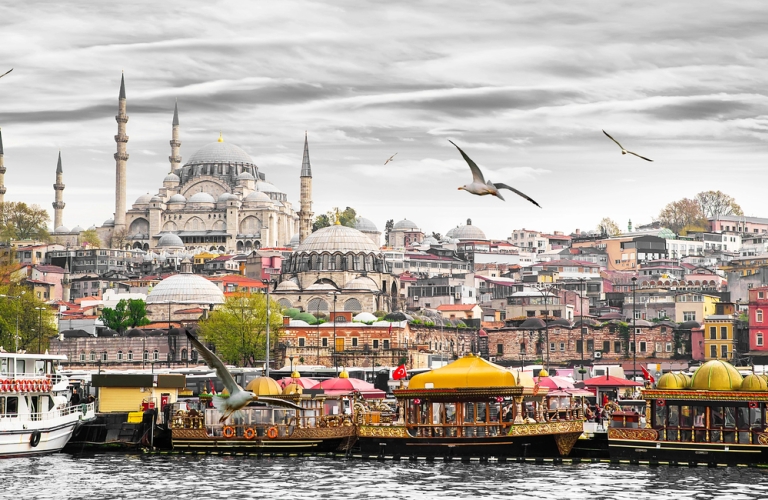
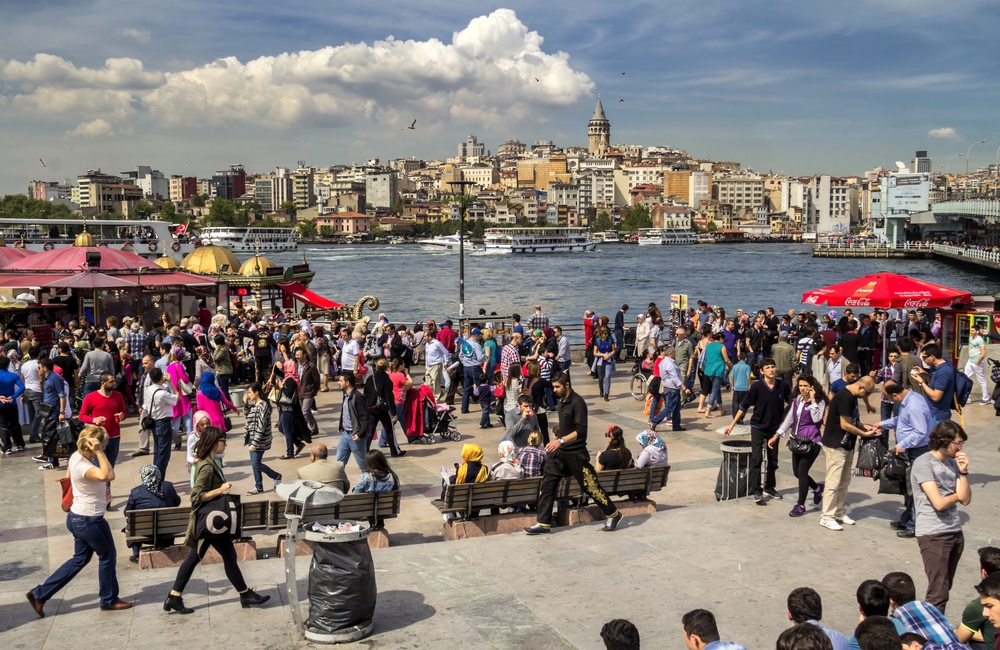
Is Istanbul Safe for American Tourists?
Millions of international travelers visit the city to explore its historic neighborhoods, museums, mosques, markets and waterfront.
As in other large metropolitan cities, visitors should remain aware of their surroundings and take sensible precautions.
Common Safety Considerations in Istanbul
Pickpocketing
Crowded areas, public transportation and busy tourist attractions can create opportunities for pickpockets.
Keep wallets, phones and passports secure, especially in crowded locations.
Taxi and Transportation Scams
Use licensed taxis or reputable transportation services. Confirm that the meter is operating and check the route where practical.
For airport transfers, arranging transportation through your hotel or a reputable travel provider can make arrival easier.
Demonstrations and Public Gatherings
Avoid demonstrations, political gatherings and areas where police activity or crowd disturbances are taking place.
Follow local instructions and monitor reliable news sources.
Nighttime Awareness
Use well-lit routes and reputable transportation when returning to your hotel late at night.
These are practical precautions for a large city, not reasons to avoid visiting Istanbul.
Is Cappadocia Safe for American Visitors?
Visitors come to explore its volcanic valleys, cave churches, underground cities and distinctive landscapes.
The region is popular with couples, families and international tour groups.
What Should Travelers Consider?
Hot-Air Balloon Flights
Balloon flights are weather-dependent and operate subject to aviation safety decisions.
Choose a reputable, properly licensed operator and do not pressure a company to fly when conditions are unsuitable.
Walking and Outdoor Activities
Some valleys and hiking routes have uneven terrain. Wear suitable shoes, carry water and follow marked routes.
Tour Transportation
For excursions outside the main towns, use established transportation providers and follow your guide's instructions.
Explore our Cappadocia tour options if you would like to include the region in an organized holiday.
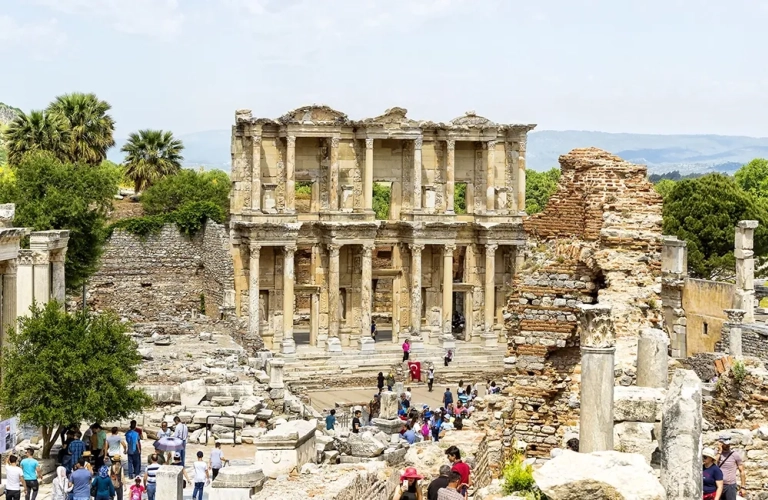
Is Ephesus Safe for American Tourists?
The ancient city attracts visitors interested in Roman history, architecture and archaeology.
For a comfortable visit:
-
Wear comfortable walking shoes.
-
Bring water during warmer months.
-
Protect yourself from direct sunlight.
-
Follow the designated visitor routes.
-
Pay attention to uneven stone surfaces and steps.
If you plan to explore the region with a guide, compare our Ephesus tours.
Is Pamukkale Safe to Visit?
Visitors should follow the site's access rules, especially when walking on the terraces.
Useful precautions include:
-
Follow signs and designated walking areas.
-
Be careful on wet or slippery surfaces.
-
Wear suitable footwear for the surrounding archaeological areas.
-
Carry water during hot weather.
-
Follow instructions from site personnel.
Explore our Pamukkale tours for organized sightseeing options.
Is Antalya Safe for American Travelers?
The city and surrounding region attract international visitors throughout the year.
As with any major tourist destination, travelers should take care of their belongings, use reputable transportation and follow local guidance.
If you plan to visit archaeological attractions such as Perge, Aspendos and Side, wear comfortable footwear and prepare for outdoor conditions.
Discover our Antalya tour options.
Is Turkey Safe for American Women Traveling Alone?
Women traveling alone should take the same general precautions they would use in other major international destinations, while also considering the specific risks identified in official U.S. guidance.
The U.S. Department of State has reported sexual assault incidents involving American citizens in Turkey, including incidents in taxis, nightlife venues, spas and other settings.
Practical precautions include:
-
Use reputable transportation, particularly late at night.
-
Avoid accepting drinks from strangers.
-
Never leave food or drinks unattended.
-
Meet new acquaintances in public places.
-
Share your itinerary with someone you trust.
-
Be cautious when using dating applications.
-
Seek assistance immediately if you feel threatened.
Travelers who experience an emergency can contact local emergency services by dialing 112.
Solo travel can be rewarding, but it is important not to dismiss the risks described in official guidance.
Is Turkey Safe for Families Traveling with Children?
Many families visit Turkey for its historical attractions, cultural experiences, coastal resorts and natural landscapes.
A family holiday can be easier to manage when transportation, accommodation and sightseeing arrangements are planned in advance.
Consider the following:
-
Choose hotels with suitable family facilities.
-
Allow enough time between destinations.
-
Carry children's identification and relevant travel documents.
-
Keep children close in crowded areas.
-
Use appropriate child safety equipment in vehicles.
-
Carry essential medication and emergency contact information.
For families visiting several regions, a private itinerary may provide additional flexibility.
Is Public Transportation Safe in Turkey?
Turkey has several transportation options, including metro systems, trams, ferries, buses, domestic flights and intercity coaches.
Major cities such as Istanbul have extensive public transportation networks.
Metro, Tram and Ferries
These services are commonly used by residents and visitors.
Keep your belongings secure and pay attention to your surroundings, especially during busy periods.
Taxis
Use licensed taxis and confirm that the meter is operating.
For airport journeys or longer transfers, agreeing on the transportation arrangements in advance can reduce confusion.
Domestic Flights
Domestic flights are a practical way to connect destinations such as Istanbul, Izmir, Antalya and Cappadocia.
Check your airline's baggage allowance and allow enough time for airport procedures.
Private Transfers and Guided Transportation
Private transfers can make travel between airports, hotels and sightseeing locations more convenient.
When booking, confirm the provider, vehicle arrangements and the services included.
Healthcare and Medical Facilities in Turkey
Turkey has public and private healthcare facilities, including modern hospitals in major cities.
However, the quality and availability of medical services can vary between locations.
American visitors should prepare before departure rather than assuming that every medical expense will be covered.
Travel Insurance
A suitable travel insurance policy can help cover unexpected medical expenses and travel disruptions.
Check whether your policy includes:
-
Emergency medical treatment
-
Hospitalization
-
Medical evacuation
-
Trip cancellation or interruption
-
Lost or delayed baggage
-
Activities such as balloon flights, if planned
Read the policy exclusions and coverage limits carefully.
Emergency Medical Assistance
The emergency number in Turkey is 112.
Save your insurance provider's emergency contact details and keep important medical information accessible during your trip.
Food and Drinking Water Safety
Turkish cuisine is an important part of the travel experience, and visitors can enjoy a wide variety of regional dishes.
As with travel anywhere, basic food and water precautions are sensible.
-
Choose restaurants with good hygiene practices.
-
Drink bottled water if you are uncertain about the local water supply.
-
Wash your hands before eating.
-
Be careful with food that has been stored or displayed improperly.
-
Inform restaurants about allergies and dietary requirements.
If you have a food allergy, consider carrying a written translation of the allergy information in Turkish.
Common Tourist Scams and How to Avoid Them
Tourist scams can occur in busy destinations around the world. Knowing the common warning signs can help visitors avoid unnecessary problems.
Overpriced Restaurant Bills
Check the menu and prices before ordering, particularly in busy tourist areas.
Unofficial Guides
Use licensed guides and established travel companies. Be cautious of strangers approaching you with unsolicited sightseeing offers.
Taxi Overcharging
Use licensed taxis and check the meter. Keep a note of your destination's address.
Unsolicited Invitations
Be careful when strangers invite you to bars, restaurants or private venues. Do not feel pressured to accept an invitation.
Online and Payment Scams
Do not send money to people you have not verified. Use secure payment methods and keep copies of your travel confirmations.
Important Local Laws and Customs for American Visitors
American citizens must follow Turkish laws while visiting the country.
Some rules may differ significantly from those in the United States.
Identification
Carry suitable identification and keep a secure copy of your passport and travel documents.
Photography
Do not photograph military installations, military operations or restricted security areas.
Cultural and Historical Objects
Turkey has strict rules concerning the removal of archaeological and cultural objects from the country.
Do not purchase or export antiquities without confirming that the transaction and required documentation are lawful.
Medication and Controlled Substances
Check whether your prescription medication is permitted in Turkey and whether supporting documentation is required.
Do not assume that a substance permitted in the United States is legal in Turkey.
Religious Sites
When visiting mosques, follow visitor rules and dress respectfully. Some sites have specific entry arrangements for visitors.
What Should Americans Do Before Traveling to Turkey in 2027?
A few practical steps can make your trip easier to manage.
1. Check the Latest Travel Advisory
Review the official U.S. Department of State Turkey Travel Advisory before booking and again before departure.
2. Enroll in STEP
The Smart Traveler Enrollment Program (STEP) allows U.S. citizens traveling abroad to register their trip with the U.S. government and receive relevant security updates.
Official website: STEP – Smart Traveler Enrollment Program
3. Review Passport and Visa Requirements
Check your passport validity and current entry requirements.
U.S. citizens are generally eligible for visa-free short visits to Turkey, subject to the applicable stay limits and entry conditions. Review the latest rules before departure.
For more information, read our guide to whether Americans need a visa for Turkey.
4. Purchase Travel Insurance
Choose a policy that suits your itinerary and planned activities.
5. Keep Important Documents Accessible
Save copies of your passport, insurance details, hotel reservations and emergency contacts.
6. Plan Your Transportation
Use reputable transportation providers and confirm airport transfers before arrival.
7. Monitor Local Conditions
Follow official announcements, local news and instructions from authorities during your stay.
Why Do Some American Travelers Choose Guided Tours in Turkey?
Turkey covers a large geographical area, and a multi-destination holiday can involve several hotels, domestic flights, road transfers and sightseeing arrangements.
A guided tour can simplify these logistics.
Potential advantages include:
-
Organized transportation
-
Professional English-speaking guides
-
Planned sightseeing schedules
-
Assistance with hotel and airport arrangements
-
Local knowledge
-
Support when coordinating multiple destinations
A guided tour does not remove every travel risk, and travelers should still follow official safety advice.
If you are planning a multi-city holiday, compare our Turkey tour packages to see the available routes and arrangements.
Frequently Asked Questions: Is Turkey Safe for Americans?
Is Turkey safe for Americans in 2027?
Turkey is a major international tourism destination, but American visitors should review the latest U.S. travel advisory and understand the regional security differences. Conditions can change, so check official guidance before departure.
What is the current U.S. travel advisory level for Turkey?
As of October 30, 2026, the published U.S. Department of State advisory is Level 2: Exercise Increased Caution. Always check the official page for updates before traveling in 2027.
Is Istanbul safe for American tourists?
Istanbul is a major international tourist destination. Visitors should take normal precautions against theft, scams and unexpected public disturbances, and follow current official security advice.
Is Cappadocia safe for American visitors?
Cappadocia is a popular tourism region. Visitors should use reputable activity operators, follow outdoor safety instructions and check weather conditions before balloon flights.
Are there areas Americans should avoid in Turkey?
The U.S. Department of State advises against travel to areas near the Syrian and Iraqi borders. Travelers should read the current regional warnings before planning any route in eastern or southeastern Turkey.
Is Turkey safe for American families?
Families regularly visit Turkey, but they should plan transportation, accommodation and sightseeing carefully, supervise children in crowded areas and maintain appropriate travel insurance.
Is Turkey safe for solo female travelers?
Women traveling alone should take sensible precautions and pay attention to the specific risks described in U.S. government guidance, particularly concerning nightlife, taxis, spas and meeting strangers.
What is the emergency number in Turkey?
The main emergency number is 112, which can be used to request emergency assistance, including ambulance and police services.
Do Americans need a visa to visit Turkey?
U.S. citizens are generally eligible for visa-free short tourist visits, subject to current entry rules and permitted stay limits. Check official requirements before departure.
Should Americans buy travel insurance for Turkey?
Travel insurance is strongly recommended. Check that your policy covers medical expenses, emergency evacuation, trip interruption and any planned adventure activities.
Can Americans visit Turkey independently?
Yes, travelers can organize independent holidays. Those visiting several destinations may prefer an organized itinerary to simplify transportation and accommodation arrangements.
Plan Your Turkey Trip with Confidence
Turkey offers an extraordinary combination of historic cities, ancient civilizations, natural landscapes and Mediterranean experiences.
From Istanbul and Cappadocia to Ephesus, Pamukkale and Antalya, the country has much to offer American visitors.
The best way to prepare is to understand the official travel guidance, select an itinerary appropriate to your plans and take sensible precautions throughout your journey.
TurkeyTravel.com is operated by Kontes Travel, a licensed Turkish travel agency based in Istanbul and serving international travelers since 2006.
We offer private and small-group sightseeing arrangements across Turkey, with itineraries that can include accommodation, domestic transportation, guided visits and airport transfers according to the selected package.
Explore our Turkey tour packages and contact our team to start planning your 2027 journey.

Erdal Serbest is a travel content writer and tourism professional with a background in Tekirdağ Tourism Vocational High School. He has extensive experience in the hospitality and travel agency sectors, where he worked for several years supporting tour operations and destination marketing.
Throughout his career, he has created travel-focused blog content and contributed to destination promotion projects for various tourism platforms. Today, he focuses on developing engaging, informative, and experience-based content for turkeytravel.com.
He believes that travel is the most authentic way to understand cultures, flavors, and human stories, and he aims to reflect this perspective in every article he writes.