What to See in Turkey in 13 Days: A Travel Guide for Australians in 2027
Planning a holiday to Turkey from Australia is an exciting opportunity to discover a country filled with ancient history, remarkable landscapes, Mediterranean scenery and unforgettable cultural experiences.
With 13 days in Turkey, you can explore Istanbul, visit the historic battlefields of Gallipoli, discover the legendary city of Troy, walk through the ancient ruins of Ephesus, experience Pamukkale's white terraces, enjoy Antalya's Mediterranean atmosphere and finish your journey in Cappadocia.
For Australian travellers, Turkey also has a special historical connection through the Gallipoli campaign and the ANZAC story.
This guide explains what to see in Turkey in 13 days, which destinations deserve your attention and how to make the most of your holiday in 2027.
Quick Answer: What Can You See in Turkey in 13 Days?
A well-planned 13-day itinerary can cover eight major destinations:
-
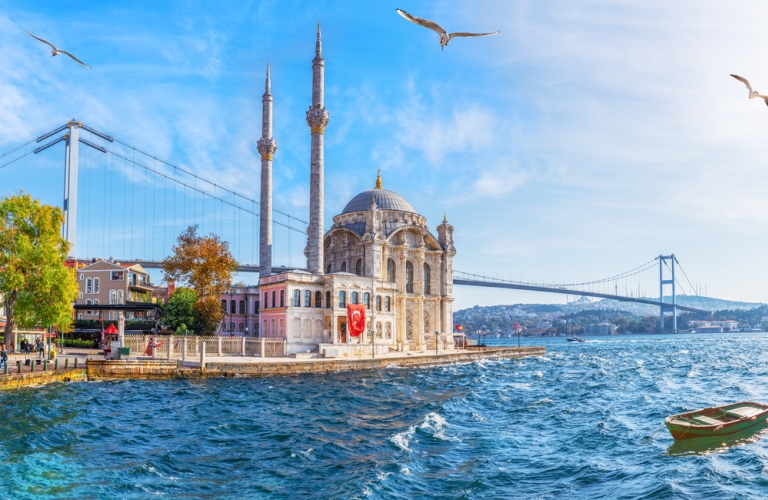
Istanbul: Hagia Sophia, Blue Mosque, Topkapi Palace and the Bosphorus.
-
Gallipoli: ANZAC Cove, Lone Pine Memorial and the historic battlefields.
-
Troy: The archaeological site associated with the Trojan War.
-
Pergamon: The ancient Acropolis and Asclepion.
-
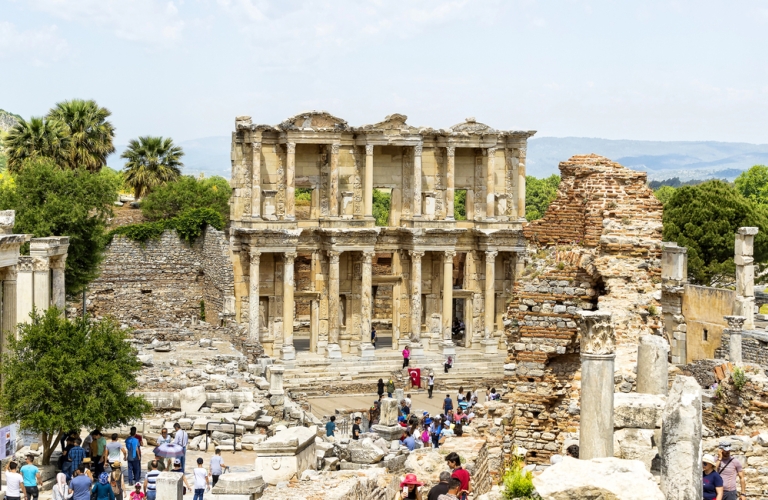
Ephesus: The Library of Celsus, Great Theatre and Terrace Houses.
-
Pamukkale: White travertine terraces and Hierapolis.
-
Antalya: Kaleici Old Town, waterfalls and nearby ancient cities.
-
Cappadocia: Fairy chimneys, underground cities and optional hot air balloon flights.
This is a comprehensive itinerary with a relatively active sightseeing schedule. Your actual experience will depend on transportation arrangements, hotel locations and the time allocated to each destination.
Why Visit Turkey from Australia?
Turkey offers Australian visitors a remarkable combination of cultural experiences, ancient history and natural beauty.
It is also a destination with a meaningful historical connection to Australia.
Discover the ANZAC Heritage
Gallipoli is an especially important destination for many Australians. The 1915 campaign remains a significant part of Australian national history and remembrance.
Visiting the battlefields, memorials and cemeteries provides an opportunity to understand the events and personal stories associated with the campaign.
Experience Different Civilizations
Turkey has been home to many civilizations, including the Hittites, Greeks, Romans, Byzantines and Ottomans.
During one journey, you can visit Roman archaeological sites, Byzantine churches, Ottoman palaces and important historical landscapes.
Enjoy Diverse Landscapes
From Istanbul's Bosphorus waterfront to Cappadocia's volcanic valleys and Antalya's Mediterranean coastline, the scenery changes dramatically as you travel across the country.
Combine History and Relaxation
A 13-day holiday allows you to experience archaeological sites and cultural attractions while also enjoying coastal scenery, local cuisine and time to relax.
Days 1–3: Istanbul – Discover the Historic City
Istanbul is the ideal starting point for your Turkish holiday. As a city connecting Europe and Asia, it has a unique cultural identity shaped by centuries of Byzantine and Ottoman history.
Allow three days to explore its major attractions and experience the city's atmosphere.
Hagia Sophia
Hagia Sophia is one of Istanbul's most important historical landmarks. Originally constructed as a Byzantine church, it later became an Ottoman imperial mosque.
Its enormous dome, architectural details and historical significance make it an essential stop for first-time visitors.
Blue Mosque
The Blue Mosque is famous for its elegant domes, six minarets and beautiful interior decoration.
It remains an active place of worship, so visitors should respect prayer times and appropriate clothing requirements.
Topkapi Palace
Topkapi Palace served as the principal residence and administrative center of Ottoman sultans for centuries.
Its courtyards, historic rooms and collections provide insight into the Ottoman imperial period.
Grand Bazaar and Spice Bazaar
The Grand Bazaar is one of the world's most famous historic covered markets. You can browse traditional crafts, textiles, jewelry and souvenirs.
The Spice Bazaar offers a different experience, with spices, Turkish sweets, dried fruits and local food products.
Bosphorus Cruise
A Bosphorus cruise is a wonderful way to appreciate Istanbul's location between two continents.
Enjoy views of waterfront mansions, historic palaces, mosques and bridges while travelling between Europe and Asia.
Explore our Istanbul Tours for guided sightseeing options.
Day 4: Gallipoli – An Important Destination for Australians
For many Australian visitors, Gallipoli is one of the most meaningful stops on a trip to Turkey.
The Gallipoli campaign of 1915 is closely associated with the history of the Australian and New Zealand Army Corps (ANZAC).
Visiting the battlefields and memorials offers an opportunity to reflect on the events, sacrifices and human stories of the campaign.
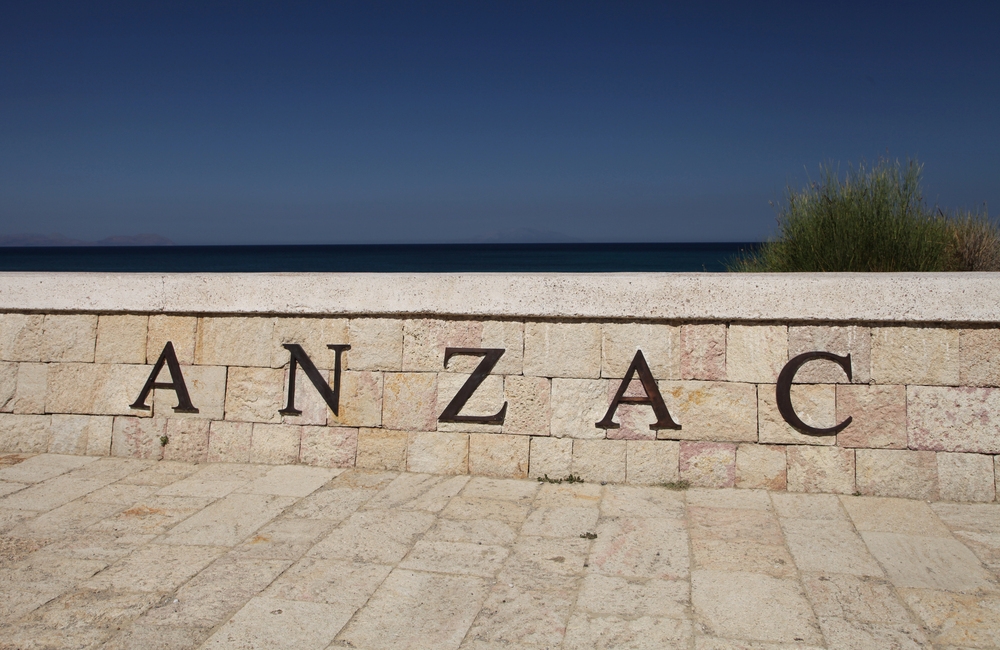
ANZAC Cove
ANZAC Cove was the landing area for Australian and New Zealand forces on 25 April 1915.
Today, it is a place of remembrance where visitors can better understand the geography and circumstances of the campaign.
Lone Pine Memorial
The Lone Pine Memorial commemorates Australian servicemen who died during the Gallipoli campaign and have no known grave.
It is one of the most significant memorials for Australian visitors.
Chunuk Bair
Chunuk Bair was one of the key strategic locations during the campaign.
The memorial and surrounding battlefield area help visitors understand the difficult conditions faced by the soldiers.
The Cemeteries and Memorials
The Gallipoli Peninsula contains numerous military cemeteries and memorials.
A knowledgeable local guide can provide historical context and explain the events connected with each location.
Planning an ANZAC Day visit: ANZAC Day is commemorated on 25 April each year. If you want to attend the official commemorative services in 2027, check the relevant Australian and Turkish official announcements for registration, access, transport and accommodation arrangements. Do not assume that a regular sightseeing tour automatically includes access to the ceremonies.
For more information, read our Gallipoli ANZAC Tours guide.
Day 5: Troy – Discover the Legendary Ancient City
Continue from Gallipoli to Troy, one of the most famous archaeological sites in Turkey.
Associated with Homer's Iliad and the legendary Trojan War, Troy combines mythology with archaeological evidence of ancient settlements.
Archaeological Site of Troy
The site contains multiple layers of settlement, showing how the city developed and changed over thousands of years.
Walking through the archaeological area offers a fascinating view of ancient urban life.
The Trojan Horse
A replica Trojan Horse is a popular photo opportunity for visitors.
It also provides a visual connection to the famous story of the Trojan War.
Troy Museum
The Troy Museum offers additional context about the site's history and archaeological discoveries.
It can help visitors understand the different periods represented at the ancient settlement.
Troy is particularly interesting for Australian visitors who enjoy ancient history and archaeology.
Day 6: Pergamon – Explore an Ancient Center of Culture
Pergamon was an important ancient Greek and Roman city known for its cultural, political and medical history.
Its archaeological remains are among the most impressive in western Turkey.
Pergamon Acropolis
The Acropolis occupies an elevated position overlooking the surrounding landscape.
Visitors can discover the remains of temples, monumental structures and other buildings from the ancient city.
The Ancient Theatre
Pergamon's steep theatre is one of its most distinctive features.
Built into the hillside, it offers impressive views of the surrounding area.
Asclepion
The Asclepion was an ancient healing center dedicated to Asclepius, the Greek god of medicine.
Its remains provide insight into ancient medical practices and the importance of healing sanctuaries.
Pergamon is a rewarding stop for travellers interested in ancient civilizations and the history of medicine.
Days 7–8: Ephesus – Walk Through an Ancient Roman City
Ephesus is one of Turkey's most important archaeological destinations.
Once a major center of commerce, culture and religion, the ancient city contains remarkable remains from the Greek and Roman periods.
Allow enough time to explore its major monuments and nearby historical sites.
Library of Celsus
The Library of Celsus is the most recognizable monument in Ephesus.
Its impressive façade, columns and statues make it one of the most photographed ancient structures in Turkey.
Great Theatre
The Great Theatre could accommodate a very large audience and was used for public gatherings and performances.
Its impressive scale helps visitors understand the importance of Ephesus during the Roman period.
Curetes Street
Curetes Street was one of the main roads of the ancient city.
Along the route, visitors can see monuments, columns, shops and the remains of important buildings.
Terrace Houses
The Terrace Houses provide a closer look at the daily lives of wealthy residents of ancient Ephesus.
Their mosaics, frescoes and architectural details are particularly interesting. Access may require a separate ticket.
House of the Virgin Mary
Located on Mount Koressos near Ephesus, the House of the Virgin Mary is an important Christian pilgrimage destination.
It is visited by people from many countries and can be included in a regional sightseeing program.
Explore our Ephesus Tours for guided visits to the ancient city and surrounding attractions.
Day 9: Pamukkale – Visit the White Travertine Terraces
Pamukkale is one of Turkey's most recognizable natural attractions.
Its white terraces were formed by mineral-rich thermal waters flowing down the hillside over thousands of years.
Pamukkale Travertines
The white terraces create a remarkable landscape often described as a natural cotton castle.
Visitors can walk along designated areas and enjoy the views across the surrounding countryside.
Access arrangements may vary, so follow the current signs and local instructions.
Hierapolis Ancient City
Located above the travertines, Hierapolis was an important ancient spa city.
Its archaeological remains include a theatre, necropolis, ancient streets and other Roman structures.
Cleopatra's Antique Pool
The Antique Pool is known for its thermal water and submerged ancient architectural fragments.
Swimming access, admission and availability can change, so check the current arrangements before visiting.
Pamukkale offers a different experience from the archaeological cities and coastal destinations on this itinerary.
See our Pamukkale Tours for organized sightseeing options.
Days 10–11: Antalya – Enjoy the Mediterranean Coast
After several days exploring ancient cities, Antalya offers a welcome change of pace.
Located on Turkey's Mediterranean coast, the region combines historic neighborhoods, beaches, waterfalls and archaeological attractions.
Kaleici Old Town
Kaleici is Antalya's historic center, with narrow streets, traditional houses, boutique hotels and a picturesque harbor.
It is a pleasant place to walk, enjoy local restaurants and discover the city's atmosphere.
Hadrian's Gate
Hadrian's Gate is a well-preserved Roman monument built to honor Emperor Hadrian's visit to the city.
It is one of Antalya's most recognizable historical landmarks.
Düden Waterfalls
The Düden Waterfalls are among Antalya's popular natural attractions.
They provide a refreshing break from sightseeing and offer attractive photo opportunities.
Perge Ancient City
Perge was an important ancient city in the region of Pamphylia.
Its remains include a stadium, colonnaded streets, Roman baths and other impressive structures.
Aspendos Theatre
Aspendos is famous for its remarkably preserved Roman theatre.
It is one of the most impressive examples of ancient theatre architecture in the Mediterranean region.
Mediterranean Beaches
Antalya is also an excellent destination for enjoying the coast.
Konyaaltı and Lara are two popular beach areas where you can relax after a busy sightseeing schedule.
Discover our Antalya Tours for cultural and regional excursions.
Days 12–13: Cappadocia – Finish Your Journey in a Unique Landscape
Cappadocia is an unforgettable destination and a wonderful place to finish a 13-day Turkey holiday.
The region is known for its fairy chimneys, cave dwellings, rock-cut churches and underground settlements.
Göreme Open-Air Museum
The Göreme Open-Air Museum contains rock-cut churches and chapels decorated with Byzantine-era frescoes.
It is one of the region's most important historical attractions.
Paşabağ Fairy Chimneys
Paşabağ, also known as Monks Valley, is famous for its unusual rock formations.
These structures were shaped by volcanic activity and erosion over thousands of years.
Underground Cities
Derinkuyu and Kaymaklı are two of Cappadocia's best-known underground cities.
Their passageways, rooms and communal spaces reveal how communities lived and organized themselves underground during periods of insecurity.
Hot Air Balloon Experience
A sunrise hot air balloon flight is one of Cappadocia's most famous experiences.
The views of valleys and fairy chimneys from above can be spectacular.
However, flights depend on weather and aviation safety conditions. A balloon ride cannot be guaranteed on a particular morning.
Cappadocia Valleys
The region's valleys offer opportunities for walking, photography and discovering its unusual geological formations.
Depending on your interests, you can also visit local pottery workshops and traditional villages.
Explore our Cappadocia Tours for regional sightseeing options.
13-Day Turkey Itinerary at a Glance
Here is a summary of the destinations and main experiences covered by this route.
| Days | Destination | Main highlights |
|---|---|---|
| 1–3 | Istanbul | Hagia Sophia, Blue Mosque, Topkapi Palace, Bosphorus |
| 4 | Gallipoli | ANZAC Cove, Lone Pine, battlefields |
| 5 | Troy | Ancient city and Troy Museum |
| 6 | Pergamon | Acropolis and Asclepion |
| 7–8 | Ephesus | Library of Celsus, Great Theatre, House of the Virgin Mary |
| 9 | Pamukkale | Travertines and Hierapolis |
| 10–11 | Antalya | Kaleici, waterfalls and ancient cities |
| 12–13 | Cappadocia | Fairy chimneys, valleys and underground cities |
This route is a sightseeing overview. The exact order, overnight stays and transportation arrangements should be confirmed against the tour or travel plan you choose.
Practical Travel Tips for Australians Visiting Turkey
A long-distance journey from Australia requires some additional preparation. These tips can help make your trip more comfortable.
1. Allow Time to Recover from the Long Flight
Travelling from Australia to Turkey usually involves a substantial journey and may include one or more connections.
Allow time to recover after arrival. Avoid planning an intensive sightseeing schedule immediately after a long international flight.
2. Check Visa Requirements
Australian ordinary passport holders are generally exempt from a visa for short tourist visits to Turkey of up to 90 days within a 180-day period.
Entry requirements can change. Before departure, confirm the latest information through the Turkish Ministry of Foreign Affairs.
3. Consider the Seasonal Differences
Turkey is in the Northern Hemisphere, so its seasons are opposite to Australia's.
When it is summer in Australia, it is winter in Turkey. When Australia experiences winter, Turkey is enjoying its summer months.
This is particularly important when choosing your travel dates and packing clothing.
4. Choose Comfortable Shoes
Many attractions on this itinerary involve walking over uneven stone paths, archaeological remains and hillsides.
Comfortable walking shoes are essential.
5. Prepare for Different Weather Conditions
Istanbul, the Aegean region, Antalya and Cappadocia can experience different weather conditions during the same trip.
Bring clothing suitable for both warm afternoons and cooler evenings, depending on the season.
6. Plan Your Transportation Carefully
The destinations on this itinerary cover a large geographical area.
Domestic flights, road transfers and organized transportation can help connect the different regions. Check the actual travel times and airport arrangements before finalizing your schedule.
7. Check ANZAC Day Arrangements Early
If your visit includes 25 April, check the official arrangements for the ANZAC commemorations well in advance.
Ceremony registration, access, security and transport arrangements may differ from ordinary sightseeing visits.
Should Australians Visit Turkey Independently or with an Organized Tour?
Both options can work well. The best choice depends on your travel experience, available time and preferred style.
Independent Travel
Independent travel gives you more control over accommodation, sightseeing and daily schedules.
It may suit travellers who enjoy organizing their own transportation and want to spend longer in selected destinations.
However, connecting eight destinations within 13 days requires careful planning.
Organized Turkey Tours
An organized tour can bring together accommodation, transfers, domestic transportation and guided sightseeing, depending on the package.
This can be particularly convenient for visitors travelling a long distance from Australia who want to make the most of their time in Turkey.
Private and Small-Group Tours
Private tours can provide more control over the pace and itinerary.
Small-group tours offer organized sightseeing with other travellers and may be a suitable alternative for those who prefer not to travel entirely independently.
For a more detailed comparison, read our guide: Is It Better to Travel to Turkey with a Tour?.
Explore Our 13-Day Turkey Tour from Istanbul
If you want to visit Istanbul, Gallipoli, Troy, Pergamon, Ephesus, Pamukkale, Antalya and Cappadocia in one journey, our 13-Day Deluxe Turkey Tour is designed around this comprehensive route.
The itinerary combines Ottoman and Byzantine heritage, ANZAC history, ancient Greek and Roman sites, Mediterranean scenery and Cappadocia's distinctive landscapes.
You can review the 13-Day Deluxe Turkey Tour for the current itinerary, accommodation details, included services and booking conditions.
For a different route, compare our Turkey Tour Packages.
Frequently Asked Questions
Is 13 days enough to visit Turkey from Australia?
Yes. Thirteen days can provide a comprehensive introduction to Turkey's major destinations, including Istanbul, Gallipoli, Troy, Pergamon, Ephesus, Pamukkale, Antalya and Cappadocia. However, the schedule is active and includes several long-distance connections.
Why is Gallipoli important to Australian visitors?
Gallipoli is closely connected with the ANZAC campaign of 1915 and occupies an important place in Australian history and remembrance. Visiting its battlefields and memorials can be a meaningful experience.
When is ANZAC Day in Turkey in 2027?
ANZAC Day is commemorated on 25 April 2027. Visitors planning to attend official services should check the relevant government announcements for ceremony registration and access arrangements.
Do Australians need a visa to visit Turkey?
Australian ordinary passport holders are generally visa-exempt for tourist visits of up to 90 days within a 180-day period. Always confirm current entry requirements before travelling.
What is the best time for Australians to visit Turkey?
April to June and September to October are generally attractive periods for a multi-destination sightseeing trip. The best dates depend on the regions you want to visit and your preference for warmer or cooler weather.
Can I visit Cappadocia, Ephesus and Gallipoli in one trip?
Yes. All three destinations can be included in a longer Turkey itinerary. However, they are in different regions, so transportation and overnight arrangements need to be planned carefully.
Is a guided tour recommended for Australian visitors?
A guided tour can be convenient if you want to visit several destinations in a limited period. It can also provide local historical context at places such as Gallipoli, Troy, Pergamon and Ephesus.
Can I attend the ANZAC commemorations and visit other Turkish destinations?
Yes, but the timing needs careful planning. Official commemorations may require separate registration and specific transport arrangements. A regular 13-day itinerary may need adjustments if attending the services is a priority.
Plan Your Turkey Holiday from Australia
A 13-day journey through Turkey offers a remarkable combination of history, culture, natural beauty and meaningful experiences.
From Istanbul's imperial landmarks and Gallipoli's ANZAC heritage to the ancient cities of western Turkey, Antalya's Mediterranean coastline and Cappadocia's fairy chimneys, every destination adds something different to your journey.
Whether you are travelling for history, culture, scenery or a combination of all three, careful planning will help you make the most of your time.
Explore our Turkey Tours from Australia guide or contact TurkeyTravel.com to discuss your travel plans for 2027.

Erdal Serbest is a travel content writer and tourism professional with a background in Tekirdağ Tourism Vocational High School. He has extensive experience in the hospitality and travel agency sectors, where he worked for several years supporting tour operations and destination marketing.
Throughout his career, he has created travel-focused blog content and contributed to destination promotion projects for various tourism platforms. Today, he focuses on developing engaging, informative, and experience-based content for turkeytravel.com.
He believes that travel is the most authentic way to understand cultures, flavors, and human stories, and he aims to reflect this perspective in every article he writes.