Quick Answer: What Are the Best Things to See in Ephesus?
The main highlights of Ephesus include:
-
Library of Celsus – the city's most iconic surviving façade
-
Great Theatre – one of the largest structures in ancient Ephesus
-
Curetes Street – the main marble street connecting several important monuments
-
Terrace Houses – richly decorated residences of the city's elite
-
Temple of Artemis – one of the Seven Wonders of the Ancient World
-
House of the Virgin Mary – an important Christian pilgrimage site near Ephesus
-
Basilica of St. John – an important early Christian monument in nearby Selcuk
-
Ephesus Archaeological Site – best explored with a guide for historical context
For most first-time visitors, 2–4 hours is enough to explore the main archaeological site. If you also want to visit the House of the Virgin Mary, Basilica of St. John, or the Temple of Artemis, allow at least half a day.
Ephesus at a Glance
| Experience | Top Places / Activities | Time Needed | Best For |
|---|---|---|---|
| Ancient City | Library of Celsus, Great Theatre, Curetes Street | 2–4 hours | First-time visitors |
| Terrace Houses | Mosaics, frescoes and Roman residences | 30–60 minutes | History & archaeology |
| Temple of Artemis | Ancient temple site | 20–30 minutes | Ancient history |
| House of the Virgin Mary | Religious and pilgrimage site | 30–60 minutes | Culture & religion |
| Basilica of St. John | Byzantine-era basilica and views | 30–60 minutes | History & Christianity |
| Ephesus Tours | Guided, private and shore excursions | Half day–full day | Convenient sightseeing |
| Ephesus + Pamukkale | Two major attractions in one day | Full day | Travelers with limited time |
Why Visit Ephesus?
Ephesus offers much more than impressive ruins. The site provides a rare opportunity to walk through the remains of an ancient city and see how public, commercial, religious, and residential spaces were organized.
Ephesus is particularly rewarding for travelers interested in:
-
Ancient Greek and Roman history
-
Archaeology and architecture
-
Early Christianity
-
Photography
-
Cultural travel
-
Mediterranean history
Ephesus is also part of the UNESCO World Heritage List, reflecting its outstanding archaeological and historical significance.
The History of Ephesus
Understanding the history of Ephesus adds considerably to the experience of visiting the ruins.
Ancient Origins
The history of Ephesus extends back to antiquity, with the city developing through several periods of Greek and Anatolian settlement before becoming an important Hellenistic and Roman center.
Its location near the Aegean coast and its connections to regional trade helped Ephesus grow into one of the most important cities of the ancient Mediterranean.
Ephesus During the Roman Period
Ephesus reached its greatest prominence during the Roman period. It became a major administrative, commercial, and cultural center in Asia Minor, with monumental public buildings constructed throughout the city.
Many of the structures visitors see today—including the Library of Celsus, Great Theatre, and parts of Curetes Street—reflect the city's Roman-era development.
A Center of Religion and Culture
Ephesus was also an important religious center. The ancient Temple of Artemis was located near the city and became one of the Seven Wonders of the Ancient World.
Centuries later, Ephesus became closely associated with early Christianity and played an important role in the development of Christian communities in Asia Minor.
Top Highlights of Ephesus You Shouldn’t Miss
The archaeological site contains numerous monuments, but several stand out as essential stops for first-time visitors.
Library of Celsus
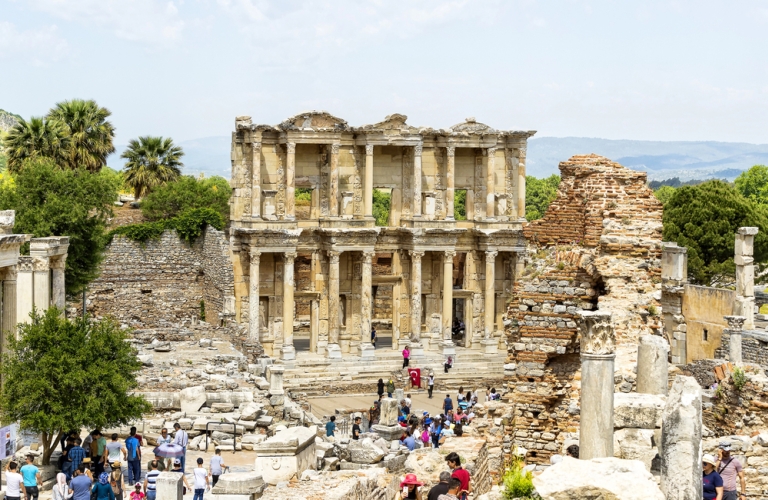
The Library of Celsus is the most recognizable monument in Ephesus and one of the most photographed ancient structures in Turkey.
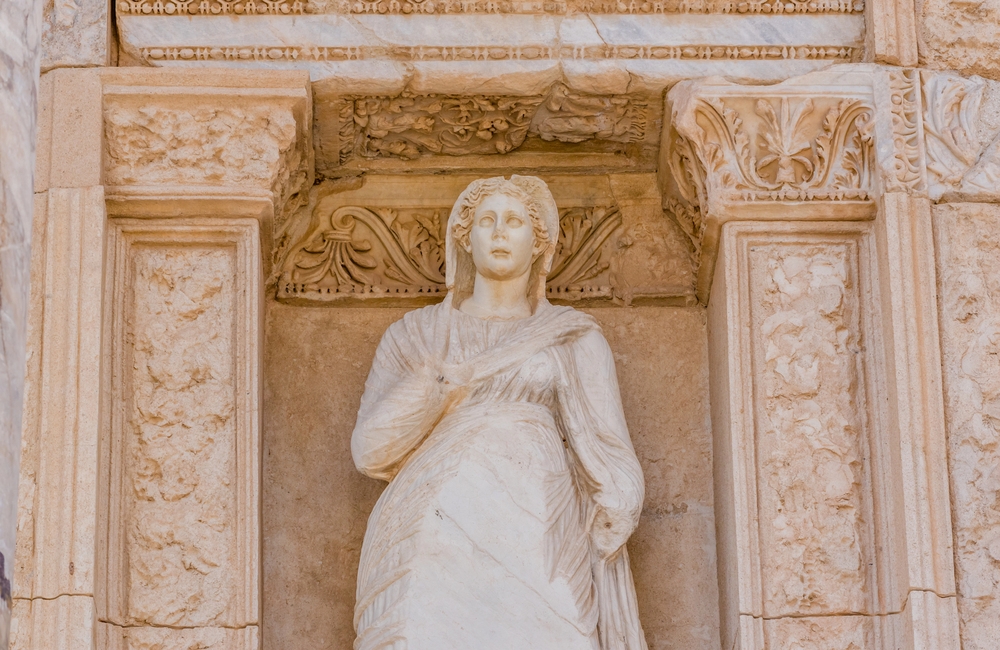
Built in the 2nd century AD, the monumental façade was constructed as part of a memorial to Tiberius Julius Celsus Polemaeanus. Its ornate columns and statues make it one of the defining sights of the ancient city.
Great Theatre
The Great Theatre of Ephesus is one of the largest structures in the ancient city.
Built into the slope of Mount Panayir, the theatre was used for performances and public gatherings and became an important part of civic life. Its enormous scale makes it one of the first monuments visitors notice when entering the ancient city.
Temple of Artemis
The Temple of Artemis was one of the Seven Wonders of the Ancient World.
Only limited remains survive today, but the site is historically significant because the temple was once one of the most important religious structures of the ancient Mediterranean.
Curetes Street
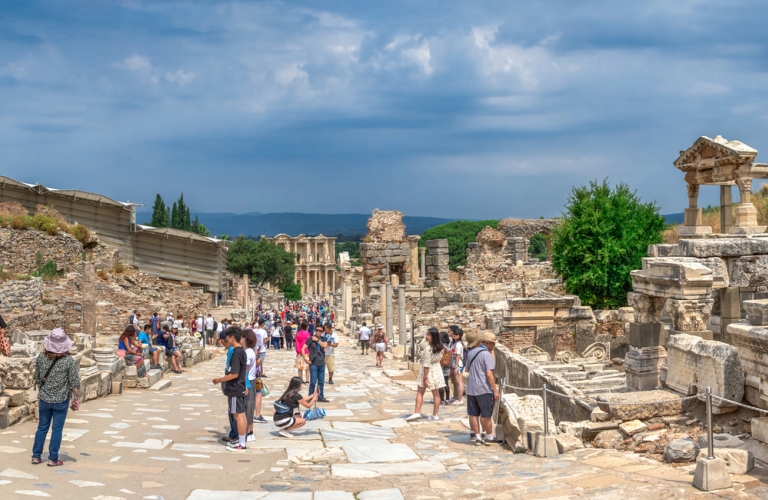
Curetes Street was one of the principal streets of ancient Ephesus.
Walking along the marble-paved road, visitors can see columns, fountains, monuments, shops, and public buildings that once formed part of the city's urban landscape.
Terrace Houses
The Terrace Houses provide a different perspective on life in ancient Ephesus.
These residential buildings belonged to wealthy inhabitants and contain impressive mosaics, frescoes, and architectural details. The additional entrance fee is generally worthwhile for visitors particularly interested in Roman domestic life and archaeology.
Ephesus and Early Christianity
Ephesus is also important for travelers interested in Christian history and pilgrimage.
House of the Virgin Mary
The House of the Virgin Mary is a Christian pilgrimage site located on Mount Koressos near Ephesus.
According to Christian tradition, Mary is believed to have spent her final years in the area. The site attracts pilgrims and visitors interested in religious history.
Basilica of St. John
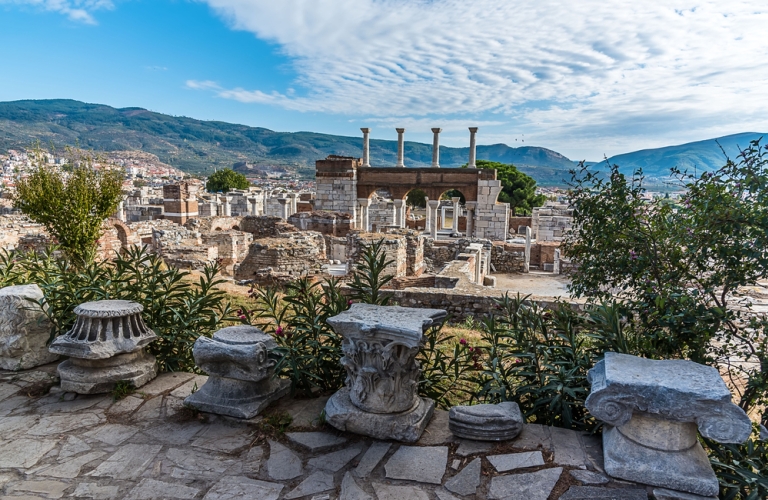
The Basilica of St. John is located in nearby Selcuk and was built during the Byzantine period over the traditional burial site associated with St. John the Apostle.
The remains of the basilica also offer views toward the surrounding countryside and the nearby ancient city.
Best Ephesus Tours in 2026
Choosing the right tour depends on how much time you have, where you are staying, and whether you prefer a private or group experience.
Guided Ephesus Tours
A guided tour is an excellent option for first-time visitors because the ruins are much easier to understand with historical context.
A professional guide can explain the function of the monuments, the development of the ancient city, and the stories behind the ruins.
Private Ephesus Tours
Private tours provide greater flexibility and are particularly suitable for families, couples, and small groups.
You can usually adjust the pace and combine Ephesus with nearby attractions according to your interests.
Ephesus Shore Excursions
Travelers arriving by cruise ship can choose an Ephesus shore excursion from Kusadasi or the surrounding cruise ports.
These tours are designed around cruise schedules and typically combine transportation, a professional guide, and visits to the main attractions.
Combined Ephesus Tours
If you have a full day available, Ephesus can be combined with nearby destinations.
Popular combinations include:
-
Ephesus + Pamukkale
-
Ephesus + Sirince Village
-
Ephesus + House of the Virgin Mary
-
Ephesus + Basilica of St. John
Best Time to Visit Ephesus
The best time to visit Ephesus is generally spring and autumn, when temperatures are more comfortable for walking around the largely open-air archaeological site.
Spring
April and May offer pleasant temperatures and good conditions for sightseeing.
Spring is particularly comfortable for walking through the ancient city before the hotter summer months.
Summer
June through August can be hot, especially around midday.
If you visit during summer, start early in the morning, carry water, and use sun protection.
Autumn
September and October are among the most comfortable months for visiting Ephesus.
Temperatures are generally more manageable than in midsummer, making longer sightseeing sessions easier.
Winter
Winter is usually quieter and can be a good option for travelers who prefer fewer visitors.
However, cooler temperatures and occasional rain can affect outdoor sightseeing, so check the forecast before your visit.
Practical Travel Tips for Visiting Ephesus
A little preparation can make your visit much more comfortable.
What to Wear
Ephesus involves considerable walking over uneven and sometimes exposed surfaces.
Bring:
-
Comfortable walking shoes
-
Lightweight clothing in warm weather
-
A light jacket during cooler months
-
Hat and sunglasses
-
Sunscreen
-
Water
If you are visiting the House of the Virgin Mary or other religious sites, modest clothing is recommended.
How Long Do You Need in Ephesus?
Allow approximately 2–4 hours for the main archaeological site.
If you want to visit the Terrace Houses and nearby attractions such as the House of the Virgin Mary or Basilica of St. John, plan for half a day or longer.
Entrance Fees and Tickets
Entrance fees can change over time, including in 2026.
If you are traveling independently, check the current official ticket information before your visit. Guided tours may include entrance tickets, transportation, and other services depending on the itinerary.
Start Early
Starting your visit early is especially useful during the warmer months.
Early morning usually provides more comfortable temperatures and can help you avoid some of the busiest periods.
Where Is Ephesus?
Ephesus is located near Selcuk in Izmir Province, in western Turkey.
It is approximately:
-
70 km from Izmir
-
20 km from Kusadasi
-
8 km from Selcuk
Its location makes Ephesus an easy day trip from Izmir, Kusadasi, and other destinations along Turkey's Aegean coast.
How to Get to Ephesus
The easiest way to reach Ephesus depends on where you are staying.
- From Izmir: approximately 1–1.5 hours by car, depending on traffic; train services are also available to Selcuk.
-
From Kusadasi: approximately 25–30 minutes by car
-
From Selcuk: approximately 10–15 minutes by car
-
From Izmir: approximately 1–1.5 hours by car or train
Private transfers and guided tours are convenient options if you want transportation arranged in advance.
Ephesus Travel Tips for First-Time Visitors
Wear Comfortable Shoes
The archaeological site requires a significant amount of walking, and many surfaces are uneven.
Bring Water and Sun Protection
There is limited shade in several parts of the site, particularly during summer.
Allow Extra Time for Nearby Attractions
If your schedule permits, combine Ephesus with the House of the Virgin Mary, Basilica of St. John, Temple of Artemis, or Sirince Village.
Consider a Guided Tour
The ruins are impressive on their own, but a guide can explain what the buildings were used for and how the city developed over different historical periods.
Check Your Cruise Schedule
If you are visiting Ephesus on a cruise excursion, allow sufficient time for transportation between the port and archaeological site and return to the ship.
Suggested Half-Day Ephesus Itinerary
If you have only a few hours, focus on the main archaeological highlights.
Step 1: Enter the Ancient City
Start early if possible and allow enough time to walk through the main streets.
Step 2: Explore Curetes Street
Follow Curetes Street and explore the monuments and public buildings along the route.
Step 3: Visit the Library of Celsus
Spend time at the Library of Celsus, one of the most impressive surviving façades in Ephesus.
Step 4: See the Great Theatre
Continue toward the Great Theatre and take time to appreciate its scale and location.
Step 5: Add the Terrace Houses
If you have additional time and are interested in Roman domestic life, add the Terrace Houses to your visit.
Frequently Asked Questions About Ephesus
Is Ephesus worth visiting?
Yes. Ephesus is one of Turkey's most important archaeological sites and is particularly worthwhile for travelers interested in ancient history, Roman architecture, archaeology, and early Christianity.
How many hours do you need in Ephesus?
Most visitors should allow 2–4 hours for the main archaeological site. Add more time if you plan to visit the Terrace Houses and nearby attractions.
What is the best time to visit Ephesus?
Spring and autumn generally offer the most comfortable conditions. During summer, early morning is preferable because of the heat.
Can you visit Ephesus without a tour?
Yes. Ephesus can be visited independently, but a professional guide can make the ruins easier to understand and add historical context.
Is Ephesus suitable for families?
Yes, although families should be prepared for considerable walking and uneven surfaces. Comfortable shoes, water, and sun protection are especially important.
Can you visit Ephesus from Kusadasi?
Yes. Ephesus is approximately 20 km from Kusadasi and is one of the most popular day trips from the resort town and cruise port.
Can you visit Ephesus and Pamukkale in one day?
Yes, it is possible with a well-planned private or organized tour, although it makes for a long day. Travelers with more time may prefer visiting the two destinations on separate days.
Conclusion: Planning Your Ephesus Trip
Ephesus combines ancient history, Roman architecture, archaeology, and Christian heritage in one of Turkey's most remarkable destinations.
For a first visit, prioritize the Library of Celsus, Great Theatre, Curetes Street, and Terrace Houses. If you have additional time, consider adding the House of the Virgin Mary, Basilica of St. John, Temple of Artemis, or Sirince Village.
Most travelers can experience the main archaeological site in 2–4 hours, while a half-day or full-day itinerary allows you to explore more of the surrounding attractions.
If you prefer convenient transportation and historical context, a guided or private Ephesus tour can make planning significantly easier.

Erdal Serbest is a travel content writer and tourism professional with a background in Tekirdağ Tourism Vocational High School. He has extensive experience in the hospitality and travel agency sectors, where he worked for several years supporting tour operations and destination marketing.
Throughout his career, he has created travel-focused blog content and contributed to destination promotion projects for various tourism platforms. Today, he focuses on developing engaging, informative, and experience-based content for turkeytravel.com.
He believes that travel is the most authentic way to understand cultures, flavors, and human stories, and he aims to reflect this perspective in every article he writes.