House of the Virgin Mary in Ephesus: History and Visitor Guide
Quick Answer
The House of the Virgin Mary is a small stone chapel on Mount Bülbül (Bülbüldağı), near the ancient city of Ephesus and the town of Selçuk in İzmir Province, western Türkiye.
According to Christian tradition, Mary, the mother of Jesus, spent her final years in this area under the care of the Apostle John. Although the historical identification of the house has not been conclusively established, it is an important pilgrimage destination for Christians and a place of prayer visited by people of different faiths.
Today, visitors can explore the chapel, see the surrounding grounds, visit the prayer wall and discover an important part of the religious heritage of the Ephesus region.
What Is the House of the Virgin Mary in Ephesus?
The House of the Virgin Mary, also known as Meryem Ana Evi in Turkish, is a small religious sanctuary located in the hills above Ephesus.
Christian tradition associates the site with the final years of Mary, the mother of Jesus. According to this tradition, the Apostle John brought Mary to the Ephesus region after the crucifixion of Jesus.
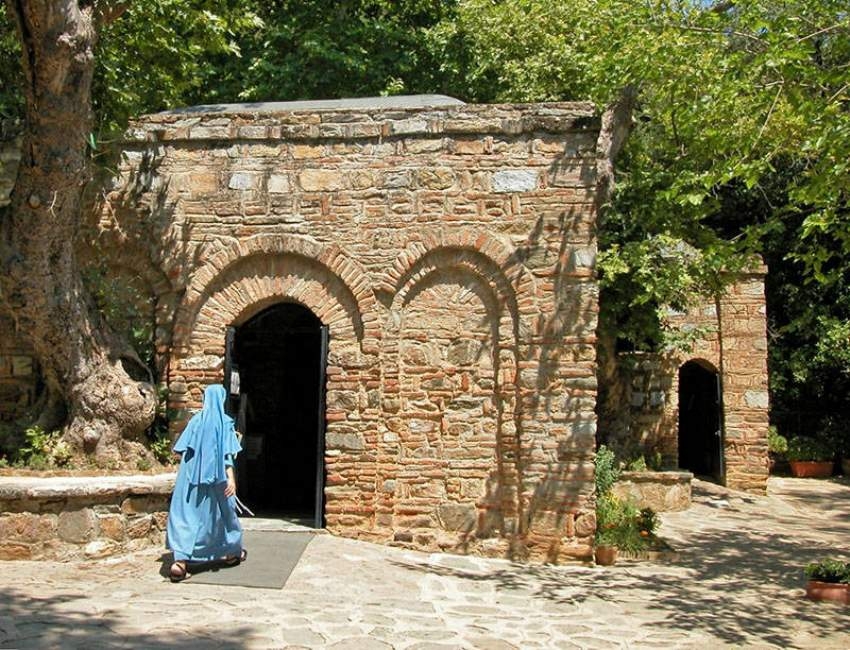
The present structure is a modest stone chapel built around the remains of an older building. Its peaceful setting, religious significance and connection with early Christian tradition have made it an important destination for pilgrims and travelers.
The site is also meaningful to many Muslims, who hold Mary (Meryem) in high regard as the mother of the Prophet Jesus.
Where Is the House of the Virgin Mary Located?
The House of the Virgin Mary is situated on Mount Bülbül, also known in historical and religious contexts as Mount Koressos, approximately 7 km from the ancient city of Ephesus.
It is located near Selçuk in İzmir Province, western Türkiye.
Approximate distances include:
-
Ancient City of Ephesus: 7 km
-
Selçuk: around 9 km by road
-
Kuşadası: approximately 28 km
-
İzmir Adnan Menderes Airport: approximately 65 km
Actual driving distances and travel times depend on the route and starting point.
Because the sanctuary is situated in a mountainous area, visitors generally reach it by car, taxi, private transfer or organized tour.
History of the House of the Virgin Mary
The history of the sanctuary combines early Christian tradition, religious accounts and archaeological discoveries.
The Christian Tradition
According to Christian tradition, the Apostle John brought Mary to Ephesus after the death of Jesus.
This belief is associated with the Gospel of John, which describes Jesus entrusting his mother to the care of the disciple he loved.
Some Christians identify this disciple with John the Apostle and believe that he later lived in Ephesus. From this tradition developed the belief that Mary also spent her final years in the region.
However, there is no conclusive historical or archaeological proof that the Virgin Mary lived in the specific house identified today.
The Rediscovery in the 19th Century
The modern story of the sanctuary is closely connected with Anne Catherine Emmerich, a German Catholic nun who lived from 1774 to 1824.
Accounts of her visions, recorded and published by the writer Clemens Brentano, described the surroundings of a house associated with the final years of Mary.
In 1891, Lazarist priests from İzmir traveled to the area, following descriptions associated with Emmerich. They discovered the remains of a small building on Mount Bülbül, which was subsequently identified by believers as the House of the Virgin Mary.
The discovery attracted religious interest and helped establish the site as a destination for Christian pilgrims.
Archaeological Discoveries and Restoration
Investigations at the site revealed architectural remains and foundations from different periods.
The building visible today has undergone restoration and adaptation over time. Its present appearance reflects its use as a place of worship and pilgrimage.
Archaeological findings help explain the history of the structure, but they do not independently establish that Mary lived there.
Is the House of the Virgin Mary Recognized by the Catholic Church?
The House of the Virgin Mary is an important Catholic pilgrimage destination.
Pope Paul VI visited the sanctuary in 1967. Pope John Paul II visited in 1979, and Pope Benedict XVI visited in 2006.
These visits strengthened the site's importance in Catholic pilgrimage traditions.
It is important, however, to distinguish religious recognition from historical proof. The Catholic Church's acceptance of the sanctuary as a place of pilgrimage does not amount to a definitive declaration that the house has been archaeologically proven to be Mary's residence.
For many believers, its spiritual importance is meaningful regardless of this historical uncertainty.
What Can You See at the House of the Virgin Mary?
The sanctuary is relatively small, but its setting and religious atmosphere make it a memorable stop.
The Stone Chapel
The main building is a modest stone chapel where visitors can pray, reflect or spend a quiet moment.
The interior is simple and peaceful. Visitors should respect those who are using the space for worship and follow any instructions given by site staff.
The Prayer Wall
Outside the chapel, visitors can find a wall where people leave written prayers and personal wishes.
This tradition has become one of the recognizable features of the sanctuary. People from different countries leave messages expressing their hopes, gratitude and prayers.
The Holy Water Fountains
There are water fountains below the sanctuary that are associated with local religious traditions.
Some visitors collect water as a personal devotional practice. Claims about healing properties should be understood as matters of belief rather than scientifically established effects.
The Natural Surroundings
The sanctuary is surrounded by trees and a peaceful mountain landscape.
Its setting creates a quieter atmosphere than the busy archaeological areas of Ephesus and gives visitors an opportunity to pause during a day of sightseeing.
House of the Virgin Mary Opening Hours
The sanctuary's visiting hours may change according to the season, religious services and local arrangements.
Rather than relying on old opening-hour information, check the latest schedule before your visit, especially if you are traveling independently or planning to attend a religious service.
If you are joining an organized excursion, confirm the planned arrival time with your tour provider.
House of the Virgin Mary Entrance Fee
Visitors should check the current entrance fee before traveling because charges and payment arrangements can change.
The sanctuary entrance is separate from the admission ticket for the main Ephesus archaeological site. Do not assume that an Ephesus ticket or museum pass automatically includes access to the House of the Virgin Mary.
If you are joining a guided tour, ask whether the sanctuary entrance fee is included in the tour price.
How to Visit the House of the Virgin Mary
There are several ways to reach the sanctuary, depending on where you are staying and how you plan to explore the region.
By Taxi or Private Transfer
A taxi or private transfer from Selçuk is a convenient option for independent visitors.
The road climbs into the hills, so walking from the town is not generally the most practical way to reach the sanctuary.
If you take a taxi, arrange your return journey in advance, particularly during quieter periods.
From Kuşadası
Kuşadası is a popular starting point for visitors who want to explore Ephesus and the House of the Virgin Mary on the same day.
The journey is commonly arranged by taxi, private transfer or organized excursion.
Cruise passengers arriving at Kuşadası Port can also visit the sanctuary as part of a shore excursion, provided the itinerary allows enough time.
From İzmir
Visitors staying in İzmir can travel to the Selçuk and Ephesus region by car, train or organized tour.
A private excursion can be useful if you want to combine the sanctuary with the ancient city and other nearby historical sites.
On a Guided Ephesus Tour
A guided tour is a convenient choice if you want transportation and sightseeing arranged together.
Depending on the itinerary, a tour may include:
-
House of the Virgin Mary
-
Ancient City of Ephesus
-
Library of Celsus
-
Great Theatre
-
Temple of Artemis
-
Basilica of St. John
Check the specific itinerary to confirm which attractions and entrance fees are included.
Best Time to Visit the House of the Virgin Mary
Spring and autumn are generally comfortable seasons for visiting the sanctuary.
Spring
April and May usually offer pleasant temperatures and green surroundings. This is a good time to combine the sanctuary with a longer visit to Ephesus.
Summer
June through August can be hot, especially during the middle of the day. An early visit is often more comfortable.
Autumn
September and October are popular months for exploring the Ephesus region, with generally more manageable temperatures than midsummer.
Winter
Winter can offer a quieter experience, although cooler weather and rain may affect outdoor sightseeing. Check local conditions before traveling.
What Should You Know Before Visiting?
A little preparation can make your visit more comfortable and respectful.
-
Dress respectfully: The sanctuary is a place of worship. Choose clothing appropriate for a religious site.
-
Maintain a quiet atmosphere: Visitors may be praying inside the chapel.
-
Allow enough time: Most visitors do not need several hours at the sanctuary itself, but allow additional time for transportation and nearby attractions.
-
Check current visiting arrangements: Hours, fees and religious services may change.
-
Bring water: The mountain setting and summer temperatures can make walking uncomfortable.
-
Follow local instructions: Respect signs, restricted areas and guidance from site staff.
What Can You Visit Near the House of the Virgin Mary?
The sanctuary is close to several important historical and archaeological attractions, making it easy to include in a wider Ephesus itinerary.
Ancient City of Ephesus
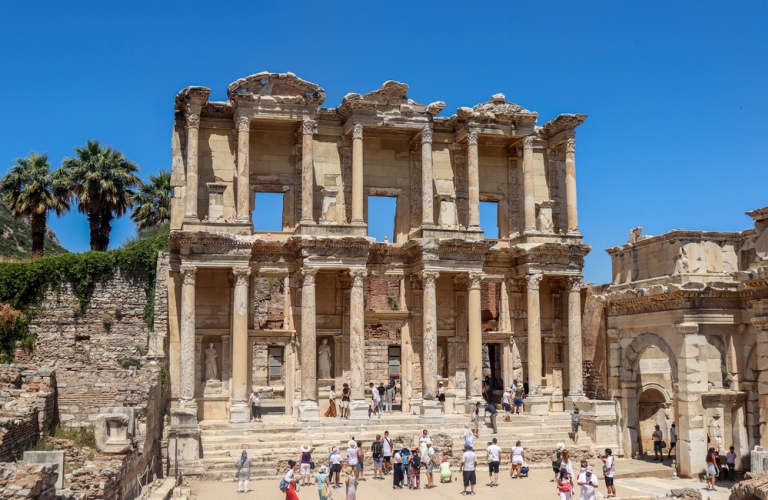
The ancient city is the main archaeological attraction in the region. Its highlights include the Library of Celsus, Great Theatre, Curetes Street and Terrace Houses.
Basilica of St. John
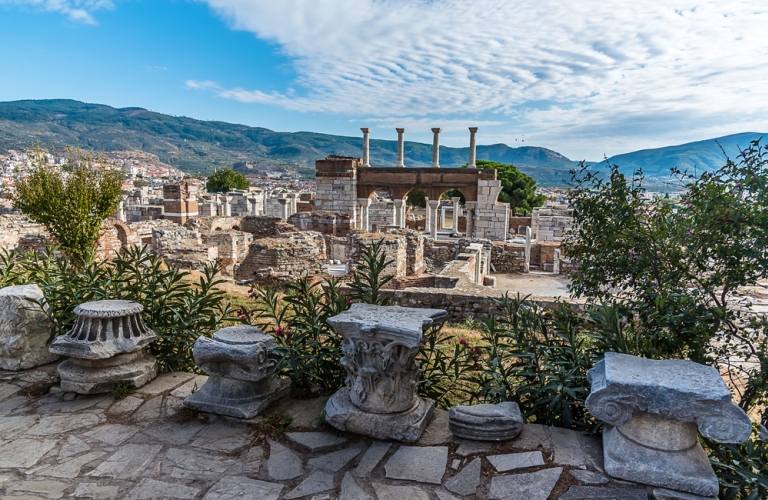
Located on Ayasuluk Hill in Selçuk, this Byzantine basilica is traditionally associated with the burial place of the Apostle John.
Temple of Artemis
The Temple of Artemis was one of the Seven Wonders of the Ancient World. Today, visitors can see the surviving remains of the sanctuary near Selçuk.
Şirince Village
Şirince is a historic village known for its traditional architecture and peaceful atmosphere. It can be a pleasant addition to a day trip around Selçuk.
Is the House of the Virgin Mary Worth Visiting?
The House of the Virgin Mary is particularly worthwhile for visitors interested in Christianity, religious history and the cultural heritage of Ephesus.
It offers a different experience from the monumental ruins of the ancient city. Instead of exploring large Roman buildings, visitors encounter a small sanctuary that remains an active place of prayer and pilgrimage.
Even travelers who are not religious may appreciate its historical traditions, natural surroundings and cultural importance.
If you have limited time in the region, you can combine the sanctuary with the ancient city of Ephesus on the same day.
Explore our Ephesus Tours to compare guided options and find an itinerary that suits your travel plans.
Frequently Asked Questions
Where is the House of the Virgin Mary in Ephesus?
It is located on Mount Bülbül near the ancient city of Ephesus and the modern town of Selçuk in İzmir Province, western Türkiye.
Did the Virgin Mary really live in Ephesus?
According to Christian tradition, Mary spent her final years near Ephesus under the care of the Apostle John. However, there is no conclusive historical or archaeological proof that she lived in the specific house visited today.
Who discovered the House of the Virgin Mary?
Lazarist priests from İzmir discovered the remains of the building in 1891 after following descriptions associated with the visions of German nun Anne Catherine Emmerich.
Is the House of the Virgin Mary a Catholic pilgrimage site?
Yes. It is an important Catholic pilgrimage destination and has been visited by several popes. It is also meaningful to many Orthodox Christians and Muslims.
How far is the House of the Virgin Mary from Ephesus?
The sanctuary is approximately 7 km from the ancient archaeological site. The driving distance from Selçuk is around 9 km, depending on the route.
How much time should I spend at the House of the Virgin Mary?
Many visitors spend approximately 30–60 minutes at the sanctuary. Allow additional time for transportation and any nearby attractions you plan to visit.
Is there an entrance fee for the House of the Virgin Mary?
Yes, visitors should check the current entrance arrangements before visiting. The sanctuary has a separate admission arrangement from the main Ephesus archaeological site.
Can I visit the House of the Virgin Mary and Ephesus in one day?
Yes. Many visitors combine the sanctuary with the ancient city of Ephesus, the Basilica of St. John and other nearby attractions in a half-day or full-day itinerary.
Final Thoughts
The House of the Virgin Mary is one of the most meaningful religious destinations in the Ephesus region.
Its connection with Christian tradition, its peaceful mountain setting and its long history as a pilgrimage destination make it a distinctive place to visit.
Although the historical identification of the house remains a matter of faith and tradition rather than conclusive archaeological proof, the sanctuary continues to attract visitors from around the world.
Whether you come for religious reasons, historical interest or cultural discovery, the House of the Virgin Mary offers a memorable experience near one of Türkiye's most remarkable ancient cities.

Erdal Serbest is a travel content writer and tourism professional with a background in Tekirdağ Tourism Vocational High School. He has extensive experience in the hospitality and travel agency sectors, where he worked for several years supporting tour operations and destination marketing.
Throughout his career, he has created travel-focused blog content and contributed to destination promotion projects for various tourism platforms. Today, he focuses on developing engaging, informative, and experience-based content for turkeytravel.com.
He believes that travel is the most authentic way to understand cultures, flavors, and human stories, and he aims to reflect this perspective in every article he writes.