Is Ephesus Worth Visiting? An Honest Guide for Travelers
If you are planning a trip to Türkiye, you may be wondering whether Ephesus is worth visiting or whether it is simply another ancient archaeological site. The answer is yes, especially if you enjoy history, architecture and cultural experiences. However, the experience depends on your interests, available time and expectations.
Ephesus is one of the most impressive ancient cities in the Mediterranean. Its marble streets, monumental Library of Celsus, enormous Great Theatre and Roman residential buildings make it a fascinating place to explore.
But there are a few things to consider before adding it to your itinerary. The site involves considerable walking, summer temperatures can be intense, and some visitors may find the experience less enjoyable without an interest in ancient history.
In this guide, we explain what makes Ephesus special, its advantages and disadvantages, how long to spend there and whether it deserves a place on your Türkiye itinerary.
Is Ephesus Worth Visiting? The Short Answer
Yes, Ephesus is worth visiting for most travellers, particularly those interested in ancient civilizations, Roman architecture and history.
It is especially rewarding because many of its streets and monumental structures remain recognizable. Rather than seeing only scattered ruins, visitors can walk through the remains of an ancient city and imagine how people lived, worked and gathered there.
However, Ephesus may be less appealing if you dislike archaeological sites, extensive walking or outdoor sightseeing in hot weather.
Ephesus is a great choice if you:
-
Enjoy Greek and Roman history.
-
Want to see one of the most important archaeological sites in Türkiye.
-
Are interested in ancient architecture and archaeology.
-
Are visiting İzmir or Kuşadası and have time for a day trip.
-
Want to combine historical sightseeing with nearby cultural attractions.
What Makes Ephesus Special?
Ephesus was one of the most important cities of the ancient Mediterranean world. It developed into a major centre of trade, culture and religion, particularly during the Hellenistic and Roman periods.
Today, its archaeological remains provide an impressive picture of ancient urban life.
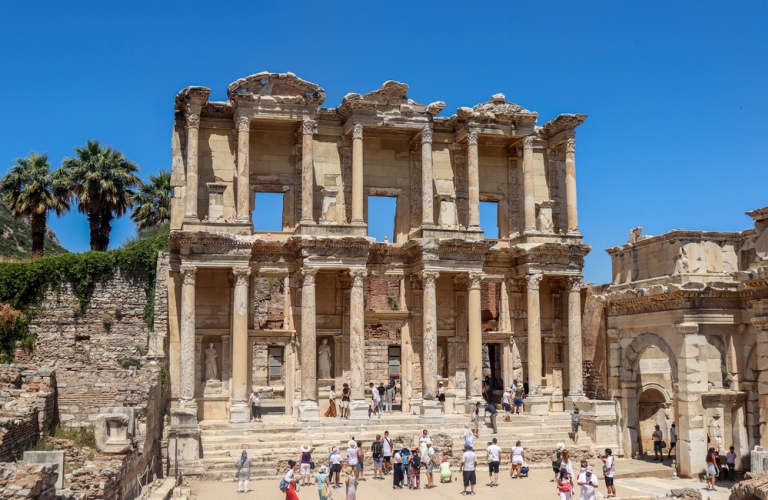
The Library of Celsus
The Library of Celsus is the most recognizable landmark in Ephesus. Its impressive façade, decorative columns and statues make it one of the highlights of the ancient city.
Built in the second century AD, it was both a library and a monumental tomb. It is one of the most memorable sights for visitors and a major reason Ephesus is so popular with photographers.
The Great Theatre
The Great Theatre is another remarkable structure. Built into the slope of Mount Panayır, it was used for performances, public gatherings and other events.
Its enormous seating area gives visitors an idea of the scale and importance of ancient Ephesus.
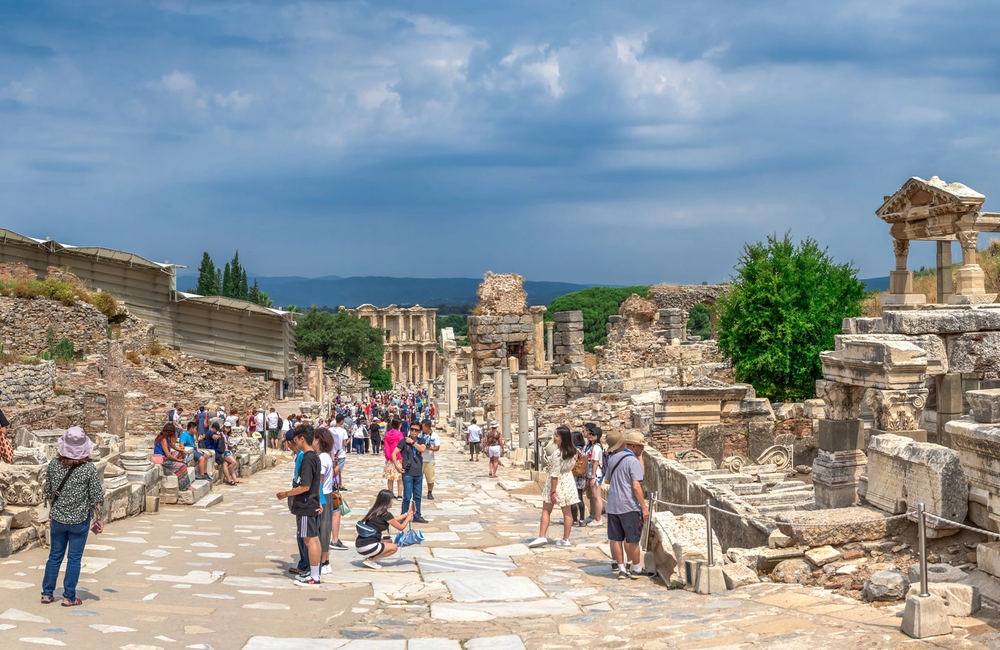
Curetes Street
Walking along Curetes Street is one of the best ways to experience the ancient city.
The marble-paved street connects several important monuments and contains remains of fountains, columns, public buildings and other structures. It helps visitors understand how the city was organized.
The Terrace Houses
The Terrace Houses offer a different perspective on ancient Ephesus. These residences belonged to wealthy inhabitants and contain impressive mosaics, wall paintings and architectural details.
They provide a fascinating insight into domestic life during the Roman period. Access may require a separate ticket, so check the current admission arrangements before visiting.
The Temple of Artemis
The Temple of Artemis was one of the Seven Wonders of the Ancient World. Although only limited remains survive today, the site is historically significant and worth considering if you are interested in the wider history of Ephesus.
What Are the Downsides of Visiting Ephesus?
Although Ephesus is an extraordinary destination, it is not perfect for everyone. Understanding the possible disadvantages will help you decide whether it suits your travel style.
Extensive Walking
The archaeological site is large, and exploring it involves walking along ancient streets and uneven surfaces.
Visitors should expect several kilometres of walking depending on the route and attractions they choose to see. Comfortable shoes are essential.
Limited Shade During Summer
Much of Ephesus is an open-air archaeological site. During summer, temperatures can become very high, and some sections offer limited shade.
If you are visiting between June and August, an early morning visit is generally more comfortable.
Crowds During Peak Travel Periods
Ephesus is a popular destination, particularly when cruise ships arrive at Kuşadası.
Late mornings can be busy, especially around the Library of Celsus and other famous monuments. Visiting early or later in the day may offer a more relaxed experience.
Some Visitors May Prefer More Interactive Attractions
Ephesus is primarily an archaeological and historical destination. Visitors looking for entertainment, shopping or activities may find the experience less engaging than other types of attractions.
A guided visit can make a significant difference if you are interested in understanding the stories behind the ruins.
Is Ephesus Worth Visiting for First-Time Travelers to Türkiye?
Yes. Ephesus is an excellent introduction to the country's ancient history.
Many first-time visitors focus on Istanbul, Cappadocia and the Aegean coast. Adding Ephesus provides a different perspective on Türkiye's cultural heritage.
It also fits naturally into an itinerary that includes İzmir, Kuşadası or other destinations along the Aegean coast.
If you have enough time, combining Ephesus with nearby historical sites can make the journey even more rewarding.
How Long Should You Spend in Ephesus?
The ideal visiting time depends on how deeply you want to explore the archaeological site.
1.5–2 Hours: A Quick Visit
A short visit is suitable if you have limited time, such as during a cruise stop. You can focus on the main monuments, including the Library of Celsus, Curetes Street and the Great Theatre.
However, you may need to move quickly and skip some attractions.
3–4 Hours: A More Complete Visit
For most travellers, this is a comfortable amount of time to explore the main archaeological site.
You can see the important landmarks, take photographs and spend additional time at the Terrace Houses if they are included in your plans.
Half a Day or Longer: A Deeper Experience
If you enjoy archaeology and history, allowing half a day gives you more time to explore at a relaxed pace.
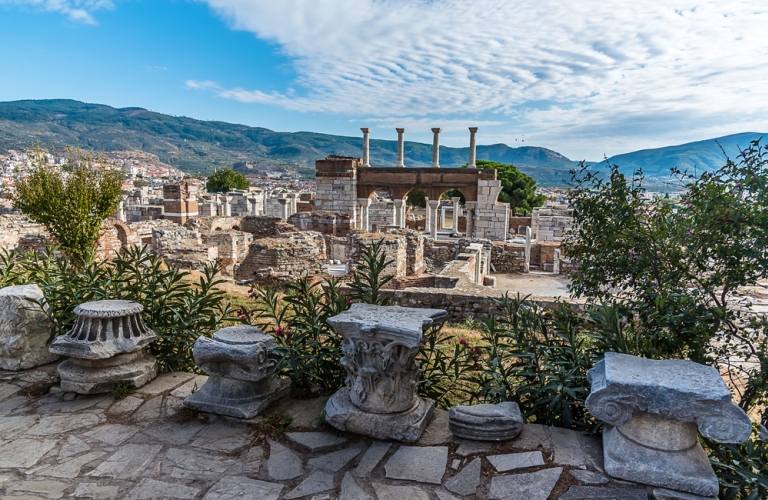
You can also consider visiting nearby attractions such as the House of the Virgin Mary or the Basilica of St John.
Is Ephesus Worth Visiting Compared to Pompeii?
Ephesus and Pompeii are two of the most remarkable archaeological destinations in the Mediterranean, but they offer different experiences.
Pompeii provides an extraordinary snapshot of Roman life preserved by the eruption of Mount Vesuvius. Its streets, houses, shops and public buildings reveal details of everyday life in a city affected by a sudden catastrophe.
Ephesus is particularly impressive for its monumental architecture, public spaces and long history as a major Greek and Roman city. The Library of Celsus and Great Theatre are among its most memorable landmarks.
Neither destination is objectively better. If you are interested in Roman domestic life and the story of a city preserved by a volcanic eruption, Pompeii may appeal more. If you prefer monumental architecture and exploring a major ancient urban centre, Ephesus may be the better choice.
Both are worth visiting if you have an interest in ancient history.
Is Ephesus Easy to Reach?
Yes. Ephesus is relatively easy to visit from several popular destinations in western Türkiye.
From Kuşadası
Kuşadası is one of the most convenient starting points. The ancient city is approximately 20 km away, and the journey by car generally takes around 25–30 minutes, depending on traffic and the exact starting point.
It is particularly convenient for cruise passengers arriving at Kuşadası Port.
From İzmir
Ephesus can be visited on a day trip from İzmir. The journey by car generally takes around 1–1.5 hours, depending on traffic and your starting point.
Travellers can also use public transportation to reach Selçuk and continue to the archaeological site.
From Selçuk
Selçuk is the closest town to Ephesus. Staying here is convenient if you want to explore the archaeological site and nearby attractions without spending much time on transportation.
Should You Visit Ephesus Independently or With a Guide?
Both options can work well, depending on your travel preferences.
Visiting Independently
Exploring Ephesus on your own offers flexibility. You can choose your own pace, spend more time at the monuments you enjoy and avoid following a fixed schedule.
This option is suitable for travellers who enjoy researching historical sites in advance or using guidebooks and audio guides.
The main disadvantage is that some historical details and stories may be difficult to understand without additional explanations.
Visiting With a Professional Guide
A professional local guide can explain the historical background of the monuments, the city's development and the significance of its buildings.
A guided experience is particularly useful for first-time visitors who want to understand more than what they can see at the site.
If you prefer organized transportation and a guided experience, you can compare our Ephesus Tours.
Best Time to Visit Ephesus
Spring and autumn are generally the most comfortable seasons for exploring Ephesus.
Spring (April–May): Pleasant temperatures make walking around the archaeological site more comfortable.
Summer (June–August): The site can become very hot, especially around midday. Arriving early is recommended.
Autumn (September–October): Another excellent period for sightseeing, with generally more comfortable temperatures than the peak summer months.
Winter (November–March): Visitor numbers are often lower, but cooler weather and occasional rain should be considered.
Regardless of the season, comfortable walking shoes, drinking water and sun protection are useful.
Is Ephesus Suitable for Families and Older Travelers?
Ephesus can be a rewarding destination for families and older travellers, but the walking conditions should be considered.
The ancient streets are uneven in places, and the site includes slopes and areas with limited shade. Visitors with mobility difficulties may find some sections challenging.
Families travelling with children should plan regular breaks, bring water and avoid the hottest part of the day during summer.
If mobility is a concern, consider discussing the route and walking requirements before arranging a visit.
Can You Combine Ephesus With Other Attractions?
Yes. The surrounding region has several interesting places that can be added to an Ephesus visit.
House of the Virgin Mary: A religiously significant site in the hills near Ephesus.
Basilica of St John: An important Byzantine-era monument in Selçuk, traditionally associated with St John the Apostle.
Ephesus Archaeological Museum: A museum displaying artefacts from Ephesus and the surrounding area.
Şirince Village: A traditional village known for its historic architecture and relaxed atmosphere.
If you want to visit several places in one day, plan your route carefully and allow enough time for transportation.
Final Verdict: Is Ephesus Worth Visiting?
Absolutely. Ephesus is one of the most rewarding historical destinations in Türkiye, particularly for travellers interested in ancient civilizations, architecture and cultural heritage.
Its impressive monuments, ancient streets and historical significance make it much more than a quick sightseeing stop.
However, it is important to arrive with realistic expectations. You will be walking outdoors, the site can be crowded and summer weather can be challenging.
If these factors are not a problem for you, Ephesus deserves a place on your Türkiye itinerary.
Whether you choose to explore independently or with a professional guide, the ancient city offers an experience that is difficult to forget.
For a more organized visit, explore our Ephesus Tours and find an itinerary that suits your travel plans.

Erdal Serbest is a travel content writer and tourism professional with a background in Tekirdağ Tourism Vocational High School. He has extensive experience in the hospitality and travel agency sectors, where he worked for several years supporting tour operations and destination marketing.
Throughout his career, he has created travel-focused blog content and contributed to destination promotion projects for various tourism platforms. Today, he focuses on developing engaging, informative, and experience-based content for turkeytravel.com.
He believes that travel is the most authentic way to understand cultures, flavors, and human stories, and he aims to reflect this perspective in every article he writes.