Ephesus, one of the most remarkable ancient cities in Turkey, continues to capture the imagination of historians, archaeologists, and travelers alike. But what did Ephesus look like in ancient times? From bustling marketplaces to grand temples, this city thrived as a cultural and economic hub of the Mediterranean world. The city witnessed Greek origins and evolved into a sprawling Roman metropolis, leaving behind architectural marvels such as the Library of Celsus, the Great Theatre of Ephesus, and the legendary Temple of Artemis.
Today, visitors can wander through the Ephesus ruins, but visualizing its original grandeur requires exploring historical records, archaeological findings, and reconstructions. For those eager to immerse themselves in this experience, Ephesus Tours offer a deep dive into the city's past, bringing its streets and buildings vividly to life.
The Origins of Ephesus – Greek Foundations
Before Roman dominance, Greek Ephesus emerged as a powerful city on the Aegean coast. Its history dates back to the 10th century BCE, when settlers first established the city near the fertile plains of the Küçük Menderes River.
City Layout and Early Structures
The ancient Ephesus city layout and buildings reflected Greek urban planning principles. Central to the city were agoras, temples, and public spaces. Narrow streets connected residential quarters with civic areas, lined with stone houses and courtyards adorned with gardens and fountains.
The Temple of Artemis – A Wonder of the Ancient World
The Temple of Artemis in Ephesus was one of the Seven Wonders of the Ancient World. Built to honor the goddess Artemis, it was a grand structure made of marble and decorated with intricate sculptures. In its prime, the temple was a center for religious gatherings and trade.
Greek Influence on Art and Culture
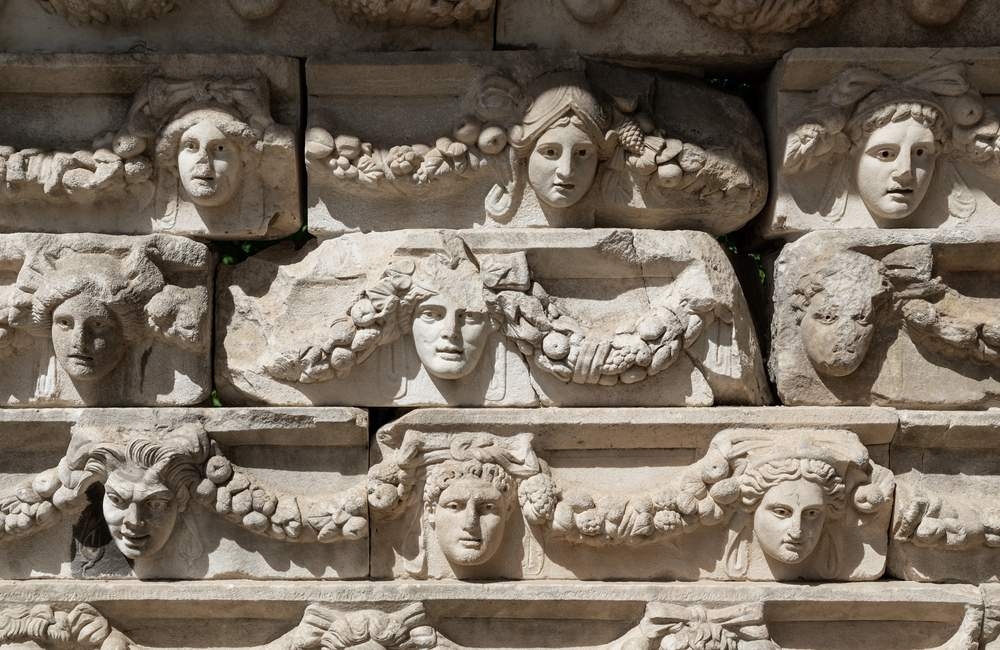
Greek art and architecture heavily influenced Ephesus history. Sculptures, mosaics, and theaters highlighted the city's cultural significance and reflected its prosperity during the Greek period.
Roman Ephesus – A Metropolis in Its Golden Age
With Roman rule, Ephesus evolved into a bustling metropolis, becoming the second-largest city in Asia Minor. Its streets were lined with monumental architecture, public baths, and temples.
Major Streets and Public Buildings
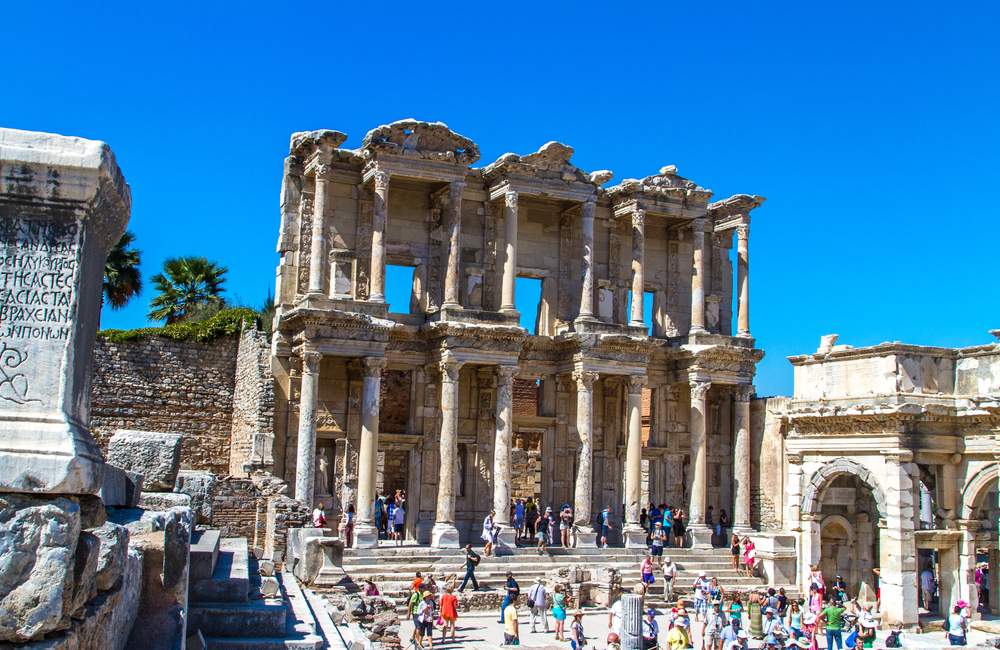
The main streets of Ephesus included the Marble Street and Curetes Street, both lined with shops, fountains, and colonnades. These streets connected important civic areas, including the Library of Celsus, a magnificent structure built to house thousands of scrolls and honor a prominent citizen.
The Great Theatre of Ephesus
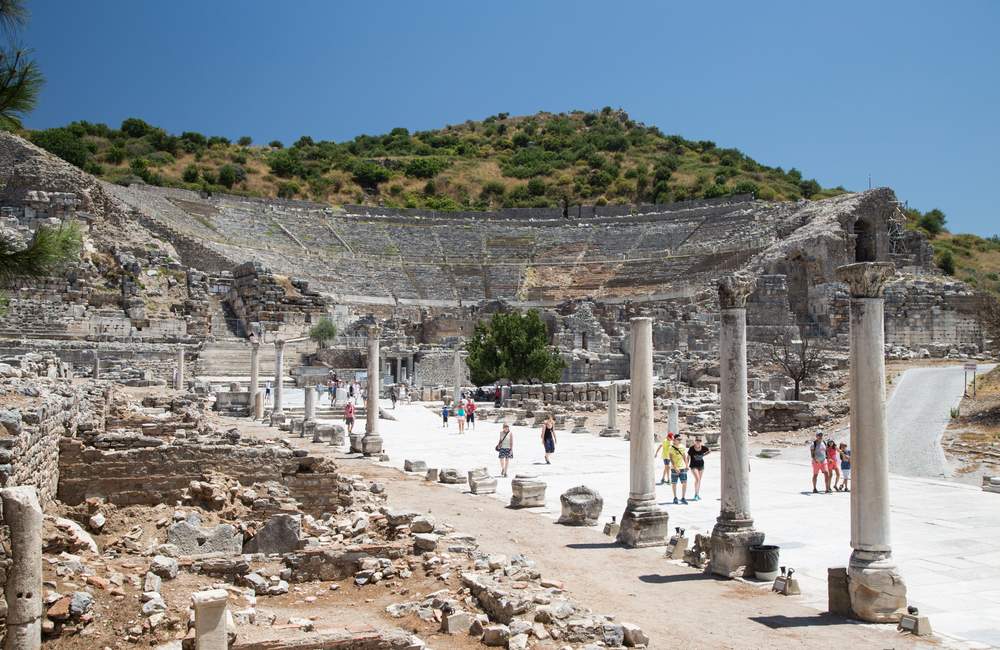
The Great Theatre of Ephesus is another hallmark of Roman influence. This massive structure could accommodate up to 25,000 spectators and hosted performances, political gatherings, and gladiatorial games.
Houses, Villas, and Daily Life
Roman villas in Ephesus were lavishly designed with intricate mosaics, private courtyards, and sophisticated plumbing systems. These residences reflect the city's wealth and the luxurious lifestyle of its inhabitants. For visitors wanting a real-life journey into this past, Ephesus Tours provide immersive experiences.
Ephesus in Greek and Roman Periods – A Visual Guide
Reconstructing how ancient Ephesus appeared in history is possible through archaeological findings and historical records. The combination of Greek planning and Roman embellishments created a city that was both functional and visually stunning.
Iconic Landmarks
-
Library of Celsus – A Roman architectural marvel with a facade adorned with statues representing wisdom, knowledge, and virtue.
-
Temple of Artemis – Though partially destroyed, reconstructions show its towering columns and grand design.
-
Great Theatre of Ephesus – Still impressively preserved, showcasing Roman engineering mastery.
Residential Areas
The city included elegant houses and multi-roomed villas with peristyles, frescoed walls, and open courtyards. Streets were lined with shops and taverns, reflecting the vibrant economy and daily life of Ephesus.
Trade and Cultural Significance
Ephesus's strategic location made it a hub for trade, religion, and governance. Merchants, philosophers, and travelers from across the Mediterranean mingled in its streets, leaving a rich cultural legacy.
Ephesus Ruins Today – Preserving the Ancient City
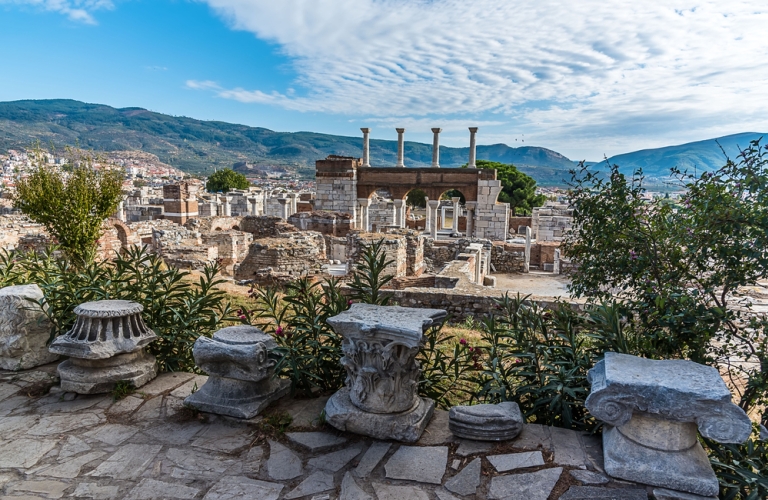
Visiting the archaeological site of Ephesus today offers a glimpse of its past glory. Though centuries of time and natural disasters have left their mark, key structures like the Library of Celsus, Great Theatre, and parts of the Temple of Artemis still stand.
Understanding Ancient Architecture
Modern reconstructions and 3D visualizations allow historians and tourists to imagine what Ephesus looked like during Roman times. Interactive exhibits, guided tours, and archaeological research help recreate the cityscape of antiquity.
Tourism and Education
Ephesus continues to attract scholars and travelers interested in the visual guide to what Ephesus looked like in antiquity. Exploring its ruins provides insights into urban planning, architecture, and social life of ancient civilizations.
Ephesus Tours are highly recommended for anyone who wants a complete understanding of this legendary city.
Conclusion – Ephesus, a Timeless Treasure
Ephesus remains one of the most significant ancient cities in Turkey, offering an extraordinary window into Greek and Roman life. From the awe-inspiring Temple of Artemis to the monumental Library of Celsus and the bustling Great Theatre of Ephesus, the city represents a remarkable blend of culture, architecture, and history.
Whether you're curious about ancient Ephesus houses and villas, the main streets of Ephesus, or the grandeur of its temples and theaters, visiting the site through a guided tour ensures a vivid connection to history.
Embark on your journey today with Ephesus Tours and step back into one of the most captivating cities of the ancient world.

Erdal Serbest is a travel content writer and tourism professional with a background in Tekirdağ Tourism Vocational High School. He has extensive experience in the hospitality and travel agency sectors, where he worked for several years supporting tour operations and destination marketing.
Throughout his career, he has created travel-focused blog content and contributed to destination promotion projects for various tourism platforms. Today, he focuses on developing engaging, informative, and experience-based content for turkeytravel.com.
He believes that travel is the most authentic way to understand cultures, flavors, and human stories, and he aims to reflect this perspective in every article he writes.