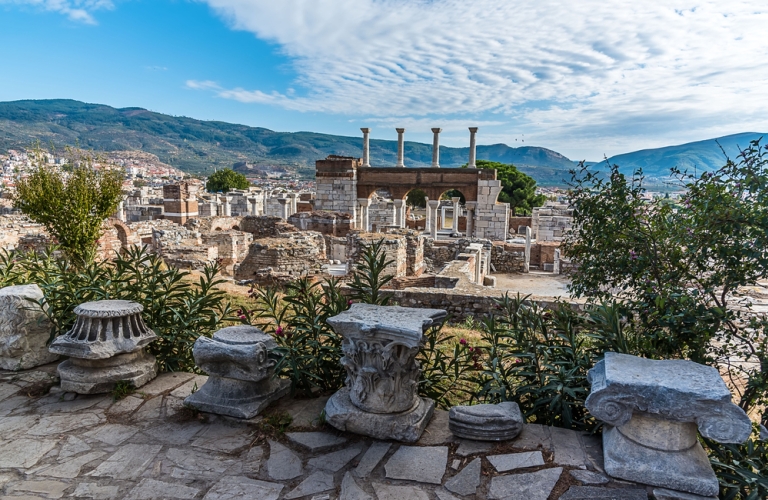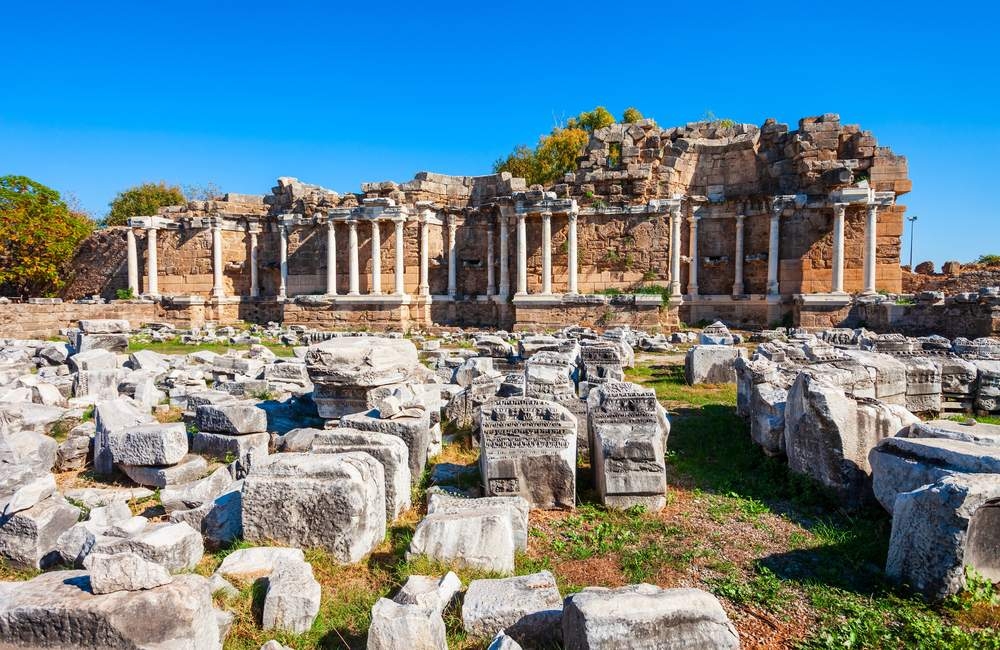
Ephesus is one of the most famous ancient cities in the world and one of Türkiye’s most visited historical destinations. Many travelers, history enthusiasts, and students often ask: what is Ephesus called today? The answer is closely connected to the modern town of Selçuk, located in western Türkiye near the Aegean coast.
Today, the ancient city of Ephesus is an archaeological site near the town of Selçuk in İzmir Province. While the ruins themselves are preserved as a historical and cultural heritage area, the nearby modern settlement provides the gateway for visitors exploring the site.
Understanding what modern day Ephesus is called, where it is located, and how it became such an important place in ancient history helps travelers appreciate the incredible legacy of this UNESCO World Heritage site. From magnificent Roman streets to early Christian landmarks, Ephesus offers a fascinating journey through thousands of years of civilization.
If you are planning a visit, joining Ephesus Tours is one of the best ways to explore the site with expert guides and discover its hidden stories.
In this guide, we will explore the modern name of Ephesus, its location today, its historical importance, and what visitors can expect when traveling to this remarkable destination.
What Is Ephesus Called Today?
The ancient city of Ephesus is not a modern city today, but rather a preserved archaeological site. The closest modern town associated with Ephesus is Selçuk, located in İzmir Province, Türkiye.
So when people ask “what is Ephesus called today?”, the most accurate answer is:
Ephesus is known today as the archaeological ruins located near the town of Selçuk in western Türkiye.
The ancient name Ephesus (Ephesos) has remained unchanged historically, but the living community that replaced the ancient settlement developed into the modern town of Selçuk.
Why the Name Ephesus Still Exists
Unlike some ancient cities that changed names over time, Ephesus kept its original historical name because the ruins were never transformed into a modern urban center.
Instead:
-
The ancient city declined over centuries
-
The harbor gradually filled with silt
-
The population moved to nearby settlements
-
Selçuk eventually became the modern town in the area
Because of this, Ephesus today refers specifically to the archaeological site rather than a living city.
Where Is Ephesus Today?
Another common question travelers ask is “where is Ephesus today?”
Location in Modern Türkiye
Ephesus is located in:
-
Western Türkiye
-
İzmir Province
-
Near the town of Selçuk
-
About 80 km (50 miles) south of İzmir city
It sits close to the Aegean coast and was once an important port city of the ancient world.
Nearby Famous Destinations
The location of modern-day Ephesus places it near several major tourist attractions:
-
House of the Virgin Mary
-
Temple of Artemis
-
Basilica of St. John
-
Şirince Village
-
Kuşadası cruise port
This makes the region one of the most historically rich areas in Türkiye.
What Is Modern Day Ephesus Like?
Today, Ephesus is one of the largest and best-preserved ancient cities in the Mediterranean world.
Instead of a modern city, visitors explore extensive ruins covering a large archaeological area.
What You Can See in Ephesus Today
Some of the most famous structures include:
-
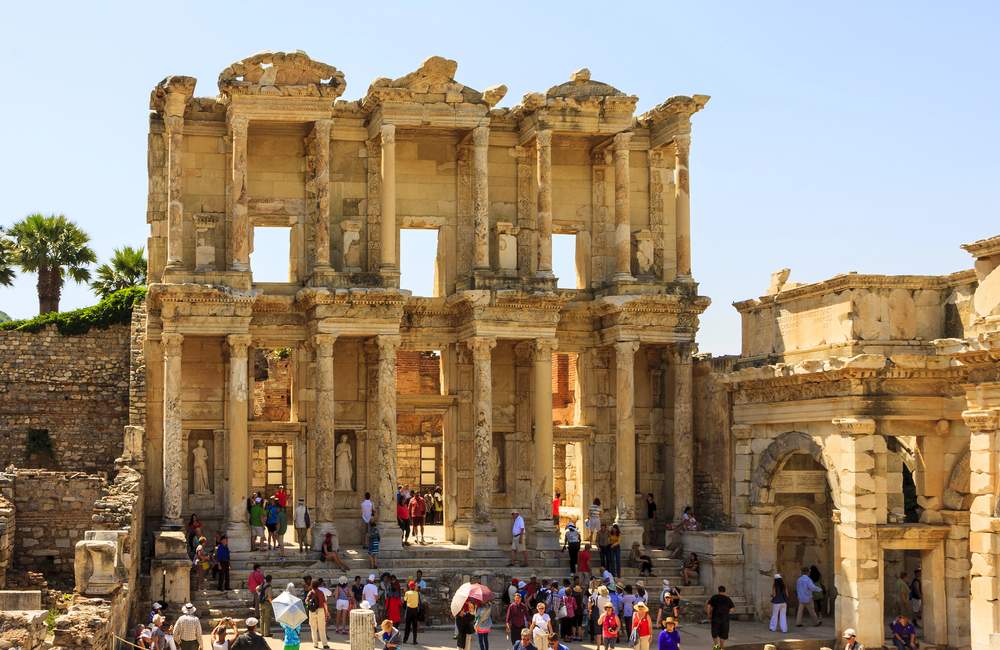
The Library of Celsus
-
The Great Theatre
-
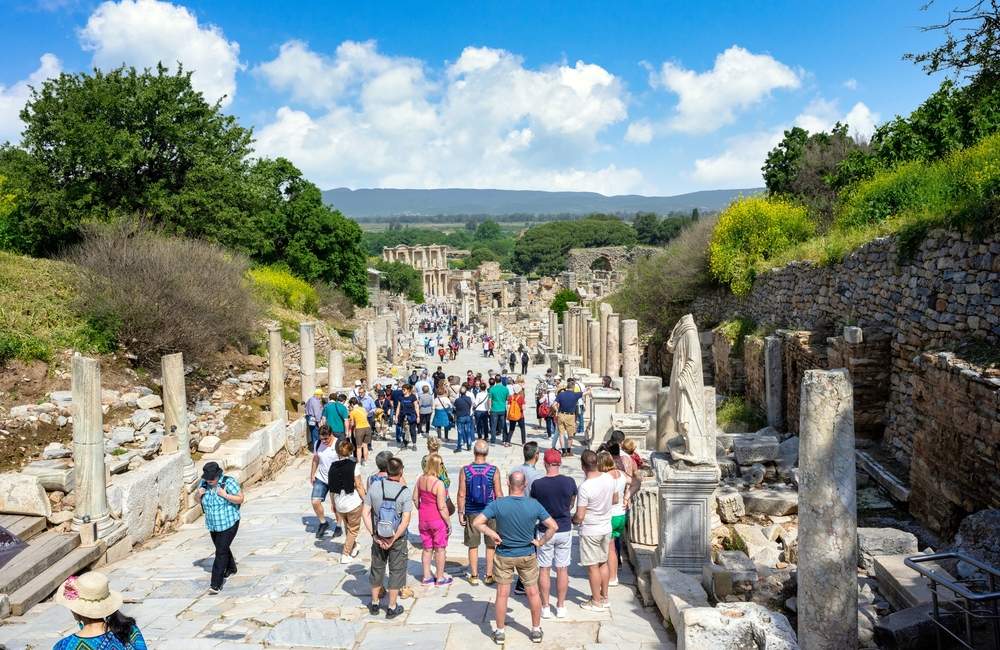
Marble Street
-
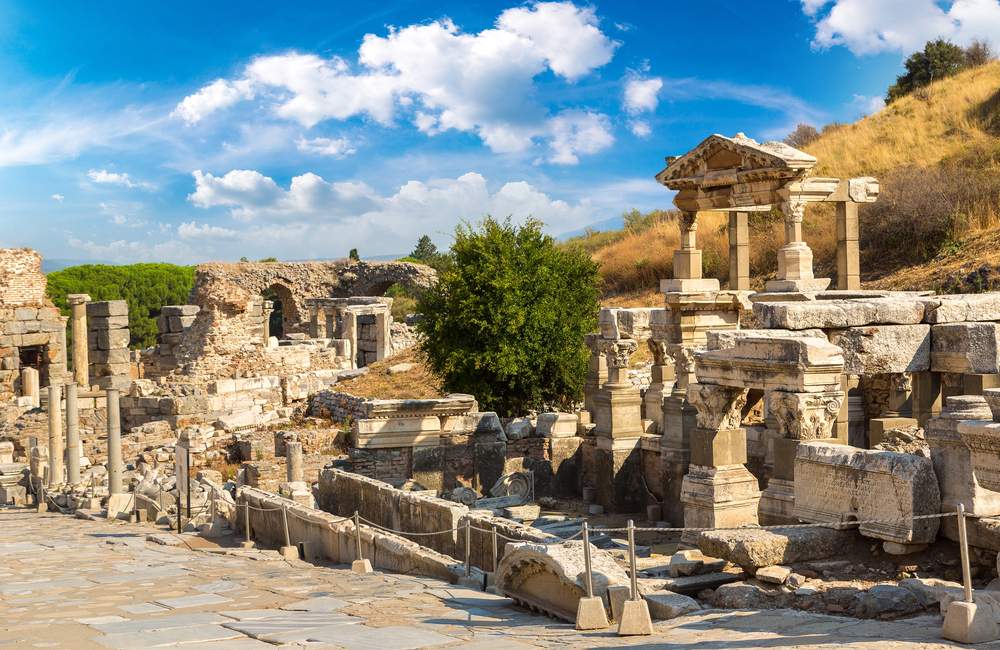
The Temple of Hadrian
-
The Terrace Houses
-
Ancient Roman baths and fountains
These monuments give visitors a vivid impression of what life was like in a major Roman city.
UNESCO World Heritage Site
Ephesus was added to the UNESCO World Heritage List in 2015, recognizing its global cultural and historical importance.
Today, archaeologists continue to uncover new discoveries that reveal more about the city's ancient past.
Why Was Ephesus So Important in Ancient Times?
To understand what modern day Ephesus represents, it helps to look at its historical significance.
Major Trading Port
During the Greek and Roman periods, Ephesus was one of the most important commercial centers in the Mediterranean.
Its harbor allowed trade between:
-
Asia Minor
-
Greece
-
Rome
-
Egypt
-
The Middle East
Merchants, travelers, and sailors from across the ancient world passed through the city.
Religious Center
Ephesus was also famous for the Temple of Artemis, one of the Seven Wonders of the Ancient World.
The temple attracted pilgrims from across the ancient world and helped make Ephesus a major religious destination.
Early Christian Importance
Ephesus also holds great significance in Christian history.
It is associated with:
-
Saint Paul, who preached here
-
The Gospel of John
-
The House of the Virgin Mary, believed by some traditions to be Mary's final residence
Because of this, the region attracts both historical and religious tourism today.
Where Is Modern Day Ephesus Located Exactly?
If you are wondering where is modern day Ephesus, the ruins lie just outside the town of Selçuk.
Distance From Major Cities
Approximate travel distances include:
-
Izmir → 1 hour
-
Kuşadası → 20 minutes
-
Bodrum → 2.5 hours
-
Pamukkale → 3 hours
This makes Ephesus one of the easiest historical sites to visit in Türkiye.
Access for Cruise Travelers
Many visitors reach Ephesus from Kuşadası, a major cruise port on the Aegean Sea.
Cruise passengers often take guided excursions directly from the port to the ancient ruins.
To make the most of your visit, many travelers choose Ephesus Tours, which provide expert guides, transportation, and historical insights.
Why Did the Ancient City of Ephesus Disappear?
Although Ephesus was once one of the largest cities in the Roman Empire, it eventually declined.
Silting of the Harbor
The biggest reason was environmental change.
Over centuries, the Kaystros River deposited sediment, slowly filling the harbor with silt.
As the sea moved farther away:
-
Trade decreased
-
The port lost importance
-
The population began to move
Earthquakes and Invasions
Additional challenges included:
-
Major earthquakes
-
Political instability
-
Arab raids during the early medieval period
Eventually, the ancient city was abandoned, and new settlements developed nearby.
Visiting Ephesus Today
Even though the ancient city no longer functions as a modern urban center, it has become one of Türkiye’s most impressive historical destinations.
What Visitors Experience
Walking through Ephesus today feels like stepping into the Roman world.
Visitors can explore:
-
Wide marble streets
-
Monumental gateways
-
Public squares
-
Ancient houses
-
Massive theaters
The level of preservation makes it one of the most photogenic archaeological sites in the world.
Best Time to Visit
The best months to visit Ephesus are:
-
April
-
May
-
September
-
October
These seasons offer pleasant temperatures and fewer crowds compared to the peak summer months.
How to Explore Ephesus
Because of its size and historical complexity, exploring Ephesus with expert guidance can greatly improve the experience.
Guided Tours vs Independent Visits
Independent visits are possible, but guided tours help visitors:
-
Understand the historical context
-
Discover hidden details
-
Avoid missing important monuments
-
Learn fascinating stories about the city
For this reason, many travelers prefer organized Ephesus Tours that include transportation, professional guides, and carefully planned itineraries.
Final Thoughts: What Is Ephesus Called Today?
So, what is Ephesus called today?
The answer is simple but interesting: the ancient city of Ephesus still keeps its historical name, but today it exists as an archaeological site near the modern town of Selçuk in İzmir Province, Türkiye.
While the bustling metropolis of antiquity no longer exists as a living city, its extraordinary ruins continue to tell the story of Greek, Roman, and early Christian civilizations.
Visitors from all over the world travel to Ephesus each year to experience its incredible architecture, fascinating history, and cultural significance.
If you are planning a trip to Türkiye, exploring this legendary ancient city should be at the top of your travel list. The best way to fully experience its history, stories, and hidden corners is by joining one of the professionally guided Ephesus Tours available for travelers.
Ephesus is not just a ruin—it is a window into one of the most remarkable civilizations of the ancient world.

Erdal Serbest is a travel content writer and tourism professional with a background in Tekirdağ Tourism Vocational High School. He has extensive experience in the hospitality and travel agency sectors, where he worked for several years supporting tour operations and destination marketing.
Throughout his career, he has created travel-focused blog content and contributed to destination promotion projects for various tourism platforms. Today, he focuses on developing engaging, informative, and experience-based content for turkeytravel.com.
He believes that travel is the most authentic way to understand cultures, flavors, and human stories, and he aims to reflect this perspective in every article he writes.