Cultural Walking Tours in Istanbul: Discover the City's History and Local Life
Istanbul is a city best experienced at street level. Behind its famous monuments, grand palaces, and busy waterfronts are historic neighborhoods, traditional markets, hidden courtyards, and everyday scenes that reveal the city's remarkable cultural identity.
Walking through Istanbul allows you to discover more than its most famous attractions. You can explore Byzantine and Ottoman architecture, visit neighborhoods shaped by different communities, taste traditional food, and observe how local life continues alongside centuries of history.
Cultural walking tours in Istanbul offer an engaging way to understand the city at a slower pace. Whether you are interested in history, architecture, religion, photography, or local traditions, exploring on foot can give you a deeper connection with Istanbul.
Why Explore Istanbul on a Cultural Walking Tour?
Istanbul has developed over many centuries under different empires, religions, and cultural influences. Many of these layers can still be seen in its streets, buildings, markets, and neighborhoods.
A walking tour allows you to notice details that can easily be missed when traveling by car or bus.
Some of the main benefits include:
-
Discovering historic streets and architectural details
-
Understanding the city's Byzantine and Ottoman heritage
-
Exploring traditional neighborhoods beyond the main attractions
-
Visiting local markets, bakeries, and cafés
-
Learning about Istanbul's multicultural past
-
Experiencing the city at a relaxed and flexible pace
A knowledgeable local guide can add further value by explaining the history behind buildings, sharing local stories, and helping visitors understand the relationship between Istanbul's past and present.
The Best Neighborhoods for Cultural Walking Tours in Istanbul
Each neighborhood has its own atmosphere and historical background. Choosing the right area depends on whether you are more interested in imperial history, religious heritage, architecture, local food, or contemporary culture.
1. Sultanahmet: Byzantine and Ottoman History
Sultanahmet is the natural starting point for a cultural walking tour of Istanbul.
Located on the historic peninsula, this area contains some of the city's most important monuments and offers an introduction to the Byzantine and Ottoman periods.
Hagia Sophia
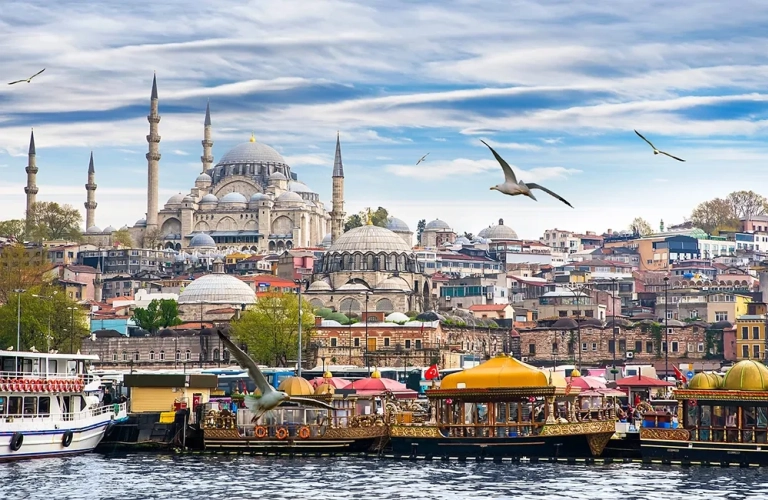
Hagia Sophia is one of the most significant architectural monuments in the world. Originally built as a Byzantine cathedral, it later became an Ottoman mosque, served as a museum, and returned to mosque status.
Its monumental dome, mosaics, calligraphy, and architectural details reflect the different periods of Istanbul's history.
Blue Mosque
The Sultan Ahmed Mosque, commonly known as the Blue Mosque, is famous for its elegant domes, six minarets, and İznik tile decoration.
As an active mosque, it follows specific visitor arrangements. Visitors should dress respectfully and follow local instructions.
Topkapi Palace
Topkapi Palace was the principal residence and administrative center of Ottoman sultans for centuries.
Its courtyards, palace buildings, collections, and views of the Bosphorus provide insight into the political and cultural life of the Ottoman Empire.
Hippodrome of Constantinople
The historic Hippodrome was once an important center for public gatherings, ceremonies, and chariot races in Byzantine Constantinople.
Today, its historic monuments and surrounding square offer a glimpse into the city's ancient urban life.
A Sultanahmet walking route is particularly suitable for first-time visitors and travelers interested in classical history.
2. Fener and Balat: Multicultural Heritage and Traditional Streets
Fener and Balat are among the most distinctive historic neighborhoods along the Golden Horn.
Their streets reveal aspects of Istanbul's multicultural history, with buildings and religious landmarks associated with different communities.
Highlights include:
-
The Ecumenical Patriarchate of Constantinople
-
Historic Greek Orthodox buildings
-
Churches and other religious heritage sites
-
Traditional neighborhood houses
-
Colorful streets and historic stairways
-
Local cafés, bakeries, and small shops
Walking through Fener and Balat offers a different perspective from the monumental architecture of Sultanahmet.
The neighborhoods are especially interesting for visitors who enjoy photography, architecture, local stories, and the history of Istanbul's diverse communities.
Remember that these are living residential neighborhoods. Be respectful of residents, private homes, and religious buildings when taking photographs.
3. Galata and Karaköy: Genoese Heritage and Modern Istanbul
Galata and Karaköy combine historic architecture with the energy of contemporary Istanbul.
Galata has strong connections with the city's Genoese trading history, while Karaköy developed as an important commercial and waterfront district.
Cultural walking highlights include:
Galata Tower
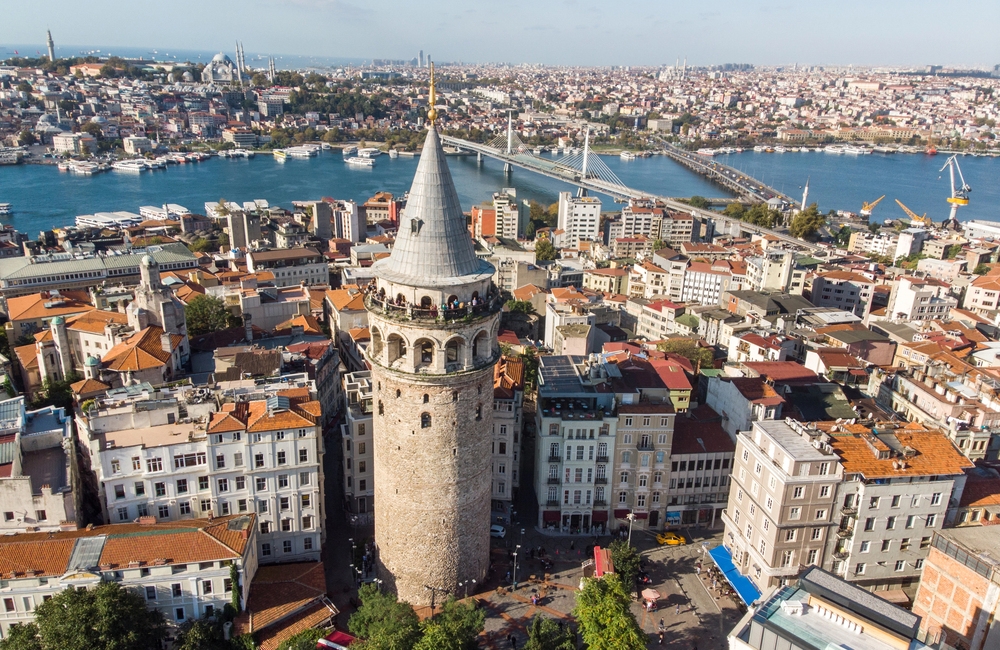
Galata Tower is one of Istanbul's most recognizable landmarks. Its surrounding streets contain historic buildings, small shops, cafés, and architectural details that reflect the area's past.
Historic Streets and Buildings
The streets between Galata and Karaköy reveal different architectural influences, including historic commercial buildings, apartment blocks, and religious structures.
Karaköy Waterfront
Karaköy offers a lively mix of cafés, restaurants, galleries, and waterfront views. It is a pleasant place to finish a walking route and enjoy the modern side of Istanbul.
This area is particularly suitable for visitors interested in architecture, urban history, photography, and contemporary culture.
4. Eminönü and the Historic Bazaars: Trade and Everyday Life
Eminönü has been an important commercial and transportation center for centuries.
Its waterfront location and traditional markets make it an excellent area for exploring Istanbul's trading heritage.
Spice Bazaar
The Spice Bazaar, also known as the Egyptian Bazaar, is famous for spices, teas, dried fruits, nuts, sweets, and traditional food products.
Grand Bazaar
The Grand Bazaar is one of Istanbul's most famous historic markets. Its covered streets contain shops selling carpets, jewelry, ceramics, textiles, and souvenirs.
Rüstem Pasha Mosque
This historic Ottoman mosque is known for its beautiful İznik tile decoration and is located near the Spice Bazaar.
A walking route through Eminönü is ideal for travelers who want to combine history, architecture, shopping, and local food.
5. Kadıköy and Moda: Local Culture on the Asian Side
A visit to Istanbul should not be limited to the European side.
Kadıköy offers a different atmosphere, with lively markets, independent shops, cafés, restaurants, and streets filled with everyday local activity.
Highlights include:
-
Kadıköy Market
-
Traditional food shops and bakeries
-
Local cafés and restaurants
-
Historic neighborhood streets
-
Moda's waterfront and parks
A ferry journey from the European side is a pleasant way to reach Kadıköy.
This area is particularly rewarding for repeat visitors and travelers who want to experience a more contemporary, local side of Istanbul.
Cultural Walking Tour Ideas: Three Routes to Explore
The following routes are suggested sightseeing plans rather than fixed guided-tour products. You can explore them independently or arrange a private experience with a local guide.
Route 1: The Historic Istanbul Walking Route
This route focuses on Istanbul's most important Byzantine and Ottoman landmarks.
Suggested stops:
-
Hagia Sophia
-
Blue Mosque
-
Hippodrome
-
Basilica Cistern
-
Rüstem Pasha Mosque
-
Spice Bazaar
-
Grand Bazaar
Why choose this route?
It provides an excellent introduction to Istanbul's imperial history, religious architecture, and traditional trading culture.
Allow enough time for museum visits and possible queues. Some religious sites have visitor restrictions during prayer times.
Route 2: Fener and Balat Heritage Route
This route focuses on Istanbul's multicultural heritage and traditional residential architecture.
Suggested stops:
-
Fener neighborhood
-
Ecumenical Patriarchate area
-
Historic churches and religious buildings
-
Traditional streets and historic houses
-
Balat neighborhood
-
Local cafés and bakeries
Why choose this route?
It offers an opportunity to discover a different side of Istanbul, away from the busiest historic attractions.
The route is especially interesting for visitors who enjoy photography, architecture, and cultural history.
Route 3: Galata and Karaköy Urban Heritage Route
This route combines historic architecture, commercial heritage, and modern city life.
Suggested stops:
-
Karaköy waterfront
-
Historic commercial streets
-
Galata Tower area
-
Historic passages
-
Istiklal Street
-
Taksim Square
Why choose this route?
It reveals how Istanbul developed beyond the historic peninsula and how traditional neighborhoods continue to evolve.
What Can You Experience During a Cultural Walking Tour?
A cultural walking tour can include much more than visiting historic buildings.
Religious and Architectural Heritage
Istanbul has a remarkable collection of mosques, churches, synagogues, and other religious buildings.
These structures reflect the city's long history as a meeting point of different communities and traditions.
Visitors interested in religious architecture can learn about Byzantine church design, Ottoman mosque architecture, decorative arts, and the cultural significance of historic religious sites.
Always respect the rules of places of worship and remember that many remain active religious spaces.
Traditional Markets and Local Shopping
Markets are an important part of Istanbul's everyday culture.
The Grand Bazaar and Spice Bazaar are famous international attractions, but smaller neighborhood markets also offer an interesting view of local shopping habits.
You may discover traditional food shops, bakeries, textile stores, and family-run businesses.
Turkish Coffee and Tea Culture
Turkish coffee and tea are important parts of social life.
During a walking tour, stopping at a traditional café can be a pleasant opportunity to rest and observe the rhythm of the neighborhood.
Turkish coffee is traditionally prepared in a small pot and served in a small cup. Tea is commonly served in distinctive tulip-shaped glasses.
Street Food and Traditional Flavors
Food is an essential part of Istanbul's cultural identity.
Depending on the neighborhood, you may encounter:
-
Simit, a sesame-covered bread
-
Börek, a traditional pastry
-
Balık ekmek, a fish sandwich
-
Turkish kebabs
-
Meze and regional specialties
-
Baklava and Turkish delight
Local Stories and Everyday Traditions
A local guide can explain how neighborhoods have changed, how traditional businesses operate, and how different communities have contributed to Istanbul's identity.
These personal stories can make a walking tour more meaningful than simply visiting a list of landmarks.
Best Time for Cultural Walking Tours in Istanbul
Istanbul can be explored on foot throughout the year, but some seasons are more comfortable for longer walks.
Spring
Spring is one of the most pleasant seasons for walking tours.
The weather is generally comfortable, parks and gardens become more colorful, and outdoor sightseeing is enjoyable.
Summer
Summer offers long daylight hours and lively waterfront areas.
However, temperatures can be high, particularly around midday. Morning or late-afternoon walks are often more comfortable.
Autumn
Autumn is another excellent season for cultural exploration.
Comfortable walking conditions often make it easier to explore historic streets, markets, and neighborhoods.
Winter
Winter can be cold, rainy, and windy.
Walking tours are still possible, but visitors should dress appropriately and allow flexibility in their plans.
Best Time of Day
Morning tours are useful for visiting popular historic attractions before the busiest periods.
Late-afternoon walks can be particularly enjoyable in neighborhoods such as Galata, Karaköy, and along the Bosphorus.
Practical Tips for Walking Tours in Istanbul
A little preparation can make your walking experience more comfortable.
Wear Comfortable Shoes
Istanbul has steep streets, uneven pavements, cobblestones, and stairways in several historic neighborhoods.
Comfortable walking shoes are essential.
Dress Respectfully at Religious Sites
When visiting mosques, dress modestly and follow the instructions provided at the entrance.
Women may be asked to cover their hair, and visitors should remove their shoes before entering prayer areas.
Carry Water
Walking can be tiring, especially during warmer months. Carry drinking water and take breaks when needed.
Plan Your Route by Neighborhood
Avoid trying to visit every district in one day.
Sultanahmet, Fener and Balat, and Galata are better explored as separate walking experiences rather than combining them into an overly ambitious schedule.
Ask Before Photographing People
Istanbul offers many wonderful photography opportunities, but always ask permission before taking close-up photographs of residents or people working in local businesses.
Check Attraction Opening Arrangements
Museums, historic buildings, and religious sites may have different opening hours, closing days, and visitor arrangements.
Check the latest information before your visit.
Are Cultural Walking Tours Suitable for Everyone?
Cultural walking tours can suit many different types of travelers, including:
-
First-time visitors
-
History and architecture enthusiasts
-
Couples and solo travelers
-
Families with older children
-
Small groups
-
Photographers
-
Travelers interested in local food and traditions
However, the best route depends on your walking ability, interests, and available time.
Some parts of Istanbul have steep streets, stairs, and uneven surfaces. Visitors with mobility limitations should discuss the route in advance and choose an accessible alternative where possible.
Families traveling with young children may prefer shorter walks with regular breaks.
Independent Walking or a Private Guided Tour?
You can explore many parts of Istanbul independently. Public transportation, maps, and online resources make it possible to plan your own routes.
However, a private guided walking experience offers some advantages.
A local guide can:
-
Explain the historical background of monuments and neighborhoods
-
Introduce lesser-known streets and local landmarks
-
Share cultural traditions and stories
-
Help you organize the route around your interests
-
Adjust the pace and schedule to your preferences
For visitors who want to understand Istanbul beyond its famous landmarks, a knowledgeable local guide can make a significant difference.
If you are interested in a guided experience, explore our Istanbul tour packages or contact TurkeyTravel.com to discuss your requirements.
Frequently Asked Questions About Cultural Walking Tours in Istanbul
What is the best area for a cultural walking tour in Istanbul?
Sultanahmet is ideal for Byzantine and Ottoman history. Fener and Balat are excellent for multicultural heritage and traditional architecture, while Galata and Karaköy offer a combination of historic buildings and modern city life.
Can I explore Istanbul on foot?
Yes. Several historic districts are suitable for walking, particularly Sultanahmet, Eminönü, Galata, and parts of Beyoğlu. However, Istanbul is a large city, so public transportation is useful when moving between neighborhoods.
Are walking tours in Istanbul suitable for first-time visitors?
Yes. Walking tours are an excellent introduction to the city's history, architecture, and culture. A guided route through Sultanahmet is a particularly good starting point.
How long should a cultural walking tour take?
The duration depends on the route and the number of stops. A short neighborhood walk may take a few hours, while a route with museum visits and longer stops can take most of a day.
Is Fener and Balat worth visiting?
Yes. Fener and Balat offer a different perspective on Istanbul, with historic houses, religious heritage, traditional streets, and local cafés.
Can I combine a walking tour with a food experience?
Yes. You can include traditional bakeries, markets, cafés, and local restaurants in your route. Eminönü, Kadıköy, and other central neighborhoods are particularly interesting for food-related exploration.
Do I need a guide for cultural walking tours?
A guide is not essential, but a knowledgeable local guide can explain historical details, cultural traditions, and neighborhood stories that may be difficult to discover independently.
Are Istanbul walking tours suitable for older travelers?
They can be, provided the route is adapted to the traveler's mobility and pace. Some neighborhoods have steep streets and uneven pavements, so it is important to plan accordingly.
Discover Istanbul Beyond the Famous Landmarks
Istanbul's cultural richness is not limited to its famous monuments. Its historic neighborhoods, traditional markets, religious buildings, local cafés, and waterfront streets reveal a city shaped by many centuries of history.
Whether you explore Sultanahmet, discover the multicultural heritage of Fener and Balat, walk through Galata, or experience local life in Kadıköy, every neighborhood offers a different perspective.
For travelers who want to understand the city's history and everyday culture, exploring Istanbul on foot is one of the most rewarding ways to experience it.
Discover our Istanbul tour packages or contact TurkeyTravel.com to discuss a private sightseeing experience with local guidance.

Erdal Serbest is a travel content writer and tourism professional with a background in Tekirdağ Tourism Vocational High School. He has extensive experience in the hospitality and travel agency sectors, where he worked for several years supporting tour operations and destination marketing.
Throughout his career, he has created travel-focused blog content and contributed to destination promotion projects for various tourism platforms. Today, he focuses on developing engaging, informative, and experience-based content for turkeytravel.com.
He believes that travel is the most authentic way to understand cultures, flavors, and human stories, and he aims to reflect this perspective in every article he writes.