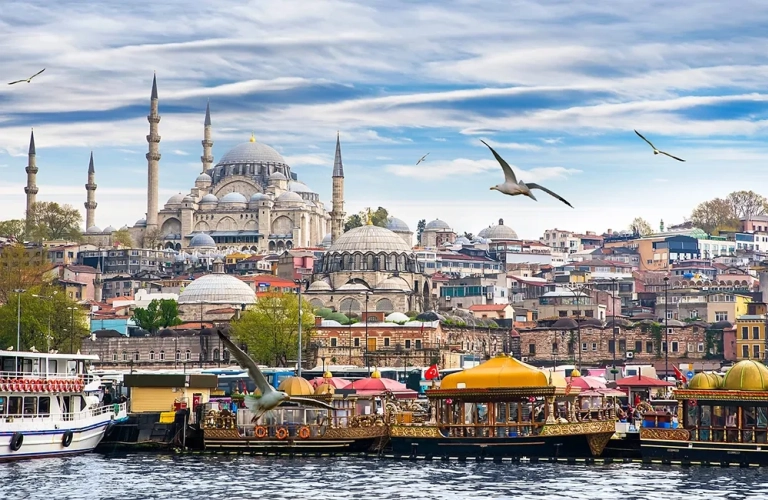
Is Istanbul in Europe or Asia? This is one of the most frequently asked questions by travelers planning a visit to Turkey’s cultural capital—and for good reason. Istanbul is one of the very few cities in the world that truly belongs to two continents, making it a living bridge between civilizations, cultures, and histories. Understanding where Istanbul sits geographically will not only satisfy curiosity, but also help you plan smarter itineraries, choose neighborhoods, and experience both sides of the city to the fullest.
Within the first moments of your trip, you’ll feel this dual identity—minarets and modern towers, Byzantine relics and Ottoman palaces, European boulevards and Asian seaside cafés. If you’re already dreaming of exploring both sides, discover curated Istanbul Tours that seamlessly connect the city’s European and Asian highlights.
In this in-depth guide, we’ll clearly explain is Istanbul in Europe or Asia, break down which districts belong to which continent, and show why this geographical split has shaped Istanbul’s soul for over 2,500 years.
Is Istanbul in Europe or Asia?
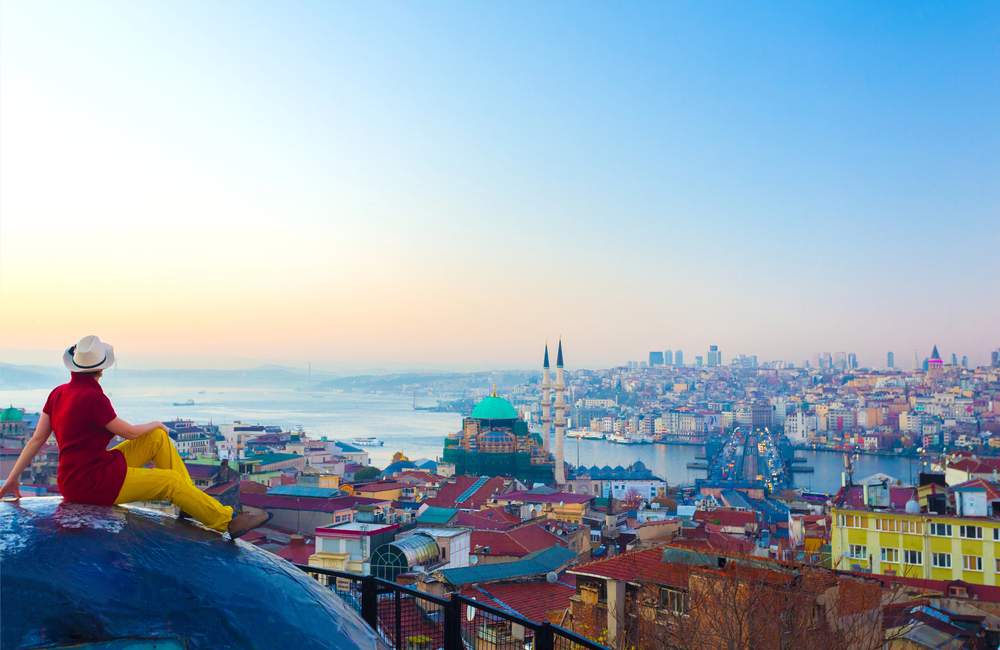
The simple answer is: Istanbul is in both Europe and Asia. The city is divided by the Bosphorus Strait, a narrow natural waterway that separates the European side (west) from the Asian side (east). This unique positioning makes Istanbul the only city in the world officially located on two continents.
-
European side: Roughly 60% of the city’s land area
-
Asian side: Approximately 40% of the city’s land area
-
Bosphorus: The physical and symbolic border between continents
So when people ask is Istanbul Europe or Asia, the most accurate answer is that it is both simultaneously, and this duality defines everything from daily life to architecture and cuisine.
Why Is Istanbul Considered a Two-Continent City?
Geography That Shapes Civilization
Istanbul’s two-continent status is not just a fun fact—it has been the foundation of its global importance for centuries. Sitting between Europe and Asia, the city controls the passage between the Black Sea and the Mediterranean, making it a strategic trade and military hub since ancient times.
The Bosphorus doesn’t just divide land; it connects cultures. For millennia, merchants, armies, and travelers crossed this narrow strait, carrying ideas, religions, and goods across continents.
A City with Two Cultural Personalities
This geographic split has produced two distinct yet interconnected urban characters:
-
European Istanbul: Historic monuments, business districts, nightlife, museums
-
Asian Istanbul: Residential neighborhoods, local markets, coastal promenades
Together, they form a city that feels both familiar and exotic to visitors from around the world.
Which Part of Istanbul Is in Europe?
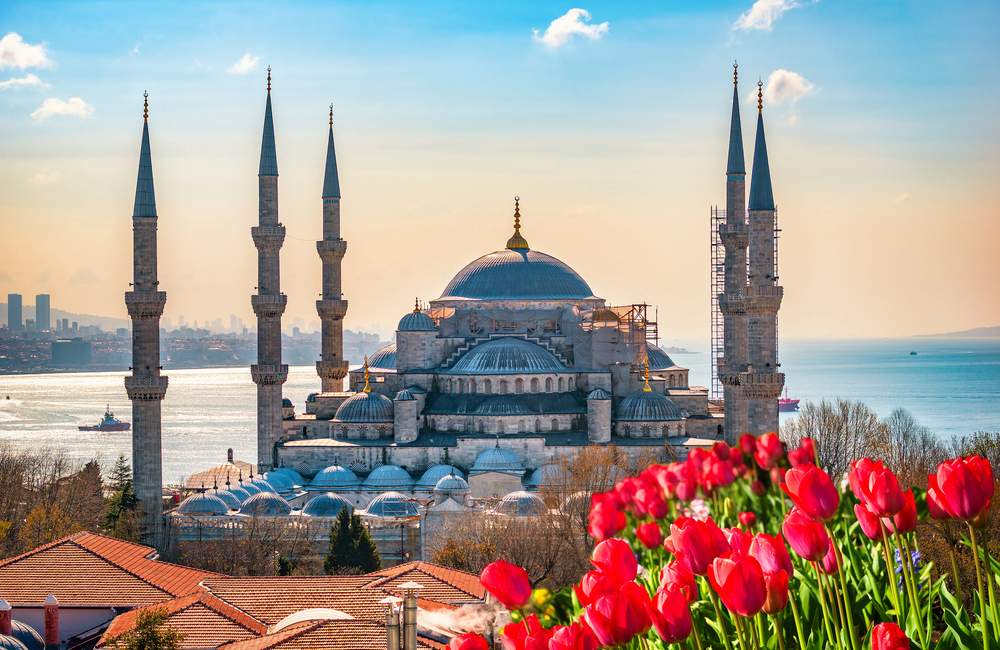
If you’re wondering which part of Istanbul is in Europe, you’ll find that many of the city’s most famous landmarks are located on the European side.
Key European-Side Districts
-
Sultanahmet – Home to iconic monuments
-
Beyoğlu – Arts, dining, nightlife
-
Fatih – Old city walls and bazaars
-
Beşiktaş – Palaces and waterfront
Famous European-Side Landmarks
-
Hagia Sophia
-
Blue Mosque
-
Topkapi Palace
-
Grand Bazaar
Historically, this side was known as Constantinople, serving as the capital of both the Byzantine and Ottoman Empires.
Which Part of Istanbul Is in Asia?
Equally important is understanding which part of Istanbul is in Asia, often referred to as the Anatolian Side.
Major Asian-Side Districts
-
Kadıköy – Youthful, artistic, and food-focused
-
Üsküdar – Mosques and waterfront views
-
Maltepe – Parks and sea promenades
What Makes the Asian Side Special?
-
More local and residential atmosphere
-
Less crowded tourist areas
-
Excellent street food and café culture
-
Stunning views back toward Europe across the Bosphorus
Many travelers are surprised to discover how different the Asian side feels—yet how easy it is to reach within minutes.
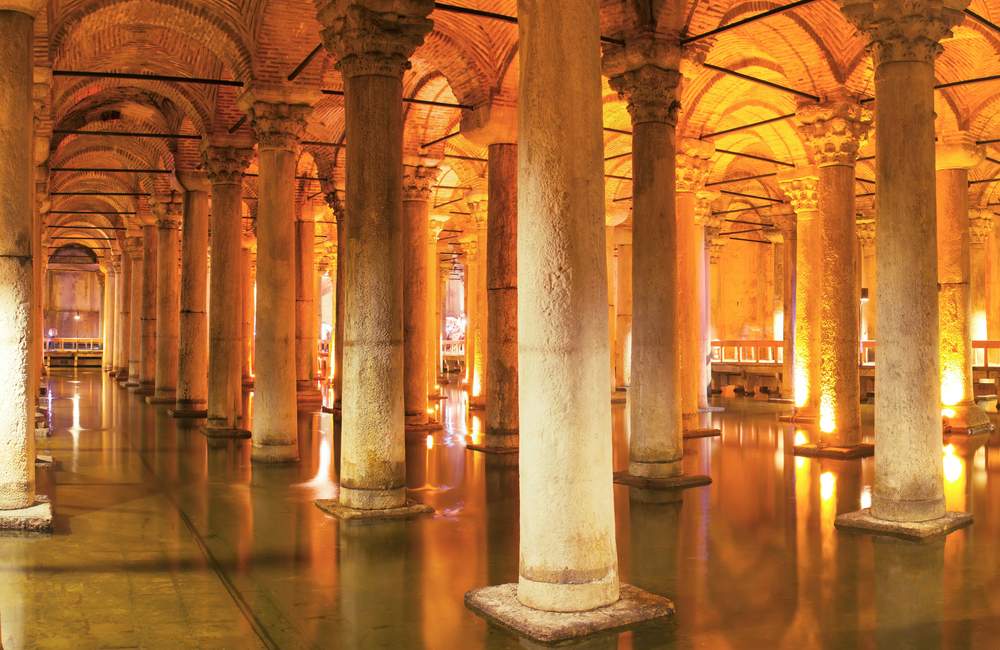
Crossing Continents in Minutes
One of Istanbul’s greatest pleasures is how effortlessly you can move between Europe and Asia.
Transportation Options
-
Ferries: Scenic, affordable, and iconic
-
Metro lines: Fast underwater crossings
-
Bridges: Three major Bosphorus bridges for vehicles
Standing on a ferry deck while crossing the Bosphorus, you can literally travel between continents in under 20 minutes—a rare experience anywhere in the world.
This is why many visitors choose guided Istanbul Tours that include both sides, ensuring you don’t miss the city’s full geographical and cultural spectrum.
Is Istanbul in Europe or Asia Historically?
From Byzantium to Constantinople to Istanbul
Historically, Istanbul’s European side was the heart of empire:
-
Byzantium (7th century BC)
-
Constantinople (Roman & Byzantine eras)
-
Ottoman capital (1453–1922)
While the European side housed imperial power, the Asian side functioned as a supporting region for trade, military logistics, and residential life. This historical division still influences urban development today.
Cultural Differences Between the Two Sides
European Side Culture
-
Faster pace of life
-
Business and tourism 중심
-
Nightlife, events, museums
Asian Side Culture
-
Community-oriented lifestyle
-
Traditional markets and neighborhood cafés
-
Calm seaside evenings
These contrasts answer the deeper question behind is Istanbul in 2 continents: yes, geographically—and culturally.
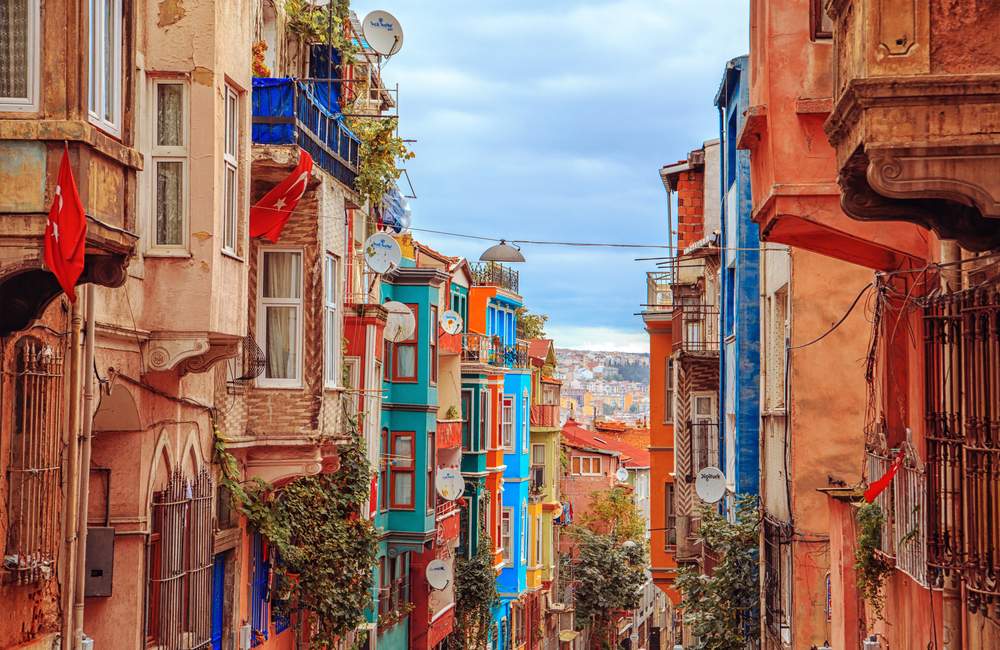
Which Side Should You Stay On?
Stay in Europe If You Want:
-
Close proximity to major landmarks
-
Active nightlife and shopping
-
First-time visitor convenience
Stay in Asia If You Want:
-
Authentic local experiences
-
Quieter neighborhoods
-
Lower accommodation costs
Many travelers split their stay or choose tours that balance both sides for a complete experience.
Why Istanbul’s Two-Continent Identity Matters
Istanbul’s location has shaped:
-
Global trade routes
-
Religious and cultural exchange
-
Architectural diversity
-
Culinary richness
This is not just a city divided by water—it’s a city united by history.
Frequently Asked Questions
Is Istanbul officially in Europe?
Yes, part of Istanbul is officially in Europe, making it the only transcontinental city on the continent.
Is Istanbul in Asia?
Yes, a significant portion of Istanbul lies in Asia, known as the Anatolian Side.
Can you visit both continents in one day?
Absolutely. With ferries and metro lines, you can explore both sides easily in a single day.
Final Thoughts – Is Istanbul in Europe or Asia?
So, is Istanbul in Europe or Asia? The true magic of Istanbul lies in the fact that it doesn’t choose—it embraces both. This rare geographical position has shaped a city unlike any other on Earth.
To experience Istanbul fully, you must walk its European streets, sip tea on its Asian shores, and cross the Bosphorus like millions before you. For a seamless way to explore both continents, discover expertly planned Istanbul Tours and let the city’s two worlds unfold before you.

Erdal Serbest is a travel content writer and tourism professional with a background in Tekirdağ Tourism Vocational High School. He has extensive experience in the hospitality and travel agency sectors, where he worked for several years supporting tour operations and destination marketing.
Throughout his career, he has created travel-focused blog content and contributed to destination promotion projects for various tourism platforms. Today, he focuses on developing engaging, informative, and experience-based content for turkeytravel.com.
He believes that travel is the most authentic way to understand cultures, flavors, and human stories, and he aims to reflect this perspective in every article he writes.