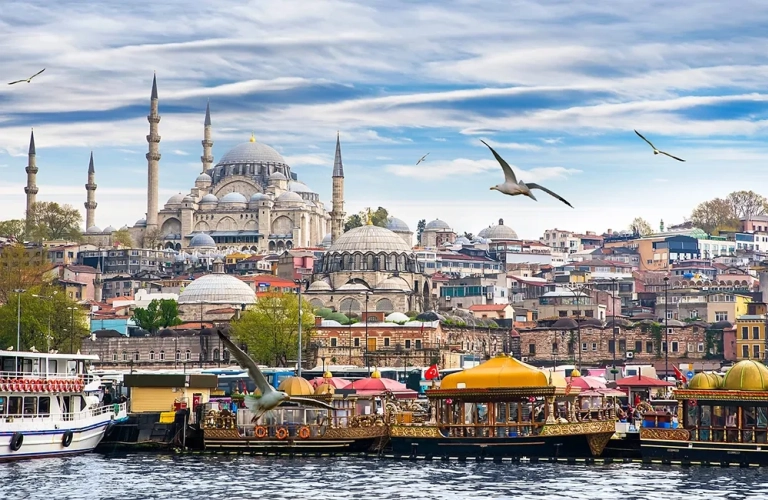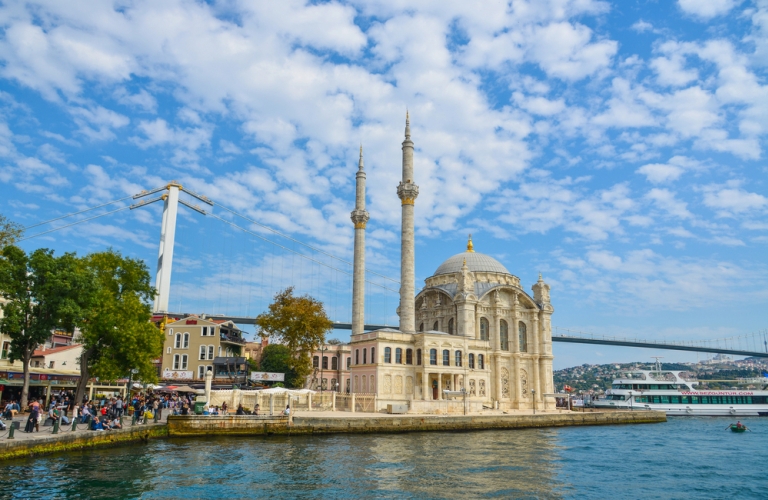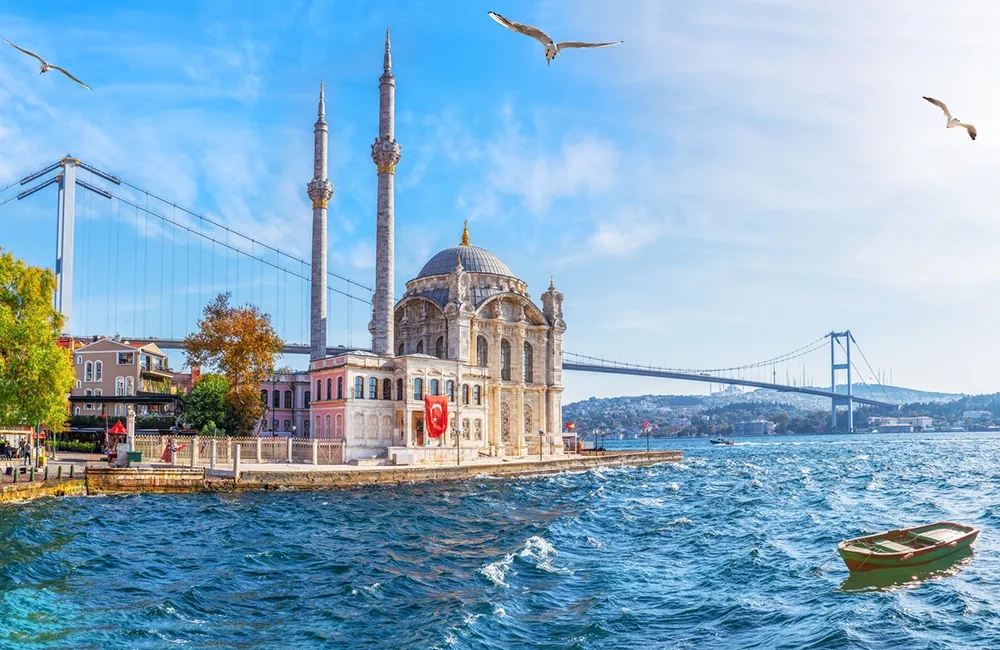
Quick Answer: If you are visiting Istanbul for the first time, prioritize Hagia Sophia, the Blue Mosque, Topkapi Palace, Basilica Cistern, the Grand Bazaar, and a Bosphorus cruise. If you have more time, add Galata Tower, Istiklal Street, Kadıköy, Üsküdar, Dolmabahçe Palace, and Süleymaniye Mosque.
Istanbul can feel overwhelming on a first visit because the city combines historic landmarks, lively neighborhoods, bazaars, waterfront views, and experiences across two continents. The key is knowing which places are essential and how to prioritize your time.
This guide focuses on the must-see attractions and best things to do in Istanbul for first-time visitors, with practical advice to help you decide what to see first.
Istanbul at a Glance for First-Time Visitors
| Experience | Best For | Recommended Time |
|---|---|---|
| Hagia Sophia | History | 1–1.5 hours |
| Blue Mosque | Architecture | 30–60 min |
| Topkapi Palace | Ottoman history | 2–3 hours |
| Basilica Cistern | History & atmosphere | 45–60 min |
| Grand Bazaar | Shopping | 1–2 hours |
| Bosphorus Cruise | Views | 1–2 hours |
| Galata & Karaköy | Neighborhoods & cafés | 2–3 hours |
Istanbul is Turkey's largest city and one of the world's most distinctive urban destinations, stretching across Europe and Asia. Its history includes Roman, Byzantine, and Ottoman periods, and many of its most important landmarks are concentrated around the historic peninsula.
For a first visit, the best approach is to combine historic sights in Sultanahmet, a Bosphorus experience, and time in Istanbul's modern neighborhoods.
Where Should First-Time Visitors Start?
For most visitors, Sultanahmet is the best starting point because several of Istanbul's most important historic attractions are within walking distance of one another.
You can combine:
-
Hagia Sophia
-
Blue Mosque
-
Sultanahmet Square
-
Basilica Cistern
-
Topkapi Palace
-
Grand Bazaar
After exploring the historic center, use a Bosphorus ferry or cruise to experience another side of Istanbul.
The 10 Must-See Things to Do in Istanbul
1. Visit Hagia Sophia
No first-time visit to Istanbul is complete without seeing Hagia Sophia, one of the city's most iconic landmarks.
Originally completed in 537 as a Byzantine cathedral, Hagia Sophia later became an Ottoman mosque and remains one of Istanbul's most important architectural and historical monuments.
What Makes Hagia Sophia Special?
Look for:
-
Its enormous central dome
-
Byzantine mosaics and architectural details
-
Ottoman calligraphy
-
Layers of Roman, Byzantine, and Ottoman history
Because Hagia Sophia is one of Istanbul's most popular attractions, visiting earlier in the day can make the experience more comfortable.
2. See the Blue Mosque and Sultanahmet Square
Located directly opposite Hagia Sophia, the Blue Mosque, also known as Sultan Ahmed Mosque, is one of Istanbul's most recognizable landmarks.
Built between 1609 and 1616, the mosque is famous for its six minarets, Ottoman architecture, and Iznik tile decoration.
The mosque remains an active place of worship, so visitors should dress modestly and be aware of prayer times.
What Should You See Around Sultanahmet Square?
The square connects several major historic attractions, making it one of the most convenient areas for first-time visitors to explore on foot.
3. Explore Topkapi Palace
Just a short walk from Sultanahmet Square, Topkapi Palace was the main residence of Ottoman sultans for nearly four centuries.
The palace complex offers a different perspective on Istanbul's Ottoman history, with courtyards, collections, ceremonial spaces, and views over the Bosphorus.
Highlights of Topkapi Palace
Don't miss:
-
The Imperial Harem
-
The Treasury
-
Sacred relics
-
The palace courtyards
-
Views of the Bosphorus
Allow at least two to three hours if you want to explore the palace without rushing.
4. Go Underground at the Basilica Cistern
The Basilica Cistern is one of Istanbul's most atmospheric historic attractions.
Built in the 6th century during the Byzantine period, this underground water reservoir is known for its columns, dimly lit walkways, and famous Medusa-head column bases.
It is particularly appealing during hot weather because the underground setting offers a cool break from the streets above.
5. Explore the Grand Bazaar and Spice Bazaar
The Grand Bazaar is one of Istanbul's most famous shopping landmarks, with thousands of shops selling carpets, ceramics, jewelry, leather goods, textiles, and handicrafts.
It is easy to get lost among its covered streets and smaller passages, which is part of the experience.
Grand Bazaar Tips for First-Time Visitors
-
Be prepared to negotiate when appropriate.
-
Visit earlier in the day if you prefer fewer crowds.
-
Explore side streets rather than staying only on the main shopping lanes.
-
Take your time before deciding what to buy.
Nearby, the Spice Bazaar offers a different atmosphere, with Turkish delights, spices, teas, dried foods, and other traditional products.
6. Take a Bosphorus Cruise
A Bosphorus cruise is one of the best ways to understand Istanbul's unique geography.
From the water, you can see the European and Asian shores, historic palaces, waterfront mansions, bridges, and neighborhoods along the strait.
Which Bosphorus Cruise Is Best for First-Time Visitors?
Depending on your schedule, you can choose:
-
A short sightseeing cruise
-
A sunset cruise
-
A dinner cruise
-
A longer Bosphorus excursion
For a first visit, a short sightseeing cruise is often enough to experience the waterfront without taking too much time away from the city's main attractions.
7. Visit Galata Tower and Explore Karaköy
Galata Tower provides one of Istanbul's classic panoramic views, including the Golden Horn, Bosphorus, and historic peninsula.
After visiting the tower, continue through Galata and Karaköy, where historic streets meet cafés, restaurants, galleries, and independent shops.
This area provides a useful contrast to the historic atmosphere of Sultanahmet.
8. Walk Istiklal Street and Explore Beyoğlu
For a more modern side of Istanbul, walk along Istiklal Street, one of the city's best-known pedestrian avenues.
Along the way, you'll find:
-
Cafés and restaurants
-
Historic buildings
-
Shops
-
Art galleries
-
Street musicians
-
The historic red tram
Nearby Taksim Square is another major urban landmark and an important meeting point in modern Istanbul.
9. Cross to the Asian Side: Kadıköy and Üsküdar
One of the simplest ways to experience Istanbul's two-continent character is to take a ferry from the European side to Kadıköy or Üsküdar.
What to Do in Kadıköy
Kadıköy is known for:
-
Local markets
-
Cafés and restaurants
-
Street food
-
The Moda waterfront
-
A lively neighborhood atmosphere
What to Do in Üsküdar
Üsküdar offers:
-
Bosphorus waterfront views
-
Maiden's Tower views
-
Mihrimah Sultan Mosque
-
A quieter atmosphere than many central European-side areas
The ferry ride itself is part of the experience and offers excellent views of Istanbul from the water.
10. Visit Dolmabahçe Palace and Süleymaniye Mosque
If you have additional time after exploring Sultanahmet, two worthwhile additions are Dolmabahçe Palace and Süleymaniye Mosque.
Dolmabahçe Palace stands along the European shore of the Bosphorus and is known for its European-influenced architecture, elaborate interiors, chandeliers, and ceremonial spaces.
Süleymaniye Mosque, designed by the Ottoman architect Mimar Sinan, offers a more serene experience and impressive views over the Golden Horn.
Best Things to Do in Istanbul by Experience
Istanbul offers different experiences depending on what interests you most. If your time is limited, use these priorities to decide what to add after the essential sights.
Best for History
Prioritize:
-
Hagia Sophia
-
Blue Mosque
-
Topkapi Palace
-
Basilica Cistern
-
Grand Bazaar
Best for Istanbul Views
Prioritize:
-
Bosphorus cruise
-
Galata Tower
-
Süleymaniye Mosque
-
Asian-side waterfront
Best for Shopping
Prioritize:
-
Grand Bazaar
-
Spice Bazaar
-
Istiklal Street
-
Kadıköy Market
Best for Local Atmosphere
Prioritize:
-
Kadıköy
-
Karaköy
-
Galata
-
Üsküdar
-
Moda
Best for Food
Try local favorites such as:
-
Simit
-
Balık ekmek
-
Döner kebab
-
Meze
-
Lahmacun
-
Pide
-
Baklava
-
Turkish coffee
-
Lokum
A rooftop restaurant with views of the Bosphorus can also be a memorable way to experience Istanbul's food scene.
What to Do in Istanbul Based on Your Time
The number of days you have will determine how much of Istanbul you can comfortably experience.
If You Have 1 Day in Istanbul
Focus on the historic center:
-
Hagia Sophia
-
Blue Mosque
-
Basilica Cistern
-
Topkapi Palace
-
Grand Bazaar
If time allows, finish the day with a Bosphorus experience.
If You Have 2 Days in Istanbul
Add:
-
Galata Tower
-
Karaköy
-
Istiklal Street
-
Taksim
-
Bosphorus cruise
If You Have 3 Days or More
You can explore beyond the main tourist sights and add:
-
Kadıköy
-
Üsküdar
-
Dolmabahçe Palace
-
Süleymaniye Mosque
-
Additional neighborhoods or a day trip
For a more detailed trip-planning approach, see our Istanbul Travel Guide and How Many Days Do You Need in Istanbul? guides.
Essential Istanbul Tips for First-Time Visitors
A few practical decisions can make your first visit much easier.
Visit Major Attractions Early
Popular landmarks can become crowded, especially during peak travel periods. Starting early can make sightseeing more comfortable.
Use Public Transportation
The Istanbulkart can be useful for using Istanbul's public transportation system.
Ferries are particularly worthwhile because they are both practical and scenic.
Dress Appropriately at Mosques
When visiting active mosques, dress modestly and follow the visitor rules in place. Prayer times may also affect visiting access.
Carry Some Cash
Cards are widely accepted in Istanbul, but carrying some Turkish lira can still be useful for smaller purchases and certain local businesses.
Best Areas to Stay in Istanbul for First-Time Visitors
Choosing the right neighborhood can make sightseeing easier.
Sultanahmet
Best for first-time visitors who want to stay close to the major historic attractions.
Taksim and Beyoğlu
A good choice for visitors interested in restaurants, nightlife, shopping, and a lively urban atmosphere.
Karaköy
A central area with cafés, restaurants, waterfront access, and easy connections to both historic and modern Istanbul.
Kadıköy
A good option for travelers who prefer a more local neighborhood atmosphere and want to experience Istanbul's Asian side.
Optional Day Trips from Istanbul
If you are staying in Istanbul for several days, you can consider a day trip outside the city.
Princes' Islands
Büyükada and the other Princes' Islands offer a slower-paced escape from central Istanbul.
Bursa
Bursa combines Ottoman heritage, historic sites, and access to nature.
Şile and Ağva
These Black Sea destinations are options for travelers looking for coastal scenery and a break from the city.
Day trips should be considered after you have allowed enough time for Istanbul itself.
Frequently Asked Questions About Istanbul for First-Time Visitors
What are the must-see attractions in Istanbul for first-time visitors?
The essential sights include Hagia Sophia, the Blue Mosque, Topkapi Palace, Basilica Cistern, the Grand Bazaar, and the Bosphorus.
How many days do you need in Istanbul for a first visit?
Two to three days gives most first-time visitors enough time to see the major highlights without having to rush through every attraction.
What is the best area to stay in Istanbul for first-time visitors?
Sultanahmet is particularly convenient for visitors who want to be close to Istanbul's major historic attractions. Taksim, Beyoğlu, Karaköy, and Kadıköy offer different experiences depending on your interests.
Is the Asian side of Istanbul worth visiting?
Yes. Kadıköy and Üsküdar offer a different atmosphere from the historic European side, and reaching them by ferry is itself an enjoyable Istanbul experience.
Is a Bosphorus cruise worth it?
Yes. A Bosphorus cruise provides a different perspective of Istanbul and allows first-time visitors to see both the European and Asian shores from the water.
Final Thoughts
For a first visit to Istanbul, don't try to see everything at once. Start with the city's essential historic landmarks, add a Bosphorus experience, and then explore the neighborhoods that match your interests.
If you have limited time, prioritize Hagia Sophia, the Blue Mosque, Topkapi Palace, Basilica Cistern, the Grand Bazaar, and the Bosphorus. With two or three days, you can add Galata, Beyoğlu, the Asian side, Dolmabahçe, and other neighborhoods.
Istanbul is best experienced as a combination of history, culture, food, neighborhoods, and life along the Bosphorus rather than simply as a checklist of attractions.
For travelers who prefer to explore Istanbul with a local guide, see our Istanbul Tour Packages.

Erdal Serbest is a travel content writer and tourism professional with a background in Tekirdağ Tourism Vocational High School. He has extensive experience in the hospitality and travel agency sectors, where he worked for several years supporting tour operations and destination marketing.
Throughout his career, he has created travel-focused blog content and contributed to destination promotion projects for various tourism platforms. Today, he focuses on developing engaging, informative, and experience-based content for turkeytravel.com.
He believes that travel is the most authentic way to understand cultures, flavors, and human stories, and he aims to reflect this perspective in every article he writes.