What to Eat in Istanbul: 20 Must-Try Local Foods and Dishes
Wondering what to eat in Istanbul? The city is one of the best places in Turkey to discover the country's diverse food culture. From sesame-covered simit and freshly prepared fish sandwiches to traditional kebabs, Turkish breakfast and famous desserts, Istanbul offers something for every taste.
Istanbul's cuisine reflects centuries of cultural exchange and culinary traditions. Its location between Europe and Asia has brought together influences from Anatolia, the Black Sea, the Aegean and the former Ottoman lands.
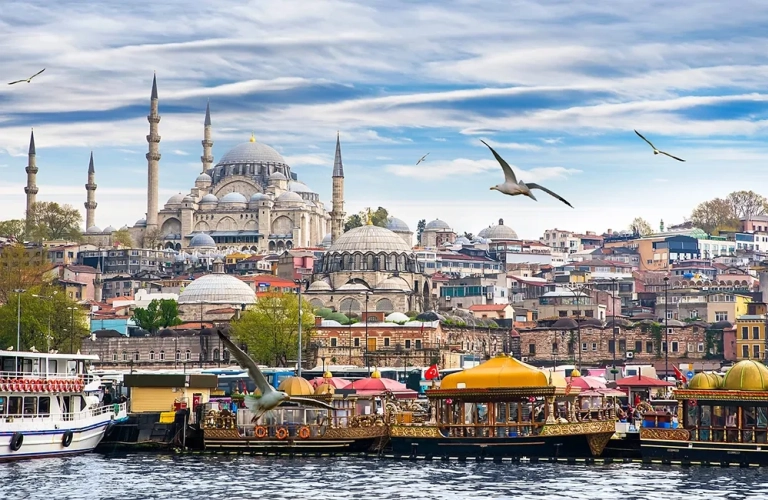
Whether you are exploring the historic streets of Sultanahmet, walking through Kadıköy Market or enjoying the waterfront in Karaköy, food is an essential part of experiencing the city.
This guide introduces 20 Turkish foods and drinks worth trying in Istanbul, explains where to discover them and shares practical tips for enjoying local cuisine.
What Food Is Istanbul Famous For?
Istanbul is particularly well known for its street food, seafood, traditional breakfast, kebabs, meze and desserts.
Some of the city's most recognizable foods include:
-
Simit
-
Balık ekmek
-
Döner kebab
-
Kokoreç
-
Lahmacun
-
Turkish breakfast
-
Menemen
-
Baklava
-
Künefe
-
Turkish delight
Not all these dishes originated in Istanbul. Many are traditional foods from different parts of Turkey that have become popular throughout the city. What makes Istanbul special is the variety of regional flavors available in one place.
20 Must-Try Foods in Istanbul
1. Simit – Traditional Turkish Sesame Bread
Simit is one of Istanbul's most recognizable street foods. It is a circular bread covered with sesame seeds, with a crisp exterior and a soft interior.
You will often see simit vendors near ferry terminals, squares, markets and busy streets.
Locals commonly enjoy simit with Turkish tea, cheese or olives. It makes a convenient breakfast or snack while exploring the city.
Where to try it: Eminönü, Kadıköy, ferry terminals and traditional bakeries.
2. Balık Ekmek – Turkish Fish Sandwich
Balık ekmek is a fish sandwich associated with Istanbul's waterfront food culture.
It is traditionally prepared with grilled fish, often mackerel, served inside bread with onions, lettuce and other simple accompaniments.
Eminönü is one of the best-known places to encounter this dish. Eating a fish sandwich near the Golden Horn or Bosphorus is a memorable Istanbul experience.
Where to try it: Eminönü waterfront and fish restaurants around the city.
3. Döner Kebab – A Turkish Classic
Döner is one of Turkey's most famous dishes. It consists of seasoned meat cooked on a vertical rotating spit and thinly sliced for serving.
In Istanbul, you can find döner served in bread, wrapped in flatbread or presented on a plate with rice and accompaniments.
There are many variations, depending on the meat, seasoning and preparation style.
Where to try it: Traditional döner restaurants in Beyoğlu, Fatih, Beşiktaş and Kadıköy.
4. Kokoreç – A Popular Late-Night Street Food
Kokoreç is made from seasoned lamb or sheep intestines, wrapped around skewers, grilled and finely chopped.
It is usually mixed with herbs and spices and served in bread.
Kokoreç has a distinctive flavor and is particularly popular among locals as a late-night snack. It may not appeal to everyone, but adventurous food lovers may want to try it.
Where to try it: Traditional kokoreç shops in central Istanbul neighborhoods.
5. Lahmacun – Thin Turkish Flatbread
Lahmacun is a thin, round flatbread topped with a mixture of minced meat, vegetables, herbs and spices.
It is usually served with parsley, lemon and sometimes fresh vegetables. Many people roll it before eating.
Although it is sometimes described as Turkish pizza, its preparation and flavor are quite different.
Where to try it: Traditional Turkish restaurants and neighborhood eateries.
6. Pide – Turkish Boat-Shaped Flatbread
Pide is a baked flatbread that comes in different shapes and varieties. It is commonly topped with cheese, minced meat, sausage or other ingredients.
Some versions are shaped like a boat, with a folded or open edge.
It is a satisfying meal for lunch or dinner and is often shared.
Where to try it: Traditional pide restaurants and local bakeries.
7. Adana Kebab – Spicy Grilled Minced Meat
Adana kebab is a famous regional dish originating from Adana in southern Turkey.
It is prepared with seasoned minced meat shaped around a wide metal skewer and grilled over charcoal. It is typically served with flatbread, vegetables and other accompaniments.
Although it is not originally an Istanbul dish, many restaurants in the city serve it.
Where to try it: Traditional kebab restaurants throughout Istanbul.
8. İskender Kebab – Döner with Tomato Sauce and Yogurt
İskender kebab is a well-known Turkish dish associated with Bursa.
Thin slices of döner meat are served over pieces of bread, topped with tomato sauce and melted butter, usually accompanied by yogurt.
It is a rich and filling meal, particularly popular with visitors who enjoy traditional Turkish meat dishes.
Where to try it: Restaurants specializing in İskender and regional Turkish cuisine.
9. Mantı – Turkish Dumplings
Mantı consists of small dough parcels filled with seasoned minced meat.
They are usually served with garlic yogurt and a sauce made with butter and spices, often including red pepper.
This comforting dish is especially popular among travelers who enjoy handmade traditional food.
Where to try it: Traditional Turkish restaurants and restaurants specializing in homemade dishes.
10. Kuru Fasulye – Turkish White Bean Stew
Kuru fasulye is a traditional Turkish dish made with white beans cooked in a tomato-based sauce, sometimes with meat.
It is usually served with rice or bread and is a popular everyday meal.
For a simple taste of home-style Turkish cooking, look for a traditional lokanta.
Where to try it: Local lokantas and traditional restaurants, including those around Fatih.
What to Eat for Breakfast in Istanbul
Turkish breakfast, known as kahvaltı, is one of the most enjoyable food experiences in the country.
Rather than a single dish, it is usually a table filled with several small plates and fresh ingredients.
11. Traditional Turkish Breakfast
A traditional Turkish breakfast may include:
-
White cheese and other local cheeses
-
Black and green olives
-
Tomatoes and cucumbers
-
Fresh bread
-
Honey and kaymak
-
Homemade jams
-
Eggs
-
Turkish tea
The exact selection varies by restaurant and region.
In Istanbul, breakfast is often enjoyed slowly with family or friends, particularly on weekends.
Where to try it: Beşiktaş, Karaköy, Kadıköy, Ortaköy and traditional breakfast cafés.
12. Menemen – Eggs with Tomatoes and Peppers
Menemen is a popular Turkish breakfast dish prepared with eggs, tomatoes, green peppers and olive oil or butter.
Some versions include cheese or sucuk, a traditional Turkish sausage.
It is usually served with fresh bread, making it ideal for dipping into the warm mixture.
Where to try it: Traditional breakfast restaurants and neighborhood cafés.
13. Börek – Savory Turkish Pastry
Börek is a family of savory pastries made with thin layers of dough, often filled with cheese, minced meat, spinach or potatoes.
Different types are available throughout Turkey. In Istanbul, you can find them in bakeries, pastry shops and traditional breakfast places.
Su böreği, a layered pastry with a soft texture, is especially popular.
Where to try it: Traditional börek shops and local bakeries.
Must-Try Turkish Desserts in Istanbul
Turkish desserts are an important part of the country's culinary culture. Istanbul offers everything from syrup-soaked pastries to milk-based sweets and traditional confectionery.
14. Baklava – Layers of Pastry and Pistachio
Baklava is one of Turkey's most famous desserts.
It is made with thin layers of pastry filled with nuts, usually pistachios or walnuts, and sweetened with syrup.
Pistachio baklava is particularly popular. Enjoy it with Turkish tea or a cup of Turkish coffee.
Where to try it: Traditional baklava shops and pastry specialists.
15. Künefe – Warm Cheese Dessert
Künefe is a dessert made with shredded pastry and a soft cheese filling. It is baked until golden and soaked in sweet syrup.
It is generally served warm, sometimes with pistachios or clotted cream.
The combination of crisp pastry, melted cheese and syrup creates a distinctive sweet-and-savory flavor.
Where to try it: Traditional dessert shops and restaurants specializing in southeastern Turkish cuisine.
16. Turkish Delight – Lokum
Lokum, internationally known as Turkish delight, is a traditional confectionery made from sugar and starch.
It comes in many varieties, including rose, pistachio, lemon and pomegranate flavors. Some types contain nuts or other fillings.
Lokum is also a popular gift for visitors.
Where to try it: Historic confectionery shops, the Spice Bazaar and traditional sweet shops.
17. Sütlaç – Turkish Rice Pudding
Sütlaç is a traditional rice pudding made with milk, rice and sugar.
One popular version, fırın sütlaç, is baked to create a lightly caramelized surface.
It is a simple and comforting dessert, especially for those who prefer something less rich than syrup-based sweets.
Where to try it: Traditional Turkish restaurants and dessert shops.
Turkish Drinks You Should Try in Istanbul
Food is only part of the experience. Traditional Turkish drinks are equally important to the city's dining culture.
18. Turkish Tea – Çay
Turkish tea is served throughout the day in small, tulip-shaped glasses.
It is commonly enjoyed with breakfast, after meals and during conversations with friends.
You will find it in traditional tea gardens, cafés, restaurants and many shops.
19. Turkish Coffee – Türk Kahvesi
Turkish coffee is prepared by simmering finely ground coffee with water, traditionally in a small pot called a cezve.
It is served unfiltered in a small cup, allowing the coffee grounds to settle at the bottom.
It is often enjoyed after a meal with a small sweet.
20. Ayran – Traditional Yogurt Drink
Ayran is a refreshing drink made from yogurt, water and salt.
It is commonly served with kebabs, döner, pide and other savory dishes.
Its cool, slightly salty taste makes it a popular accompaniment to Turkish food.
Where to Eat in Istanbul: Best Areas for Local Food
Knowing what to eat is only half the experience. Choosing the right neighborhood can help you discover different sides of Istanbul's food culture.
Eminönü – Fish Sandwiches and Traditional Snacks
Eminönü is one of the city's busiest food areas, located near the Golden Horn and the Spice Bazaar.
It is especially associated with balık ekmek, traditional bakeries, snack shops and local eateries.
It is a convenient stop when exploring the historic peninsula.
Kadıköy – Markets, Restaurants and Street Food
Kadıköy is one of the best neighborhoods for discovering Istanbul's everyday food culture.
Its market area has shops selling cheese, olives, spices, seafood, sweets and other local products.
You can also find traditional restaurants, bakeries, cafés and casual dining spots throughout the neighborhood.
Karaköy – Cafés and Modern Food Culture
Karaköy combines historic architecture with a lively food scene.
The area has cafés, bakeries, restaurants and modern interpretations of Turkish cuisine.
It is a good place to enjoy breakfast, coffee or a relaxed meal while exploring the waterfront.
Beşiktaş – Breakfast and Local Restaurants
Beşiktaş is known for its lively neighborhood atmosphere and food options.
It is particularly popular for breakfast restaurants, casual eateries and traditional Turkish meals.
Sultanahmet – Dining Near Historic Landmarks
Sultanahmet has many restaurants serving Turkish dishes and international cuisine.
It is convenient for visitors exploring Hagia Sophia, the Blue Mosque and Topkapi Palace.
As with any busy tourist area, compare menus and prices before choosing a restaurant.
Ortaköy – Waterfront Dining and Street Snacks
Ortaköy is famous for its Bosphorus views and lively waterfront.
The neighborhood is associated with kumpir, a large baked potato filled with a variety of toppings.
It is also a pleasant place to enjoy a walk and a view of the Bosphorus Bridge.
What Is a Lokanta in Istanbul?
A lokanta is a traditional Turkish restaurant, often serving home-style dishes prepared in advance.
Many lokantas display their daily selection, allowing customers to choose from a variety of cooked meals.
Typical options may include:
-
Soups
-
Bean and vegetable dishes
-
Rice and bulgur pilaf
-
Stews
-
Meat and chicken dishes
-
Seasonal vegetables
Lokantas are a useful way to discover everyday Turkish cooking rather than focusing only on internationally famous dishes.
What Is a Meyhane?
A meyhane is a traditional Turkish dining establishment associated with meze, conversation and long meals.
Meze are small dishes served before or alongside the main meal. They may include:
-
Haydari, a thick yogurt and herb dip
-
Hummus
-
Eggplant dishes
-
Stuffed vine leaves
-
Seasonal vegetables
-
Seafood preparations
Meyhanes often serve seafood and alcoholic drinks, including rakı. You can enjoy the meze culture without assuming that every establishment or meal follows the same menu.
A One-Day Food Itinerary in Istanbul
If you have only one day to explore Istanbul's food scene, you can combine several neighborhoods and traditional flavors.
Morning – Turkish Breakfast
Start with a traditional Turkish breakfast in Beşiktaş or Karaköy. Try cheese, olives, eggs, fresh bread, honey and Turkish tea.
Late Morning – Eminönü
Walk through Eminönü and visit the Spice Bazaar. Try a simit or another local snack.
Lunch – Traditional Turkish Food
Choose a lokanta for a home-style meal, or enjoy a kebab, lahmacun or pide at a traditional restaurant.
Afternoon – Turkish Coffee and Dessert
Take a break with Turkish coffee and baklava, lokum or sütlaç.
Evening – Kadıköy or Karaköy
Explore a neighborhood restaurant, try meze or enjoy a casual local meal before finishing the day with a walk along the waterfront.
This itinerary is flexible and can be adjusted according to your location and preferences.
Tips for Enjoying Food in Istanbul
Try Local Restaurants
Do not limit your food experience to restaurants immediately beside major tourist attractions. Explore neighborhood streets and traditional eateries.
Ask About Daily Specials
Many lokantas prepare different dishes each day. Asking what is freshly prepared can lead to an enjoyable meal.
Check Menus and Prices
Restaurant prices vary considerably by neighborhood and establishment. Check the menu before ordering, especially in busy tourist areas.
Be Aware of Ingredients
If you have food allergies, dietary restrictions or avoid certain ingredients, ask restaurant staff about preparation and ingredients. Some dishes may contain nuts, dairy, gluten or meat products.
Explore Beyond Street Food
Street food is an important part of Istanbul's identity, but traditional restaurants, bakeries, markets and breakfast places offer equally interesting experiences.
Enjoy Turkish Tea and Coffee
Tea and coffee are more than drinks in Turkey. They are part of everyday social life and offer a simple way to experience local hospitality.
Frequently Asked Questions About Istanbul Food
What food is Istanbul most famous for?
Istanbul is famous for simit, balık ekmek, döner, Turkish breakfast, kebabs, baklava, Turkish coffee and many other traditional foods.
What should I eat in Istanbul for the first time?
Start with simit, balık ekmek, döner kebab, lahmacun, Turkish breakfast and baklava. These foods offer a good introduction to the city's culinary culture.
Is Istanbul good for street food?
Yes. Istanbul has a varied street food culture, with options such as simit, fish sandwiches, roasted chestnuts, kokoreç and kumpir.
Where can I find traditional Turkish food in Istanbul?
Traditional restaurants and lokantas can be found throughout the city. Eminönü, Fatih, Kadıköy and Beşiktaş are useful areas to explore.
What is a typical Turkish breakfast in Istanbul?
A traditional breakfast may include cheese, olives, tomatoes, cucumbers, eggs, honey, kaymak, fresh bread and Turkish tea.
Is Turkish food spicy?
Some Turkish dishes are spicy, but many are mild. Adana kebab and certain regional dishes can be hot, while simit, pide, mantı and many breakfast foods are generally not particularly spicy.
What desserts should I try in Istanbul?
Baklava, künefe, Turkish delight and sütlaç are excellent choices. You can also discover other traditional sweets in local pastry shops.
Is street food safe to eat in Istanbul?
Street food is a popular part of local life. Choose vendors with good food-handling practices and a steady flow of customers, and make sure hot food is served freshly prepared.
Discover Istanbul Through Its Food
Food is one of the most enjoyable ways to understand Istanbul. Every neighborhood offers a different experience, from fish sandwiches along the waterfront to traditional breakfast tables, historic confectionery shops and lively local markets.
Whether you are trying simit for breakfast, enjoying a traditional kebab for lunch or finishing the day with baklava and Turkish coffee, the city's culinary traditions will become an important part of your visit.
If you are planning to explore Istanbul's historic landmarks and neighborhoods, discover our Istanbul tour packages.
For more inspiration, read our Istanbul Travel Guide and plan your visit to one of Turkey's most fascinating cities.

Erdal Serbest is a travel content writer and tourism professional with a background in Tekirdağ Tourism Vocational High School. He has extensive experience in the hospitality and travel agency sectors, where he worked for several years supporting tour operations and destination marketing.
Throughout his career, he has created travel-focused blog content and contributed to destination promotion projects for various tourism platforms. Today, he focuses on developing engaging, informative, and experience-based content for turkeytravel.com.
He believes that travel is the most authentic way to understand cultures, flavors, and human stories, and he aims to reflect this perspective in every article he writes.