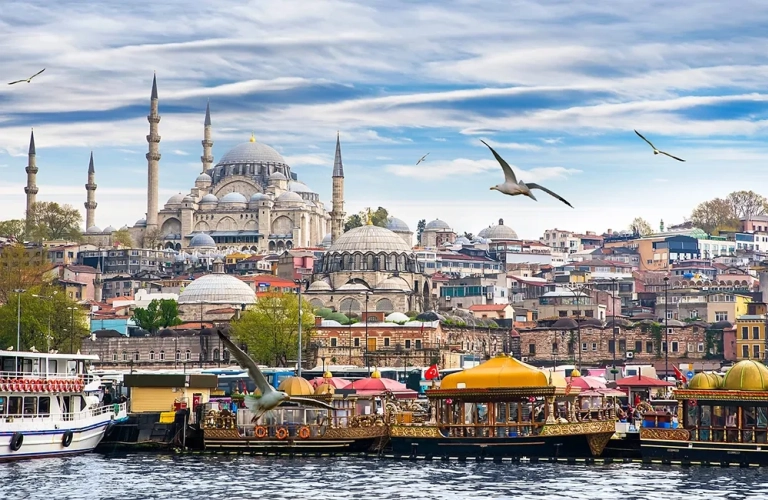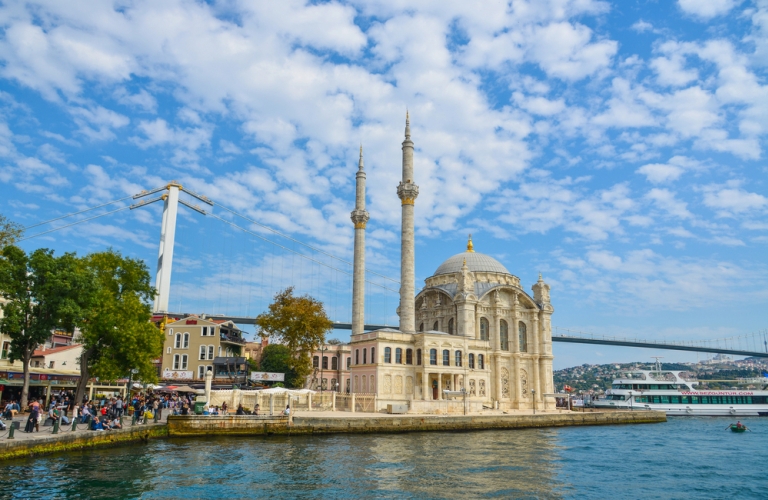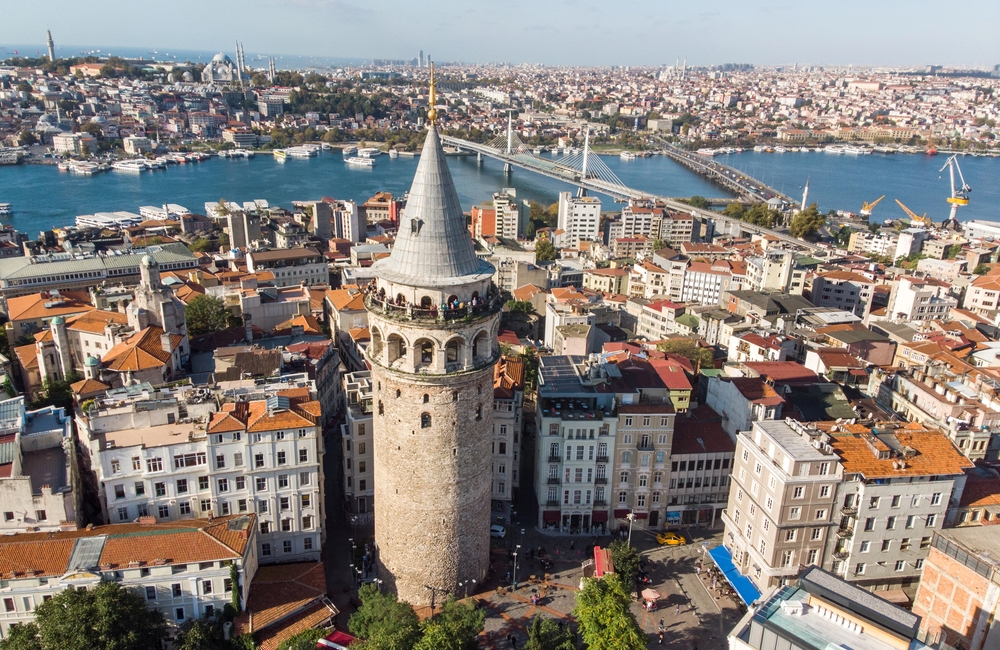
Many travelers visiting Turkey are surprised to learn that Istanbul is not the capital of Turkey. With its grand mosques, imperial palaces, and centuries of global influence, Istanbul feels like the obvious political center of the country. This leads many visitors to ask the same question: Why is Ankara the capital of Turkey instead of Istanbul?
To understand the answer, we need to explore the history of Turkey’s capital city, the fall of the Ottoman Empire, and the vision of Mustafa Kemal Atatürk, the founder of modern Turkey. While Istanbul dominated world history for centuries as an imperial capital, Ankara emerged as the strategic heart of a new republic.
Today, Istanbul remains Turkey’s cultural and economic powerhouse, while Ankara serves as the political center where the government operates. Understanding why Ankara became the capital of Turkey reveals an important chapter in the nation’s transformation from empire to republic.
If you're planning to explore Istanbul’s incredible heritage and understand its historic role in Turkey’s past, consider joining one of the guided Istanbul Tours to experience the city’s imperial landmarks and fascinating stories.

Was Istanbul Ever the Capital of Turkey?
Before discussing why Ankara is the capital of Turkey, it's important to clarify that Istanbul was indeed the capital of several powerful empires.
Istanbul as the Capital of the Byzantine Empire
For over 1,000 years, Istanbul—then known as Constantinople—served as the capital of the Byzantine Empire. Founded by Roman Emperor Constantine in 330 AD, the city became one of the most powerful and wealthy capitals in the world.
Istanbul as the Capital of the Ottoman Empire
After the Ottoman conquest in 1453, Istanbul became the center of the Ottoman Empire. For nearly 500 years, the city ruled vast territories across Europe, Asia, and Africa.
This period shaped the Ottoman capital Istanbul history, leaving behind iconic landmarks such as:
-
Topkapi Palace
-
Hagia Sophia
-
The Blue Mosque
-
Grand Bazaar
Because of this long imperial history, many people assume that Istanbul should naturally remain the capital of modern Turkey.
However, the end of the Ottoman Empire dramatically changed the country's political direction.
When Did Ankara Become the Capital of Turkey?
The answer to when did Ankara become the capital of Turkey lies in the turbulent years following World War I.
The Collapse of the Ottoman Empire
After World War I, the Ottoman Empire was defeated and much of its territory was occupied by Allied forces. Istanbul itself came under foreign control between 1918 and 1923.
This occupation made it clear that Istanbul was vulnerable and politically compromised.
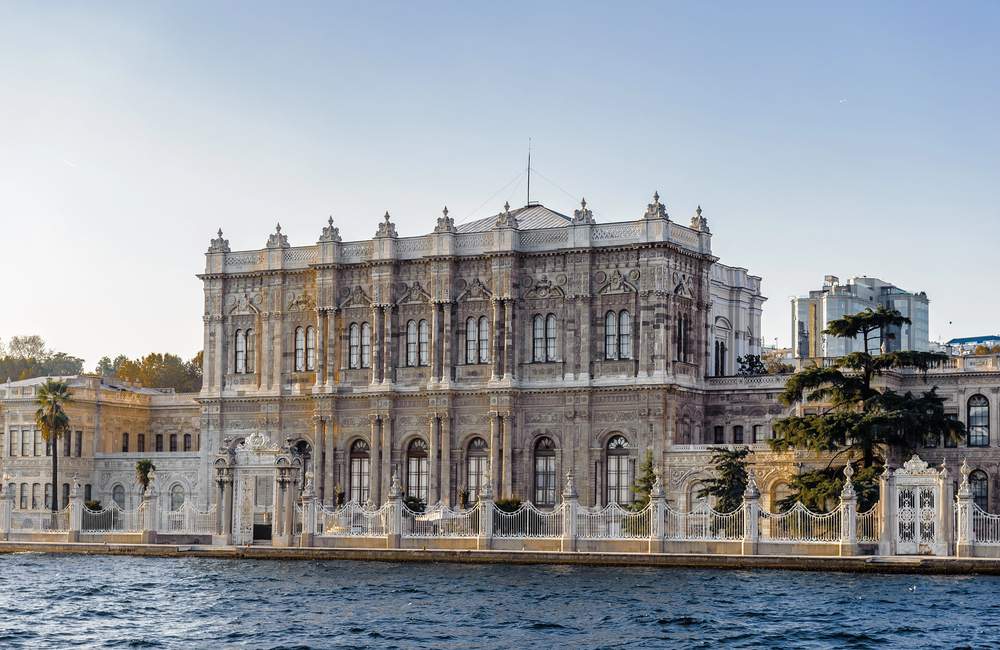
Ankara and the Turkish War of Independence
During the Turkish War of Independence (1919–1923), Mustafa Kemal Atatürk established his nationalist movement in Ankara.
The city became the headquarters of the resistance movement fighting to establish a new independent Turkish state.
Official Declaration of Ankara as Capital
On October 13, 1923, shortly before the proclamation of the Republic of Turkey, Ankara was officially declared the capital.
This decision symbolized a break from the Ottoman past and the beginning of a modern republic.
Why Did Turkey Move the Capital from Istanbul to Ankara?
One of the most searched questions about Turkish history is: Why did Turkey move the capital from Istanbul to Ankara?
There were several important political, geographic, and strategic reasons behind this decision.
Strategic Location in Anatolia
Ankara lies in the center of Anatolia, making it far less vulnerable to foreign invasion compared to coastal Istanbul.
During the independence struggle, this location proved crucial.
This is one of the historical reasons Ankara became the capital of Turkey.
Symbol of a New Republic
Another major reason why Ankara became the capital of Turkey was symbolism.
Istanbul represented the Ottoman monarchy and imperial rule. Atatürk wanted a fresh start for the new republic.
Ankara, a modest Anatolian town at the time, represented:
-
A break from imperial traditions
-
A focus on national unity
-
A vision for modernization
Distance from Foreign Influence
At the end of World War I, Istanbul was under Allied occupation. Establishing the capital there would have been politically complicated.
Choosing Ankara ensured the government could operate independently.
Why Did Atatürk Choose Ankara as Capital?
The question why did Atatürk choose Ankara as capital is central to understanding modern Turkey.
A Strategic Military Headquarters
During the independence movement, Ankara served as the command center for nationalist forces.
It already functioned as the political heart of the resistance.
Centralized Governance
Ankara’s central location made it easier to govern the new republic. It provided access to all regions of Anatolia.
This explains why Ankara is the political capital of Turkey today.
A Vision for a Modern State
Atatürk envisioned Ankara as a modern administrative city built around the principles of secularism and modernization.
Unlike Istanbul's historic imperial architecture, Ankara was planned with modern government institutions, wide boulevards, and administrative buildings.
Ankara vs Istanbul History
The Ankara vs Istanbul history comparison reveals two cities with very different roles.
Istanbul – Cultural and Economic Capital
Today, Istanbul remains:
-
Turkey’s largest city
-
The country's economic powerhouse
-
One of the most visited cities in the world
It attracts millions of visitors each year who come to explore its history, architecture, and vibrant culture.
Travelers who want to fully experience the city's imperial heritage often choose guided Istanbul Tours that cover iconic landmarks and hidden historical sites.

Ankara – Political and Administrative Center
Ankara serves as the headquarters for:
-
The Turkish Parliament
-
Presidential offices
-
Government ministries
-
Foreign embassies
While it may not attract as many tourists as Istanbul, it plays a vital role in governing the country.
Difference Between Ankara and Istanbul
Understanding the difference between Ankara and Istanbul helps clarify why the capital is located where it is today.
Population and Economy
Istanbul is Turkey’s largest city with over 15 million residents, while Ankara has a population of around 5–6 million.
Economically, Istanbul dominates sectors such as finance, trade, and tourism.
Historical Identity
Istanbul represents centuries of imperial power, cultural diversity, and global trade.
Ankara represents the birth of the modern Turkish Republic.
Political Role
In most countries, the capital is chosen for political stability rather than economic dominance.
This explains why Ankara is the capital instead of Istanbul.
Why Isn't Istanbul the Capital of Modern Turkey?
Many travelers still wonder why isn't Istanbul the capital of modern Turkey, despite its size and fame.
The answer combines several factors:
-
Strategic inland location of Ankara
-
Symbolic break from Ottoman imperial rule
-
Atatürk’s modernization vision
-
Political independence during the War of Independence
These elements form the history behind Turkey’s capital moving to Ankara.
Is Istanbul the Former Capital of Turkey?
Yes—Istanbul is the former capital of the Ottoman Empire, which ruled from the 15th century until the early 20th century.
However, the Republic of Turkey intentionally chose a different capital to mark the transition from empire to modern nation-state.
Today the two cities complement each other:
-
Istanbul → cultural and economic center
-
Ankara → political capital
Discover Istanbul's Imperial Past
Even though Ankara is the capital today, Istanbul remains one of the most fascinating historical cities in the world.
Visitors can explore centuries of history through:
-
Byzantine churches
-
Ottoman palaces
-
Ancient city walls
-
Bustling bazaars
If you want to truly understand why Istanbul once ruled empires, exploring the city with expert guides can bring its stories to life.
Join one of the curated Istanbul Tours and experience the landmarks that shaped world history.
Conclusion
So, why is Ankara the capital of Turkey instead of Istanbul?
The decision was not about which city was larger, richer, or more famous. It was about shaping the identity of a new nation.
After the collapse of the Ottoman Empire, Mustafa Kemal Atatürk chose Ankara because it was strategically located, politically secure, and symbolically disconnected from imperial rule.
While Istanbul dominated the past as an imperial capital, Ankara represents the birth of modern Turkey.
Today, both cities play essential roles in the country’s identity. Ankara governs the nation, while Istanbul preserves its extraordinary history and cultural heritage.
If you're planning a trip to Turkey, exploring Istanbul is an unforgettable experience that reveals the layers of empire, culture, and transformation that shaped the country.
Discover the story yourself through immersive Istanbul Tours designed to showcase the city's most iconic and historic sites.

Erdal Serbest is a travel content writer and tourism professional with a background in Tekirdağ Tourism Vocational High School. He has extensive experience in the hospitality and travel agency sectors, where he worked for several years supporting tour operations and destination marketing.
Throughout his career, he has created travel-focused blog content and contributed to destination promotion projects for various tourism platforms. Today, he focuses on developing engaging, informative, and experience-based content for turkeytravel.com.
He believes that travel is the most authentic way to understand cultures, flavors, and human stories, and he aims to reflect this perspective in every article he writes.