Quick Answer: What Are the Best Things to Do in Pamukkale?
The best things to do in Pamukkale include:
-
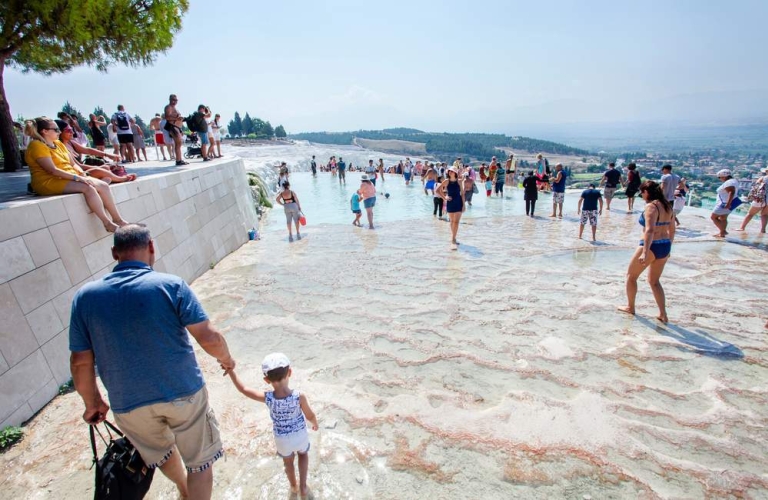
Walk across the white travertine terraces and enjoy the thermal pools
-
Explore the ancient city of Hierapolis and its Roman monuments
-
Visit the Roman Theatre for views across the ancient city
-
See the Necropolis, one of the largest ancient cemeteries in Anatolia
-
Visit the Temple of Apollo and the Plutonium area
-
Swim in Cleopatra's Antique Pool if it is open during your visit
-
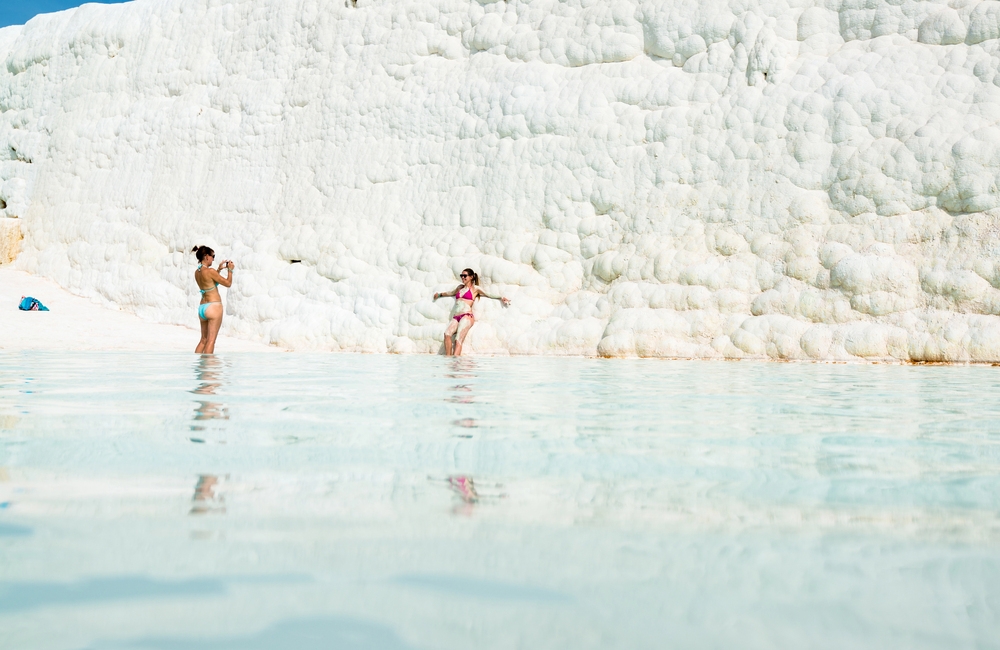
Enjoy the views and take photographs from the travertine terraces
-
Join a guided Pamukkale tour to combine the main attractions with convenient transportation
-
Combine Pamukkale with Ephesus if you have a full day or longer
For most visitors, a full day is enough to see Pamukkale and the main sights of Hierapolis. An overnight stay is a good option if you prefer a slower pace or want to explore the surrounding area.
Pamukkale at a Glance
| Experience | Top Places / Activities | Time Needed | Best For |
|---|---|---|---|
| Travertine Terraces | White pools, thermal water and panoramic views | 1–2 hours | First-time visitors & photographers |
| Hierapolis | Ancient streets, Theatre, Temple of Apollo | 2–3 hours | History & archaeology |
| Necropolis | Ancient tombs and monumental cemetery | 30–60 minutes | Ancient history |
| Cleopatra's Pool | Thermal swimming among ancient remains | 1–2 hours | Relaxation & unique experiences |
| Pamukkale Tours | Guided, private and combined tours | Half day–full day | Convenient sightseeing |
| Pamukkale + Ephesus | Two major archaeological destinations | Full day–2 days | Travelers with limited time |
| Sunset & Photography | Travertines and surrounding landscape | 1–2 hours | Photography & couples |
Why Visit Pamukkale?
Pamukkale is unusual because natural thermal formations and ancient ruins can be experienced in the same destination.
The white travertine terraces were formed by mineral-rich thermal waters flowing over the hillside, creating the distinctive landscape that gives Pamukkale its name.
Above the terraces lies Hierapolis, an ancient city that developed around the thermal springs and became an important religious and spa center during antiquity.
Pamukkale is particularly rewarding for travelers interested in:
-
Natural landscapes
-
Ancient Greek and Roman history
-
Archaeology
-
Photography
-
Thermal experiences
-
Cultural travel
Pamukkale and Hierapolis together form a UNESCO World Heritage Site, recognizing both their natural and cultural significance.
Top Things to Do in Pamukkale
Walk on the White Travertine Terraces
The white travertine terraces are Pamukkale's defining attraction.
Visitors can walk barefoot along designated sections of the travertines, where permitted, while enjoying views of the thermal pools and surrounding countryside.
Helpful Tips
-
Follow all visitor regulations and stay within designated areas
-
Walk carefully because the surface can be slippery
-
Bring sunglasses because the white surface can be very bright
-
Visit earlier in the day during hot weather
-
Bring water and sun protection
Explore the Ancient City of Hierapolis
Located above the travertines, Hierapolis is one of the most important ancient sites in the area.
The city developed around the thermal springs and contains numerous Roman and earlier remains.
Must-See Highlights
-
Roman Theatre – an impressive ancient theatre with views across the site
-
Temple of Apollo – an important religious complex
-
Necropolis – an extensive ancient cemetery
-
Frontinus Gate – one of the monumental entrances to the city
-
Ancient streets and public buildings – remnants of Hierapolis' urban landscape
Visit the Roman Theatre
The Roman Theatre of Hierapolis is one of the site's most impressive monuments.
Its preserved architectural details and elevated position make it an important stop for visitors exploring the ancient city.
Explore the Necropolis
The Necropolis of Hierapolis extends for a considerable distance outside the main urban area.
It contains a variety of ancient tombs and funerary monuments, offering insight into burial practices and the importance of Hierapolis as an ancient settlement.
Swim in Cleopatra's Antique Pool
Cleopatra's Antique Pool, also known as the Antique Pool, is a thermal swimming pool located within the archaeological area.
The pool is known for its warm mineral-rich water and ancient architectural remains, including submerged columns.
Availability and entrance conditions can vary, so check the current information before planning your visit.
Enjoy Pamukkale's Views and Photography
The contrast between the white travertines, blue thermal pools, and surrounding landscape makes Pamukkale one of Turkey's most distinctive photography destinations.
Early morning and later afternoon can provide softer light and more comfortable conditions for exploring.
Best Pamukkale Tours in 2026
A guided tour can be particularly convenient if you want to combine Pamukkale with Hierapolis or another nearby destination.
Pamukkale Day Tours
Pamukkale day tours are suitable for travelers with limited time.
Depending on the itinerary, a tour may include:
-
Hotel pickup and drop-off
-
Professional licensed guide
-
Transportation
-
Visit to Pamukkale's travertines
-
Exploration of Hierapolis
-
Entrance tickets and meals, depending on the tour
Always check the specific tour inclusions before booking.
Pamukkale and Hierapolis Guided Tours
A guided tour is a good choice for travelers who want to understand the history behind the ruins rather than simply walk through the archaeological site.
A professional guide can explain the development of Hierapolis, its thermal springs, religious importance, and Roman-era monuments.
Private Pamukkale Tours
Private tours provide greater flexibility for families, couples, and small groups.
You can usually adjust the pace, spend more time at specific attractions, and combine Pamukkale with nearby destinations according to your schedule.
Ephesus and Pamukkale Tours
Combining Ephesus and Pamukkale is a popular option for travelers who want to experience two of western Turkey's most important archaeological destinations.
Because the two sites are some distance apart, a combined tour can simplify transportation and itinerary planning.
Best Time to Visit Pamukkale
The best time to visit Pamukkale is generally spring and autumn, when temperatures are more comfortable for walking around the open-air archaeological site and travertines.
Spring
April to June is one of the most pleasant periods to visit.
Temperatures are generally comfortable for walking, and the surrounding landscape can be particularly attractive during spring.
Summer
July and August can be hot, particularly around midday.
If you visit during summer, start early, carry water, and use sunscreen and other sun protection.
Autumn
September and October are also excellent months for visiting Pamukkale.
The weather is generally more comfortable than during the peak summer heat.
Winter
Winter is usually quieter and can be a good choice for travelers who prefer fewer visitors.
However, cooler temperatures and occasional rain can make outdoor sightseeing less comfortable.
Practical Pamukkale Travel Tips
What to Wear and Bring
Pamukkale involves walking across uneven surfaces and spending considerable time outdoors.
Bring:
-
Comfortable walking shoes
-
Swimwear if you plan to use Cleopatra's Antique Pool
-
Hat and sunglasses
-
Sunscreen
-
Water
-
Lightweight layers during cooler months
Remember that visitors may need to walk barefoot on designated sections of the travertines.
How Long Do You Need in Pamukkale?
Most travelers should allow at least half a day, while a full day is better for seeing both the travertines and Hierapolis without rushing.
If you also want to swim in Cleopatra's Pool or visit nearby attractions, consider allowing additional time.
Entrance Fees and Tickets
Entrance fees and ticket arrangements can change, including during 2026.
If you are traveling independently, check the latest official information before your visit. Guided tours may include entrance tickets depending on the package.
Start Early
Starting early is particularly useful during warmer months.
It can provide more comfortable sightseeing conditions and gives you more time to explore both Pamukkale and Hierapolis.
How to Get to Pamukkale
Pamukkale is located near Denizli in southwestern Turkey and can be reached by air, bus, car, or organized tour.
From Denizli Çardak Airport
Denizli Çardak Airport (DNZ) is the nearest airport serving the area.
From the airport, you can continue by private transfer, rental car, or other local transportation toward Pamukkale.
From Denizli
Pamukkale is approximately 20 km from Denizli city center.
You can reach Pamukkale from Denizli by local transportation, taxi, private transfer, or rental car.
From Izmir
Pamukkale can be visited from Izmir as part of a longer day trip or organized tour, although the journey takes several hours each way.
From Istanbul
The most practical option from Istanbul is usually to fly to Denizli Çardak Airport and continue to Pamukkale by road.
Long-distance buses are another option for travelers who prefer ground transportation.
Where to Stay in Pamukkale
Staying overnight can be worthwhile if you want to explore Pamukkale at a relaxed pace.
Pamukkale Village
Staying near Pamukkale gives you convenient access to the travertines and Hierapolis.
It is a practical choice for travelers who want to start sightseeing early.
Denizli
Denizli offers a wider range of accommodation, restaurants, and city services.
It can be a better option if you prefer a larger urban environment or are using Denizli as a base for exploring the region.
Thermal Hotels
The wider Denizli area is known for thermal facilities and spa hotels.
These can be a good choice if you want to combine sightseeing with a relaxing thermal experience.
Sustainable Travel at Pamukkale
Pamukkale is a protected natural and archaeological destination, so responsible tourism is especially important.
Protect the Travertines
Stay within designated visitor areas and follow local regulations when walking across the terraces.
Respect the Archaeological Site
Do not climb on protected ruins or remove stones, fragments, or other archaeological materials.
Support Local Businesses
Using local guides, restaurants, hotels, and tour operators can help support the local tourism economy.
Is Pamukkale Family-Friendly?
Yes. Pamukkale can be enjoyed by families, couples, solo travelers, and older visitors.
Families should be prepared for walking on uneven surfaces and strong sunlight during warmer months.
Comfortable footwear, water, sun protection, and a realistic sightseeing pace can make the experience easier for children and older travelers.
Suggested One-Day Pamukkale Itinerary
If you have one full day, the following order allows you to see the main attractions without rushing.
Morning: Pamukkale Travertines
Start with the white travertine terraces and thermal pools.
Allow enough time to walk through the designated areas, take photographs, and enjoy the views.
Late Morning: Hierapolis
Continue into the ancient city and explore the main monuments.
Visit the Roman Theatre, Temple of Apollo, ancient streets, and other highlights.
Afternoon: Necropolis and Cleopatra's Pool
Explore more of the archaeological site and visit the Necropolis.
If you want to swim, allow additional time for Cleopatra's Antique Pool.
Late Afternoon: Final Views
Return toward the travertines and enjoy the landscape before leaving Pamukkale.
If you are staying overnight, the later part of the day can also be a good time to relax at your hotel or thermal spa.
Frequently Asked Questions About Pamukkale
Is Pamukkale worth visiting?
Yes. Pamukkale combines distinctive natural scenery with the ancient city of Hierapolis, making it one of Turkey's most unique destinations.
How much time do I need in Pamukkale?
A half day is enough for a quick visit, but a full day is recommended if you want to explore the travertines, Hierapolis, and Cleopatra's Antique Pool without rushing.
Can you walk on the Pamukkale travertines?
Visitors can walk barefoot on designated sections of the travertines. Always follow current site regulations and stay within permitted areas.
Can you swim in Pamukkale?
Swimming in the natural travertine pools is restricted to designated areas. Cleopatra's Antique Pool is a separate thermal swimming experience within the archaeological site.
Is Pamukkale suitable for children?
Yes, but children should be supervised carefully because some surfaces can be slippery and the area can become very hot during summer.
Can you visit Pamukkale and Ephesus in one day?
It is possible with a well-planned tour or private transfer, but it makes for a long day. Travelers with more time may prefer to visit them on separate days.
What is the best time to visit Pamukkale?
Spring and autumn generally provide the most comfortable sightseeing conditions. Summer visits are best planned for the morning or later afternoon.
Is Pamukkale worth staying overnight?
An overnight stay is not essential, but it can be worthwhile if you want a slower visit, more time at Hierapolis, or a thermal hotel experience.
Conclusion: Planning Your Pamukkale Trip
Pamukkale brings together natural landscapes, thermal waters, ancient history, and archaeology in one of Turkey's most distinctive destinations.
For a first visit, prioritize the white travertine terraces, Hierapolis, Roman Theatre, Necropolis, and Cleopatra's Antique Pool if it is open during your visit.
Most travelers should allow a full day to experience Pamukkale comfortably. If you are traveling between major destinations such as Izmir, Ephesus, or Istanbul, an organized or private tour can simplify transportation and itinerary planning.

Erdal Serbest is a travel content writer and tourism professional with a background in Tekirdağ Tourism Vocational High School. He has extensive experience in the hospitality and travel agency sectors, where he worked for several years supporting tour operations and destination marketing.
Throughout his career, he has created travel-focused blog content and contributed to destination promotion projects for various tourism platforms. Today, he focuses on developing engaging, informative, and experience-based content for turkeytravel.com.
He believes that travel is the most authentic way to understand cultures, flavors, and human stories, and he aims to reflect this perspective in every article he writes.