Turkey Weather by Month and Season: Regional Travel Guide
Turkey is a year-round travel destination, but its weather changes considerably from one region to another. Istanbul can be cool and rainy while Antalya enjoys mild sunshine. Cappadocia can experience snow in winter, while the Mediterranean coast remains relatively mild.
Understanding these regional differences will help you choose the right travel dates, pack suitable clothing and organize a comfortable itinerary.
This guide explains Turkey's weather by season and month, with practical information about Istanbul, Cappadocia, Ephesus, Pamukkale and Antalya.
If you are still deciding when to travel, see our separate guide to the best time to visit Turkey in 2027.
Understanding Turkey's Climate
Turkey has several different climate zones because of its geographical size, elevation and surrounding seas.
The main regional differences include:
-
Istanbul and the Marmara region: Four distinct seasons, with relatively cool, rainy winters and warm summers.
-
Aegean coast: Hot, dry summers and mild, wetter winters.
-
Mediterranean coast: Long, hot summers and generally mild winters.
-
Central Anatolia: Hot summers, cold winters and significant temperature differences between day and night.
-
Black Sea region: Generally wetter conditions throughout the year.
-
Eastern Anatolia: Colder winters, frequent snowfall in some areas and shorter summers.
This means there is no single weather pattern for the whole country. Always check the forecast for the specific destinations on your itinerary.
Turkey Weather by Season
Spring in Turkey: March to May
Spring is a popular season for cultural sightseeing and multi-destination holidays.
Temperatures gradually become milder, parks and countryside become greener, and outdoor sightseeing is generally more comfortable than during the hottest summer months.
What to expect:
-
March can still be cool and rainy.
-
April generally brings milder conditions.
-
May is often pleasantly warm in many popular destinations.
-
Cappadocia can have cold mornings, particularly early in spring.
-
The Aegean and Mediterranean regions generally become warmer as the season progresses.
Best destinations in spring:
-
Istanbul for historical sightseeing
-
Cappadocia for valleys and outdoor activities
-
Ephesus for archaeological exploration
-
Pamukkale for natural and historical attractions
-
Antalya for city sightseeing and coastal scenery
Spring is a good choice for travelers planning to visit several regions in one trip.
Summer in Turkey: June to August
Summer is the main beach season along the Aegean and Mediterranean coasts.
The coastal resorts become busy, days are long and swimming conditions are generally favorable.
However, July and August can be very hot, particularly in southern Turkey and inland archaeological destinations.
What to expect:
-
Hot and generally dry weather in many coastal regions
-
High temperatures in Antalya and the Aegean region
-
Hot afternoons in Cappadocia and central Anatolia
-
More visitors at popular attractions
-
Higher demand for hotels and flights during peak holiday periods
Best destinations in summer:
-
Antalya
-
Bodrum
-
Fethiye
-
Marmaris
-
Kaş
-
The Black Sea region for a different landscape and generally cooler conditions
If you plan to visit Ephesus or Pamukkale during summer, consider starting sightseeing early in the morning.
Autumn in Turkey: September to November
Autumn is another excellent season for cultural sightseeing.
September can still feel like summer along the Mediterranean coast, while October usually brings cooler conditions and more comfortable temperatures for walking.
What to expect:
-
Warm conditions along the coast in September
-
Comfortable sightseeing weather in many regions
-
Cooler evenings as autumn progresses
-
Fewer visitors than during the peak summer period in many destinations
-
Increasing rainfall toward November in some regions
Best destinations in autumn:
-
Istanbul
-
Cappadocia
-
Ephesus
-
Pamukkale
-
Antalya
-
Fethiye and Bodrum, particularly early in autumn
September and October are particularly suitable for travelers combining historical sightseeing with coastal destinations.
Winter in Turkey: December to February
Winter offers a different experience, with snowy landscapes in some inland and eastern regions and quieter sightseeing in many cities.
Istanbul can be cold, windy and rainy. Cappadocia may experience snowfall, creating distinctive winter scenery. The Mediterranean coast is generally milder.
What to expect:
-
Cold and potentially rainy conditions in Istanbul
-
Snow and freezing temperatures in parts of Central and Eastern Anatolia
-
Milder conditions along the Mediterranean coast
-
Fewer visitors at many cultural attractions
-
Skiing opportunities in selected mountain destinations
Winter is suitable for travelers interested in museums, cultural experiences, winter landscapes and quieter city breaks.
Turkey Weather by Month
The following guide describes typical seasonal conditions, not a daily forecast. Actual weather varies by region and year.
| Month | General Conditions | Suggested Travel Activities |
|---|---|---|
| January | Cold; snow possible inland | Istanbul museums, skiing, winter scenery |
| February | Winter conditions continue | Cultural sightseeing, Cappadocia landscapes |
| March | Transition toward spring | Istanbul and selected cultural destinations |
| April | Milder spring weather | Historical sites and multi-city tours |
| May | Generally warm and pleasant | Cappadocia, Ephesus, Pamukkale |
| June | Warm to hot | Sightseeing and coastal holidays |
| July | Hot, especially inland and south | Beaches and early-morning sightseeing |
| August | Very hot and busy in popular resorts | Swimming, sailing and coastal holidays |
| September | Warm, often comfortable | Cultural tours and beaches |
| October | Mild to warm in many regions | Archaeological sites and city tours |
| November | Cooler, with increasing rain in some regions | Istanbul and cultural sightseeing |
| December | Winter conditions | Museums, city breaks and snowy landscapes |
Weather in Turkey's Most Popular Destinations
Istanbul Weather
Spring and autumn are generally comfortable for exploring historic neighborhoods, palaces, museums and the Bosphorus.
-
Spring: Mild conditions with occasional rain.
-
Summer: Warm to hot, sometimes humid.
-
Autumn: Often comfortable for walking and sightseeing.
-
Winter: Cold, windy and rainy, with occasional snowfall.
For first-time visitors, April, May, September and October are popular choices.
Discover our Istanbul tours.
Cappadocia Weather
Cappadocia has a continental climate, with hot summers and cold winters.
Daytime and nighttime temperatures can differ considerably, particularly during spring and autumn.
-
Spring: Milder afternoons and cool mornings.
-
Summer: Hot and generally dry.
-
Autumn: Comfortable conditions for outdoor sightseeing.
-
Winter: Cold weather and possible snowfall.
Hot-air balloon flights are available in different seasons, but they depend on weather conditions and aviation safety decisions. No flight can be guaranteed.
Explore our Cappadocia tours.
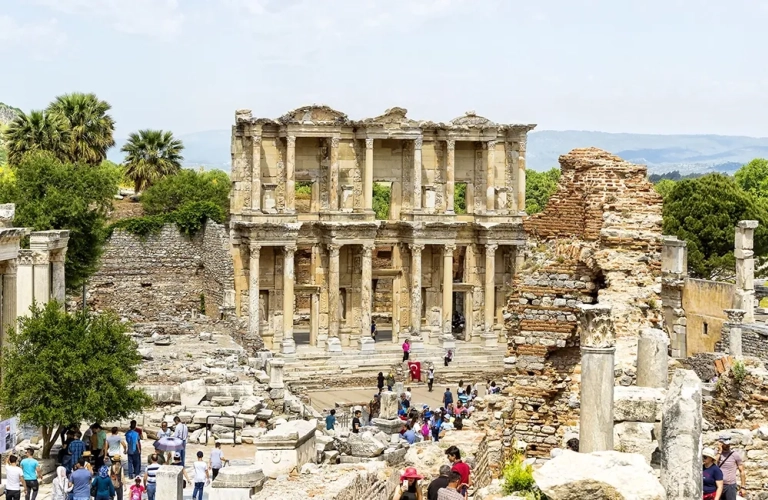
Ephesus and Izmir Weather
The Aegean region generally has hot, dry summers and mild, wetter winters.
Spring and autumn are particularly suitable for walking around archaeological sites.
-
Spring: Comfortable for exploring Ephesus.
-
Summer: Hot, especially during the afternoon.
-
Autumn: Often pleasant for archaeological sightseeing.
-
Winter: Milder than inland regions, but rain is possible.
If visiting Ephesus during summer, early-morning sightseeing can make the experience more comfortable.
See our Ephesus tours.
Pamukkale Weather
Pamukkale has hot summers and cooler winters.
The travertines and the ancient city of Hierapolis can be visited throughout the year, although the experience changes with the weather.
-
Spring: Comfortable for walking and sightseeing.
-
Summer: Very hot during the middle of the day.
-
Autumn: Generally pleasant for exploring the archaeological site.
-
Winter: Cooler conditions and possible rain.
Check local conditions and visitor arrangements before your visit.
Explore our Pamukkale tours.
Antalya Weather
Antalya has a Mediterranean climate, with long, hot summers and relatively mild winters.
-
Spring: Good for sightseeing and outdoor activities.
-
Summer: Hot and sunny, with popular beach conditions.
-
Autumn: Warm coastal weather, especially in September.
-
Winter: Generally milder than inland Turkey, with occasional rain.
For beach-focused holidays, summer and early autumn are popular. Spring and autumn are often more comfortable for exploring ancient sites and the old town.
Discover our Antalya tours.
What to Pack for Turkey by Season
Packing depends on the destinations and travel dates. Because temperatures can change between regions, layers are usually a good idea.
Spring Packing List
-
Light jacket or raincoat
-
Comfortable walking shoes
-
Sweaters or layers for cool evenings
-
Sunglasses
-
A small umbrella
-
Comfortable clothing for sightseeing
Summer Packing List
-
Lightweight clothing
-
Sun hat
-
Sunglasses
-
Sunscreen
-
Comfortable walking shoes
-
Reusable water bottle
-
Light clothing that covers shoulders and knees for religious-site visits
Autumn Packing List
-
Light jacket
-
Long-sleeved shirts
-
Comfortable walking shoes
-
Layers for cooler evenings
-
Rain protection, particularly later in the season
Winter Packing List
-
Warm coat
-
Sweaters and thermal layers
-
Comfortable shoes with good grip
-
Scarf and gloves
-
Warm socks
-
Rain protection
If your itinerary includes Cappadocia in winter, bring warmer clothing than you might need in Antalya or Istanbul.
How Weather Can Affect Your Turkey Tour
Weather can influence transportation, sightseeing schedules and outdoor activities.
Hot-Air Balloon Flights
Cappadocia balloon flights depend on wind, visibility and other aviation safety conditions.
If a balloon flight is important to your holiday, consider spending at least two or three nights in the region. This may give you additional opportunities if a flight is cancelled, but it does not guarantee a flight.
Archaeological Sightseeing
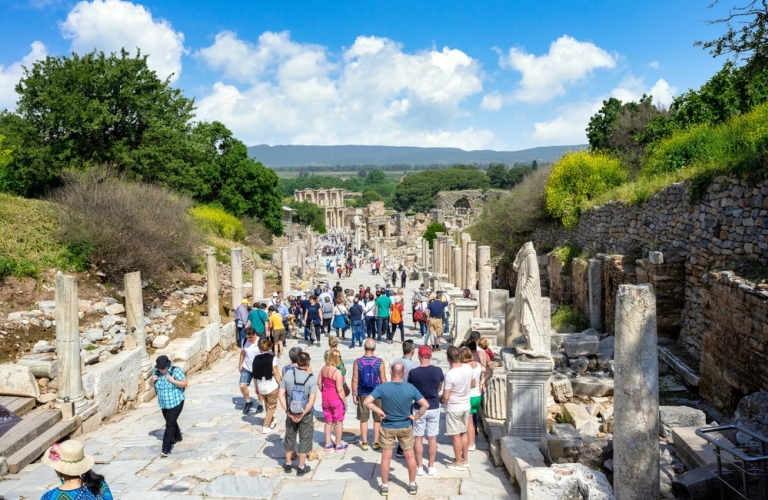
Large archaeological sites such as Ephesus and Hierapolis involve considerable walking and may have limited shade.
During hot weather, start early, carry water and use sun protection.
Domestic Flights and Transfers
Severe weather can occasionally affect flights and road journeys, especially during winter.
Allow sufficient time between domestic connections and international departures.
Outdoor Activities
Hiking, boat trips and other outdoor activities can be affected by rain, wind and sea conditions. Check local arrangements before setting out.
Practical Tips for Planning Your Trip Around the Weather
-
Check each destination separately. Do not rely on a general Turkey weather forecast when visiting several regions.
-
Plan outdoor sightseeing carefully. During summer, schedule longer walks for the morning.
-
Pack layers. Istanbul, Cappadocia and Antalya can have very different temperatures on the same day.
-
Allow flexibility. Weather-dependent activities such as balloon flights may be cancelled.
-
Check seasonal opening hours. Some attractions and activities may have different schedules throughout the year.
-
Choose your itinerary before booking flights. Consider both weather and travel time when deciding the order of destinations.
Frequently Asked Questions About Turkey's Weather
What is the best season to visit Turkey?
Spring and autumn are popular seasons for cultural sightseeing and multi-destination holidays. Summer is best suited to many beach holidays, while winter offers skiing and quieter city experiences.
Is Turkey hot all year round?
No. Turkey has several climate zones and experiences cold winters in many regions. Cappadocia and eastern Turkey can have snow, while the Mediterranean coast generally has milder winters.
Which month is best for Istanbul?
April, May, September and October are popular months for comfortable sightseeing in Istanbul.
When is the best time to visit Cappadocia?
April to June and September to October are popular periods for outdoor sightseeing. Winter is also attractive for snowy scenery, although weather conditions can affect balloon flights.
Is Turkey too hot in July and August?
July and August can be very hot, especially in Antalya, the Aegean region and inland archaeological destinations. Coastal holidays are popular during these months, but sightseeing is more comfortable early in the day.
Does it snow in Turkey?
Yes. Snowfall is common in many inland and eastern regions during winter. Istanbul can occasionally experience snow, and Cappadocia can have beautiful snowy landscapes.
What is the rainiest season in Turkey?
Rainfall patterns vary by region. Istanbul and the Black Sea region can receive rain throughout the year, while the Aegean and Mediterranean coasts generally have drier summers and wetter winters.
Can I visit Turkey in winter?
Yes. Istanbul, Cappadocia and many historical destinations remain open to visitors, although weather and seasonal schedules can affect some activities.
What clothes should I bring to Turkey?
Pack according to your destinations and season. Comfortable walking shoes and layers are useful throughout the year. Bring warmer clothing for winter and cooler inland destinations.
Plan Your Turkey Holiday with the Right Season in Mind
Turkey offers different travel experiences throughout the year. From spring sightseeing in Istanbul and Cappadocia to summer beaches in Antalya and winter landscapes in Central Anatolia, the right travel season depends on your interests and destinations.
Understanding regional weather conditions will help you organize a more comfortable itinerary.
For general travel-date recommendations, read our Best Time to Visit Turkey in 2027 guide.
If you are planning to explore several destinations, compare our Turkey tour packages or contact TurkeyTravel.com to discuss a private or customized itinerary.

Erdal Serbest is a travel content writer and tourism professional with a background in Tekirdağ Tourism Vocational High School. He has extensive experience in the hospitality and travel agency sectors, where he worked for several years supporting tour operations and destination marketing.
Throughout his career, he has created travel-focused blog content and contributed to destination promotion projects for various tourism platforms. Today, he focuses on developing engaging, informative, and experience-based content for turkeytravel.com.
He believes that travel is the most authentic way to understand cultures, flavors, and human stories, and he aims to reflect this perspective in every article he writes.