Quick Answer: What Is the Best Time to Visit Turkey?
For most travelers, the best time to visit Turkey is April to June and September to October. These months generally offer comfortable sightseeing weather, fewer crowds than the peak summer season, and a good balance between travel conditions and prices.
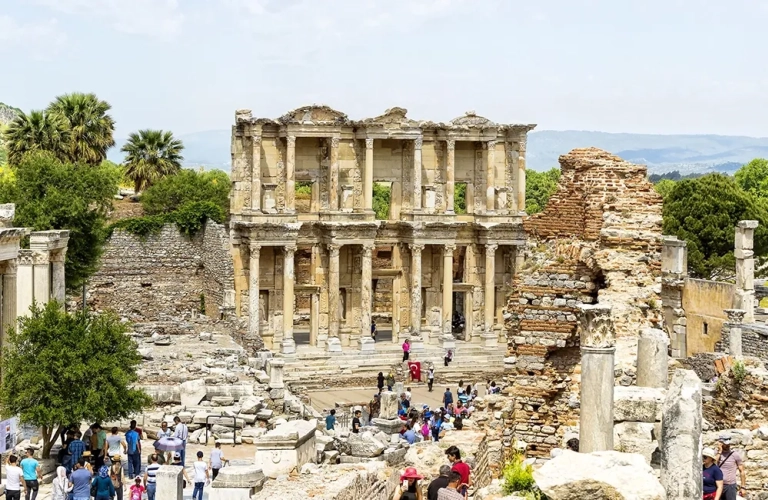
For beach holidays, June to September is ideal, while Istanbul, Cappadocia, Ephesus, and Pamukkale are particularly enjoyable during spring and autumn.
If your priority is lower prices and fewer tourists, January to March and November can offer better value, although weather conditions vary considerably by region.
Best Time to Visit Turkey at a Glance
Turkey is a year-round destination, but the ideal time depends on what you want to see and do.
| Travel Goal | Best Time |
|---|---|
| Best overall | April–June, September–October |
| Best for sightseeing | April–May, September–October |
| Best for beaches | June–September |
| Best for Cappadocia | April–June, September–October |
| Best for Istanbul | April–May, September–October |
| Best for Ephesus & Pamukkale | April–June, September–October |
| Best for lower prices | January–March, November |
| Best for fewer crowds | November–March |
| Best for skiing | December–March |
| Peak tourist season | July–August |
The best months for a classic first-time Turkey itinerary are generally April, May, September, and October.
If you are planning a multi-destination trip, you can compare our Turkey Tour Packages to see itineraries covering destinations such as Istanbul, Cappadocia, Ephesus, Pamukkale, and Antalya.
Turkey Travel Seasons Explained
Turkey covers a large geographic area, so weather varies significantly between Istanbul, the Aegean and Mediterranean coasts, central Anatolia, and eastern Turkey.
The four seasons can therefore offer very different travel experiences.
Spring in Turkey: March to May
Spring is one of the best seasons to visit Turkey, particularly for sightseeing and multi-destination itineraries.
Temperatures are generally comfortable, landscapes become greener, and major historical sites are easier to enjoy before the peak summer heat.
Why Visit Turkey in Spring?
-
Comfortable temperatures for sightseeing
-
Pleasant conditions in Istanbul and Cappadocia
-
Good conditions for Ephesus and Pamukkale
-
Lower crowds than July and August
-
Excellent conditions for walking and outdoor activities
-
Colorful spring landscapes
Spring is particularly attractive for travelers combining Istanbul, Cappadocia, Ephesus, and Pamukkale in one trip.
Explore our 6-Day Istanbul and Cappadocia Tour
Typical Spring Temperatures
Conditions vary by region, but travelers can generally expect:
-
Istanbul: Mild to warm
-
Cappadocia: Cool mornings and pleasant afternoons
-
Antalya: Warm and increasingly suitable for the beach
-
Ephesus: Comfortable for sightseeing
March can still be cool, while April and May are generally more reliable for outdoor sightseeing.
Summer in Turkey: June to August
Summer is the peak tourism season, particularly along Turkey's Mediterranean and Aegean coasts.
It is the best period for travelers whose main priority is swimming, beaches, sailing, and coastal resorts.
Best Destinations in Summer
-
Antalya
-
Bodrum
-
Fethiye
-
Marmaris
-
Çeşme
-
Kaş
Advantages of Visiting Turkey in Summer
-
Warm sea temperatures
-
Long daylight hours
-
Excellent beach conditions
-
Coastal resorts and beach clubs operating at full capacity
-
Vibrant nightlife and outdoor dining
What to Consider in July and August
July and August can be very hot, especially in southern and inland Turkey.
Popular attractions may also be considerably busier, while accommodation and flight prices are generally higher.
If you plan to visit archaeological sites such as Ephesus or Hierapolis during summer, early morning sightseeing is often more comfortable.
Autumn in Turkey: September to November
Autumn is another excellent season for visiting Turkey and is often one of the best choices for travelers who want a combination of comfortable weather, sightseeing, and coastal experiences.
September can still feel like summer along the Mediterranean coast, while October generally brings cooler temperatures and fewer visitors.
Why Visit Turkey in Autumn?
-
Comfortable sightseeing conditions
-
Warm sea temperatures in September
-
Fewer crowds than July and August
-
Excellent conditions for Istanbul and Cappadocia
-
Good weather for Ephesus and Pamukkale
-
More comfortable temperatures for walking
For many travelers, September and October are among the best months to visit Turkey.
Winter in Turkey: December to February
Winter is the quietest travel period in many parts of Turkey and can be an excellent option for travelers looking for lower prices, fewer crowds, or winter scenery.
Istanbul can be cold and rainy, while Cappadocia may receive snow. The Mediterranean coast is considerably milder.
Why Visit Turkey in Winter?
-
Lower hotel prices in many destinations
-
Fewer tourists at major attractions
-
Snow-covered Cappadocia landscapes
-
Skiing opportunities
-
Quieter Istanbul sightseeing
-
Potentially lower international and domestic flight prices
Winter is particularly attractive if you are interested in Cappadocia photography, skiing, museums, and cultural sightseeing rather than a beach holiday.
Turkey Weather by Month
Turkey does not have one single climate. Weather can vary considerably depending on where you travel.
This monthly guide provides a practical overview for planning a Turkey trip.
January
January is one of the coldest months in Turkey.
-
Cold weather in Istanbul
-
Snow is possible in Cappadocia and central Turkey
-
Ski season is underway in mountain resorts
-
Fewer tourists
-
Lower accommodation prices in many destinations
January can be a good choice for budget-conscious travelers who do not mind winter conditions.
February
February remains a winter month but can offer quieter sightseeing conditions.
Cappadocia may be covered in snow, while Istanbul remains relatively cool.
It is also a good month for travelers interested in skiing and winter landscapes.
March
March marks the transition toward spring.
Weather can still be unpredictable, but temperatures begin to improve, particularly toward the end of the month.
Crowds remain relatively low compared with the main tourist season.
April
April is one of the best months for sightseeing in Turkey.
Istanbul, Cappadocia, Ephesus, and Pamukkale are generally comfortable for outdoor exploration.
Spring landscapes also make April an attractive month for photography.
May
May offers a particularly strong combination of warm weather, manageable crowds, and excellent sightseeing conditions.
It is one of the best months for a classic Turkey itinerary covering multiple destinations.
June
June is warm and increasingly busy.
It is an excellent month for combining cultural sightseeing with time on the Aegean or Mediterranean coast.
Beach destinations become particularly attractive as sea temperatures rise.
July
July is one of the hottest and busiest months of the year.
It is excellent for beach holidays but can be challenging for long outdoor sightseeing days in places such as Ephesus, Pamukkale, and inland Turkey.
August
August is another peak tourism month.
Expect:
-
High temperatures
-
Busy coastal destinations
-
Higher accommodation prices
-
Crowded popular attractions
-
Excellent beach conditions
If traveling during August, booking accommodation and major activities in advance is recommended.
September
September is one of the best all-around months to visit Turkey.
The Mediterranean and Aegean coasts remain warm, while temperatures become more comfortable for sightseeing in Istanbul, Cappadocia, Ephesus, and Pamukkale.
October
October is another excellent month for cultural and historical travel.
Temperatures are generally comfortable, summer crowds begin to decline, and coastal destinations can still be pleasant, particularly early in the month.
November
November marks the beginning of the quieter travel season.
Weather becomes cooler and more variable, but Istanbul and other major cities can still be enjoyable.
Travelers can often find better accommodation prices than during the peak season.
December
December is a winter month, with cold and potentially snowy conditions in central and eastern Turkey.
Istanbul remains a good destination for museums, historical sites, restaurants, and indoor cultural experiences.
Cappadocia can be especially atmospheric if snow arrives.
Best Time to Visit Turkey by Travel Style
The best month depends on the type of vacation you are planning.
Best Time for Beaches
For a traditional beach holiday, June to September is generally the best period.
Popular destinations include:
September can be particularly attractive because the sea remains warm while temperatures become more comfortable.
Best Time for Cultural Sightseeing
For historical and cultural travel, April, May, September, and October are among the best choices.
These months are well suited to:
The cooler temperatures make walking through archaeological sites and historic neighborhoods much more comfortable.
Best Time for Cappadocia
The best periods for Cappadocia are generally April to June and September to October.
These months offer good conditions for:
-
Hot-air balloon flights
-
Valley hikes
-
Photography
-
Outdoor tours
-
Exploring underground cities
Because balloon flights depend on weather and demand can be high, booking your Cappadocia activities in advance is recommended.
Best Time for Istanbul
Istanbul is a year-round destination, but April–May and September–October are particularly comfortable.
These periods are ideal for exploring:
-
Hagia Sophia
-
Blue Mosque
-
Topkapi Palace
-
Grand Bazaar
-
Spice Bazaar
-
Bosphorus
Best Time for Ephesus and Pamukkale
For Ephesus and Pamukkale, spring and autumn are generally preferable to the hottest summer months.
April, May, September, and October offer more comfortable conditions for walking through archaeological sites.
Cheapest Time to Visit Turkey
If your main priority is price, the winter and shoulder seasons can provide better value than July and August.
Cheapest Months for Turkey
Generally, January to March and November offer some of the lowest demand of the year.
However, prices vary by destination.
For example, a coastal resort may have very different seasonal pricing from a city hotel in Istanbul.
Is Turkey Cheaper in Winter?
Winter can be considerably more affordable for travelers who are flexible with weather.
Potential savings may be available on:
-
Hotels
-
Domestic flights
-
Tours
-
Some activities
The exception is winter sports destinations, where prices can increase during peak ski periods.
Turkey Travel Crowds by Season
Crowds are an important consideration when choosing when to visit Turkey.
| Season | Crowd Level | Price Level | Best For |
|---|---|---|---|
| Winter | Low | Low | Budget travel, cities, skiing |
| Spring | Moderate | Moderate | Sightseeing, culture, Cappadocia |
| Summer | High | High | Beaches, coastal holidays |
| Autumn | Moderate | Moderate | Sightseeing, beaches, culture |
July and August are generally the busiest months, especially in popular coastal destinations.
Spring and autumn offer a better balance for travelers who want to explore several regions.
Best Time to Visit Turkey for a Multi-Destination Trip
If you are planning a classic Turkey itinerary rather than staying in one destination, the season becomes even more important.
A route such as:
Istanbul → Cappadocia → Ephesus → Pamukkale → Antalya
involves several different regions and climates.
Best Months for a Classic Turkey Itinerary
The best periods are generally:
-
April–May
-
September–October
These months provide a good balance between sightseeing conditions and coastal weather.
If beaches are an important part of your trip, May–June or September can be particularly attractive.
For a longer itinerary, see our Turkey Travel Guide 2027.
How to Plan Around Turkey's Weather
Turkey's size means that weather should be considered when building your itinerary.
Check Regional Weather, Not Just Turkey's Overall Forecast
Istanbul, Cappadocia, Antalya, and eastern Turkey can have very different conditions on the same day.
Always check the weather for each destination on your route.
Leave Flexibility for Cappadocia Balloon Flights
Hot-air balloon flights are weather-dependent.
If a balloon flight is one of the main reasons for visiting Cappadocia, consider staying for at least two or three nights rather than relying on a single morning.
Avoid the Hottest Part of the Day
During July and August, schedule outdoor sightseeing in the morning or late afternoon whenever possible.
This is especially useful at large archaeological sites such as Ephesus and Hierapolis.
Turkey Travel Tips by Season
Spring Travel Tips
-
Bring layers for changing temperatures.
-
Pack a light jacket for evenings.
-
Expect occasional rain, particularly in northern Turkey.
-
Book Cappadocia accommodation ahead during popular periods.
Summer Travel Tips
-
Carry water during sightseeing.
-
Use sun protection.
-
Start archaeological-site visits early.
-
Book coastal hotels well in advance.
-
Expect higher prices during July and August.
Autumn Travel Tips
-
Pack layers for cooler evenings.
-
September can still be hot on the coast.
-
October is generally more comfortable for sightseeing.
-
Coastal destinations can remain attractive into autumn.
Winter Travel Tips
-
Pack warm clothing for Istanbul and central Turkey.
-
Expect snow in Cappadocia and eastern regions at times.
-
Check weather conditions before domestic flights.
-
Consider combining Istanbul with Cappadocia for a winter city-and-landscape trip.
Should You Book Turkey Tours in Advance?
The answer depends on when you are traveling.
During July and August, advance booking is strongly recommended because hotels, domestic flights, and popular tours can become busy.
Spring and autumn are also popular for multi-destination Turkey itineraries, particularly Cappadocia.
If you prefer to have hotels, transportation, airport transfers, guides, and sightseeing arranged in advance, explore our Turkey Tour Packages.
Frequently Asked Questions About the Best Time to Visit Turkey
What is the best time to visit Turkey overall?
For most travelers, April to June and September to October offer the best combination of comfortable weather, manageable crowds, and good sightseeing conditions.
What is the cheapest time to visit Turkey?
January to March and November are generally among the more affordable periods, although prices vary by destination and demand.
Is summer too hot in Turkey?
Some regions can be very hot in July and August, particularly Antalya, the Aegean coast, and inland areas. Summer is excellent for beaches but less comfortable for extensive daytime sightseeing.
Which month is best for Cappadocia?
May, September, and October are particularly good months for Cappadocia, with comfortable temperatures and favorable conditions for outdoor activities. Balloon flights remain weather-dependent throughout the year.
What is the rainy season in Turkey?
There is no single rainy season for the entire country because Turkey has several climate zones. Istanbul and the Black Sea region receive precipitation throughout the year, while Mediterranean and Aegean coastal areas generally have much drier summers.
Is Turkey crowded in summer?
Yes. July and August are generally the busiest months, especially in Istanbul and popular Mediterranean and Aegean coastal destinations.
What is the best season to visit Istanbul and Cappadocia?
Spring and autumn are generally the most comfortable seasons for combining Istanbul and Cappadocia.
How many days are enough for Turkey?
For a first visit, 7–10 days can cover several major highlights, while 12–14 days allows a more relaxed itinerary with additional coastal destinations.
See our guide to how many days you need for a Turkey trip.
Is October a good month to visit Turkey?
Yes. October is one of the best months for sightseeing in many parts of Turkey. Istanbul, Cappadocia, Ephesus, and Pamukkale can all be comfortable to explore, while parts of the Mediterranean coast remain pleasant.
Can I visit Turkey in winter?
Yes. Winter is a good option for travelers interested in Istanbul, Cappadocia, skiing, museums, and lower-season travel. However, weather conditions can affect transportation and some coastal destinations are much quieter.
Final Thoughts – When Should You Visit Turkey in 2027?
The best time to visit Turkey in 2027 depends on what you want from your trip.
For most first-time visitors, April–June and September–October provide the best overall balance of weather, sightseeing conditions, crowds, and travel costs.
Choose June–September if beaches are your priority.
Choose April–May or September–October for a classic itinerary combining Istanbul, Cappadocia, Ephesus, Pamukkale, and other historical destinations.
Choose January–March or November if lower prices and fewer tourists are more important than warm weather.
Most importantly, do not plan Turkey as if the entire country has the same climate. Consider the destinations on your route and choose your travel dates accordingly.
Ready to plan your 2027 trip?
Explore our Turkey Tour Packages for professionally organized itineraries, or contact TurkeyTravel.com to create a private itinerary based on your destinations, travel dates, interests, and preferred pace.

Erdal Serbest is a travel content writer and tourism professional with a background in Tekirdağ Tourism Vocational High School. He has extensive experience in the hospitality and travel agency sectors, where he worked for several years supporting tour operations and destination marketing.
Throughout his career, he has created travel-focused blog content and contributed to destination promotion projects for various tourism platforms. Today, he focuses on developing engaging, informative, and experience-based content for turkeytravel.com.
He believes that travel is the most authentic way to understand cultures, flavors, and human stories, and he aims to reflect this perspective in every article he writes.