Travel to Turkey in 2027: A Practical Guide for First-Time Visitors
Planning to travel to Turkey in 2027? Whether you are interested in ancient history, vibrant cities, remarkable landscapes, Mediterranean beaches, or local food, Turkey offers a wide range of experiences in one destination.
For first-time visitors, planning a trip can seem challenging. The country is geographically large, its main attractions are spread across different regions, and choosing the right itinerary can make a significant difference to your experience.
This guide explains how to plan your first trip to Turkey, including where to go, how much time to allow, transportation options, entry requirements, and how to choose a suitable tour.
Why Travel to Turkey in 2027?
Turkey brings together several different travel experiences:
-
History and archaeology: Discover ancient cities such as Ephesus, Pergamon, and Troy.
-
Culture and architecture: Explore Istanbul's historic mosques, palaces, markets, and neighborhoods.
-
Natural landscapes: See Cappadocia's fairy chimneys and Pamukkale's white travertine terraces.
-
Coastal holidays: Enjoy Mediterranean beaches, historic harbors, and seaside towns.
-
Food and local experiences: Discover Turkish cuisine, traditional markets, regional specialties, and local hospitality.
The variety of destinations makes Turkey suitable for cultural holidays, sightseeing tours, family vacations, and private journeys.
Best Places to Visit in Turkey
For a first visit, it is usually better to concentrate on a few destinations rather than trying to cover the entire country.
Istanbul
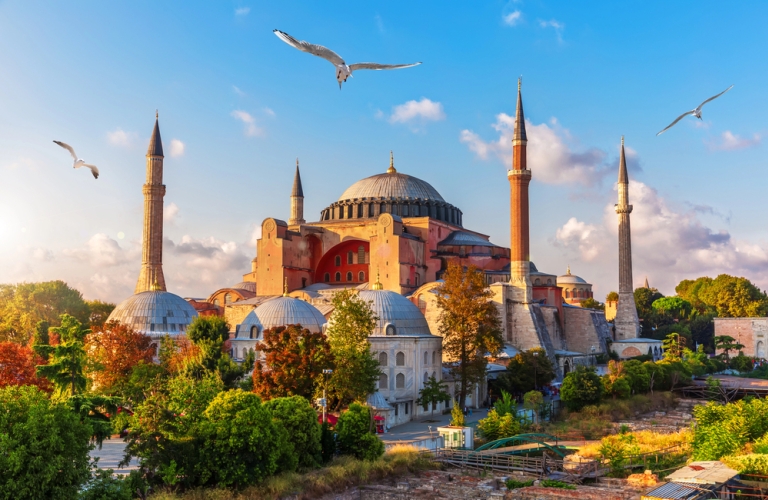
Istanbul is an excellent starting point for exploring Turkey. Its historic peninsula includes landmarks such as Hagia Sophia, the Blue Mosque, Topkapi Palace, and the Grand Bazaar.
Visitors can also enjoy Bosphorus cruises, traditional neighborhoods, Turkish restaurants, and local markets.
Allow at least two or three days if you want to explore beyond the main historic attractions.
Cappadocia
Cappadocia is famous for its unusual volcanic landscapes, fairy chimneys, cave hotels, underground cities, and hot air balloon flights.
A stay of two or three nights gives visitors more time to explore the valleys and villages. Balloon flights depend on weather conditions, so allowing flexibility is helpful.
Ephesus
Ephesus is one of the most remarkable ancient archaeological sites in the eastern Mediterranean. Highlights include the Library of Celsus, the Great Theatre, and its ancient marble streets.
It is an important destination for travelers interested in Roman history and archaeology.
Pamukkale
Pamukkale is known for its white travertine terraces and the ancient city of Hierapolis. Visitors can combine the natural landscape with archaeological exploration.
The appearance of the terraces can vary with water flow and site conditions.
Antalya
Antalya combines Mediterranean beaches, historic Kaleiçi, boat trips, resorts, waterfalls, and access to important archaeological sites.
It is particularly suitable for travelers who want to combine cultural sightseeing with time by the sea.
For more destination ideas, see our guide to the 15 best places to visit in Turkey.
How Many Days Should You Spend in Turkey?
The ideal trip length depends on your interests, budget, and the number of regions you want to explore.
| Trip length | Suitable for | Planning approach |
|---|---|---|
| 5–7 days | A short first visit | Focus on Istanbul and one or two additional destinations |
| 9–10 days | A balanced first trip | Combine Istanbul, Cappadocia, and historical or coastal highlights |
| 12–14 days | A more comprehensive holiday | Explore several regions at a more relaxed pace |
| 15 days or more | A deeper experience | Include additional destinations and more time for local experiences |
Travel between regions takes time, so avoid adding too many destinations to a short holiday.
Explore our Turkey itinerary ideas for 7, 10, and 14 days for more detailed route suggestions.
How to Get Around Turkey
Transportation is an important part of planning a Turkey holiday.
Domestic Flights
Domestic flights are often the most convenient way to travel between distant destinations. Routes connecting Istanbul with Cappadocia, Izmir, and Antalya can help reduce travel time.
Intercity Buses
Long-distance buses connect many Turkish cities and can be a useful option for travelers with flexible schedules.
Compare journey times carefully before choosing a bus for a long-distance route.
Trains and Public Transportation
High-speed trains operate on selected routes. In major cities, metros, trams, ferries, and buses provide useful transportation options.
In Istanbul, public transportation is particularly helpful for reaching major neighborhoods and attractions.
When Is the Best Time to Travel to Turkey?
Turkey has different climates across its regions, so the best season depends on your itinerary.
-
Spring (April–May): A comfortable period for city sightseeing, archaeological sites, and outdoor activities.
-
Summer (June–August): Suitable for Mediterranean beach holidays and coastal travel, although inland destinations can become very hot.
-
Autumn (September–October): A good period for combining cultural sightseeing with coastal destinations.
-
Winter (November–March): Suitable for Istanbul city breaks, lower-season travel, and winter landscapes in Cappadocia.
For a more detailed monthly breakdown, read our guide to the best time to visit Turkey in 2027.
Turkey Entry Requirements and Tourist Visas
Entry requirements depend on your nationality, passport type, and purpose of travel.
Some nationalities can visit Turkey without a visa for a limited period, while others must obtain an e-Visa or a visa through a Turkish diplomatic mission.
Before departure:
-
Check the visa rules for your nationality.
-
Confirm your passport meets the applicable validity requirements.
-
Apply for an e-Visa only through the official Turkish e-Visa website if your nationality is eligible.
-
Check the latest entry rules before traveling.
The official Turkish Ministry of Foreign Affairs visa information provides country-specific information.
You can also read our detailed Turkey Tourist Visa Guide for 2027.
Is Turkey Safe for Tourists?
Millions of international visitors travel to Turkey, but travelers should always consider current conditions and official travel advice before departure.
Practical precautions include:
-
Keep your valuables secure in crowded places.
-
Use reputable transportation providers.
-
Confirm taxi fares and other service prices before agreeing.
-
Be aware of your surroundings in busy tourist areas.
-
Follow local regulations and guidance at religious and cultural sites.
-
Review your government's latest travel advisory before your trip.
For regional information and more detailed precautions, read our Turkey Travel Safety Guide.
How Much Does a Trip to Turkey Cost?
The total cost of a Turkey holiday depends on several factors:
-
Hotel category and location
-
Travel season
-
Number of destinations
-
Domestic flights and ground transportation
-
Private or small-group sightseeing
-
Restaurant choices and activities
Independent travel and organized tour packages have different cost structures. When comparing tours, check what is included, such as accommodation, transfers, domestic flights, guiding services, and entrance fees.
For a more detailed explanation, see our guide to how much a Turkey trip costs in 2027.
Should You Travel Independently or Book a Guided Turkey Tour?
Both options can work well. The right choice depends on how much planning you want to do yourself.
Independent travel offers flexibility over hotels, transportation, and daily schedules. It can be a good choice for travelers who enjoy researching routes and arranging each part of their holiday.
Organized tours can simplify transportation, accommodation arrangements, sightseeing, and coordination between destinations. They may be especially useful when visiting several regions in a limited time.
Private tours offer more flexibility over the itinerary, while small-group tours provide a shared guided experience.
When comparing tour operators, check the itinerary, group size, hotel standards, included services, cancellation terms, and what is not included.
Explore Turkey with TurkeyTravel.com
If you prefer to explore Turkey with organized transportation and local guidance, TurkeyTravel.com offers private and small-group itineraries covering the country's major destinations.
You can compare different trip lengths and travel styles:
You can also browse all our Turkey Tour Packages to compare itineraries and find an option that matches your travel plans.
Frequently Asked Questions About Traveling to Turkey
Is 2027 a good year to visit Turkey?
Turkey offers year-round travel opportunities. Spring and autumn are popular for sightseeing, while summer is particularly suitable for coastal holidays. Your ideal travel period depends on the destinations and activities you prefer.
How many days are enough for a first trip to Turkey?
Around 9–10 days is a useful starting point for combining several major destinations. A 12–14-day trip allows more time to explore different regions.
What are the must-see places in Turkey?
Istanbul, Cappadocia, Ephesus, Pamukkale, and Antalya are among the best-known destinations for first-time visitors.
Do I need a visa to travel to Turkey?
Visa requirements vary by nationality and passport type. Check the official Turkish Ministry of Foreign Affairs information before booking your trip.
Is it easy to travel around Turkey?
Major cities and tourist destinations are connected by domestic flights, intercity buses, and selected train routes. Planning transportation in advance makes multi-destination trips easier.
Can I visit Istanbul, Cappadocia, and Ephesus in one trip?
Yes. These destinations can be combined in a multi-day itinerary. The best route depends on your arrival and departure airports, available domestic flights, and total travel time.
Should I book a Turkey tour in advance?
Booking ahead can be helpful during busy travel periods, particularly if you have fixed dates or want specific hotels, guides, and activities.
Start Planning Your Turkey Holiday
A successful Turkey holiday begins with choosing the right destinations and allowing enough time to enjoy each one.
Whether you are planning a short city break, a cultural journey, or a multi-region holiday, take time to compare routes and transportation options before making your final decision.
Explore TurkeyTravel.com tour packages or contact our travel team to discuss your Turkey travel plans for 2027.

Erdal Serbest is a travel content writer and tourism professional with a background in Tekirdağ Tourism Vocational High School. He has extensive experience in the hospitality and travel agency sectors, where he worked for several years supporting tour operations and destination marketing.
Throughout his career, he has created travel-focused blog content and contributed to destination promotion projects for various tourism platforms. Today, he focuses on developing engaging, informative, and experience-based content for turkeytravel.com.
He believes that travel is the most authentic way to understand cultures, flavors, and human stories, and he aims to reflect this perspective in every article he writes.