This guide will be updated regularly through 2027.
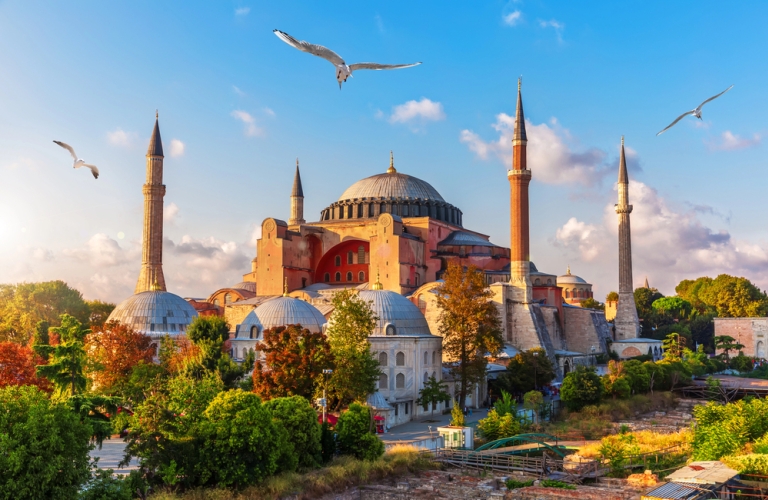
When planning an international trip, one of the most common questions travelers ask is “Is Turkey safe to visit in 2027?” Turkey remains one of the world’s most visited destinations, attracting millions of tourists each year thanks to its rich history, unique culture, beaches, and iconic cities like Istanbul, Antalya, and Cappadocia.
In 2027, travel expectations continue to evolve, especially with increasing awareness around Turkey travel safety, updated tourism infrastructure, and improved security measures in major tourist zones. While every destination has its own risks, Turkey remains a well-established travel hub with strong tourism management.
Before diving deeper into safety details, if you are planning your trip, you can explore curated experiences and book trusted options here: 👉 Turkey Tour Packages
Is Turkey Safe to Visit in 2027?
General Safety Overview
Overall, Turkey tourism safety in 2027 is considered stable in major tourist destinations. Cities like Istanbul, Antalya, Izmir, and Cappadocia are heavily visited and maintained with strong tourism security infrastructure.
However, like any popular destination, awareness is important. Petty crime such as pickpocketing can occur in crowded areas, especially in big cities.

Is Turkey safe for tourists?
Yes, for most travelers, Turkey is safe when standard travel precautions are followed. Tourist zones are well monitored, and hospitality infrastructure is highly developed.
Key safety reality
“Like many popular tourist destinations, Turkey has areas that are extremely safe for visitors and areas where travelers should stay cautious — similar to countries such as France, Italy, or Egypt.”
This balanced understanding is important for setting realistic expectations about Is Turkey safe for tourists in 2027.
Turkey Travel Safety for Americans and International Visitors
Turkey safety for Americans
Many American tourists visit Turkey every year without issues. In fact, Turkey safety for Americans is generally comparable to other Mediterranean destinations.
Is Turkey safe to visit for American tourists in 2027?
Yes, especially in well-known tourist regions. Travelers from the USA should follow standard precautions such as:
- Avoiding unlicensed taxi services
- Being careful in crowded tourist attractions
- Keeping valuables secure
Is it safe to travel to Turkey from the USA in 2027?
Yes. Direct flights, organized tours, and improved tourism infrastructure make travel easier and safer than ever.
To simplify your planning and ensure a secure experience, you can explore organized packages here:
Turkey vs Other Countries – Safety Comparisons
Understanding Turkey’s safety becomes clearer when compared with other popular destinations.
Turkey vs Egypt safety
When comparing Turkey vs Egypt safety, both countries are major tourism destinations. Turkey generally offers more consistent infrastructure in urban tourist zones, while Egypt has stricter regional variation in safety conditions depending on location.
Turkey vs Morocco for tourists
In Turkey vs Morocco for tourists, both countries are culturally rich and safe for tourism. Turkey tends to have more modern transportation systems and larger-scale tourism infrastructure, while Morocco offers a more traditional travel experience.
Is Turkey safer than Paris?
When asking Is Turkey safer than Paris?, the comparison is interesting. Both destinations experience petty crime in crowded tourist areas. Paris has well-known pickpocketing zones, while Turkey’s tourist regions have similar but manageable risks.
Turkey vs Mexico travel safety
In Turkey vs Mexico travel safety, both countries are large and diverse. Mexico has more regional variation in safety depending on state, while Turkey’s tourist areas are generally more concentrated and easier to navigate for visitors.
Turkey vs Greece for American tourists
When comparing Turkey vs Greece for American tourists, both are Mediterranean favorites. Greece is part of the EU with slightly different regulatory frameworks, while Turkey offers a richer mix of Asia and Europe with comparable tourist safety in major destinations.
Safe Places in Turkey for Tourists
Most safe tourist cities
If you are planning your trip, here are some of the safest cities in Turkey for tourists:
- Istanbul (tourist districts like Sultanahmet, Galata)
- Antalya (resort areas and beaches)
- Cappadocia (Göreme and surrounding towns)
- Izmir (coastal and urban areas)
Is Istanbul safe for tourists?
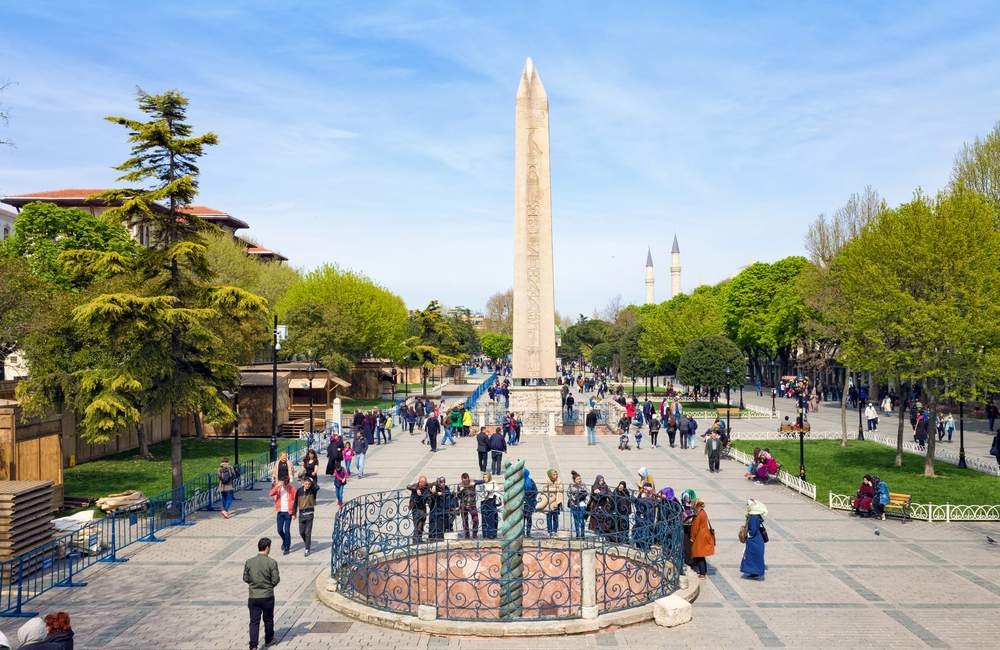
Yes, Istanbul is generally safe, especially in tourist-heavy areas. However, like any global city, visitors should stay alert in crowded transportation hubs.
Is Istanbul safe to visit at night in 2027?
Yes, in popular districts such as Taksim, Sultanahmet, and Karaköy, but using trusted transportation is recommended.
Turkey Travel Advisory 2027 and Safety Tips
Current safety situation in Turkey for tourists 2027
The Turkey travel advisory 2027 outlook remains stable for tourism regions. Authorities continue to prioritize visitor safety in key destinations.
Turkey travel tips
Here are essential Turkey travel tips for first-time visitors:
- Use official taxis or ride apps
- Stay in well-reviewed accommodations
- Keep copies of important documents
- Avoid displaying valuables openly
Turkey solo travel safety
Solo travelers, including women, can visit Turkey safely by following standard urban travel precautions.
How safe is Turkey for solo female travelers in 2027?
Turkey is generally safe for solo female travelers, especially in tourist areas, provided that cultural awareness and standard precautions are observed.
What Tourists Should Avoid in Turkey in 2027
Understanding risks is part of smart travel planning.
Common tourist mistakes
- Accepting unofficial tours or guides
- Overpaying in unregulated markets
- Ignoring local transportation rules
Crime in Turkey for tourists
The most common issues are petty crimes such as pickpocketing in busy tourist zones. Serious crime targeting tourists is rare in main destinations.
Is Turkey safer than European countries for tourists?
Turkey is generally comparable to many European destinations when it comes to tourist safety, especially in major cities and resort areas.
Turkey Travel Safety FAQ
Is Turkey safe for family vacation in 2027?
Yes, Turkey is a popular family destination with resorts, beaches, and cultural attractions suitable for all ages.
What are the safest cities in Turkey for tourists?
Istanbul, Antalya, Cappadocia, and Izmir are considered the safest and most tourist-friendly.
Turkey travel safety tips for first-time visitors
Stick to main tourist routes, book verified services, and stay informed about local conditions.
Final Thoughts – Is Turkey Safe to Visit in 2027?
Turkey remains one of the most visited countries in the world, and its tourism infrastructure continues to improve year after year. While no destination is completely risk-free, Turkey offers a balanced and manageable travel environment for international visitors.
With the right planning and awareness, travelers can enjoy a safe and unforgettable experience filled with history, culture, and natural beauty.
To make your journey easier and safer, explore trusted travel options here:

Erdal Serbest is a travel content writer and tourism professional with a background in Tekirdağ Tourism Vocational High School. He has extensive experience in the hospitality and travel agency sectors, where he worked for several years supporting tour operations and destination marketing.
Throughout his career, he has created travel-focused blog content and contributed to destination promotion projects for various tourism platforms. Today, he focuses on developing engaging, informative, and experience-based content for turkeytravel.com.
He believes that travel is the most authentic way to understand cultures, flavors, and human stories, and he aims to reflect this perspective in every article he writes.