10-Day Cappadocia and Central Anatolia Itinerary: A Complete Travel Guide
Cappadocia and Central Anatolia offer a fascinating journey through some of Turkey's most distinctive landscapes and historical destinations. From Cappadocia's fairy chimneys and underground cities to Konya's Seljuk heritage and Ankara's museums, this region reveals a different side of the country beyond its Mediterranean coastlines and major tourist cities.
A 10-day journey allows you to explore Cappadocia in depth while discovering nearby destinations such as Aksaray, Lake Tuz, Konya and Ankara. Along the way, you can visit ancient settlements, historic caravanserais, important museums and traditional Anatolian towns.
This guide provides a practical 10-day itinerary, suggested overnight stops, transportation options and travel advice to help you plan your journey through Central Anatolia.
If Cappadocia is your main destination, explore our Cappadocia Tours and Cappadocia destination guide for more travel ideas.
Quick Answer: How to Plan a 10-Day Cappadocia and Central Anatolia Trip
A 10-day route can combine four main areas:
-
Cappadocia: Fairy chimneys, cave churches, valleys and underground cities.
-
Aksaray and Lake Tuz: Historic caravanserais, traditional Anatolian landscapes and salt lake scenery.
-
Konya: Mevlana heritage, Seljuk architecture and local cuisine.
-
Ankara: Anıtkabir, the Museum of Anatolian Civilizations and the capital's historic districts.
A practical route is to begin in Cappadocia, continue west through Aksaray and Konya, and finish in Ankara.
For a comfortable journey, consider approximately three nights in Cappadocia, one night in the Aksaray area, two nights in Konya and three nights in Ankara.
Why Explore Cappadocia and Central Anatolia?
Central Anatolia is one of Turkey's most historically significant regions. It combines natural landscapes, ancient settlements, religious heritage and architectural monuments from different periods.
A journey through the region offers several distinct experiences.
Cappadocia's Extraordinary Landscapes
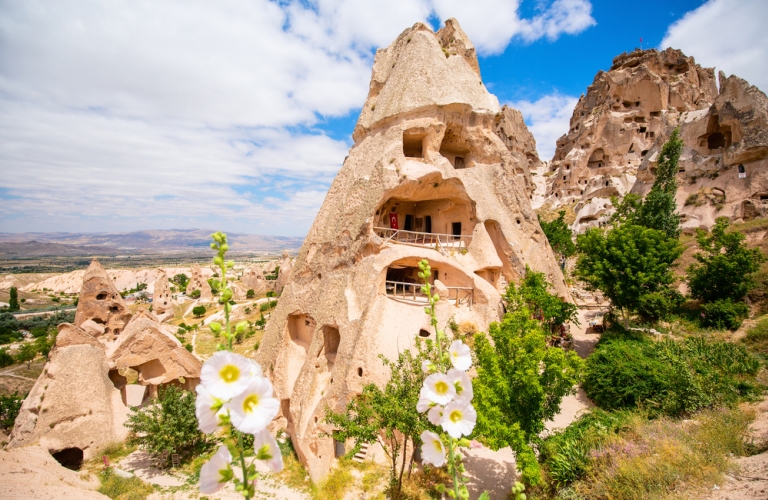
Cappadocia is famous for its volcanic rock formations, fairy chimneys, cave dwellings and underground cities.
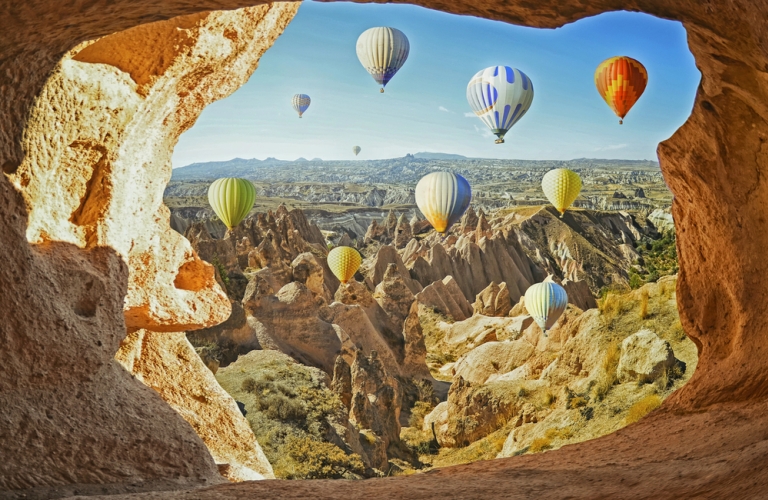
Visitors can explore Göreme Open-Air Museum, Paşabağ, Uçhisar, underground settlements and scenic valleys. Sunrise hot-air balloon flights are another well-known experience, subject to weather and aviation approvals.
Aksaray's Historic Caravanserais
Aksaray is associated with the historic trade routes that crossed Anatolia.
One of the region's important landmarks is Sultanhanı Caravanserai, a major example of Seljuk-era architecture and an impressive reminder of the commercial networks that connected different parts of Anatolia.
Konya's Seljuk and Mevlana Heritage
Konya is one of Turkey's most important cultural destinations.
The city is closely associated with Mevlana Jalaluddin Rumi and the Mevlevi tradition. Its historic mosques, museums and Seljuk monuments make it an interesting stop for travelers interested in Turkish history and spirituality.
Ankara's Museums and Modern History
Ankara offers a different experience from the other destinations on this route.
As Turkey's capital, it is home to Anıtkabir, important national institutions and the Museum of Anatolian Civilizations, which displays archaeological collections from different periods of Anatolian history.
Recommended 10-Day Cappadocia and Central Anatolia Route
This itinerary is designed for travelers who want to explore the region at a measured pace. It combines historical attractions, scenic landscapes and opportunities to experience local culture.
Days 1–3: Discover Cappadocia
Begin your journey in Cappadocia, one of Turkey's most recognizable destinations.
You can arrive through either Nevşehir Kapadokya Airport or Kayseri Erkilet Airport, depending on your flight arrangements and accommodation location.
Day 1 – Arrival and Göreme
After arriving, transfer to your hotel and spend the rest of the day discovering Göreme.
Suggested activities:
-
Explore Göreme village.
-
Visit local shops and cafés.
-
Enjoy a panoramic viewpoint.
-
Watch the sunset over the surrounding valleys.
A cave-style hotel can provide a distinctive accommodation experience during your stay.
Day 2 – Hot-Air Balloon and Northern Cappadocia
If weather and aviation conditions permit, begin the day with a sunrise hot-air balloon flight.
Continue with some of the region's most famous attractions:
-
Göreme Open-Air Museum
-
Paşabağ (Monks Valley)
-
Devrent Valley
-
Avanos
-
Zelve Open-Air Museum
Avanos is particularly interesting for its traditional pottery workshops and its location along the Kızılırmak River.
Day 3 – Underground Cities and Southern Cappadocia
Spend the day exploring the southern part of the region.
Suggested stops include:
-
Kaymaklı or Derinkuyu Underground City
-
Ihlara Valley
-
Selime Monastery
These sites reveal a different side of Cappadocia, from underground settlements to rock-cut religious structures and dramatic canyon landscapes.
The day involves considerable driving and walking, so allow enough time between stops.
For more information, read our Best Things to Do in Cappadocia guide.
Day 4: Travel to Aksaray and Visit Sultanhanı Caravanserai
Leave Cappadocia and travel toward Aksaray.
One of the most important stops along the way is Sultanhanı Caravanserai, a remarkable Seljuk structure built along the historic trade routes of Anatolia.
The caravanserai once provided accommodation and protection for merchants, travelers and their animals.
During your visit, explore:
-
The monumental entrance portal
-
The central courtyard
-
The historic stone architecture
-
The covered interior section
After visiting Sultanhanı, continue to Aksaray and explore the city center.
You can also enjoy traditional Anatolian dishes at a local restaurant.
Day 5: Visit Lake Tuz and Continue to Konya
Leave Aksaray and travel toward Lake Tuz, one of Turkey's largest salt lakes.
The lake is known for its extensive white salt-covered landscapes and striking scenery.
Depending on the season and water conditions, its appearance can vary considerably.
What to experience at Lake Tuz:
-
Enjoy the open landscape and panoramic views.
-
Photograph the distinctive salt formations.
-
Learn about the lake's importance as a salt-producing area.
-
Observe the seasonal natural environment.
Continue toward Konya after your visit.
Lake Tuz is a natural environment, so follow local access rules and avoid disturbing wildlife or protected areas.
Days 6–7: Explore Konya and Its Seljuk Heritage
Konya is one of the most historically important cities in Central Anatolia.
It was an important Seljuk capital and is internationally known for its association with Mevlana Jalaluddin Rumi.
Day 6 – Mevlana Museum and Historic Konya
Begin with the Mevlana Museum, one of the city's best-known cultural landmarks.
Other places to consider include:
-
Alaeddin Hill
-
Alaeddin Mosque
-
Karatay Madrasa
-
İnce Minareli Madrasa
-
Historic city center
In the evening, enjoy traditional Konya cuisine.
Etli ekmek, a regional specialty consisting of thin flatbread topped with meat, is one of the dishes worth trying.
Day 7 – Konya's Architecture and Cultural Heritage
Use the second day to explore additional historic attractions and learn more about the city's cultural traditions.
You can visit:
-
Additional Seljuk-era monuments
-
Local museums
-
Traditional markets
-
Historic neighborhoods
If a Mevlevi Sema ceremony is available during your stay, it may provide an opportunity to learn about the Mevlevi tradition. Check the official program and arrangements in advance.
Days 8–10: Discover Ankara
Continue north to Ankara, the capital of Turkey.
Ankara provides an opportunity to explore the country's modern history alongside archaeological collections and older urban landmarks.
Day 8 – Arrival and Anıtkabir
After arriving in Ankara, visit Anıtkabir, the mausoleum of Mustafa Kemal Atatürk, founder of the Republic of Turkey.
The monumental complex includes ceremonial spaces, memorial areas and a museum presenting important aspects of Atatürk's life and the establishment of the republic.
Allow sufficient time for the visit.
Day 9 – Museum of Anatolian Civilizations and Ankara Castle
Spend the day exploring Ankara's historical and archaeological heritage.
Recommended places include:
-
Museum of Anatolian Civilizations
-
Ankara Castle
-
Historic streets around the castle
-
Traditional shops and local cafés
The Museum of Anatolian Civilizations is particularly valuable for travelers interested in the Hittites, Phrygians and other ancient Anatolian civilizations.
Day 10 – Departure or Additional Sightseeing
Depending on your onward travel arrangements, use the final day for additional sightseeing or departure.
You may visit another museum, enjoy a relaxed breakfast or explore parts of modern Ankara before continuing to your next destination.
If you want to extend your journey, Sivas can be considered as a separate addition to a longer Central Anatolia itinerary rather than a rushed day trip from Ankara.
Route Overview: Where to Stay During the 10-Day Journey
Planning your overnight stops in advance helps make this route more comfortable.
| Destination | Suggested nights | Main experiences |
|---|---|---|
| Cappadocia | 3 | Fairy chimneys, museums, valleys and underground cities |
| Aksaray | 1 | Sultanhanı Caravanserai and local culture |
| Konya | 2 | Mevlana heritage and Seljuk architecture |
| Ankara | 3 | Anıtkabir, museums and historic districts |
| Total | 9 nights | 10-day journey |
This arrangement is a suggested itinerary rather than a fixed tour schedule. You can adjust the overnight stops according to your arrival and departure flights, interests and preferred pace.
Transportation: How to Travel Around Central Anatolia
Central Anatolia is a large region, and the best transportation method depends on your route and travel style.
Getting to Cappadocia
There are two main airports serving Cappadocia:
-
Nevşehir Kapadokya Airport (NAV)
-
Kayseri Erkilet Airport (ASR)
Both can be used to reach the main tourist areas, although transfer distances and journey times differ.
Domestic flights from Istanbul are a common way to reach the region. Check flight schedules and airport transfer arrangements before booking.
Traveling Between Cappadocia and Aksaray
Road transportation is practical for this part of the route.
A rental car or organized private transfer allows you to visit Sultanhanı and other locations along the way.
Traveling from Aksaray to Konya
Road transportation is a convenient option for reaching Konya and visiting Lake Tuz along the route.
If you are traveling independently, check local road conditions and allow enough time for sightseeing stops.
Traveling from Konya to Ankara
Konya and Ankara are connected by rail and road.
High-speed train services can be a practical option, depending on current schedules and ticket availability.
For travelers continuing by road, the journey can be included in a wider private or rental-car itinerary.
Exploring the Region by Rental Car or Guided Tour
A rental car offers flexibility, especially when visiting attractions outside the main city centers.
A guided itinerary can simplify transportation, sightseeing schedules and accommodation coordination.
For first-time visitors who prefer not to drive, private transportation or organized excursions can be useful alternatives.
Where to Stay During Your Central Anatolia Trip
Accommodation choices vary considerably between the destinations.
Cappadocia
Göreme is a convenient base for many first-time visitors because of its location and range of restaurants and accommodation.
Uçhisar offers a different atmosphere and panoramic views, while Ürgüp provides additional hotel and dining options.
Aksaray
Aksaray is a practical overnight stop for travelers visiting Sultanhanı and continuing toward Konya.
Choose accommodation with convenient access to the route and suitable parking if you are driving.
Konya
Staying near the city center makes it easier to reach the Mevlana Museum and other historic attractions.
Ankara
Consider staying in a central district with convenient access to museums, restaurants and transportation.
The best location depends on whether you prioritize sightseeing, business facilities or access to onward transport.
What to Eat in Cappadocia and Central Anatolia
Food is an important part of experiencing the region.
Each destination has its own culinary traditions, and a 10-day journey provides opportunities to sample several local specialties.
Testi Kebab
A traditional Cappadocian dish prepared in a sealed clay pot and opened before serving.
Mantı
Small Turkish dumplings generally served with yogurt and garlic sauce.
Etli Ekmek
A specialty associated with Konya, consisting of thin flatbread topped with seasoned meat.
Traditional Anatolian Breakfast
Local breakfasts commonly include cheeses, olives, eggs, bread, honey, jams and seasonal ingredients.
Local Sweets and Pastries
Try regional bakery products and traditional desserts in local restaurants and markets.
Best Time to Visit Cappadocia and Central Anatolia
The region can be visited throughout the year, but the experience changes considerably between seasons.
Spring: March to May
Spring is generally suitable for exploring archaeological sites, walking trails and historic cities.
Temperatures can vary, particularly in the early part of the season, so bring layers.
Summer: June to August
Summer brings warmer and often dry conditions.
Early morning and late afternoon are generally more comfortable times for outdoor sightseeing, especially in exposed areas.
Autumn: September to November
Autumn is another appealing period for cultural and historical travel.
The weather is often suitable for walking tours and exploring the region's outdoor attractions.
Winter: December to February
Winter can bring cold weather and snowfall to Cappadocia and other parts of Central Anatolia.
Snow-covered landscapes can be beautiful, but road conditions and weather may affect transportation and outdoor activities.
Hot-air balloon flights may also be cancelled when weather conditions are unsuitable.
Practical Tips for Planning Your 10-Day Trip
Plan your route before booking hotels. Central Anatolia covers a large area, and the order of your overnight stops can make a considerable difference to travel time.
Allow enough time in Cappadocia. Three days provide a useful introduction to the main attractions and leave some flexibility for weather-dependent activities.
Check balloon flight conditions. Book with a reputable operator and understand its cancellation and rescheduling policy.
Wear comfortable shoes. Underground cities, archaeological sites and valleys may involve uneven surfaces and stairs.
Bring seasonal clothing. Temperatures can vary between destinations and throughout the day.
Check museum opening information. Opening days, ticket arrangements and visitor rules can change.
Keep driving distances in mind. Avoid adding too many attractions to a single day, especially when traveling between cities.
Respect cultural sites. Follow local instructions at mosques, museums, archaeological sites and religious monuments.
Frequently Asked Questions About a 10-Day Cappadocia and Central Anatolia Trip
Is 10 days enough for Cappadocia and Central Anatolia?
Yes. Ten days can provide a broad introduction to Cappadocia, Aksaray, Lake Tuz, Konya and Ankara. The route should be planned carefully to avoid excessive driving and rushed sightseeing.
How many days should I spend in Cappadocia?
Three days is a useful starting point for exploring the main attractions, visiting an underground city, discovering the valleys and allowing flexibility for a balloon flight.
Can I visit Cappadocia, Konya and Ankara in one trip?
Yes. These destinations can be combined in a road or rail itinerary, with Aksaray and Lake Tuz providing additional stops along the route.
Is a rental car necessary for this itinerary?
No. You can combine domestic flights, trains, buses, transfers and guided excursions. However, a rental car provides more flexibility for visiting attractions outside the main city centers.
Can I travel from Konya to Ankara by train?
Yes. High-speed train services connect the cities. Check the current timetable and ticket availability before planning your travel day.
Is Lake Tuz worth visiting?
Lake Tuz is an interesting natural stop for travelers interested in open landscapes, salt formations and photography. Its appearance varies with season and water conditions.
Can I include Sivas in a 10-day itinerary?
It is possible, but including Sivas requires changes to the route and may reduce time available in other destinations. It is generally better to treat Sivas as an extension to a longer Central Anatolia trip.
What is the best season for this route?
Spring and autumn are generally comfortable for sightseeing and outdoor activities. Summer can be hot, while winter brings colder conditions and possible snowfall.
Is Cappadocia suitable for families?
Yes. Families can enjoy the region's landscapes, museums and cultural activities. Underground cities and some walking routes may involve narrow passages, stairs and uneven surfaces, so choose activities according to the ages and abilities of children.
Can I combine this route with Istanbul?
Yes. Istanbul can be added before or after the Central Anatolia journey. Domestic flights and rail connections can help coordinate the wider itinerary.
Explore Cappadocia and Central Anatolia with TurkeyTravel.com
A 10-day journey through Cappadocia and Central Anatolia offers a different perspective on Turkey.
From the fairy chimneys and underground cities of Cappadocia to Sultanhanı Caravanserai, Konya's Seljuk monuments and Ankara's museums, this route brings together natural landscapes, history and local culture.
Whether you prefer independent travel or an organized itinerary, careful planning will help you make the most of your time across the region.
TurkeyTravel.com is operated by Kontes Travel, a licensed Turkish travel agency based in Istanbul and serving international travelers since 2006.
Explore our Cappadocia Tours and Turkey Tour Packages to discover available travel options and plan your journey through Turkey.

Erdal Serbest is a travel content writer and tourism professional with a background in Tekirdağ Tourism Vocational High School. He has extensive experience in the hospitality and travel agency sectors, where he worked for several years supporting tour operations and destination marketing.
Throughout his career, he has created travel-focused blog content and contributed to destination promotion projects for various tourism platforms. Today, he focuses on developing engaging, informative, and experience-based content for turkeytravel.com.
He believes that travel is the most authentic way to understand cultures, flavors, and human stories, and he aims to reflect this perspective in every article he writes.