15 Best Places to Visit in Cappadocia, Türkiye
Quick Answer
The best places to visit in Cappadocia include Göreme Open-Air Museum, Uçhisar Castle, Paşabağ (Monks Valley), Zelve Open-Air Museum, Devrent Valley, Love Valley, Rose Valley, Pigeon Valley, Derinkuyu Underground City, Kaymaklı Underground City, Avanos, Çavuşin Village, Ortahisar, Mustafapaşa and Ihlara Valley.
Cappadocia is one of Türkiye's most remarkable destinations, combining extraordinary volcanic landscapes, ancient cave settlements, Byzantine churches and traditional Anatolian villages. Most visitors need at least two or three days to explore its main attractions, while four days allow more time for hiking, underground cities and less-visited historical sites.
Cappadocia at a Glance
| Travel Information | Details |
|---|---|
| Location | Central Anatolia, Türkiye |
| Main tourist areas | Göreme, Ürgüp, Uçhisar and Avanos |
| Recommended stay | 2–4 days |
| Best seasons | Spring and autumn |
| Famous attractions | Fairy chimneys, valleys and underground cities |
| UNESCO recognition | Göreme National Park and the Rock Sites of Cappadocia |
| Nearest airports | Nevşehir (NAV) and Kayseri (ASR) |
| Popular activities | Balloon flights, hiking, cave hotels and cultural tours |
Why Visit Cappadocia?
Cappadocia is a destination where natural wonders and human history come together. Located in Central Anatolia, the region is internationally famous for its fairy chimneys, unusual rock formations, ancient cave churches and underground settlements.
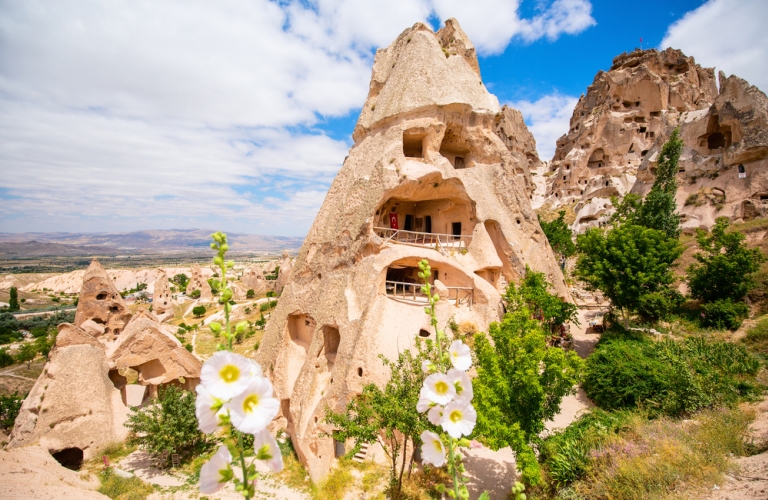
Millions of years ago, volcanic eruptions from Mount Erciyes and Mount Hasan covered the landscape with layers of volcanic material. Over time, wind and water erosion shaped these layers into the valleys, pinnacles and fairy chimneys that make Cappadocia so distinctive today.
People gradually transformed this soft volcanic rock into homes, churches, monasteries, storage rooms and underground settlements. These remarkable structures provide a fascinating insight into the civilizations that lived in the region.
The Göreme National Park and the Rock Sites of Cappadocia have been included on the UNESCO World Heritage List since 1985. The area is recognized for both its extraordinary geological formations and its historical rock-cut architecture.
Whether you are interested in history, photography, hiking or authentic local culture, Cappadocia offers an unforgettable travel experience.
15 Best Places to Visit in Cappadocia
1. Göreme Open-Air Museum
Göreme Open-Air Museum is one of the most important historical attractions in Cappadocia and a highlight of the region's UNESCO-listed heritage.
This remarkable religious settlement contains rock-cut churches, chapels, monasteries and dining rooms carved into volcanic rock. Many of the churches feature Byzantine frescoes depicting biblical scenes and religious figures.
Important buildings include the Dark Church, Apple Church, Snake Church and Chapel of Saint Barbara.
The museum offers an excellent introduction to the religious and cultural history of Cappadocia, particularly the development of early Christian communities.
Why visit:
-
Discover centuries-old rock-cut churches.
-
Admire Byzantine frescoes and religious artwork.
-
Explore one of Cappadocia's most significant historical sites.
-
Learn about monastic life in the region.
Travel tip: Allow approximately 1.5–2 hours for your visit. Arriving early can make the experience more comfortable, especially during busy travel seasons.
2. Uçhisar Castle
Uçhisar Castle is one of the most recognizable landmarks in Cappadocia. Rising above the surrounding landscape, this enormous natural rock formation was carved into a defensive settlement with rooms, tunnels and passageways.
The castle provides spectacular panoramic views of the surrounding valleys, villages and fairy chimneys. On clear days, visitors can see across much of the Cappadocian landscape.
It is particularly beautiful around sunset, when the volcanic formations take on warm golden and reddish colors.
Why visit:
-
Enjoy panoramic views across Cappadocia.
-
Explore historic rock-cut rooms and passages.
-
Photograph the surrounding valleys.
-
Experience one of the region's most impressive viewpoints.
Travel tip: Combine Uçhisar Castle with Pigeon Valley, which connects the Uçhisar and Göreme areas.
3. Paşabağ (Monks Valley)
Paşabağ, also known as Monks Valley, is famous for its extraordinary fairy chimneys with multiple rock caps.
Some of the formations resemble mushrooms, while others have several stone layers balanced above narrow volcanic columns. These unusual structures are among the most photographed natural features in Cappadocia.
The valley also has an interesting religious history. Hermits and monks once used some of the natural rock formations as places of retreat and worship.
Today, visitors can walk among the fairy chimneys and discover the remarkable geological formations at close range.
Why visit:
-
See some of Cappadocia's most distinctive fairy chimneys.
-
Explore unusual volcanic formations.
-
Learn about the area's religious heritage.
-
Take memorable landscape photographs.
Travel tip: Paşabağ is conveniently combined with Zelve Open-Air Museum and Devrent Valley.
4. Zelve Open-Air Museum
Zelve Open-Air Museum is one of the most fascinating historical settlements in Cappadocia.
Spread across three valleys, Zelve contains abandoned cave dwellings, churches, monasteries, tunnels and other structures carved into the volcanic rock.
Unlike some of the region's more concentrated museum sites, Zelve offers a wider landscape to explore. Visitors can walk through the former settlement and imagine how people lived within these unusual rock formations.
The area was an important religious and residential center between the ninth and thirteenth centuries. It continued to be inhabited until the twentieth century.
Why visit:
-
Explore an extensive abandoned cave settlement.
-
Discover historic churches and monasteries.
-
Walk through three interconnected valleys.
-
Experience Cappadocia's traditional rock-cut architecture.
Travel tip: Wear comfortable walking shoes and allow around 1–2 hours to explore the site.
5. Devrent Valley (Imagination Valley)
Devrent Valley is famous for its unusual rock formations, many of which resemble animals and familiar objects.
Unlike some other Cappadocian valleys, Devrent does not have a major concentration of cave churches or historical settlements. Its main attraction is the extraordinary variety of natural shapes created by erosion.
The most famous formation resembles a camel, making it a popular photography stop.
Visitors can use their imagination to recognize different shapes among the rocks, which makes this valley particularly enjoyable for families and photography enthusiasts.
Why visit:
-
Discover unusual animal-shaped rock formations.
-
Photograph the famous camel-shaped rock.
-
Enjoy a different perspective on Cappadocia's geology.
-
Make a short scenic stop during a sightseeing tour.
6. Love Valley
Love Valley is one of the most famous natural attractions in Cappadocia. It is particularly well known for its tall, distinctive fairy chimneys and dramatic volcanic landscape.
The valley is popular with hikers, photographers and visitors looking for beautiful panoramic viewpoints.
Walking through Love Valley offers a closer look at the natural formations that make Cappadocia unique. Depending on the route, visitors can enjoy views of surrounding cliffs, vineyards and rock formations.
Love Valley is also a popular location for watching hot air balloons at sunrise.
Why visit:
-
See some of Cappadocia's most unusual fairy chimneys.
-
Enjoy scenic hiking routes.
-
Photograph the volcanic landscape.
-
Watch hot air balloons on suitable mornings.
Travel tip: Bring water and wear suitable walking shoes if you plan to hike through the valley.
7. Rose Valley
Rose Valley is one of Cappadocia's most beautiful hiking and photography destinations.
The valley takes its name from the pink and reddish colors that appear across its rock formations, especially when sunlight reaches the cliffs in the late afternoon.
Along its walking routes, visitors can discover cave dwellings, rock-cut churches, natural passages and impressive viewpoints.
Rose Valley is particularly popular at sunset, when the changing light creates a beautiful contrast across the volcanic landscape.
Why visit:
-
Enjoy spectacular sunset scenery.
-
Discover hidden cave churches.
-
Explore scenic walking trails.
-
Photograph Cappadocia's colorful rock formations.
Travel tip: Check the walking route before setting out, as some trails connect with neighboring Red Valley and Meskendir Valley.
8. Pigeon Valley
Pigeon Valley, located between Göreme and Uçhisar, is one of the most scenic valleys in Cappadocia.
The valley takes its name from the numerous pigeon houses carved into the surrounding cliffs. For generations, local communities kept pigeons in these structures and used their droppings as natural fertilizer for vineyards and agricultural land.
Today, the valley is popular for hiking and photography. Its walking routes offer beautiful views of Uçhisar Castle and the surrounding fairy chimneys.
Why visit:
-
Discover traditional pigeon houses carved into rock.
-
Enjoy beautiful views of Uçhisar Castle.
-
Explore scenic walking paths.
-
Learn about traditional agricultural practices in Cappadocia.
9. Derinkuyu Underground City
Derinkuyu Underground City is one of the most extraordinary historical sites in Cappadocia.
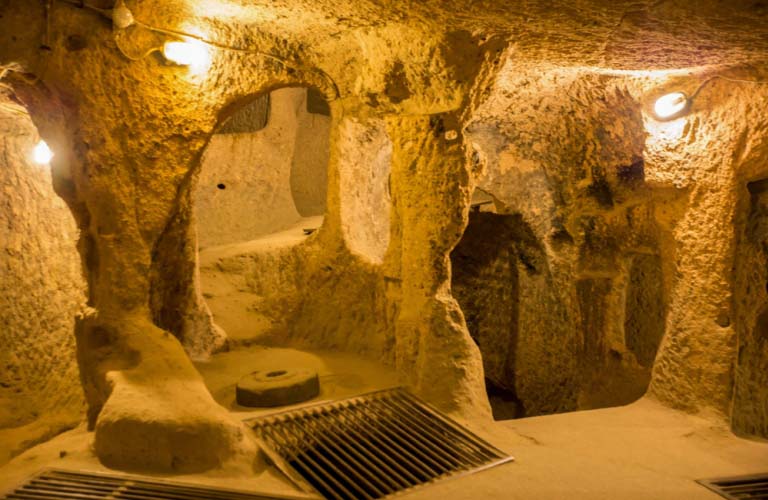
This extensive underground settlement was carved into volcanic rock and developed across multiple levels. It contains living spaces, storage rooms, kitchens, ventilation shafts, religious areas and narrow passageways.
The underground city provided shelter for communities during periods of danger and conflict. Its design demonstrates the impressive engineering knowledge of the people who constructed and expanded it.
Some passageways are narrow and low, so visitors should be prepared for a physically demanding visit.
Why visit:
-
Explore a remarkable multi-level underground settlement.
-
Discover ancient ventilation systems and storage areas.
-
Understand how communities lived beneath the ground.
-
Experience one of Cappadocia's most unusual historical attractions.
Travel tip: Visitors who are uncomfortable in confined spaces may prefer to skip some of the narrower sections.
10. Kaymaklı Underground City
Kaymaklı Underground City is another important subterranean settlement in Cappadocia.
Like Derinkuyu, Kaymaklı was developed through a network of tunnels, chambers and interconnected spaces carved into volcanic rock.
The settlement contains areas that were used for daily life, including storage rooms, kitchens, wine-making facilities and living spaces.
Although Kaymaklı and Derinkuyu share similar characteristics, each offers a different experience. Visiting one of them provides a fascinating understanding of how underground communities were organized.
Why visit:
-
Discover another impressive underground settlement.
-
Explore ancient tunnels and chambers.
-
Learn about the region's defensive architecture.
-
Compare the different underground settlements of Cappadocia.
Travel tip: If you have limited time, visiting either Kaymaklı or Derinkuyu may be sufficient. Travelers with a particular interest in history and archaeology may enjoy seeing both.
11. Avanos
Avanos is a historic town located along the Kızılırmak River, Türkiye's longest river.
The town is especially famous for its traditional pottery and ceramic craftsmanship. Local artisans have worked with the region's clay for generations, preserving techniques that remain an important part of Cappadocia's cultural identity.
Visitors can explore pottery workshops, watch demonstrations and even try shaping clay on a traditional pottery wheel.
Avanos also offers pleasant riverside walks, local restaurants and traditional shops.
Why visit:
-
Discover traditional Cappadocian pottery.
-
Visit local ceramic workshops.
-
Experience local craftsmanship.
-
Enjoy the atmosphere along the Kızılırmak River.
Travel tip: Take time to visit a family-run pottery workshop and learn about the traditional production process.
12. Çavuşin Village
Çavuşin is one of the oldest settlements in Cappadocia and is particularly interesting for visitors who want to explore its traditional cave architecture.
The village is known for its abandoned rock-cut houses, historic churches and impressive natural formations.
The old settlement was built into a steep rock face, creating a distinctive landscape of caves and former residential spaces. Some areas offer excellent views of the surrounding countryside.
Çavuşin is also conveniently located near Paşabağ and other northern Cappadocia attractions.
Why visit:
-
Explore an old Cappadocian village.
-
Discover traditional cave houses.
-
Visit historic rock-cut churches.
-
Enjoy beautiful views of the surrounding landscape.
13. Ortahisar
Ortahisar is a traditional Cappadocian town dominated by its impressive rock castle.
The castle rises above the settlement and has been used as a natural defensive structure throughout history. The surrounding town is known for its stone houses, narrow streets and traditional atmosphere.
Compared with the busier tourist centers, Ortahisar can offer a more relaxed experience of local life.
Visitors can explore the old streets, admire traditional architecture and enjoy views of the surrounding valleys.
Why visit:
-
See Ortahisar Castle.
-
Discover traditional Cappadocian architecture.
-
Explore a quieter local settlement.
-
Photograph the town and surrounding landscape.
14. Mustafapaşa (Sinasos)
Mustafapaşa, historically known as Sinasos, is one of the most charming traditional settlements in the Cappadocia region.
The village is famous for its historic stone mansions, decorated façades, churches and traditional streets. Its architecture reflects the multicultural history of the area, particularly the Greek Orthodox communities that once lived here.
Walking through Mustafapaşa provides a different experience from visiting the famous fairy chimney valleys. It is an excellent place to appreciate Cappadocia's architectural and cultural heritage.
Why visit:
-
Admire historic stone mansions.
-
Discover the village's multicultural history.
-
Explore traditional streets and churches.
-
Experience a quieter side of Cappadocia.
15. Ihlara Valley
Ihlara Valley is a spectacular canyon located in Aksaray Province, within the wider Cappadocia travel region.
The valley was formed by the Melendiz River, which flows through a deep gorge surrounded by steep cliffs and vegetation.
Unlike the dry, open landscapes found in many parts of Cappadocia, Ihlara offers a greener environment with shaded walking paths and riverside scenery.
The valley is also home to numerous rock-cut churches, many containing historical frescoes.
Why visit:
-
Walk through a beautiful natural canyon.
-
Discover ancient rock-cut churches.
-
Enjoy riverside scenery and shaded paths.
-
Experience a different landscape from central Cappadocia.
Travel tip: Ihlara Valley is farther from Göreme than most of the main attractions. It is best included in a full-day southern Cappadocia itinerary rather than combined with a short visit to the central valleys.
Best Places to Visit in Cappadocia by Interest
Different parts of Cappadocia offer different experiences. Depending on your interests and available time, some attractions may deserve priority over others.
| Your Interest | Best Places to Visit |
|---|---|
| History and culture | Göreme Open-Air Museum, Zelve, Çavuşin |
| Fairy chimneys | Paşabağ, Devrent Valley, Love Valley |
| Hiking | Rose Valley, Red Valley, Ihlara Valley |
| Panoramic views | Uçhisar Castle, Ortahisar |
| Underground history | Derinkuyu, Kaymaklı |
| Traditional culture | Avanos, Mustafapaşa |
| Photography | Love Valley, Rose Valley, Pigeon Valley |
Suggested 3-Day Cappadocia Itinerary
Three days are generally enough to discover Cappadocia's major attractions without rushing through every destination.
The following itinerary groups nearby places together to reduce unnecessary travel time.
Day 1: Göreme, Uçhisar and the Northern Valleys
Begin your Cappadocia experience with the region's most famous historical and natural attractions.
Recommended stops:
-
Göreme Open-Air Museum
-
Uçhisar Castle
-
Pigeon Valley
-
Love Valley
-
Sunset at Rose Valley or Red Valley
Spend the morning exploring the historical heritage of Göreme before continuing to Uçhisar for panoramic views.
In the afternoon, discover the surrounding valleys and enjoy a scenic sunset.
Day 2: Fairy Chimneys, Villages and Local Culture
Dedicate your second day to the northern part of Cappadocia.
Recommended stops:
-
Paşabağ (Monks Valley)
-
Zelve Open-Air Museum
-
Devrent Valley
-
Avanos
-
Çavuşin Village
Explore the unusual fairy chimneys at Paşabağ, followed by the historical settlement of Zelve.
Continue to Devrent Valley for photography before visiting Avanos to experience traditional pottery craftsmanship.
If time allows, include Çavuşin Village for a closer look at Cappadocia's traditional cave architecture.
Day 3: Underground Cities and Southern Cappadocia
Spend your final day exploring the underground settlements and the wider southern Cappadocia landscape.
Recommended stops:
-
Kaymaklı or Derinkuyu Underground City
-
Ihlara Valley
-
Selime Monastery, if time permits
Start early, as these attractions are farther from Göreme than the northern sightseeing locations.
Ihlara Valley requires additional walking time, so avoid trying to fit too many other destinations into the same day.
If you prefer a more relaxed schedule, visit one underground city and spend more time exploring the valley.
Best Time to Visit Cappadocia
Cappadocia can be visited throughout the year, and each season offers a different experience.
Spring (April–May)
Spring is one of the most comfortable seasons for exploring Cappadocia.
Temperatures are generally pleasant, making it an excellent time for hiking, sightseeing and outdoor activities.
The valleys become particularly attractive as vegetation returns after winter.
Summer (June–August)
Summer offers long daylight hours and excellent opportunities for photography.
However, daytime temperatures can become high, particularly in exposed valleys and open landscapes.
It is best to start sightseeing early in the morning and avoid strenuous walks during the hottest hours.
Autumn (September–November)
Autumn is another excellent season for visiting Cappadocia.
The weather is generally comfortable, and the changing light creates beautiful conditions for photography.
It is particularly popular with visitors interested in hiking, balloon flights and cultural sightseeing.
Winter (December–March)
Winter gives Cappadocia a completely different appearance.
Snow-covered fairy chimneys and valleys create spectacular scenery, making it an attractive season for photographers.
However, cold temperatures and changing weather conditions can affect outdoor activities and hot air balloon flights.
How Many Days Do You Need to Visit Cappadocia?
The ideal length of your stay depends on how much of the region you want to explore.
2 days: Suitable for travelers with limited time who want to see the main highlights, visit an underground city and experience a sunrise balloon flight if weather permits.
3 days: The best choice for most first-time visitors. You can explore the main valleys, historical attractions, fairy chimneys and traditional villages.
4 days: Ideal for a more comprehensive experience, including longer hikes, additional villages and less-visited attractions.
5 days or more: Recommended for travelers who prefer a slower pace and want to explore the wider region beyond the main tourist routes.
For more detailed planning, read our guide: How Many Days Do You Need in Cappadocia?
How to Get Around Cappadocia
Cappadocia's attractions are spread across several towns and valleys, so transportation is an important part of planning your visit.
Private Guided Tours
A private guided tour is a convenient option for visitors who want to explore the region comfortably.
A professional local guide can explain the history of the attractions, organize transportation and adapt the itinerary to your interests.
Private tours are particularly suitable for families, couples and travelers who prefer a flexible sightseeing schedule.
Small Group Tours
Small group tours provide an organized way to visit the main attractions while sharing transportation and guide services with other travelers.
They are a practical choice for visitors who want a structured itinerary without arranging every detail independently.
Renting a Car
Renting a car offers flexibility, especially for travelers staying four days or longer.
It allows visitors to explore villages, viewpoints and valleys at their own pace.
However, some hiking routes require additional planning, and parking availability can vary at popular attractions.
Public Transportation
Public transportation connects some of Cappadocia's towns and settlements, but services may not be frequent enough to reach every major attraction conveniently.
For travelers with limited time, guided transportation or a rental car is generally more practical.
Hot Air Balloon Experience in Cappadocia
A sunrise hot air balloon flight is one of the most famous experiences in Cappadocia.
As the sun rises, colorful balloons lift above the valleys and fairy chimneys, creating an extraordinary view of the landscape.
Flights depend on weather conditions and aviation safety decisions, so departures are not guaranteed every morning.
If a balloon flight is an important part of your trip, consider staying for at least two mornings to improve your chances of experiencing one.
You can learn more in our detailed guide: Cappadocia Hot Air Balloon Tour Guide: Best Time, Prices and Tips
Where to Stay in Cappadocia
Choosing the right town or village can make your Cappadocia experience more enjoyable.
Göreme: An excellent base for first-time visitors, with easy access to restaurants, tour departures, viewpoints and many popular attractions.
Uçhisar: Ideal for travelers seeking panoramic views, boutique cave hotels and a quieter atmosphere.
Ürgüp: A good choice for visitors interested in traditional architecture, restaurants, wineries and comfortable accommodation.
Avanos: Suitable for travelers who prefer a more local atmosphere and want to discover traditional pottery workshops.
For more information, read our guide: Where to Stay in Cappadocia? Best Areas and Hotels
Explore Cappadocia with TurkeyTravel.com
Discovering Cappadocia is much easier when your itinerary is planned around the region's geography, historical attractions and travel times.
At TurkeyTravel.com, we organize private and small-group travel experiences designed to help visitors explore Cappadocia comfortably.
Depending on your travel plans, you can combine the region's famous fairy chimneys, underground cities and scenic valleys with a wider journey through Türkiye.
Explore our Cappadocia Tours to discover available travel packages.
You may also be interested in our 6-Day Istanbul and Cappadocia Tour, which combines two of Türkiye's most remarkable destinations.
Whether you are planning a short visit or a longer cultural journey, our team can help you create an itinerary that suits your interests and travel schedule.
Frequently Asked Questions About Visiting Cappadocia
1. What are the best places to visit in Cappadocia?
Some of the best places include Göreme Open-Air Museum, Uçhisar Castle, Paşabağ, Zelve Open-Air Museum, Devrent Valley, Love Valley, Rose Valley, Pigeon Valley and Derinkuyu Underground City.
2. How many days are enough to explore Cappadocia?
Two days are enough to see some of the main attractions, but three days are recommended for a more complete experience. Four days allow additional time for hiking, villages and historical sites.
3. Is Cappadocia worth visiting?
Yes. Cappadocia is one of Türkiye's most distinctive destinations, combining unusual volcanic landscapes, ancient underground settlements, historic churches and traditional villages.
4. What is Cappadocia most famous for?
Cappadocia is best known for its fairy chimneys, sunrise hot air balloon flights, cave hotels, rock-cut churches and underground cities.
5. Can you explore Cappadocia without a car?
Yes. You can visit many attractions through guided tours, private transportation and local transfers. However, renting a car provides greater flexibility for independent exploration.
6. What is the best month to visit Cappadocia?
April, May, September and October are generally excellent months for comfortable sightseeing and outdoor activities. Each season has its own advantages.
7. Are the underground cities of Cappadocia worth visiting?
Absolutely. Derinkuyu and Kaymaklı offer fascinating insights into how ancient communities created underground settlements with living areas, storage rooms and defensive passages.
8. Is Ihlara Valley part of Cappadocia?
Ihlara Valley is located in Aksaray Province and is commonly included in wider Cappadocia sightseeing itineraries. It is farther from the main tourist centers around Göreme and is best explored as part of a full-day trip.
9. Where should first-time visitors stay in Cappadocia?
Göreme is one of the most convenient choices for first-time visitors because of its central location, restaurants, hotels and access to popular attractions.
10. Can you see hot air balloons every morning in Cappadocia?
No. Balloon flights depend on weather conditions and official flight permissions. Although flights are frequently scheduled around sunrise, cancellations can occur for safety reasons.
Final Thoughts
Cappadocia is much more than a destination famous for hot air balloons and fairy chimneys. Its ancient underground cities, historic cave churches, traditional villages and spectacular valleys reveal a remarkable combination of natural beauty and cultural heritage.
From exploring the rock-cut churches of Göreme to walking through Rose Valley, visiting the pottery workshops of Avanos and discovering the underground settlements of Derinkuyu, every part of the region offers something different.
Whether you have two days or a full week, planning your route carefully will help you experience the best of Cappadocia without rushing between attractions.
If you are planning a trip to Türkiye, make sure Cappadocia is part of your itinerary. Explore our Cappadocia Tours and discover one of the country's most unforgettable destinations.

Erdal Serbest is a travel content writer and tourism professional with a background in Tekirdağ Tourism Vocational High School. He has extensive experience in the hospitality and travel agency sectors, where he worked for several years supporting tour operations and destination marketing.
Throughout his career, he has created travel-focused blog content and contributed to destination promotion projects for various tourism platforms. Today, he focuses on developing engaging, informative, and experience-based content for turkeytravel.com.
He believes that travel is the most authentic way to understand cultures, flavors, and human stories, and he aims to reflect this perspective in every article he writes.