If you’ve ever seen surreal landscapes filled with cone-shaped rock formations and colorful hot air balloons drifting across the sky, you’ve probably already encountered Cappadocia Turkey—one of the most fascinating destinations in the world. But what is Cappadocia and why is it famous?
Located in central Anatolia, the Cappadocia region Turkey is a place where nature and history blend seamlessly. From ancient underground cities to breathtaking valleys shaped by volcanic forces, this region offers a unique travel experience unlike anywhere else on Earth.
Whether you are curious about the Cappadocia history, intrigued by its unusual terrain, or planning your next trip, this complete guide to Cappadocia history and geography will help you understand everything you need to know.
👉 Ready to explore this magical land in person? Discover unforgettable experiences with Cappadocia Tours
Where is Cappadocia Located?
One of the most frequently asked questions is: Where is Cappadocia located?
Cappadocia is situated in central Turkey, mainly within the provinces of Nevşehir, Kayseri, Aksaray, and Niğde. The region lies about 730 km southeast of Istanbul and is easily accessible by domestic flights or road trips.
Geographic Position
- Region: Central Anatolia
- Closest city: Nevşehir
- Nearby major cities: Kayseri, Konya
- Accessibility: Airports in Nevşehir and Kayseri
Why Location Matters
The central positioning of Cappadocia made it historically significant as a crossroads of civilizations. Trade routes, including parts of the Silk Road, passed through this region, influencing its Cappadocia cultural heritage.
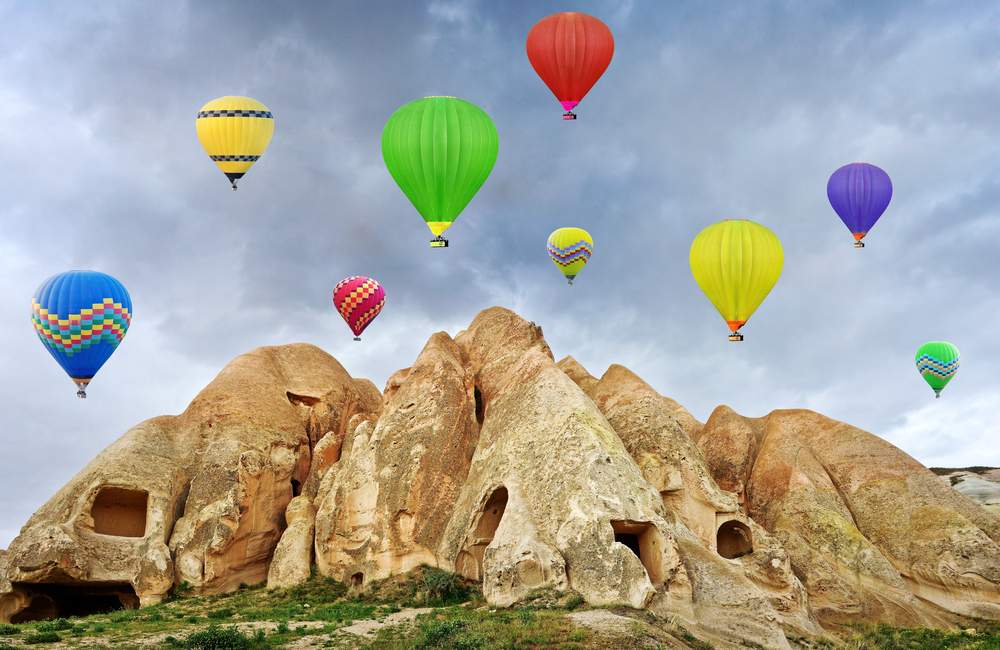
Cappadocia Geography – A Landscape Like No Other
The Cappadocia geography is what makes this region globally famous. It is often described as otherworldly—and for good reason.
How Cappadocia Was Formed (Volcanic Landscape)
Millions of years ago, volcanic eruptions from Mount Erciyes, Mount Hasan, and Mount Melendiz covered the region with thick layers of ash. Over time, this ash solidified into soft rock known as tuff.
Wind and water erosion then sculpted this rock into the iconic Cappadocia rock formations we see today.
Key Geological Features
- Soft volcanic tuff layers
- Hard basalt caps
- Deep valleys and canyons
- Natural caves and tunnels
Fairy Chimneys Cappadocia
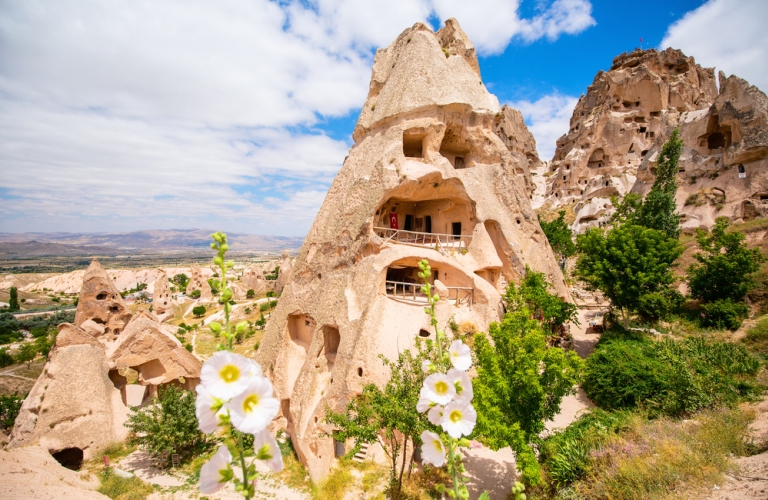
The most iconic feature of the region is the fairy chimneys Cappadocia—tall, cone-shaped rock formations created by erosion.
These structures often have mushroom-like tops and were historically used as homes, churches, and storage spaces.
Cappadocia Landscape Highlights
- Göreme Valley
- Devrent Valley (Imagination Valley)
- Pasabag (Monks Valley)
- Red and Rose Valleys
This unique geography of Cappadocia fairy chimneys is one of the main reasons why millions of travelers visit each year.
Cappadocia History – A Journey Through Time
The history of Cappadocia Turkey explained reveals a region shaped by countless civilizations.
Ancient Origins
Cappadocia’s history dates back to the Bronze Age when the Hittites first settled in the region around 1800 BCE.
After the fall of the Hittite Empire, Cappadocia came under the rule of:
- Persians
- Alexander the Great
- Romans
- Byzantines
Early Christianity and Underground Cities
During Roman times, Cappadocia became a refuge for early Christians fleeing persecution.
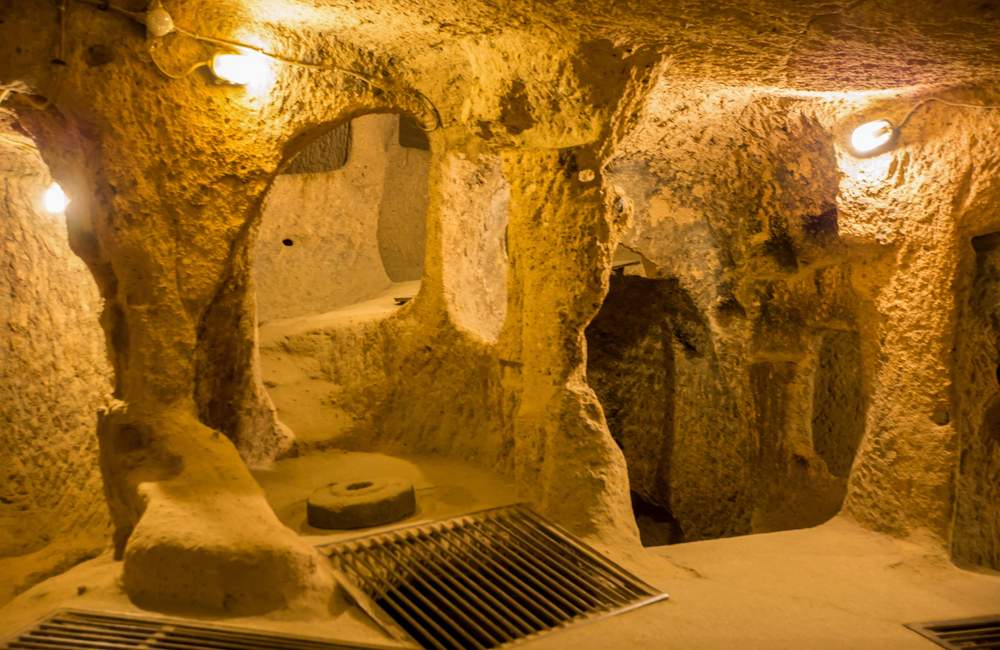
Underground Cities
One of the most fascinating aspects of Cappadocia history is its underground cities, such as:
- Derinkuyu
- Kaymakli
These cities could house thousands of people and included ventilation systems, storage rooms, and even churches.
Byzantine and Seljuk Influence
During the Byzantine period, Cappadocia became an important religious center. Rock-cut churches decorated with frescoes still stand today.
Later, the Seljuks and Ottomans contributed to the region’s architectural and cultural richness, further enhancing the cultural and historical importance of Cappadocia.
Why Cappadocia is a UNESCO World Heritage Site
A major highlight of the region is that it is recognized as a Cappadocia UNESCO site.
Göreme National Park
The Göreme National Park and the Rock Sites of Cappadocia were added to the UNESCO World Heritage list in 1985.
Discover the best things to do in Cappadocia for first-time visitors—start planning your unforgettable trip today!
What Makes It Special?
- Unique geological formations
- Historical cave dwellings
- Rock-cut churches with frescoes
- Harmony between nature and human life
This answers the common question: Why Cappadocia is a UNESCO World Heritage Site—because it represents both natural wonder and human ingenuity.
Explore Turkey’s UNESCO World Heritage Sites—start your cultural journey today!
Key Facts About Cappadocia Turkey
Here are some key facts about Cappadocia Turkey for travelers:
Quick Facts
- Located in Central Anatolia
- Famous for hot air balloon rides
- Known for cave hotels
- Rich in ancient history
- Home to underground cities
Interesting Cappadocia Facts
- The name “Cappadocia” means “Land of Beautiful Horses”
- Some cave dwellings are still used today
- The region has over 200 underground cities
- Balloon rides operate almost every morning
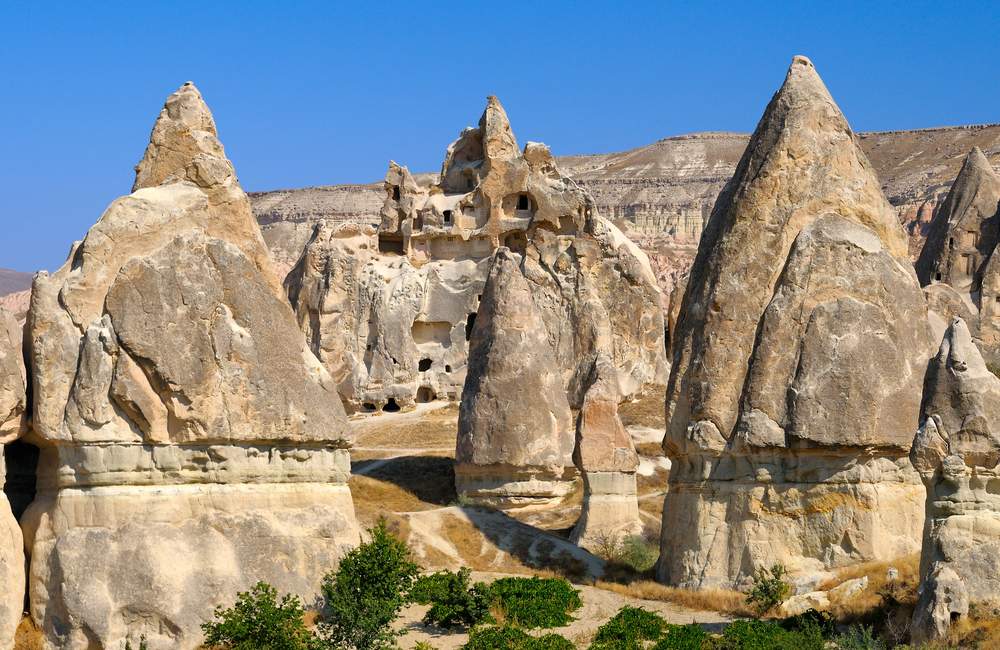
What is Cappadocia and Why is It Famous?
So, what is Cappadocia and why is it famous?
Top Reasons for Its Popularity
- Unique volcanic landscape
- Fairy chimneys and rock formations
- Rich historical heritage
- Hot air balloon experiences
- Cave hotels and cultural experiences
A Photographer’s Dream
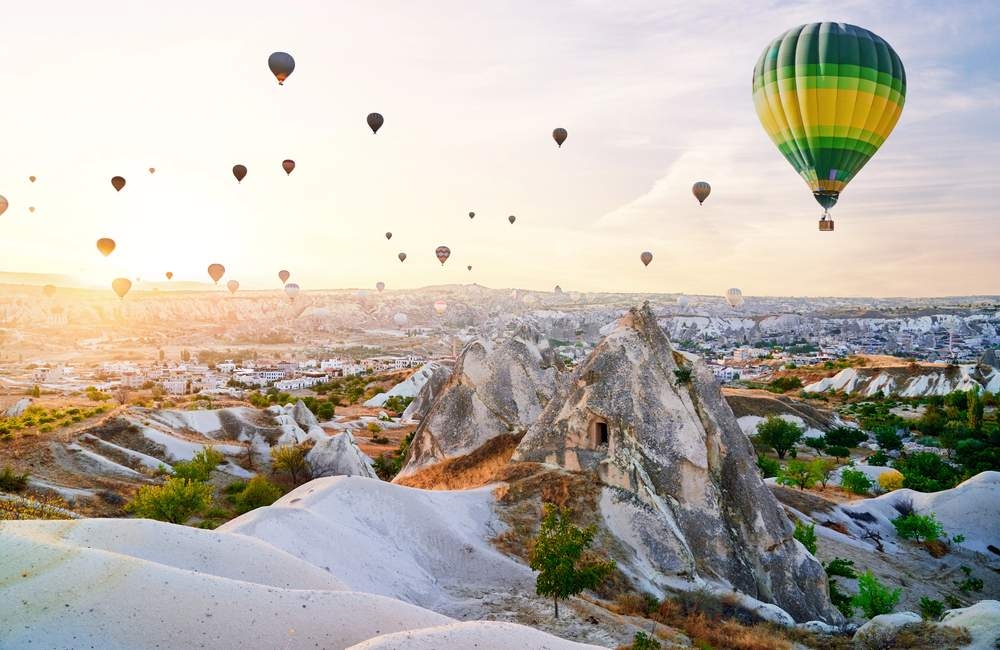
The Cappadocia landscape is one of the most photographed in the world, especially during sunrise when balloons fill the sky.
Best Things to Know Before Visiting Cappadocia
Before planning your trip, here are the best things to know before visiting Cappadocia:
When to Visit
- Best seasons: Spring (April–June) and Autumn (September–October)
- Summer: Hot but lively
- Winter: Snow adds a magical touch
When is the best time to visit Cappadocia?
What to Do
- Hot air balloon ride
- Explore underground cities
- Visit Göreme Open-Air Museum
- Hike through valleys
👉 Make the most of your trip with expertly planned Cappadocia Tours
Cultural and Historical Importance of Cappadocia
The Cappadocia cultural heritage reflects a deep and diverse history.
Religious Significance
Cappadocia played a major role in early Christianity. Monasteries and churches carved into rocks served as places of worship and education.
Living Heritage
Even today, local traditions, crafts, and cuisine reflect centuries of cultural blending.
Complete Guide to Cappadocia History and Geography
Bringing everything together, Cappadocia stands out because of the perfect harmony between:
Nature
- Volcanic formations
- Valleys and caves
- Unique ecosystems
Human History
- Ancient civilizations
- Religious heritage
- Architectural innovation
This combination makes Cappadocia one of the most unique travel destinations in the world.
Conclusion
Cappadocia Turkey is more than just a travel destination—it is a living museum shaped by nature and history over millions of years. From its extraordinary Cappadocia geography to its deep-rooted Cappadocia history, every corner of this region tells a story.
Whether you are fascinated by the fairy chimneys Cappadocia, curious about its underground cities, or simply looking for a breathtaking adventure, Cappadocia offers something unforgettable for every traveler.
👉 Don’t just read about it—experience it yourself with expertly curated Cappadocia Tours

Erdal Serbest is a travel content writer and tourism professional with a background in Tekirdağ Tourism Vocational High School. He has extensive experience in the hospitality and travel agency sectors, where he worked for several years supporting tour operations and destination marketing.
Throughout his career, he has created travel-focused blog content and contributed to destination promotion projects for various tourism platforms. Today, he focuses on developing engaging, informative, and experience-based content for turkeytravel.com.
He believes that travel is the most authentic way to understand cultures, flavors, and human stories, and he aims to reflect this perspective in every article he writes.