Grand Bazaar Istanbul: What to Buy and Essential Shopping Tips
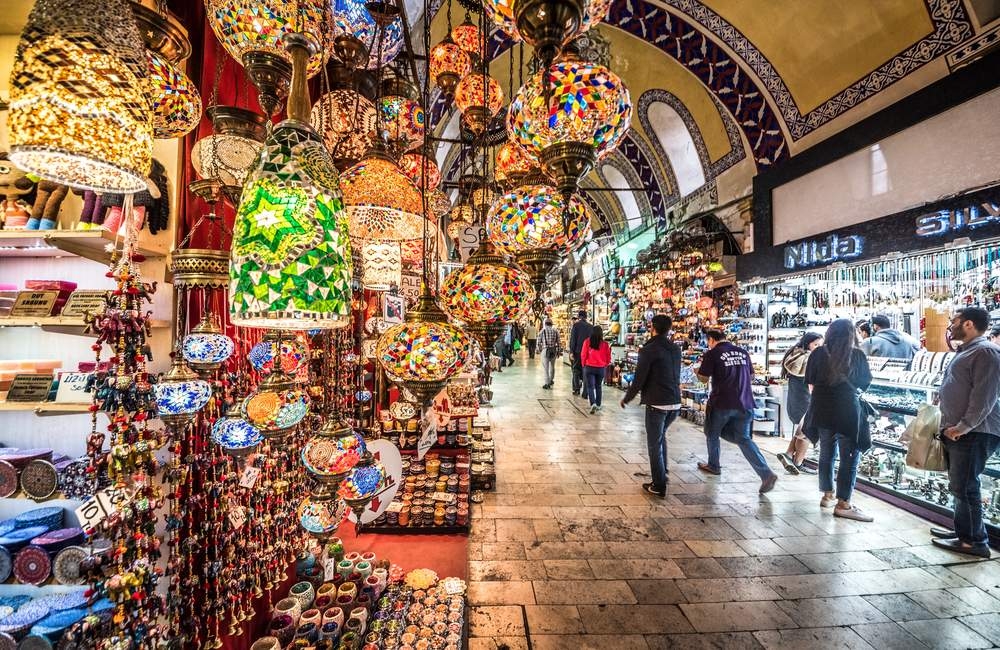
The Grand Bazaar in Istanbul, known locally as Kapalıçarşı, is one of the city's most fascinating places to explore. With its historic covered streets, traditional workshops, colorful displays and hundreds of independent shops, it offers a shopping experience unlike a modern shopping mall.
Founded in 1461 during the reign of Sultan Mehmed II, the Grand Bazaar has developed into an important center of Istanbul's commercial and cultural heritage.
Today, visitors can browse Turkish carpets, handmade ceramics, jewelry, leather goods, textiles, decorative lamps and traditional souvenirs. However, knowing what to buy, how to compare quality and when to bargain can make your visit much more enjoyable.
This guide explains what to buy at the Grand Bazaar, how to shop confidently, what to look for when comparing products and how to plan your visit.
Quick Answer: What Should You Buy at the Grand Bazaar?
The Grand Bazaar is particularly well known for traditional Turkish handicrafts, textiles, jewelry and decorative items.
Some of the most popular things to buy include:
-
Turkish carpets and kilims
-
Gold and silver jewelry
-
İznik-style ceramics and pottery
-
Handmade decorative lamps
-
Leather bags, jackets and accessories
-
Turkish textiles, scarves and towels
-
Traditional souvenirs and decorative objects
The best purchase depends on your interests and budget. If you are buying an expensive item such as a carpet, jewelry or leather product, take time to compare quality and prices before making a decision.
What Makes the Grand Bazaar Special?
The Grand Bazaar is more than a shopping destination. It is part of Istanbul's historical identity and has been a center of trade for centuries.
Its origins date back to 1461, when Sultan Mehmed II established the foundations of the covered market. Over time, additional streets, commercial buildings and workshops developed around the original structures.
The result is a historic marketplace with distinctive architecture and a wide variety of independent businesses.
A Historic Shopping Experience
Walking through the Grand Bazaar means exploring a commercial district shaped by centuries of trade.
Its covered passages, historic entrances, traditional shopfronts and surrounding hans create an atmosphere that is very different from contemporary retail centers.
A Wide Variety of Traditional Products
The bazaar brings together merchants specializing in different categories.
You can find jewelry shops, carpet dealers, textile stores, ceramic workshops and souvenir retailers within the same historic complex.
An Opportunity to Experience Turkish Shopping Culture
Shopping at the Grand Bazaar often involves conversation and negotiation.
Many shopkeepers welcome visitors, explain the products and offer opportunities to compare different designs.
You do not have to purchase anything to enjoy the atmosphere. Browsing the historic streets is an experience in itself.
What to Buy at the Grand Bazaar in Istanbul
The following product categories are among the most interesting options for visitors.
1. Turkish Carpets and Kilims
Turkish carpets and kilims are among the Grand Bazaar's most recognizable products.
They come in a wide variety of designs, colors, materials and weaving styles. Some feature traditional geometric patterns, while others display floral motifs and regional designs.
What Is the Difference Between a Carpet and a Kilim?
A traditional hand-knotted carpet is created by tying individual knots onto the foundation of the textile.
A kilim is generally a flat-woven textile without the same pile structure.
Both have an important place in Turkish textile traditions.
What Should You Check Before Buying?
If you are considering purchasing a carpet or kilim, ask the seller about:
-
Whether it is handmade or machine-made
-
The materials used
-
Its place of production
-
The weaving technique
-
Its age, if described as antique
-
Cleaning and maintenance requirements
Do not rely on appearance alone to determine quality.
For a significant purchase, compare several examples and ask for a detailed written description of the item.
If you are purchasing an expensive carpet, make sure the invoice clearly describes the product and its agreed price.
2. Gold and Silver Jewelry
The Grand Bazaar has a long-established jewelry trade.
Visitors can find gold necklaces, bracelets, rings, earrings, silver accessories and decorative pieces in many different styles.
Some shops offer contemporary designs, while others specialize in traditional Turkish craftsmanship.
Tips for Buying Jewelry
Before purchasing gold or silver jewelry:
-
Ask about the metal purity and hallmark.
-
Confirm the item's weight.
-
Ask whether the quoted price includes workmanship.
-
Compare the price with other shops.
-
Request a detailed receipt.
-
Check the shop's return and exchange conditions.
Gold prices are influenced by international metal markets, so the value of a piece depends on more than its appearance.
For expensive purchases, understand exactly what you are paying for, including the metal, workmanship and any additional charges.
3. Turkish Ceramics and İznik-Style Pottery
Turkish ceramics are among the most attractive decorative souvenirs available in Istanbul.
Traditional designs often feature blue, turquoise, red and white patterns inspired by Ottoman decorative arts.
Popular items include:
-
Decorative plates
-
Ceramic bowls
-
Vases
-
Small tiles
-
Coffee cups
-
Decorative wall pieces
What Makes İznik Ceramics Special?
İznik ceramics are associated with a distinctive tradition of Ottoman tile and pottery production.
Their patterns often include floral motifs, leaves and intricate decorative compositions.
Not every ceramic item featuring blue-and-white Ottoman-inspired patterns is an authentic İznik product.
If authenticity matters to you, ask about the place of production, materials and manufacturing technique.
4. Turkish Lamps and Lanterns
Colorful Turkish lamps are among the most recognizable decorative products in Istanbul's traditional markets.
They are available in different sizes and styles, from small table lamps to larger hanging fixtures.
Their colored glass pieces can create attractive lighting effects when illuminated.
What to Check Before Buying
Inspect the glass, metalwork, electrical fittings and overall construction.
If you intend to use the lamp at home, check the plug, voltage compatibility and whether the electrical components meet the requirements of your country.
Also consider how you will transport the item safely.
5. Turkish Leather Goods
Leather shops in the Grand Bazaar offer jackets, bags, belts, wallets and other accessories.
Visitors can find different styles and finishes, including classic designs and more contemporary products.
How to Choose Leather Products
Before buying, ask about:
-
The type of leather
-
The construction and stitching
-
The lining and hardware
-
The care instructions
-
The shop's return policy
Be cautious about products advertised as genuine leather or luxury quality without clear information.
Compare several items and avoid making a purchase simply because a seller creates a sense of urgency.
6. Turkish Textiles, Scarves and Towels
Textiles make practical souvenirs because they are generally easy to pack and suitable for everyday use.
Popular choices include:
-
Cotton scarves
-
Silk scarves
-
Turkish towels
-
Peshtemals
-
Tablecloths
-
Cushion covers
-
Decorative fabrics
Turkish towels and peshtemals are especially popular because they are lightweight and versatile.
When comparing textiles, check the material composition, thickness, weaving quality and care instructions.
7. Traditional Turkish Souvenirs
If you are looking for smaller gifts, the Grand Bazaar offers plenty of decorative and traditional items.
Popular choices include:
-
Nazar boncuğu (blue evil-eye beads)
-
Small ceramic ornaments
-
Decorative boxes
-
Traditional coffee cups
-
Miniature souvenirs
-
Handmade accessories
-
Decorative magnets and keychains
These products can be suitable gifts for friends and family.
For fragile items, ask the seller to package them securely for travel.
8. Antiques and Collectible Objects
Some shops specialize in old decorative objects, collectibles and antique-style items.
However, purchasing something described as an antique requires additional care.
Ask for documentation explaining its origin, age and legal status.
Turkey has strict regulations concerning archaeological and cultural property. Do not purchase or attempt to export archaeological objects or cultural artifacts without confirming that the transaction and required documentation are lawful.
A decorative item that looks old is not necessarily an authentic antique.
9. Spices and Turkish Delights
Although the Spice Bazaar is more closely associated with traditional food shopping, visitors may also find selected Turkish food products and sweets around the Grand Bazaar.
Popular products include:
-
Turkish delight (lokum)
-
Turkish coffee
-
Dried fruits
-
Nuts
-
Traditional sweets
-
Selected spices
If spices and food products are your main shopping priority, the nearby Spice Bazaar is worth considering as well.
For packaged food products, check the ingredients, packaging and expiration date before purchasing.
10. Traditional Decorative Gifts
The Grand Bazaar is also a good place to look for decorative objects inspired by Turkish and Ottoman design.
You may find:
-
Hand-painted decorative plates
-
Copper objects
-
Small metal ornaments
-
Traditional coffee accessories
-
Decorative trays
-
Calligraphy-inspired artwork
These products can make attractive gifts, particularly when you want something that reflects Turkish artistic traditions.
How to Bargain at the Grand Bazaar
Bargaining is part of the shopping culture at many Grand Bazaar stores, particularly for products such as carpets, textiles, leather goods and souvenirs.
However, there is no universal discount that applies to every product or shop.
The best approach is to compare prices, understand the product and negotiate politely.
1. Compare Before Making an Offer
Do not buy the first item you see.
Explore several shops and compare similar products. This helps you understand differences in materials, craftsmanship and asking prices.
2. Ask for the Final Price
If you are interested in an item, ask the seller for the price and whether there is room for negotiation.
Make sure you understand the currency and whether the quoted amount is for one item or a set.
3. Negotiate Politely
A friendly conversation is usually more productive than an aggressive approach.
If you have a price in mind, make a reasonable offer and allow the seller to respond.
4. Be Prepared to Walk Away
You are not required to purchase anything.
If the price does not suit your budget, politely thank the seller and continue exploring.
5. Confirm the Agreed Price Before Paying
Before completing the transaction, confirm:
-
The final amount
-
The currency
-
The exact item being purchased
-
Whether packaging or delivery is included
-
The payment method
-
The return or exchange conditions
For expensive purchases, ask for a written invoice with a clear product description.
Should You Bargain for Everything?
No. Bargaining practices vary according to the product and shop.
For example, jewelry prices may be influenced by the daily value of the metal, workmanship and weight.
Food products and some fixed-price goods may have less room for negotiation.
Use common sense and avoid assuming that every seller should offer the same discount.
How to Avoid Common Shopping Problems
The Grand Bazaar is a busy commercial area, and visitors should shop carefully, just as they would in any major tourist destination.
Be Careful with Claims About Authenticity
Descriptions such as handmade, antique, original or locally produced should be supported by clear information.
Ask questions if the product's origin or manufacturing method is important to you.
Avoid Rushed Decisions
Some expensive purchases require time and comparison.
Do not feel pressured to buy because a seller says the offer is available only for a few minutes.
Check the Quality Before Paying
Inspect the item carefully, especially ceramics, lamps, leather products and textiles.
Look for damage, loose fittings, uneven stitching or other defects.
Keep Your Belongings Secure
The Grand Bazaar can become crowded, particularly during busy travel periods.
Keep your wallet, phone and valuables secure while browsing.
Use Reliable Payment Methods
Check the payment amount before confirming a card transaction.
Keep your receipt and any product documentation, particularly for expensive purchases.
Grand Bazaar Opening Hours and Best Time to Visit
The Grand Bazaar generally operates from Monday to Saturday and is closed on Sundays and religious holidays.
Opening and closing times can vary by shop and may change during holiday periods. Check the latest information before planning your visit.
What Is the Best Time to Visit?
Weekday mornings are a practical choice if you prefer to explore before the busiest periods.
Arriving earlier can give you more time to browse the shops, compare products and enjoy the historic atmosphere.
Saturday can be busier, especially during popular tourist periods.
How Long Should You Spend at the Grand Bazaar?
If you only want to explore the main streets, around one to two hours may be sufficient.
If you plan to shop, compare products and visit several sections, allow two to three hours or more.
Visitors interested in the surrounding historic district can comfortably spend half a day exploring the area.
How to Get to the Grand Bazaar
The Grand Bazaar is located in the Beyazıt area of Istanbul's historic Fatih district.
It is accessible by public transportation and is relatively close to several major Old City attractions.
By Tram
The T1 tram line is one of the most convenient ways to reach the Grand Bazaar.
Get off at the Beyazıt–Kapalıçarşı stop and follow the signs toward the market.
By Taxi
You can reach the surrounding area by taxi, although traffic conditions may affect journey times.
During busy periods, public transportation may be more predictable.
On Foot from Sultanahmet
The Grand Bazaar can also be reached on foot from the Sultanahmet area.
This makes it easy to combine shopping with visits to nearby historical attractions.
Grand Bazaar or Spice Bazaar: Which Should You Visit?
The Grand Bazaar and the Spice Bazaar are two different historic markets in Istanbul.
Both offer interesting shopping experiences, but their character and product selection differ.
| Feature | Grand Bazaar | Spice Bazaar |
|---|---|---|
| Main focus | Carpets, jewelry, textiles, ceramics and souvenirs | Spices, sweets, nuts, dried fruits and food products |
| Atmosphere | Large historic covered marketplace | Compact traditional food market |
| Best for | Traditional crafts and shopping variety | Turkish food products and edible gifts |
| Location | Beyazıt, Fatih | Eminönü |
If you have enough time, visiting both markets provides a broader introduction to Istanbul's traditional shopping culture.
The Spice Bazaar is also a useful alternative when the Grand Bazaar is closed on Sunday, although individual shop hours and holiday arrangements should be checked.
What Else Can You Visit Near the Grand Bazaar?
The Grand Bazaar is surrounded by some of Istanbul's most important historical attractions.
You can combine your shopping visit with:
Beyazıt Square
Beyazıt Square is located near one of the Grand Bazaar's main entrances.
It is an important historic area and a convenient starting point for exploring the surrounding district.
Süleymaniye Mosque
The Süleymaniye Mosque is one of Istanbul's most impressive Ottoman architectural landmarks.
Its courtyards and surrounding complex offer a peaceful contrast to the busy market streets.
Çemberlitaş
Çemberlitaş is a historic area near the eastern side of the Grand Bazaar, known for its Roman column and surrounding landmarks.
Sultanahmet
The historic Sultanahmet district is within walking distance and contains some of Istanbul's most famous attractions, including Hagia Sophia, the Blue Mosque and Topkapi Palace.
You can explore more attractions in our Istanbul Travel Guide.
Frequently Asked Questions About Shopping at the Grand Bazaar
What is the Grand Bazaar famous for?
The Grand Bazaar is famous for its historic covered streets and traditional shops selling Turkish carpets, jewelry, ceramics, textiles, leather goods, lamps and souvenirs.
What is the best thing to buy at the Grand Bazaar?
Popular purchases include Turkish carpets, kilims, ceramics, jewelry, leather accessories, scarves and decorative lamps. The best choice depends on your interests and budget.
Is the Grand Bazaar worth visiting?
Yes. Even if you do not plan to buy anything, the Grand Bazaar is worth visiting for its history, architecture, traditional shops and lively atmosphere.
Is bargaining expected at the Grand Bazaar?
Bargaining is common in many shops, particularly for carpets, textiles, leather goods and souvenirs. However, practices vary by product and seller.
How much should I bargain at the Grand Bazaar?
There is no fixed percentage that applies to every purchase. Compare similar products, ask for the final price and make a polite offer based on your budget and understanding of the item's value.
Is the Grand Bazaar open on Sundays?
The Grand Bazaar is generally closed on Sundays and religious holidays. Check the current schedule before visiting, particularly around public and religious holidays.
Is there an entrance fee for the Grand Bazaar?
No. Visitors can enter the Grand Bazaar without purchasing an admission ticket.
How long does it take to visit the Grand Bazaar?
Allow around one to two hours for a general visit. If you plan to shop, compare products and explore more of the market, two to three hours or longer may be more suitable.
Can I pay by credit card at the Grand Bazaar?
Payment methods vary by shop. Many businesses accept credit cards, but it is sensible to confirm payment options before completing a purchase.
Is the Grand Bazaar the same as the Spice Bazaar?
No. The Grand Bazaar is known for its wide variety of traditional goods, including carpets, jewelry and textiles. The Spice Bazaar specializes more in spices, sweets, nuts and other food products.
Can I buy authentic Turkish carpets at the Grand Bazaar?
Yes, you can find shops selling traditional Turkish carpets and kilims. However, quality, materials, weaving methods and origin vary. Ask for detailed product information and documentation before making an expensive purchase.
Is the Grand Bazaar suitable for families?
Yes. Families can enjoy exploring the historic market, although crowded streets may require extra attention when traveling with children.
Experience the Grand Bazaar During Your Istanbul Visit
The Grand Bazaar is one of Istanbul's most distinctive historical and cultural attractions.
Whether you are looking for a traditional Turkish carpet, a handmade ceramic plate, jewelry, a colorful lamp or a small souvenir, the market offers an opportunity to discover Turkey's rich shopping traditions.
Take your time, compare products, ask questions and enjoy the conversations with local shopkeepers.
You can also combine your visit with nearby historic landmarks to make the most of your time in the Old City.
Explore our Istanbul tours to discover the city's historic neighborhoods, cultural landmarks and traditional markets.

Erdal Serbest is a travel content writer and tourism professional with a background in Tekirdağ Tourism Vocational High School. He has extensive experience in the hospitality and travel agency sectors, where he worked for several years supporting tour operations and destination marketing.
Throughout his career, he has created travel-focused blog content and contributed to destination promotion projects for various tourism platforms. Today, he focuses on developing engaging, informative, and experience-based content for turkeytravel.com.
He believes that travel is the most authentic way to understand cultures, flavors, and human stories, and he aims to reflect this perspective in every article he writes.