Quick Answer: What Are the Best Things to Do in Istanbul?
The best things to do in Istanbul for first-time visitors include:
-
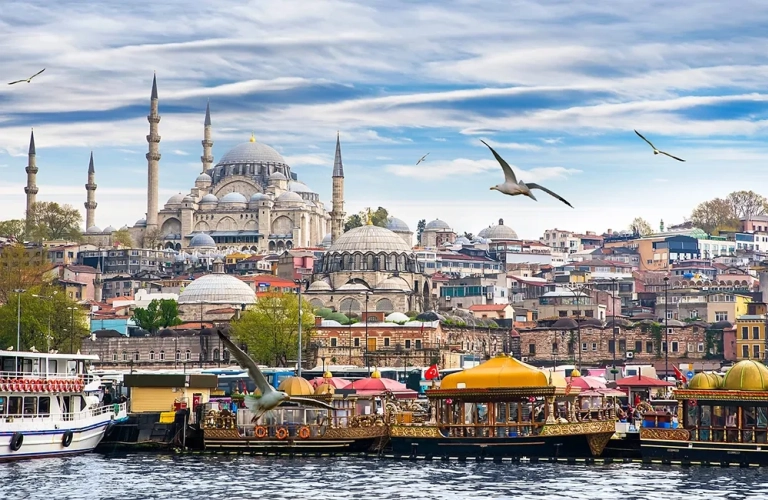
Explore Sultanahmet and the Historic Old City, including Hagia Sophia, the Blue Mosque, Topkapi Palace, and Basilica Cistern.
-
Visit the Grand Bazaar and Spice Bazaar for traditional shopping and local atmosphere.
-
Take a Bosphorus cruise between Istanbul's European and Asian shores.
-
Explore Galata and Beyoğlu, including Galata Tower and Istiklal Street.
-
Visit Kadıköy to experience Istanbul's food markets, cafés, street art, and local atmosphere.
-
Experience a traditional Turkish hammam.
-
Try Istanbul's famous foods, including Turkish breakfast, kebabs, meze, simit, balık ekmek, and Turkish desserts.
-
Visit Istanbul's museums and cultural attractions.
-
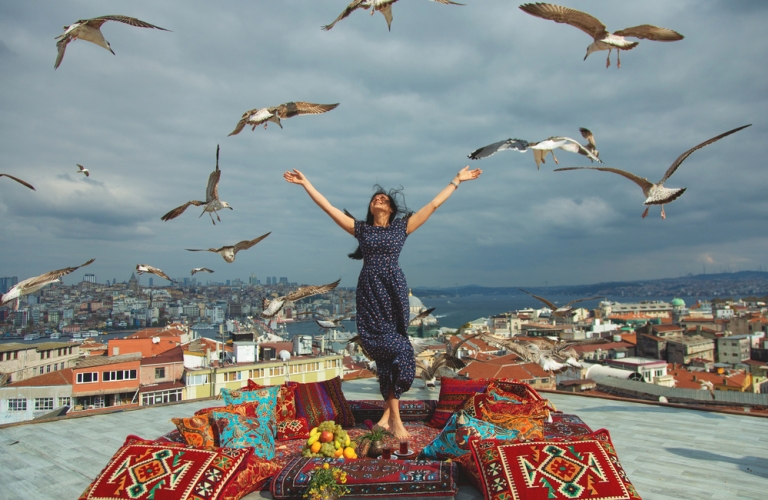
Enjoy panoramic views from the Bosphorus, Galata, or a rooftop terrace.
-
Explore Istanbul by ferry and experience one of the city's most distinctive forms of transportation.
If you are visiting Istanbul for the first time, prioritize Sultanahmet, the Grand Bazaar, a Bosphorus cruise, Galata and Beyoğlu, and at least one local food experience.
Istanbul at a Glance
| Experience | Top Places / Activities | Time Needed | Best For |
|---|---|---|---|
| Historic Istanbul | Hagia Sophia, Blue Mosque, Topkapi Palace, Basilica Cistern | Half day | First-time visitors |
| Bazaars | Grand Bazaar, Spice Bazaar | 2–4 hours | Shopping & culture |
| Bosphorus | Bosphorus cruise, ferry rides, waterfront walks | 2–4 hours | Couples & families |
| Galata & Beyoğlu | Galata Tower, Istiklal Street, cafés | Half day | City life & nightlife |
| Asian Side | Kadıköy, markets, cafés, Moda | Half day | Local atmosphere |
| Food | Breakfast, kebabs, meze, simit, balık ekmek | 1–3 hours | Food lovers |
| Culture | Museums, hammam, Whirling Dervish ceremony | 1–3 hours | Culture lovers |
| Shopping | Grand Bazaar, Spice Bazaar, local shops | 2–4 hours | Shoppers |
| Photography | Bosphorus, Galata, rooftops, historic streets | 2–4 hours | Photographers |
| Day Trips | Princes' Islands and nearby destinations | Full day | Longer stays |
How Many Days Do You Need in Istanbul?
For most first-time visitors, 3 days in Istanbul provides a good balance between historic sights, local neighborhoods, food, and the Bosphorus.
2 Days in Istanbul
With two days, focus on the city's most important highlights.
Day 1: Explore Sultanahmet, including Hagia Sophia, the Blue Mosque, Topkapi Palace, and Basilica Cistern.
Day 2: Visit the Grand Bazaar and Spice Bazaar, then explore Galata and Beyoğlu or take a Bosphorus cruise.
Two days is enough to see the major highlights, but the itinerary will be relatively busy.
3 Days in Istanbul
Three days allows you to combine the historic center with the Bosphorus and Istanbul's modern neighborhoods.
You can explore Sultanahmet on the first day, visit the Grand Bazaar and take a Bosphorus cruise on the second, and explore Galata, Beyoğlu, or Kadıköy on the third.
This is a good length for a first-time visit.
4–5 Days in Istanbul
With four or five days, you can explore Istanbul at a slower pace and add more local experiences.
Consider adding:
-
Kadıköy and Moda
-
Additional museums
-
A traditional hammam
-
More time along the Bosphorus
-
Local food tours
-
A day trip to the Princes' Islands
Best Places to Visit in Istanbul
Istanbul's attractions are spread across several distinct areas. For first-time visitors, understanding the main neighborhoods makes planning much easier.
Sultanahmet and the Historic Old City
Sultanahmet is the best area to begin exploring Istanbul's historic landmarks.
The neighborhood contains some of the city's most important monuments and is ideal for visitors interested in Byzantine and Ottoman history.
Hagia Sophia
Hagia Sophia is one of Istanbul's most important architectural landmarks.
Originally built as a Byzantine cathedral, it later served as a mosque, museum, and mosque again. Its enormous dome, mosaics, calligraphy, and layered history make it one of the city's essential sights.
Blue Mosque
The Blue Mosque, officially known as the Sultan Ahmed Mosque, stands opposite Hagia Sophia.
It is known for its six minarets, elegant domes, and interior decorated with Iznik tiles.
Visitors should remember that it remains an active mosque, so appropriate clothing and visiting times should be respected.
Topkapi Palace
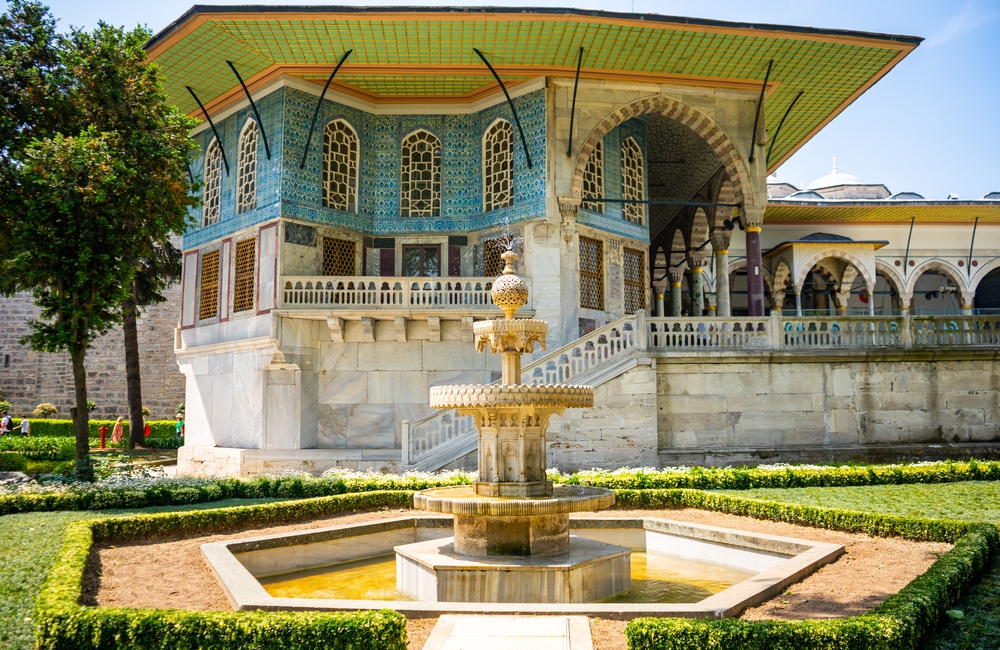
Topkapi Palace was the principal palace of the Ottoman sultans for centuries.
Visitors can explore palace courtyards, imperial collections, sacred relics, and sections overlooking the Bosphorus.
Basilica Cistern
The Basilica Cistern is an atmospheric underground structure built during the Byzantine period.
Its columns, dim lighting, and underground setting make it one of the most distinctive attractions in the historic center.
Beyoğlu and Galata
Beyoğlu and Galata offer a different side of Istanbul, with historic streets, cafés, restaurants, galleries, shops, and nightlife.
Galata Tower
Galata Tower is one of Istanbul's most recognizable landmarks.
The tower and surrounding streets are particularly popular with visitors interested in photography, cafés, shopping, and city views.
Istiklal Street
Istiklal Street is one of Istanbul's busiest pedestrian streets.
The area is lined with shops, cafés, restaurants, historic buildings, churches, galleries, and cultural venues.
Kadıköy and the Asian Side
Kadıköy provides an opportunity to experience a more local side of Istanbul.
The district is known for its food market, restaurants, cafés, street art, independent shops, and lively atmosphere.
The nearby Moda waterfront is a pleasant area for walking and enjoying views across the Bosphorus.
Best Things to Do in Istanbul
Take a Bosphorus Cruise
A Bosphorus cruise is one of the best ways to experience Istanbul.
From the water, you can see Ottoman palaces, waterfront mansions, historic neighborhoods, bridges, mosques, and the city's changing skyline.
Cruise options range from shorter sightseeing trips to longer excursions and sunset cruises.
Explore the Grand Bazaar
The Grand Bazaar is one of Istanbul's most famous historic markets.
Its covered streets contain thousands of shops selling carpets, jewelry, textiles, ceramics, leather goods, souvenirs, and other traditional products.
Even if you do not plan to shop, walking through the market is a memorable Istanbul experience.
Visit the Spice Bazaar
The Spice Bazaar is another historic market in the Old City.
It is particularly known for spices, Turkish delight, dried fruits, nuts, teas, sweets, and traditional food products.
It can easily be combined with a visit to the nearby Eminönü waterfront.
Experience a Traditional Turkish Hammam
A Turkish hammam combines bathing traditions with centuries of Ottoman culture.
Historic hammams in Istanbul offer visitors an opportunity to experience this traditional ritual in an atmospheric setting.
If you plan to visit a hammam, check the services and reservation requirements in advance.
Walk Along the Bosphorus
Walking along the Bosphorus is a simple way to experience Istanbul without following a fixed tour.
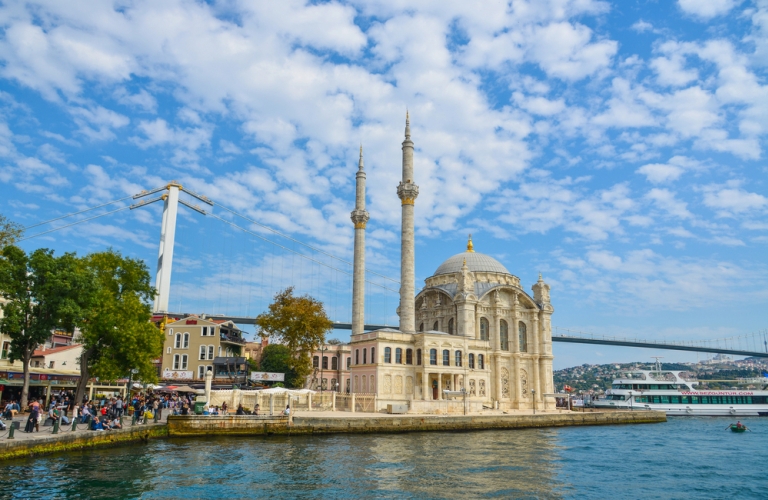
Popular waterfront areas include Ortaköy, Bebek, Üsküdar, and parts of Kadıköy.
Ride an Istanbul Ferry
Ferries are part of everyday life in Istanbul and are also an enjoyable way for visitors to see the city.
A ferry crossing between the European and Asian sides provides excellent views of the Bosphorus, historic waterfront buildings, and Istanbul's skyline.
What to Eat in Istanbul
Istanbul is one of the best places in Turkey to experience the country's regional cuisines and street food traditions.
Turkish Breakfast
A traditional Turkish breakfast usually includes several types of cheese, olives, eggs, tomatoes, cucumbers, bread, honey, jams, and tea.
Breakfast can be a substantial meal, especially when shared with friends or family.
Kebabs and Meze
Istanbul offers many varieties of Turkish kebabs and meze.
You can find grilled meats, vegetable dishes, yogurt-based appetizers, stuffed vegetables, salads, and other traditional dishes throughout the city.
Simit and Street Food
Simit is one of Istanbul's most recognizable street foods.
Other popular choices include roasted chestnuts, corn, kumpir, and various snacks sold by street vendors.
Balık Ekmek
Balık ekmek, or fish sandwich, is traditionally associated with the waterfront around Eminönü.
It is a simple but memorable way to experience Istanbul's connection with the Bosphorus.
Turkish Desserts and Ice Cream
Visitors should also try Turkish sweets such as baklava, Turkish delight, and sütlaç.
Turkish ice cream, known as dondurma, is another popular treat.
Experience Istanbul's Culture and Local Life
Visit Istanbul's Museums
Istanbul has museums covering archaeology, Ottoman history, Byzantine heritage, modern art, and Turkish culture.
The city's museums are especially useful for visitors who want more context after exploring its historic landmarks.
For a broader overview, see our Istanbul Museums Guide.
See a Whirling Dervish Ceremony
A Whirling Dervish ceremony provides an introduction to an important spiritual and cultural tradition associated with the Mevlevi order.
The ceremony is best approached as a cultural experience rather than simply a performance.
Explore Istanbul's Art and Cultural Scene
Modern Istanbul has a lively cultural scene with galleries, design spaces, music venues, exhibitions, and cultural centers.
Beyoğlu, Karaköy, and other central neighborhoods are good areas to discover contemporary Istanbul.
Where to Stay in Istanbul
The best area to stay depends on what you want from your trip.
Sultanahmet
Sultanahmet is ideal for first-time visitors who want to be close to Istanbul's major historic landmarks.
Advantages include:
-
Easy access to Hagia Sophia and the Blue Mosque
-
Walkable historic streets
-
Many hotels and restaurants
-
Convenient sightseeing in the Old City
Beyoğlu and Galata
Beyoğlu and Galata are suitable for travelers who prefer:
-
Restaurants and cafés
-
Nightlife
-
Shopping
-
Historic streets
-
A more contemporary atmosphere
Karaköy
Karaköy combines waterfront access with restaurants, cafés, galleries, and easy connections to other central neighborhoods.
Kadıköy
Kadıköy is a good choice for travelers who want a more local atmosphere, excellent food, and easy access to the Asian side of Istanbul.
Best Time to Visit Istanbul
Istanbul can be visited throughout the year, but the best period depends on your priorities.
Spring
April and May generally offer comfortable conditions for sightseeing, walking, and exploring outdoor attractions.
Summer
June through August brings warmer weather and longer daylight hours.
Summer can be busy, especially around major tourist attractions, but it is a good period for Bosphorus cruises and outdoor activities.
Autumn
September and October are often excellent months for exploring Istanbul, with generally comfortable temperatures and a good balance between sightseeing and outdoor activities.
Winter
Winter is colder and can be rainy, but it also offers fewer crowds and a different atmosphere.
It can be a good option for travelers focused on museums, historic buildings, food, shopping, and indoor cultural experiences.
Practical Istanbul Travel Tips
Getting Around Istanbul
Istanbul has an extensive public transportation network that includes:
-
Metro
-
Tram
-
Buses
-
Ferries
-
Funiculars
-
Marmaray trains
For first-time visitors, public transportation is often the easiest way to move between major neighborhoods.
Istanbulkart and Public Transportation
An Istanbulkart can make using public transportation more convenient.
It can be used across much of Istanbul's public transportation network, although visitors should check current payment and fare rules before traveling.
How to Dress at Mosques
When visiting active mosques, visitors should dress respectfully.
Women may need to cover their hair, shoulders, and legs, while all visitors should avoid clothing that is too revealing.
Shoes must be removed before entering prayer areas.
How to Avoid Tourist Traps
Be cautious when accepting unsolicited offers for restaurants, shops, tours, or transportation.
Before ordering in restaurants or purchasing expensive goods, check prices and understand what is included.
Using reputable tour operators and established businesses can also reduce the risk of unpleasant surprises.
How Much Time to Allow for Sightseeing
Do not try to visit every major attraction in one day.
Istanbul is large, and traffic and crowds can make journeys between neighborhoods longer than expected.
Grouping nearby attractions together makes your itinerary more comfortable and gives you more time to experience the city.
Is Istanbul Safe for Tourists?
Istanbul is a major international tourist destination, and millions of visitors travel to the city each year.
As with any large city, travelers should remain aware of their surroundings and take normal precautions with valuables, especially in crowded areas and public transportation.
For more detailed information, see our Istanbul Safety Guide for Tourists.
Suggested 3-Day Istanbul Itinerary
If you are visiting Istanbul for the first time and have three full days, this itinerary provides a balanced introduction to the city's history, culture, food, and neighborhoods.
Day 1: Sultanahmet and the Historic Old City
Start in Sultanahmet and visit:
-
Hagia Sophia
-
Blue Mosque
-
Hippodrome
-
Basilica Cistern
-
Topkapi Palace
In the afternoon, walk toward the Grand Bazaar and explore its historic streets and shops.
Day 2: Grand Bazaar, Bosphorus and Galata
Start with the Spice Bazaar and the surrounding Eminönü area.
Later, take a Bosphorus cruise or ferry ride.
In the afternoon, cross toward Galata and explore:
-
Galata Tower
-
Galata's historic streets
-
Istiklal Street
-
Beyoğlu
Finish the day with dinner in Beyoğlu, Galata, or Karaköy.
Day 3: Asian Side and Local Istanbul
Take a ferry to Kadıköy and explore the local food market, cafés, shops, and surrounding streets.
Continue toward Moda for a waterfront walk.
If you prefer more sightseeing instead, you can replace Kadıköy with an additional museum, Turkish hammam experience, or another Bosphorus activity.
If you have a fourth day, consider adding more museums, a longer Bosphorus experience, or a day trip such as the Princes' Islands.
Planning Your Istanbul Trip
Istanbul is easiest to enjoy when you organize your itinerary by neighborhood rather than trying to cross the city repeatedly.
For a first visit, combine the Historic Old City and Sultanahmet on one day, explore Galata and Beyoğlu on another, and use the Bosphorus and Asian Side to experience a different perspective of the city.
If you are planning to combine Istanbul with other destinations in Turkey, you can also explore our Istanbul tour packages.
Conclusion: Planning Your Istanbul Trip
Istanbul offers an exceptional combination of history, culture, food, architecture, shopping, and everyday local life.
For a first visit, prioritize Sultanahmet's historic landmarks, the Grand Bazaar, a Bosphorus cruise, Galata and Beyoğlu, and at least one local food experience.
With three days, you can experience the city's major highlights without rushing through every attraction. With four or five days, you can explore more neighborhoods, museums, food experiences, and the Asian side at a slower pace.
The key to enjoying Istanbul is not trying to see everything. Choose a few priority experiences, group attractions by location, and leave time to experience the city between the major sights.

Erdal Serbest is a travel content writer and tourism professional with a background in Tekirdağ Tourism Vocational High School. He has extensive experience in the hospitality and travel agency sectors, where he worked for several years supporting tour operations and destination marketing.
Throughout his career, he has created travel-focused blog content and contributed to destination promotion projects for various tourism platforms. Today, he focuses on developing engaging, informative, and experience-based content for turkeytravel.com.
He believes that travel is the most authentic way to understand cultures, flavors, and human stories, and he aims to reflect this perspective in every article he writes.