Is Istanbul Safe? A Practical Safety Guide for Tourists
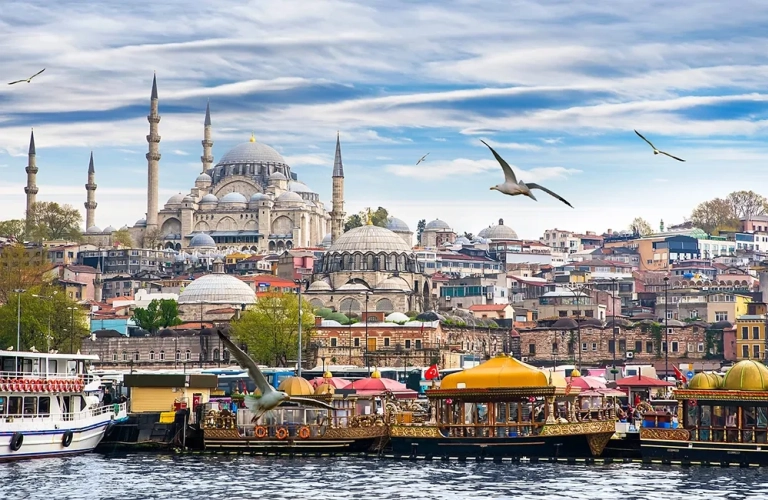
Istanbul is a major international city that welcomes visitors from around the world. From the historic streets of Sultanahmet to the lively neighborhoods of Kadıköy and Beyoğlu, travelers can explore a wide range of cultural attractions, restaurants and local experiences.
But is Istanbul safe for tourists?
For most visitors, Istanbul can be explored comfortably with sensible precautions. As in other large cities, however, travelers should be aware of their surroundings, protect their belongings and take care when using taxis, visiting nightlife venues or walking through unfamiliar areas.
This guide explains the main safety considerations in Istanbul, common tourist scams, transportation advice and practical tips for solo travelers and families.
Is Istanbul Safe for Tourists?
Istanbul is a popular destination for international travelers, and many visitors enjoy their stay without experiencing safety problems.
Nevertheless, safety conditions can vary depending on the neighborhood, time of day and current circumstances. Petty theft, overcharging and tourist scams are among the issues visitors should be aware of, particularly in busy tourist areas.
Before and during your trip, it is sensible to:
-
Check your government's latest travel advice for Türkiye.
-
Keep an eye on your belongings in crowded places.
-
Use reputable transportation services.
-
Avoid unfamiliar situations that make you uncomfortable.
-
Follow local instructions and official announcements.
Rather than assuming that every part of the city is equally safe, use normal urban travel precautions throughout your visit.
Common Safety Risks in Istanbul
Most practical safety advice for visitors concerns avoiding opportunistic theft, misleading offers and unnecessary risks.
Pickpocketing in Crowded Areas
Pickpocketing can happen in busy public places, especially where visitors gather.
Pay particular attention around:
-
Grand Bazaar and Spice Bazaar
-
Sultanahmet Square
-
Istiklal Avenue
-
Busy tram and metro stations
-
Ferry terminals
-
Crowded public transport during rush hour
Keep your wallet and phone secure, carry your bag in front of you in crowded places and avoid leaving valuables in easily accessible pockets.
Taxi Scams and Overcharging
Taxi journeys can sometimes lead to disagreements over fares, routes or payment.
To reduce the risk:
-
Use licensed taxis.
-
Check that the taximeter is running.
-
Confirm the destination before starting the journey.
-
Use a reputable taxi or ride-hailing application where available.
-
Avoid accepting unsolicited offers of private transportation.
If a driver refuses to use the meter or makes you uncomfortable, consider ending the journey in a safe, public location.
For airport transfers, arranging transportation in advance through a reputable provider can make arrival easier.
The Shoe-Shine Trick
One scam reported by visitors involves a shoe shiner who deliberately drops a brush near a tourist.
After the tourist picks it up, the shoe shiner may offer a supposedly free shoe shine and then demand an unexpectedly high payment.
If someone approaches you in this way, you can politely decline and continue walking.
Bar and Nightlife Invitation Scams
Be cautious if strangers approach you on the street and invite you to a bar or nightclub, particularly if they insist that you follow them to an unfamiliar venue.
Some visitors have reported unexpectedly high bills after accepting such invitations.
Choose established venues yourself, check prices before ordering and never feel pressured to follow someone you have just met.
Unsolicited Offers and Street Approaches
In busy tourist districts, you may encounter people offering tours, souvenirs, transportation or other services.
Not every approach is dishonest, but it is better to compare options independently and avoid making rushed decisions.
If an offer seems unusually cheap or comes with pressure to pay immediately, walk away.
Which Areas of Istanbul Are Convenient for Tourists?
There is no reliable basis for declaring entire neighborhoods completely safe or unsafe. However, some districts are particularly convenient for visitors because they have established tourism facilities, accommodation, restaurants and public transportation.
Sultanahmet
Sultanahmet is Istanbul's historic center and a popular base for first-time visitors.
Hagia Sophia, the Blue Mosque, Topkapi Palace and the Basilica Cistern are all within or near this area. Its central location makes sightseeing convenient, although the streets and squares can become crowded.
Beyoğlu and Taksim
Beyoğlu offers a wide choice of hotels, restaurants, shops and nightlife.
Istiklal Avenue and the surrounding streets are busy throughout much of the day and evening. As in other crowded entertainment districts, keep your belongings secure and be careful when accepting invitations from strangers.
Karaköy
Karaköy is a waterfront neighborhood with cafes, restaurants, galleries and ferry connections.
It is a convenient area for visitors who want to explore both the historic peninsula and other parts of the city.
Kadıköy
Located on Istanbul's Asian side, Kadıköy is known for its markets, restaurants, cafes and lively local atmosphere.
It is a good option for travelers interested in experiencing a different side of Istanbul. As with any urban neighborhood, pay attention to your surroundings, particularly late at night.
When choosing accommodation, consider the hotel's location, recent guest reviews, access to public transport and the route you will take back in the evening.
Is Public Transportation Safe in Istanbul?
Istanbul's public transportation network includes metro lines, trams, buses, ferries and Marmaray trains. These services are widely used by residents and visitors.
Public transportation is a practical way to explore the city, but crowded vehicles require the same precautions you would take in any large metropolitan area.
Metro and Tram
The metro and tram are useful for reaching major attractions and connecting different districts.
During busy periods:
-
Keep bags closed and close to your body.
-
Avoid displaying expensive phones or jewelry unnecessarily.
-
Be aware of your surroundings when boarding and leaving.
-
Keep children close in crowded stations.
Ferries
Ferries provide a convenient way to cross the Bosphorus and travel between the European and Asian sides.
Follow onboard instructions, watch your belongings and take care when boarding or leaving, especially during busy periods.
Buses and Marmaray
Buses and Marmaray trains connect many parts of Istanbul.
Check your route before traveling, keep your belongings secure and allow extra time during rush hour.
For more details about routes, tickets and transport options, read our Istanbul Public Transportation Guide.
Is Istanbul Safe at Night?
Many visitors enjoy Istanbul's restaurants, cafes and nightlife after sunset.
Popular areas such as Karaköy, Kadıköy, and parts of Beyoğlu offer evening entertainment. However, conditions differ from street to street, and a busy nightlife district does not mean every nearby street is equally suitable for walking late at night.
For a more comfortable evening:
-
Stay on well-lit, active streets.
-
Plan how you will return to your accommodation.
-
Use licensed taxis or reputable transportation services.
-
Avoid walking alone through unfamiliar or isolated areas late at night.
-
Keep your phone charged and your accommodation address accessible.
If a street or situation makes you uncomfortable, change your route or use another form of transportation.
Is Istanbul Safe for Solo Travelers?
Istanbul can be a rewarding destination for people traveling alone. Its historical attractions, restaurants, museums and public transport make it possible to explore independently.
Solo travelers should take a few additional precautions:
-
Choose accommodation with good recent reviews.
-
Share your itinerary with someone you trust.
-
Avoid accepting unsolicited invitations from strangers.
-
Keep important documents and emergency contacts accessible.
-
Be cautious when meeting people through social or dating applications.
-
Plan your return journey before going out at night.
Is Istanbul Safe for Solo Female Travelers?
Many women visit Istanbul independently, but individual experiences vary.
When traveling alone, use the same precautions you would in any large international city. Choose well-reviewed accommodation, use established transportation and trust your instincts if an interaction or location makes you uncomfortable.
When visiting mosques, dress respectfully and follow the site's visitor guidance. Women may be asked to cover their hair, and clothing requirements can vary by religious site.
Is Istanbul Safe for Families with Children?
Istanbul offers many attractions for families, including museums, parks, ferries and historical sites.
Families can make their visit more comfortable by planning routes in advance and avoiding overly crowded schedules.
Useful precautions include:
-
Hold young children's hands in crowded streets and stations.
-
Agree on a meeting point in case family members become separated.
-
Keep identification and emergency contact information accessible.
-
Use suitable child restraints when arranging private road transportation.
-
Allow extra time when traveling between attractions.
The historic center can be busy, especially during peak visitor periods, so a relaxed itinerary is often more enjoyable for families.
What Should Tourists Do in an Emergency?
If you experience an emergency in Istanbul, contact the appropriate local emergency service.
Türkiye's emergency number is 112. It is used for emergency assistance, including ambulance, fire and police services.
Visitors should also:
-
Keep their hotel or accommodation address available.
-
Save important contact details on their phone.
-
Contact their country's embassy or consulate when consular assistance is needed.
-
Report theft or other incidents to the police.
-
Contact their travel insurance provider if the incident involves medical care or lost belongings.
For serious incidents, follow instructions from local authorities rather than relying on social media posts or unverified information.
Practical Istanbul Safety Tips
Before exploring the city, keep these recommendations in mind:
-
Carry only the cash and cards you need for the day.
-
Keep your passport secure and carry an appropriate identification copy.
-
Use bags with secure closures.
-
Be careful when using your phone near busy roads or crowded transport.
-
Check restaurant and bar prices before ordering.
-
Avoid unsolicited offers that involve pressure to pay.
-
Use licensed taxis and reputable transport services.
-
Stay aware of your surroundings in crowded markets.
-
Keep emergency contact details accessible.
-
Check current travel advice before departure.
Is Istanbul Safe Compared with Other Major Cities?
Comparing the safety of international cities is not always straightforward. Crime statistics, reporting methods and local conditions differ, so simple rankings can be misleading.
Like London, Paris, Rome and other major destinations, Istanbul has busy tourist districts where visitors should be aware of pickpocketing, scams and transportation issues.
The most useful approach is not to assume that one city is completely safe or unsafe, but to understand the local risks and take sensible precautions.
Final Thoughts: Should You Visit Istanbul?
Istanbul remains an attractive destination for travelers interested in history, architecture, food, shopping and culture.
For most visitors, a comfortable trip is possible with ordinary precautions and sensible planning. Be aware of crowded areas, choose transportation carefully, avoid suspicious offers and stay informed about current local conditions.
If you are visiting for the first time, planning your days and transportation in advance can make your experience easier.
You can explore the city's historic landmarks, neighborhoods and waterfront with our Istanbul Tours, or discover more destinations through our Turkey Tour Packages.
Frequently Asked Questions
Is Istanbul safe for American tourists?
American tourists can visit Istanbul, but should check current U.S. government travel advice before departure and follow normal precautions in crowded areas and unfamiliar neighborhoods.
Is Istanbul safe for Australian tourists?
Australian travelers should consult the Australian government's current travel advice for Türkiye before their trip. During their stay, they should protect valuables, use reputable transportation and remain aware of their surroundings.
Is it safe to walk around Istanbul?
Walking is a practical way to explore many central neighborhoods. Use well-lit, active streets, pay attention to traffic and avoid unfamiliar isolated areas late at night.
Is public transportation safe for tourists in Istanbul?
Metro, tram, bus, ferry and Marmaray services are widely used. Keep your belongings secure, especially during crowded journeys.
Can tourists use taxis in Istanbul?
Yes. Use licensed taxis, check the meter and confirm your destination. Reputable taxi applications can also help you arrange a journey.
Is Istanbul safe for women traveling alone?
Many women travel independently in Istanbul. As in other large cities, it is sensible to choose well-reviewed accommodation, plan evening transportation and avoid unwanted approaches or unfamiliar invitations.
What is the emergency number in Istanbul?
Call 112 for emergency assistance in Türkiye, including police, ambulance and fire services.
Should I avoid any areas in Istanbul?
It is better not to label entire districts as universally safe or unsafe. Check current official travel advice, ask your accommodation for local guidance and avoid areas where authorities have issued warnings or restrictions.

Erdal Serbest is a travel content writer and tourism professional with a background in Tekirdağ Tourism Vocational High School. He has extensive experience in the hospitality and travel agency sectors, where he worked for several years supporting tour operations and destination marketing.
Throughout his career, he has created travel-focused blog content and contributed to destination promotion projects for various tourism platforms. Today, he focuses on developing engaging, informative, and experience-based content for turkeytravel.com.
He believes that travel is the most authentic way to understand cultures, flavors, and human stories, and he aims to reflect this perspective in every article he writes.