What to Do in Istanbul: 20 Best Things to See and Do
Istanbul is one of the world's most fascinating cities, bringing together European and Asian influences, centuries of history, distinctive neighborhoods and a vibrant modern lifestyle. Whether you are visiting for the first time or returning to discover more, there are countless things to do in Istanbul.
You can explore magnificent Ottoman palaces, walk through historic streets, take a ferry across the Bosphorus, browse traditional markets, enjoy Turkish cuisine and experience the city's lively atmosphere after sunset.
This guide covers 20 of the best things to do in Istanbul, including historical attractions, local experiences, outdoor activities and ideas for families. It also includes a suggested three-day itinerary to help you plan your visit.
1. Explore Istanbul's Historic Old City
The Historic Peninsula, especially the Sultanahmet district, is the best place to begin exploring Istanbul. This area contains some of the city's most important landmarks and reflects its Byzantine and Ottoman heritage.
Allow enough time to explore the main attractions rather than rushing from one monument to another.
Visit Hagia Sophia
Hagia Sophia is one of Istanbul's most remarkable historical landmarks. Originally built as a Byzantine cathedral, it later became an Ottoman mosque and is now an active mosque again.
Its enormous dome, architectural details and historical significance make it an essential stop for visitors interested in Istanbul's past. Check current visitor arrangements before your visit, as access conditions may change.
See the Blue Mosque
The Blue Mosque, officially known as Sultan Ahmed Mosque, is famous for its elegant domes, six minarets and blue İznik tiles.
It remains an active place of worship, so visitors should dress respectfully and be aware of prayer times and visitor restrictions.
Discover Topkapi Palace
Topkapi Palace served as the residence and administrative center of Ottoman sultans for centuries.
Its courtyards, historic rooms, collections and views over the Bosphorus offer an insight into the Ottoman imperial world. Set aside several hours if you want to explore the palace at a relaxed pace.
Visit the Basilica Cistern
Located beneath the streets of the Old City, the Basilica Cistern is an atmospheric underground structure dating from the Byzantine period.
Its columns, dim lighting and famous Medusa-head carvings create a memorable experience. It is also a good alternative when you want a break from walking around the busy historic streets.
2. Walk Through the Grand Bazaar
The Grand Bazaar is one of Istanbul's most famous traditional markets. Its covered streets are filled with shops selling carpets, ceramics, jewelry, textiles, lamps, leather goods and souvenirs.
Even if you do not plan to buy anything, walking through the market is a cultural experience in itself.
Take your time, explore the smaller lanes and compare products before making a purchase. Bargaining may be part of the shopping experience in some stores.
3. Discover the Spice Bazaar
The Spice Bazaar, also known as the Egyptian Bazaar, is another historic market worth visiting.
You will find spices, Turkish tea, dried fruit, nuts, sweets and traditional food products. The colorful displays and aromas make it an enjoyable stop for visitors interested in local shopping and food culture.
The market is close to Eminönü and can easily be combined with a walk along the waterfront.
4. Take a Bosphorus Cruise
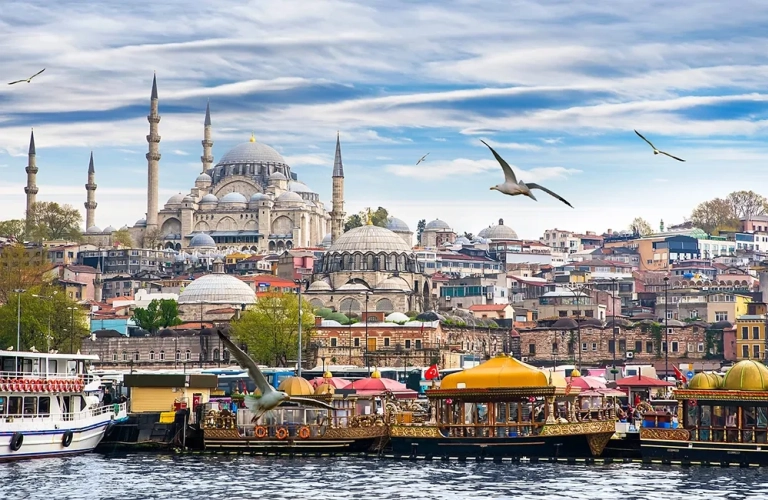
A Bosphorus cruise is one of the most memorable experiences in Istanbul. The waterway separates the European and Asian sides of the city, offering views of historic waterfront mansions, palaces, mosques, bridges and neighborhoods.
You can choose between public ferry journeys and dedicated sightseeing cruises.
For a more relaxed experience, consider taking a ferry during the day. An evening cruise offers a different atmosphere, with the city's illuminated waterfront creating beautiful views.
5. Cross Between Europe and Asia by Ferry
One of the simplest ways to experience Istanbul's transcontinental character is to take a public ferry between its European and Asian shores.
Routes connecting Eminönü, Karaköy or Beşiktaş with Kadıköy and Üsküdar provide a practical way to see both sides of the city.
Enjoy the skyline from the water, watch the seagulls and experience a part of everyday life for Istanbul residents.
6. Explore Galata and Climb Galata Tower
Galata is one of Istanbul's most atmospheric historic neighborhoods. Its narrow streets, old buildings, independent shops and cafés make it a pleasant area to explore on foot.
Galata Tower is the neighborhood's best-known landmark. Visitors can enjoy panoramic views of Istanbul from the tower, subject to current admission arrangements.
After visiting, walk downhill toward Karaköy to discover galleries, cafés and waterfront streets.
7. Walk Along Istiklal Avenue
Istiklal Avenue is one of the busiest pedestrian streets in Istanbul. Stretching through Beyoğlu, it is lined with shops, cafés, restaurants, historic buildings and cultural venues.
Look out for the historic passages and arcades along the street. You can also see the nostalgic red tram that runs along part of the avenue.
Continue toward Taksim Square or explore the side streets around Galata and Şişhane.
8. Visit Dolmabahçe Palace
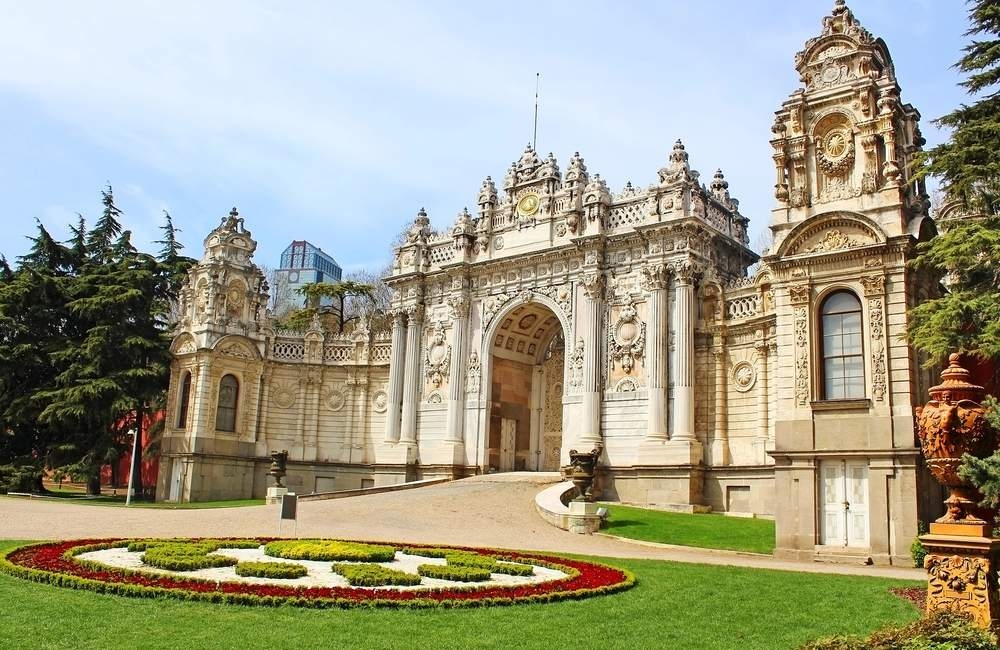
Dolmabahçe Palace stands on the European shore of the Bosphorus and reflects the later period of the Ottoman Empire.
Its grand architecture, elaborate interiors and waterfront setting make it different from Topkapi Palace.
If you enjoy architecture and history, visiting both palaces can help you understand how the Ottoman imperial style changed over time.
9. Discover Süleymaniye Mosque
Süleymaniye Mosque is one of the finest examples of classical Ottoman architecture. Designed by the celebrated architect Mimar Sinan, it stands on one of Istanbul's historic hills.
The mosque complex includes courtyards and surrounding historic structures. The area also offers attractive views across the Golden Horn.
Remember that it is an active mosque, so dress appropriately and respect prayer times.
10. Explore Balat and Fener
Balat and Fener are historic neighborhoods along the Golden Horn, known for their colorful buildings, old streets and diverse architectural heritage.
Walking through these districts offers a different perspective on Istanbul beyond its major monuments.
You can discover traditional houses, small cafés, churches and local shops. Allow time to explore at a relaxed pace, as the streets can be steep in places.
11. Experience Kadıköy and Moda
For a different side of Istanbul, take a ferry to Kadıköy on the Asian shore.
Kadıköy is known for its lively markets, restaurants, cafés, bookshops and street art. The nearby Moda neighborhood has a relaxed atmosphere and pleasant waterfront walking areas.
It is an excellent destination for travelers who want to experience contemporary local life rather than focus only on historical attractions.
12. Taste Traditional Turkish Food
Food is an important part of the Istanbul experience. The city brings together culinary traditions from different regions of Turkey, alongside its own distinctive food culture.
Try traditional dishes, visit a local restaurant, explore a food market or enjoy a Turkish breakfast.
Some experiences worth considering include:
-
A traditional Turkish breakfast
-
Kebabs and regional specialties
-
Meze and seasonal dishes
-
Turkish tea and coffee
-
Baklava and other traditional desserts
For a more detailed list of dishes and food experiences, read our guide to What to Eat in Istanbul.
13. Enjoy a Traditional Turkish Bath
A visit to a traditional Turkish bath, known as a hamam, is a cultural experience as well as a way to relax after a day of sightseeing.
Historic hamams can be found in several parts of Istanbul. Depending on the establishment, services may include a warm marble room, bathing rituals and optional massage treatments.
Check the available services, prices and reservation requirements before choosing a hamam.
14. Watch a Whirling Dervish Ceremony
The Mevlevi tradition is an important part of Turkey's cultural and spiritual heritage.
A whirling dervish ceremony, known as a Sema, combines music, movement and religious symbolism. It is not simply a performance, but a spiritual ritual with a particular meaning and tradition.
If you attend one, choose a reputable venue and take time to understand the cultural background.
15. Visit Istanbul's Museums
Istanbul has museums covering archaeology, art, history, transportation and technology.
Depending on your interests, consider:
-
Istanbul Archaeological Museums
-
Turkish and Islamic Arts Museum
-
Museum of Turkish and Islamic Arts
-
Rahmi M. Koç Museum
-
Istanbul Modern
Opening days, admission arrangements and exhibitions can change, so check the official museum information before planning your visit.
16. Spend Time on the Princes' Islands
The Princes' Islands are located in the Sea of Marmara and offer a quieter atmosphere away from the busy city center.
Büyükada is the best-known island and is popular for its historic houses, waterfront scenery and walking routes.
You can reach the islands by ferry, but allow enough time for the journey and return trip. Ferry schedules vary, so check the current timetable before setting out.
17. Discover Istanbul's Nightlife
Istanbul offers many ways to enjoy the city after dark.
You can explore the lively streets of Beyoğlu, visit restaurants and cafés in Karaköy, enjoy waterfront dining or experience the atmosphere of Kadıköy.
For panoramic views, consider a rooftop venue. If you prefer something more traditional, explore the meyhanes and restaurants where people gather for food, conversation and music.
Choose venues according to your interests and check transport options for your return journey.
18. Enjoy a Bosphorus-Side Evening
The Bosphorus is beautiful at any time of day, but the waterfront becomes especially atmospheric in the evening.
Neighborhoods such as Ortaköy, Bebek and Arnavutköy are popular for waterfront walks, cafés and restaurants.
You can enjoy the views, photograph the bridges and watch boats passing along the waterway.
19. Discover Family-Friendly Attractions
Istanbul has several attractions suitable for families traveling with children.
Some options include:
-
Miniatürk: A park displaying miniature models of famous landmarks in Turkey.
-
Rahmi M. Koç Museum: A museum with collections related to transport, industry and technology.
-
Gülhane Park: A historic green space near the Old City.
-
Princes' Islands: An opportunity to enjoy a ferry journey and explore a quieter setting.
-
Bosphorus ferry rides: An enjoyable way to see the city from the water.
Consider children's ages, walking distances and travel time when planning each day.
20. Enjoy Istanbul's Street Life and Everyday Culture
Some of the most memorable experiences in Istanbul are not necessarily found inside museums or major attractions.
Spend time observing the city: watch fishermen along the Galata Bridge, enjoy tea at a traditional café, walk through a neighborhood market or take a ferry during the evening commute.
These small experiences help you understand the rhythm of everyday life in Istanbul.
What to Do in Istanbul in 3 Days: Suggested Itinerary
If you have three days in Istanbul, you can combine the city's most important historical landmarks with its neighborhoods and waterfront experiences.
Day 1: Historic Istanbul
-
Visit Hagia Sophia.
-
Explore the Blue Mosque.
-
Discover Topkapi Palace.
-
Visit the Basilica Cistern.
-
Walk through the historic streets of Sultanahmet.
Day 2: Markets and the Bosphorus
-
Explore the Grand Bazaar.
-
Visit the Spice Bazaar.
-
Walk around Eminönü.
-
Take a Bosphorus cruise or public ferry.
-
Explore Galata and Karaköy.
Day 3: Modern and Asian Istanbul
-
Walk along Istiklal Avenue.
-
Discover Galata and its surrounding streets.
-
Take a ferry to Kadıköy.
-
Explore the Kadıköy market and Moda.
-
Enjoy an evening meal on the Asian side.
This itinerary is flexible. If you prefer museums, architecture or a slower pace, spend more time in fewer neighborhoods rather than trying to see everything.
How Many Days Do You Need in Istanbul?
The ideal length of your stay depends on your interests and travel style.
-
2 days: Enough for a short introduction to the Historic Peninsula and one additional experience.
-
3 days: A good introduction to the major landmarks, markets and Bosphorus.
-
4 days: More time for museums, neighborhoods and both sides of the city.
-
5 days or more: Suitable for travelers who want a slower visit, additional museums or a day trip to the Princes' Islands.
For a more detailed breakdown, read our guide: How Many Days Do You Need in Istanbul?.
Practical Tips for Visiting Istanbul
Use public transportation: Istanbul's metro, tram, buses, ferries and other public transport services connect many major areas. Choose the most convenient route for each journey.
Wear comfortable shoes: Historic neighborhoods often have cobbled streets, hills and long walking routes.
Plan popular attractions in advance: Check current opening hours, admission arrangements and visitor rules before your visit.
Respect religious sites: Dress modestly when entering mosques and avoid visiting restricted areas during prayer times.
Allow time for traffic: Road journeys can take longer than expected, particularly during busy periods.
Explore both sides of the city: Do not limit your visit to Sultanahmet and the European shore. Kadıköy and Üsküdar offer a different perspective on Istanbul.
Frequently Asked Questions About What to Do in Istanbul
What are the best things to do in Istanbul for first-time visitors?
Start with Hagia Sophia, the Blue Mosque, Topkapi Palace and the Basilica Cistern. Then explore the Grand Bazaar, take a Bosphorus cruise and visit neighborhoods such as Galata and Kadıköy.
Is three days enough to visit Istanbul?
Three days are enough to see several major attractions and experience different parts of the city. However, four or five days allow for a more relaxed visit and additional neighborhoods or museums.
What can you do in Istanbul at night?
You can enjoy a Bosphorus evening cruise, explore the restaurants and cafés of Karaköy and Kadıköy, walk through Beyoğlu or enjoy a waterfront dinner.
What are the best free things to do in Istanbul?
Walking through historic neighborhoods, exploring local streets, visiting public squares, enjoying waterfront views and taking some public ferry journeys are ways to experience Istanbul without paying for a major attraction. Transport fares and any site-specific charges still apply.
What can families do in Istanbul?
Families can visit Miniatürk, Rahmi M. Koç Museum and Gülhane Park, take ferry rides and explore the Princes' Islands. Choose activities according to children's ages and interests.
Is Istanbul easy to explore independently?
Yes. Many major attractions can be visited independently using public transportation. However, a guided tour can be useful if you want historical explanations, organized transportation and a structured route.
Discover Istanbul with TurkeyTravel
Istanbul rewards travelers who take time to explore beyond its famous landmarks. From Byzantine and Ottoman monuments to lively neighborhoods, traditional markets and Bosphorus views, the city offers experiences for every kind of visitor.
If you prefer to explore with a local professional guide and a planned itinerary, discover our Istanbul Tours.
You can also explore our Turkey Tour Packages if you would like to combine Istanbul with destinations such as Cappadocia, Ephesus or Pamukkale.
Start planning your Istanbul experience with TurkeyTravel.com.

Erdal Serbest is a travel content writer and tourism professional with a background in Tekirdağ Tourism Vocational High School. He has extensive experience in the hospitality and travel agency sectors, where he worked for several years supporting tour operations and destination marketing.
Throughout his career, he has created travel-focused blog content and contributed to destination promotion projects for various tourism platforms. Today, he focuses on developing engaging, informative, and experience-based content for turkeytravel.com.
He believes that travel is the most authentic way to understand cultures, flavors, and human stories, and he aims to reflect this perspective in every article he writes.