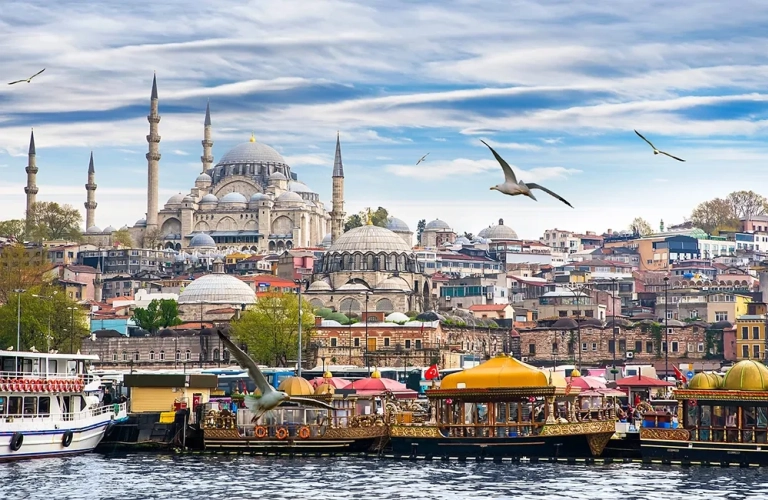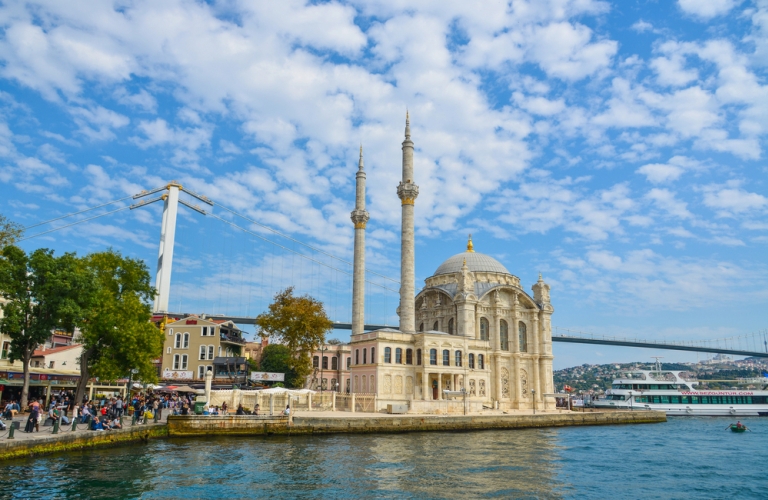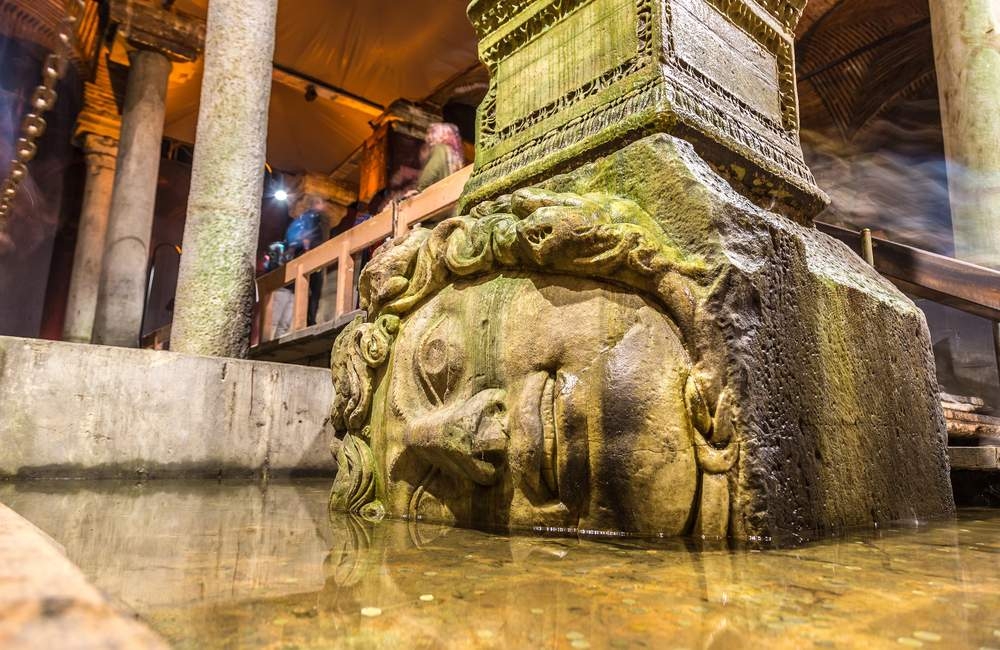
If you’ve ever wondered where is Istanbul located, you’re not alone. Istanbul is one of the most fascinating cities in the world, not only because of its history and culture, but also due to its unique geographical position. It is the only city on Earth that spans two continents, making it a bridge between civilizations, cultures, and continents.
In this comprehensive guide, we will explore where is Istanbul located, which continent it belongs to, whether Istanbul is in Europe or Asia, and why its geography has shaped world history. This article will help travelers, students, and curious readers fully understand Istanbul’s location through maps, regional explanations, and geographical insights.
Where Is Istanbul Located?
Istanbul is located in northwestern Turkey, straddling both Europe and Asia. The city sits along the strategic Bosphorus Strait, a narrow waterway that connects the Black Sea to the Sea of Marmara.
Geographically, Istanbul acts as a natural bridge between:
-
Eastern Europe
-
Western Asia
-
The Balkans
-
The Middle East
This exceptional position answers many common questions such as:
-
Where is Istanbul Turkey located?
-
Is Istanbul in Europe or Asia?
-
What continent is Istanbul in?

Where Is Istanbul Turkey Located on the Map?
To understand where is Istanbul located, it helps to visualize it on a world map.
Istanbul’s Global Position
Istanbul is located:
-
East of mainland Europe
-
West of mainland Asia
-
North of the Mediterranean Basin
-
South of the Black Sea
The city belongs to Turkey, a transcontinental nation positioned between Europe and Asia.
Istanbul’s Coordinates
-
Latitude: 41.0082° N
-
Longitude: 28.9784° E
These coordinates place Istanbul in the Northern Hemisphere, within the temperate climate zone.
Is Istanbul in Europe or Asia?
One of the most searched questions online is:
Is Istanbul in Europe or Asia?
The simple answer is: both.
Istanbul’s Continental Division
-
European Side: Approximately 35–40% of the city
-
Asian Side: Approximately 60–65% of the city
The Bosphorus Strait forms the natural boundary between the two continents.
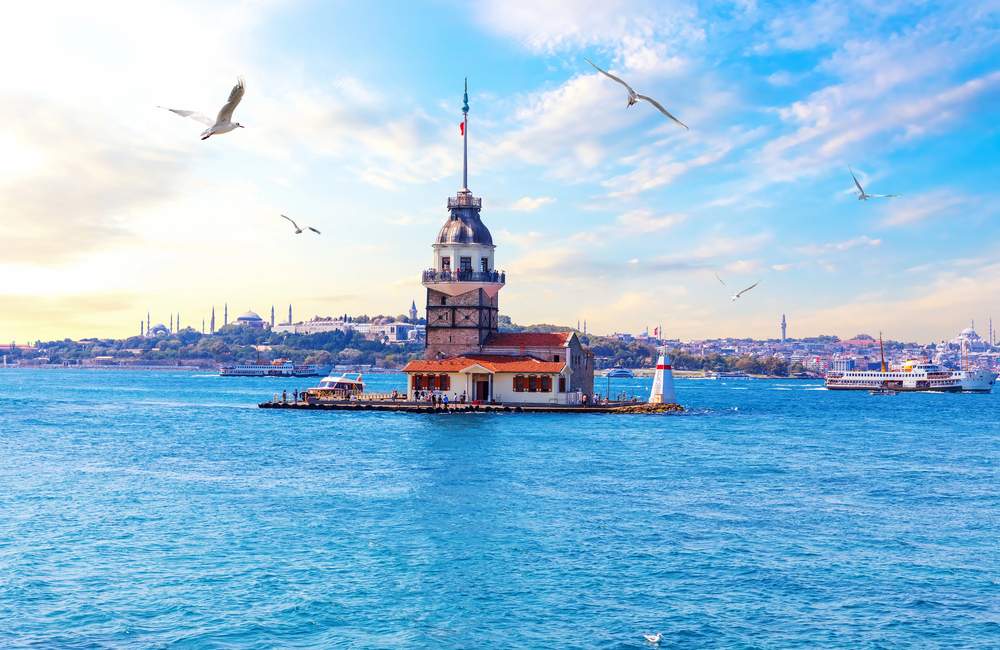
European Side of Istanbul
The European side includes:
-
Historic districts like Sultanahmet
-
Business hubs and cultural centers
-
Many of Istanbul’s most famous landmarks
Asian Side of Istanbul
The Asian side is known for:
-
Residential neighborhoods
-
Green spaces and local life
-
A calmer, less touristy atmosphere
Is Istanbul in Europe?
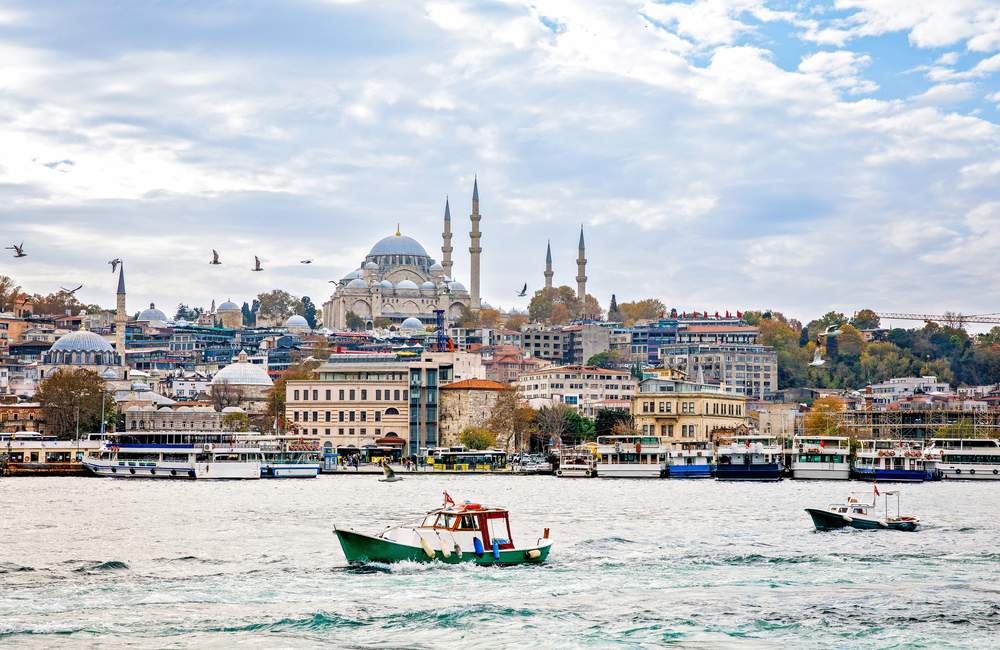
Yes, part of Istanbul is in Europe, making it one of the most important European cities historically.
Why Istanbul Is Considered a European City
-
It was the capital of the Byzantine Empire
-
Later became the capital of the Ottoman Empire
-
Influenced European politics, trade, and religion for centuries
Even today, many travelers refer to Istanbul as a European city due to its architecture, history, and cultural influence.
Is Istanbul in Asia?
Yes, a larger portion of Istanbul is in Asia, specifically in the region known as Anatolia.
Asian Istanbul Explained
The Asian side of Istanbul:
-
Faces the eastern shores of the Bosphorus
-
Connects culturally and geographically to Asia Minor
-
Plays a crucial role in modern Turkish life
This dual identity makes Istanbul unique among world cities.
Is Istanbul in Europe or Asia – Or Both?
If you’re asking is Istanbul in Europe or Asia, the most accurate answer is:
Istanbul is a transcontinental city located in both Europe and Asia.
This is why Istanbul is often described as:
-
The gateway between East and West
-
A bridge between civilizations
-
A cultural crossroads of continents
What Continent Is Istanbul In?
Another common question is what continent is Istanbul in.
Continental Classification
-
Europe: Western Istanbul (Thrace region)
-
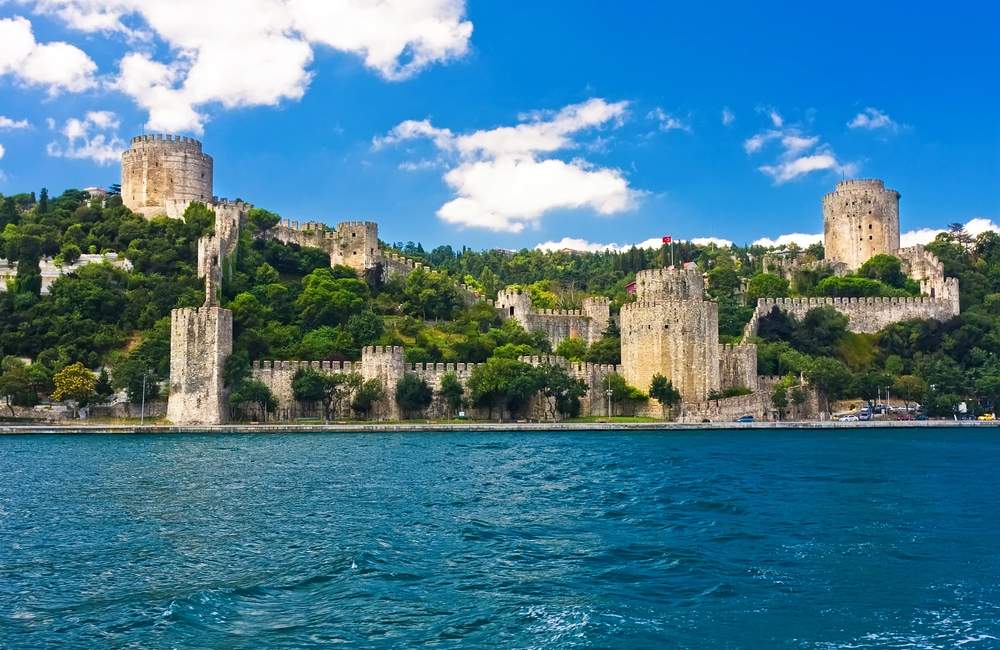
Asia: Eastern Istanbul (Anatolia region)
Because of this, Istanbul cannot be placed into a single continent category.
Istanbul’s Geographical Regions Explained
Thrace (European Side)
-
Part of southeastern Europe
-
Historically connected to the Balkans
-
Politically and culturally tied to Europe
Anatolia (Asian Side)
-
Part of Western Asia
-
Known as Asia Minor
-
Forms the bulk of modern Turkey
Why Istanbul’s Location Is So Important
Istanbul’s location has made it:
-
A strategic military point
-
A major trade hub
-
A center of cultural exchange
Trade & Commerce
For centuries, Istanbul controlled:
-
The Silk Road routes
-
Maritime trade between seas
-
East-West commercial movement
Cultural Influence
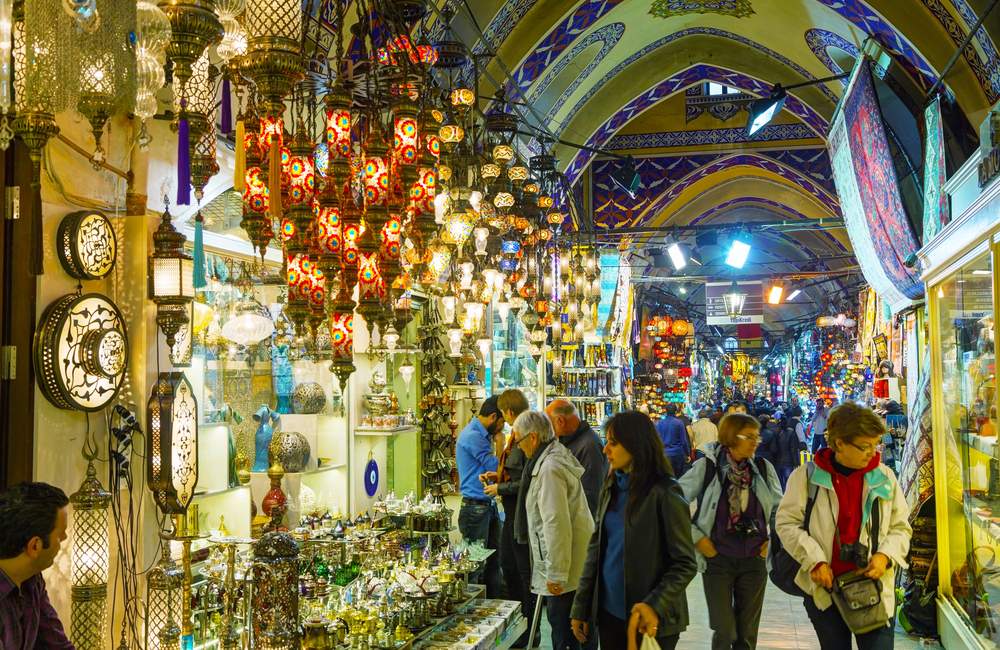
Istanbul’s geography allowed it to blend:
-
European architecture
-
Asian traditions
-
Middle Eastern culture
Istanbul’s Climate and Geography
Climate Overview
Istanbul has a moderate climate influenced by:
-
The Black Sea
-
The Sea of Marmara
-
Continental air masses
Natural Features
-
Hills and valleys
-
Coastlines on both continents
-
Natural harbors like the Golden Horn
Istanbul Compared to Other World Cities
Unlike other major cities:
-
It spans two continents
-
It connects two seas
-
It belongs to multiple cultural regions
No other city combines geography and history like Istanbul.
Why Travelers Ask “Where Is Istanbul Located?”
Travelers search where is Istanbul located because:
-
It’s geographically unique
-
It’s culturally diverse
-
It offers experiences from both Europe and Asia
Understanding Istanbul’s location helps travelers plan:
-
Sightseeing routes
-
Cultural experiences
-
Day trips across continents
Frequently Asked Questions About Istanbul’s Location
Where is Istanbul Turkey located exactly?
Istanbul is located in northwestern Turkey, between Europe and Asia, along the Bosphorus Strait.
Is Istanbul in Asia or Europe?
Istanbul is in both Asia and Europe.
What continent is Istanbul in?
Istanbul spans two continents: Europe and Asia.
Final Thoughts – Where Is Istanbul Located?
So, where is Istanbul located?
Istanbul is a transcontinental city in Turkey, uniquely positioned between Europe and Asia, separated by the Bosphorus Strait and shaped by centuries of history.
Its geographical location is not just a fact—it is the very reason Istanbul became one of the world’s greatest cities.
Ready to explore the only city in the world located on two continents?
Plan your unforgettable Istanbul experience with TurkeyTravel today and discover Europe and Asia in one incredible journey.

Erdal Serbest is a travel content writer and tourism professional with a background in Tekirdağ Tourism Vocational High School. He has extensive experience in the hospitality and travel agency sectors, where he worked for several years supporting tour operations and destination marketing.
Throughout his career, he has created travel-focused blog content and contributed to destination promotion projects for various tourism platforms. Today, he focuses on developing engaging, informative, and experience-based content for turkeytravel.com.
He believes that travel is the most authentic way to understand cultures, flavors, and human stories, and he aims to reflect this perspective in every article he writes.