10 Mistakes to Avoid When Visiting Turkey in 2027
Turkey is a rewarding destination for travelers interested in history, culture, natural landscapes, food, and coastal holidays. From Istanbul and Cappadocia to Ephesus, Pamukkale, and Antalya, there is plenty to discover.
However, first-time visitors sometimes make avoidable mistakes that can make their holiday more expensive, tiring, or complicated.
If you are planning to visit Turkey in 2027, understanding local customs, transportation options, regional distances, and travel arrangements can help you enjoy a smoother experience.
Here are 10 common mistakes to avoid when traveling in Turkey.
1. Trying to Visit Too Many Destinations in a Short Time
One of the biggest mistakes travelers make is trying to see the entire country during a short holiday.
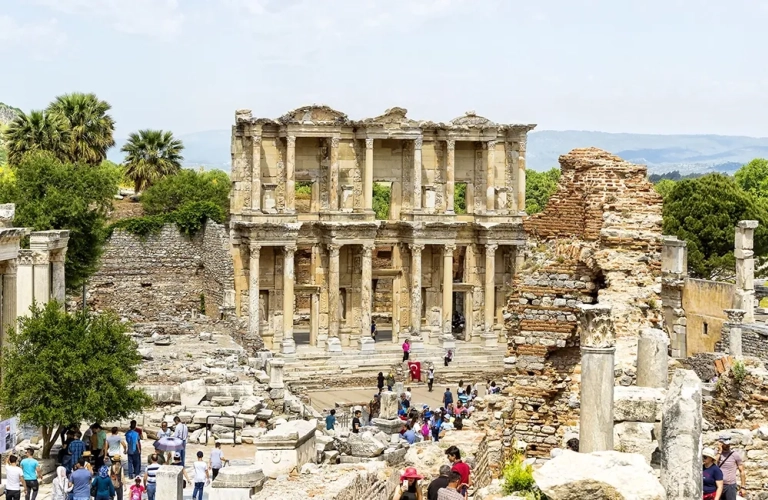
Turkey is geographically large, and its main attractions are spread across different regions. Traveling between Istanbul, Cappadocia, Ephesus, Pamukkale, and Antalya requires careful planning.
Adding too many destinations can mean spending more time at airports, on roads, and checking in and out of hotels than actually exploring.
Better approach:
-
For a 7-day trip, concentrate on a few destinations.
-
For 9–10 days, consider combining Istanbul with several major highlights.
-
For 12–14 days, allow more time for regional sightseeing.
-
Include travel time when calculating how many days you need.
See our guide to the best Turkey itineraries for 7, 10, and 14 days.
2. Underestimating Travel Distances Between Cities
Destinations that appear close on a map may require several hours of travel.
For example, reaching Cappadocia from Istanbul involves a domestic flight or a long overland journey. Traveling from Pamukkale to Antalya generally requires a road transfer.
A realistic itinerary should consider:
-
Airport transfers and check-in times.
-
Domestic flight schedules.
-
Road journey durations.
-
Traffic conditions.
-
Time needed to visit attractions.
Better approach:
Plan transportation before finalizing your sightseeing schedule. Domestic flights can save time on suitable long-distance routes, while buses and private transfers may be more convenient for shorter journeys.
3. Using Taxis for Every Journey
Taxis can be convenient, but relying on them for every journey is not always the most practical or economical option.
In Istanbul, public transportation includes metro lines, trams, buses, ferries, and other connections. These can be particularly useful when traveling between popular neighborhoods.
If you need a taxi:
-
Use a registered taxi or a reputable app-based service.
-
Check that the meter is running.
-
Confirm the destination before departure.
-
Avoid accepting unsolicited rides from unofficial drivers.
-
Keep a note of the vehicle's registration number if appropriate.
Better approach:
Choose transportation according to the route. Use public transportation for suitable city journeys, taxis for specific trips, and organized transfers for airport or intercity arrangements.
4. Falling for Tourist Scams or Unclear Prices
Busy tourist areas can attract people offering services that are not always genuine or fairly priced.
Common situations to watch for include:
-
Unsolicited offers for tours or transportation.
-
Unlicensed guiding services.
-
Restaurants without clear menus or prices.
-
Unexpected charges for services you did not agree to.
-
Taxi rides without a working meter.
This does not mean visitors should distrust everyone. Most travel experiences are ordinary interactions with local businesses and service providers.
Better approach:
Use established businesses, licensed guides, and reputable transportation providers. Confirm prices and exactly what is included before accepting a service.
5. Ignoring Local Customs and Religious Etiquette
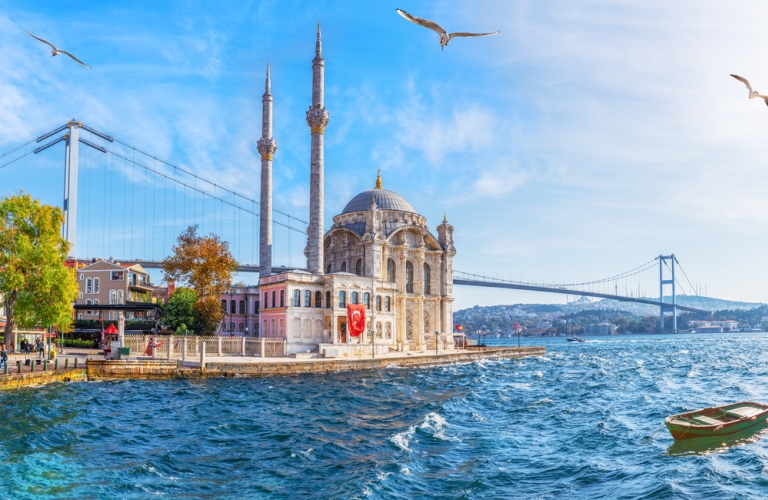
Turkey is a secular country with a rich cultural and religious heritage. Visitors are welcome in many historic and religious sites, but should respect local customs.
When visiting mosques and religious places:
-
Dress modestly.
-
Cover your shoulders and legs.
-
Women may be required to cover their hair in mosques.
-
Remove your shoes where requested.
-
Avoid disturbing people who are praying.
-
Ask permission before photographing individuals.
Dress expectations can vary between religious sites, rural communities, and popular tourist destinations.
Better approach:
Observe local guidance and signage, and dress respectfully when visiting religious buildings.
6. Assuming Every Region Has the Same Weather
Turkey has several different climate zones. The weather in Istanbul can be very different from conditions in Cappadocia, Antalya, or eastern Anatolia.
For example:
-
Summer can be very hot in inland and southern destinations.
-
Spring and autumn are often comfortable for sightseeing.
-
Cappadocia can experience cold winter conditions and snowfall.
-
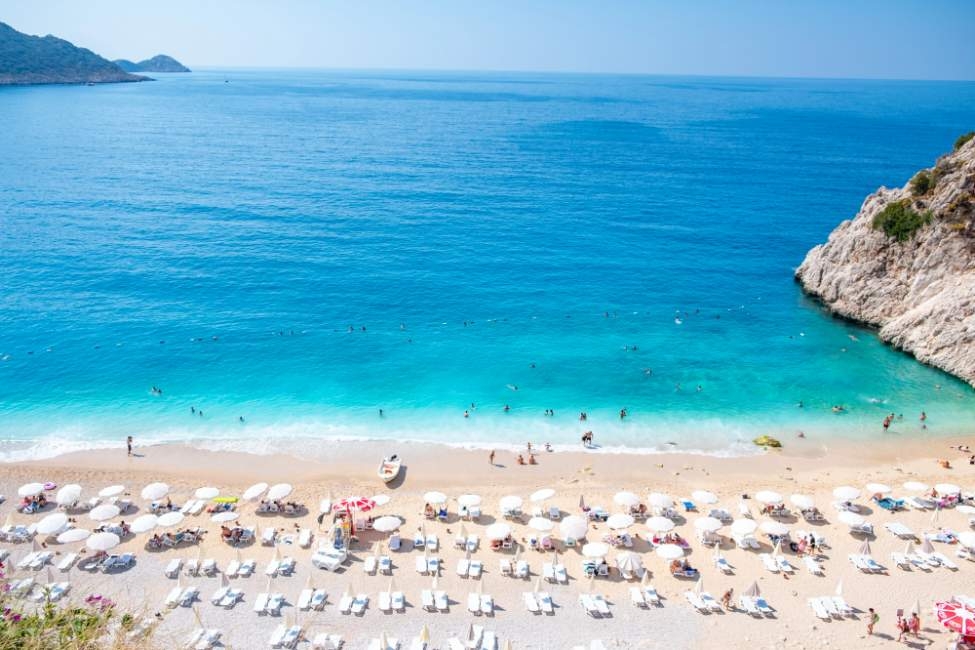
Coastal areas can remain warm later into autumn.
Better approach:
Check the forecast for every destination on your itinerary rather than relying on the weather in Istanbul alone.
Pack clothing suitable for the season and the regions you plan to visit.
For a month-by-month overview, read our Best Time to Visit Turkey in 2027 guide.
7. Leaving Important Activities Until the Last Minute
Some experiences have limited capacity or depend on weather conditions.
Cappadocia hot air balloon flights are a good example. Flights are subject to weather and aviation safety decisions, so a confirmed booking does not necessarily guarantee that a flight will operate on a particular morning.
Other popular experiences may also become busy during peak travel periods.
Better approach:
-
Book important activities in advance when possible.
-
Allow flexibility for weather-dependent experiences.
-
Avoid scheduling a must-do activity on the final morning of your trip.
-
Check cancellation and refund conditions before paying.
If a balloon flight is particularly important to you, consider staying in Cappadocia for more than one night.
8. Carrying Too Much Cash or Using Unreliable Currency Exchange Services
The official currency of Turkey is the Turkish lira (TRY).
Credit and debit cards are widely accepted in many hotels, restaurants, shops, and established businesses. However, smaller vendors, local markets, and some rural businesses may prefer cash.
Travelers can make unnecessary losses by exchanging money at unfavorable rates or accepting unclear exchange terms.
Better approach:
-
Use reputable banks or authorized exchange offices.
-
Check the exchange rate and commission before exchanging money.
-
Keep a modest amount of Turkish lira for small purchases.
-
Avoid displaying large amounts of cash.
-
Check your bank's foreign transaction and ATM fees.
Do not assume that every business will accept foreign currency or every card type.
9. Forgetting Important Travel Documents and Insurance
A passport and the correct entry authorization are essential parts of international travel.
Visa requirements depend on nationality and passport type. Some visitors qualify for visa-free entry, while others need an eVisa or a traditional visa.
Travelers should also consider suitable insurance for their itinerary and planned activities.
Before departure:
-
Check your passport validity.
-
Confirm whether you need a visa.
-
Keep copies of important travel documents.
-
Carry appropriate identification.
-
Check that your travel insurance covers your planned activities and destinations.
For British visitors, the UK Foreign Office advises carrying photographic identification in Turkey. Travelers should check the requirements applicable to their own nationality.
Read our Turkey Tourist Visa Guide for 2027 before traveling.
10. Not Checking Official Travel Advice Before Departure
Travel conditions can change, and visitors should not rely only on old blog posts or general travel recommendations.
Before departure, check your government's latest travel advice for Turkey. Pay particular attention to regional warnings, local regulations, demonstrations, and any disruptions affecting your itinerary.
For example, the UK Foreign, Commonwealth & Development Office currently advises against all travel within 10 km of the Turkey–Syria border. Other governments publish their own regional advice and recommendations.
Better approach:
-
Review official travel advisories shortly before departure.
-
Check whether any regional restrictions affect your planned route.
-
Follow instructions from local authorities.
-
Avoid demonstrations and areas where security incidents are occurring.
-
Make sure your travel insurance covers your itinerary.
Useful official resources include:
Bonus: A Few Simple Habits That Make Traveling in Turkey Easier
Avoiding common mistakes does not require complicated planning.
These simple habits can make a difference:
-
Learn a few basic Turkish expressions, such as Merhaba (hello) and Teşekkür ederim (thank you).
-
Keep your hotel address available on your phone.
-
Carry a small amount of cash.
-
Use comfortable shoes for archaeological sites and historic streets.
-
Keep an eye on your belongings in crowded places.
-
Respect local communities and religious sites.
-
Allow some free time instead of scheduling every hour.
-
Confirm pickup times and meeting points for organized excursions.
Frequently Asked Questions About Visiting Turkey
What is the biggest mistake first-time visitors make in Turkey?
Trying to visit too many destinations in a short time is one of the most common planning mistakes. Turkey is a large country, and travel between regions can take longer than expected.
Is Turkey easy to travel around independently?
Yes, many visitors travel independently using domestic flights, intercity buses, trains, taxis, and public transportation. Planning connections in advance is particularly important when visiting several regions.
Should I use public transportation in Istanbul?
Public transportation is useful for many journeys in Istanbul. Metro, tram, ferry, and bus services can help visitors reach major neighborhoods and attractions.
Is it necessary to carry cash in Turkey?
Not everywhere. Cards are accepted by many established businesses, but carrying some Turkish lira is useful for smaller purchases and places that do not accept cards.
What should I wear when visiting mosques in Turkey?
Wear modest clothing that covers your shoulders and legs. Women may be asked to cover their hair. Follow the dress requirements and instructions displayed at each mosque.
Should I book Cappadocia balloon flights in advance?
Booking in advance is advisable, particularly during busy periods. However, flights depend on weather and safety decisions, so allow flexibility in your itinerary.
Is Turkey safe for tourists in 2027?
Travel conditions vary by region and can change. Visitors should take sensible precautions, follow local regulations, and check their government's latest official travel advice before departure.
How many days should I spend in Turkey?
Around 7 days can work for a short trip focused on selected destinations. A 10–14-day itinerary gives visitors more time to explore several regions without rushing.
Plan Your Turkey Trip with Confidence
A memorable Turkey holiday is not about visiting as many places as possible. It is about choosing the right destinations, understanding local customs, and allowing enough time to enjoy each experience.
Whether you are planning a cultural journey, a private sightseeing holiday, or a multi-destination tour, good preparation can help you avoid unnecessary stress.
Explore our Turkey Tour Packages to compare available itineraries, or contact our travel team to discuss your travel plans for 2027.

Erdal Serbest is a travel content writer and tourism professional with a background in Tekirdağ Tourism Vocational High School. He has extensive experience in the hospitality and travel agency sectors, where he worked for several years supporting tour operations and destination marketing.
Throughout his career, he has created travel-focused blog content and contributed to destination promotion projects for various tourism platforms. Today, he focuses on developing engaging, informative, and experience-based content for turkeytravel.com.
He believes that travel is the most authentic way to understand cultures, flavors, and human stories, and he aims to reflect this perspective in every article he writes.