Cappadocia Travel Guide: Everything You Need to Plan Your Trip
Cappadocia is one of Turkey's most extraordinary destinations, famous for its fairy chimneys, volcanic valleys, ancient cave churches and underground cities. Located in Central Anatolia, the region offers a remarkable combination of natural scenery, history and local culture.
Whether you are planning a short visit or including Cappadocia in a longer Turkey holiday, a little preparation will help you make the most of your time.
You can watch hot-air balloons rise above the valleys at sunrise, explore rock-cut churches, walk through distinctive landscapes, visit traditional pottery workshops and stay in a cave hotel.
This Cappadocia travel guide covers the main attractions, recommended itineraries, accommodation areas, transportation, seasonal conditions and practical travel advice.
If you are considering a guided visit, you can also explore our Cappadocia tour packages.
Quick Answer: What Should You Know Before Visiting Cappadocia?
For most first-time visitors, two or three days is a practical amount of time to explore Cappadocia's main attractions.
Here are the essentials:
-
Recommended duration: Two to three days for the main highlights.
-
Main attractions: Göreme Open-Air Museum, Uçhisar Castle, underground cities, Paşabağ Valley and Ihlara Valley.
-
Signature experience: A sunrise hot-air balloon flight, subject to weather and aviation approval.
-
Popular sightseeing routes: Red Tour and Green Tour.
-
Where to stay: Göreme is a convenient base for many first-time visitors; Uçhisar and Ürgüp offer different accommodation experiences.
-
Getting there: Domestic flights to Nevşehir or Kayseri, followed by a transfer to your hotel.
-
Best seasons: Spring and autumn are generally comfortable for outdoor sightseeing.
-
Accommodation: Traditional cave hotels and boutique properties are among the region's distinctive options.
The best itinerary depends on your interests, available time and preferred travel pace.
Cappadocia at a Glance
| Category | What to Expect |
|---|---|
| Location | Central Anatolia, Turkey |
| Main towns | Göreme, Ürgüp, Uçhisar, Avanos |
| Recommended stay | 2–3 days |
| Famous landscapes | Fairy chimneys and volcanic valleys |
| Historical highlights | Göreme Open-Air Museum and underground cities |
| Popular activities | Balloon flights, hiking, pottery and sightseeing |
| Main airports | Nevşehir Kapadokya and Kayseri |
| Accommodation | Cave hotels, boutique hotels and traditional guesthouses |
| Popular guided excursions | Red Tour and Green Tour |
Where Is Cappadocia?
Cappadocia is a historical and geographical region in Central Anatolia rather than a single town.
Its main tourist areas include Göreme, Ürgüp, Uçhisar, Avanos, Ortahisar and Çavuşin.
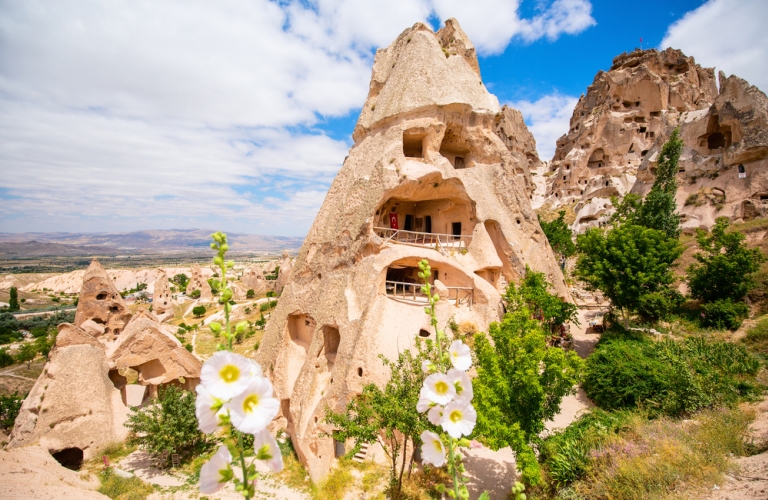
The region is known for its volcanic rock formations, valleys and settlements carved into the soft stone.
Over thousands of years, people adapted the landscape by creating homes, churches, monasteries, storage areas and underground settlements.
Today, Cappadocia is one of Turkey's best-known destinations for cultural tourism, outdoor activities and distinctive accommodation.
Why Is Cappadocia So Special?
Cappadocia combines several experiences that are rarely found together in one destination.
Extraordinary Volcanic Landscapes
The region's distinctive formations developed through volcanic activity and the gradual erosion of soft rock by wind and water.
The resulting fairy chimneys, cliffs and valleys create a landscape that changes appearance throughout the day as the light moves across the formations.
Ancient Cave Settlements
People carved homes, religious spaces and other structures directly into the volcanic rock.
Some settlements contain churches decorated with historical wall paintings, while underground cities reveal how communities used spaces beneath the surface.
A Distinctive Local Culture
Cappadocia is also known for traditional pottery, regional food, local wines and historic villages.
Avanos, in particular, is associated with pottery craftsmanship and workshops where visitors can learn about traditional techniques.
Unique Accommodation
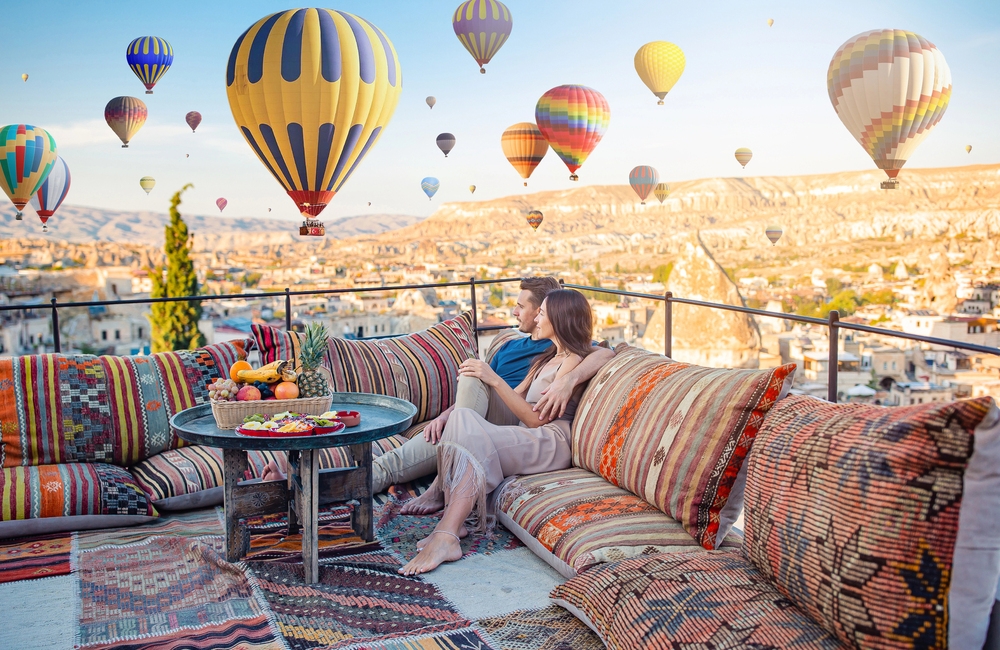
Cave hotels are one of the region's best-known accommodation experiences.
Many properties combine traditional stone architecture with modern facilities, terraces and views across the surrounding landscape.
Best Places to Visit in Cappadocia
Cappadocia's attractions are spread across several towns and valleys. Grouping nearby places together can help you plan your sightseeing more efficiently.
1. Göreme
Göreme is one of the most popular bases for visitors.
The town offers hotels, restaurants, cafés and convenient access to many of the region's main attractions.
It is also a well-known area for watching sunrise balloon activity.
2. Göreme Open-Air Museum
The Göreme Open-Air Museum is one of Cappadocia's most important historical attractions.
The site contains rock-cut churches, chapels and monastic spaces, several of which preserve Byzantine-era frescoes.
It is particularly interesting for visitors who want to understand the region's religious and cultural history.
3. Uçhisar Castle
Uçhisar Castle is a prominent natural rock formation that was used as a settlement and defensive position.
The elevated location provides panoramic views across Cappadocia's valleys and surrounding landscape.
It is also a popular photography location.
4. Paşabağ Valley
Paşabağ, also known as Monks Valley, is famous for its distinctive fairy chimneys.
The unusual rock formations make it one of the most recognizable landscapes in Cappadocia.
5. Devrent Valley
Devrent Valley is known for its unusual rock shapes and natural formations.
Unlike some other valleys, it is mainly visited for its scenery and distinctive geological features.
6. Zelve Open-Air Museum
Zelve is an abandoned cave settlement with historic dwellings, churches, tunnels and other remains.
It provides an opportunity to see how communities once lived within Cappadocia's volcanic landscape.
7. Derinkuyu and Kaymaklı Underground Cities
Cappadocia's underground cities are among the region's most fascinating historical attractions.
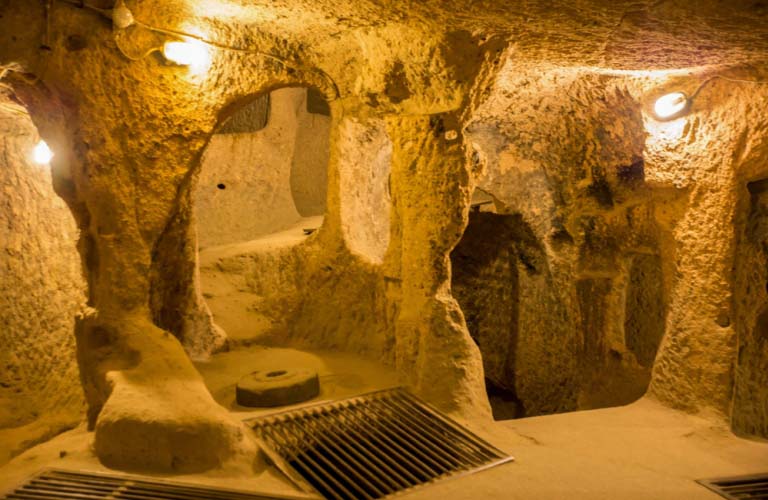
Derinkuyu and Kaymaklı contain interconnected rooms, corridors, storage spaces and ventilation systems carved beneath the ground.
Some passages are narrow and involve stairs, so visitors should consider their mobility and comfort before entering.
8. Ihlara Valley
Ihlara Valley is a scenic canyon with walking routes alongside the Melendiz River.
The valley also contains rock-cut churches and historical remains.
Walking distances vary according to the route selected, so check the planned walk before joining an excursion.
9. Avanos
Avanos is known for its pottery tradition and its location along the Kızılırmak River.
Visitors can explore workshops, watch pottery demonstrations and, at some locations, try working with clay.
It is a good addition for travelers interested in local culture and craftsmanship.
10. Çavuşin
Çavuşin is a traditional village known for its historic cave dwellings and rock formations.
It offers another perspective on Cappadocia's settlement history and can be combined with nearby sightseeing locations.
Best Things to Do in Cappadocia
Beyond visiting its historical attractions, Cappadocia offers several activities that allow you to experience the landscape in different ways.
Take a Hot-Air Balloon Flight
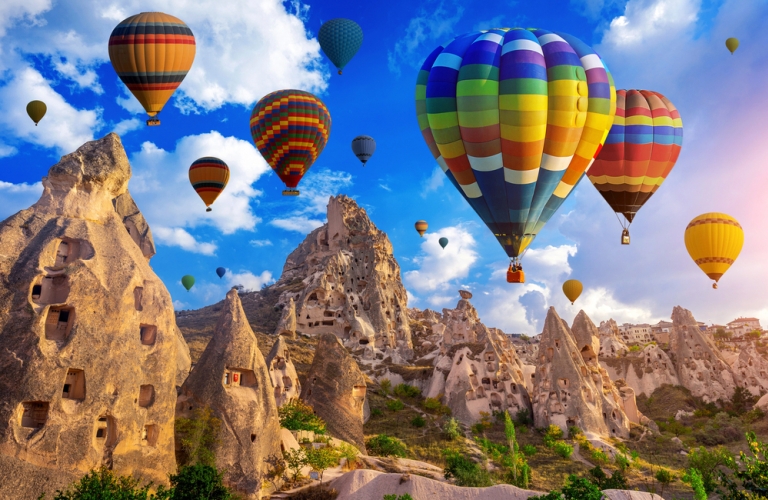
A sunrise balloon flight is one of Cappadocia's signature experiences.
From above, visitors can see the valleys, villages and fairy chimneys spread across the region.
Flights are weather-dependent and operate subject to aviation approval. They may be cancelled when wind, visibility or other conditions are unsuitable.
If a balloon flight is important to your visit, consider staying for at least two mornings to allow some flexibility.
Explore the Valleys on Foot
Walking through Cappadocia's valleys is an excellent way to appreciate the landscape.
Popular areas include:
-
Love Valley
-
Red Valley
-
Rose Valley
-
Pigeon Valley
-
Sword Valley
Routes vary in length and difficulty. Wear suitable footwear, carry water and check local conditions before setting out.
Stay in a Cave Hotel
A cave hotel offers a distinctive way to experience Cappadocia's traditional architecture.
Room layouts and facilities vary considerably, so check accessibility, heating, ventilation and other amenities before booking.
Discover Traditional Pottery
Avanos is a good place to learn about the region's pottery tradition.
Some workshops offer demonstrations and opportunities to try making pottery yourself.
Enjoy Cappadocia's Sunset Views
The changing light creates beautiful views across the valleys and fairy chimneys.
Red Valley, Uçhisar and viewpoints around Göreme are popular places to watch the sunset.
Experience Local Food
Cappadocia has a regional food culture worth exploring.
Visitors can look for traditional dishes such as testi kebabı, local pastries, regional wines and other Anatolian specialties.
Restaurant menus and preparation methods vary, so ask about ingredients if you have dietary requirements.
For more activity ideas, read our guide to the best things to do in Cappadocia.
How Many Days Should You Spend in Cappadocia?
The ideal length of your stay depends on how much sightseeing and outdoor activity you want to include.
One Day in Cappadocia
One day allows you to visit a selection of the main attractions, but the schedule will be busy.
You could choose a guided sightseeing route covering northern or southern Cappadocia.
Trying to visit every major attraction in one day is not recommended.
Two Days in Cappadocia
Two days provide a useful introduction to the region.
A possible plan is:
Day 1: Northern Cappadocia
-
Göreme Open-Air Museum
-
Uçhisar
-
Paşabağ Valley
-
Devrent Valley
-
Avanos
Day 2: Southern Cappadocia
-
Derinkuyu or Kaymaklı Underground City
-
Ihlara Valley
-
Selime area
-
Scenic viewpoints
A sunrise balloon flight can be arranged on either morning, subject to availability and weather conditions. If you plan to fly, keep some flexibility in your schedule.
Three Days in Cappadocia
Three days allow a more relaxed visit.
You can combine the main sightseeing attractions with a balloon experience, valley walks, local workshops and additional time in the villages.
This is a suitable option for travelers who do not want to rush between attractions.
Four Days or More
A longer stay gives you time to explore lesser-visited areas, enjoy longer walks, visit additional villages and experience Cappadocia at a slower pace.
You can also use the region as part of a wider journey through Central Anatolia.
For a longer route, see our 10-Day Cappadocia and Central Anatolia itinerary.
Best Time to Visit Cappadocia
Cappadocia can be visited throughout the year. Each season offers a different atmosphere and different conditions for outdoor activities.
Spring: March to May
Spring generally brings milder temperatures and is suitable for sightseeing and walking.
The weather can change, particularly in early spring, so layered clothing is useful.
Summer: June to August
Summer brings long daylight hours and warmer temperatures.
Plan longer outdoor activities for the morning or later afternoon, and carry water and sun protection.
Autumn: September to November
Autumn is generally comfortable for exploring the valleys, historical sites and villages.
It is a popular season for sightseeing and photography.
Winter: December to February
Winter can bring snow to Cappadocia, creating a different atmosphere around the fairy chimneys and valleys.
Cold weather and changing conditions may affect outdoor activities and balloon flights. Prepare suitable clothing and keep some flexibility in your plans.
Where to Stay in Cappadocia
Choosing the right base can make your visit more convenient.
Göreme
Göreme is a practical choice for many first-time visitors.
It has a wide selection of accommodation, restaurants and tour services, with convenient access to several popular attractions.
Uçhisar
Uçhisar is known for its elevated position and panoramic views.
It can be suitable for travelers looking for a quieter atmosphere and accommodation with scenic surroundings.
Ürgüp
Ürgüp offers traditional architecture, restaurants and a variety of boutique accommodation.
It is worth considering if you prefer staying in a larger town environment.
Avanos
Avanos is a good option for visitors interested in pottery, local culture and a less tourism-focused atmosphere.
Ortahisar and Çavuşin
These smaller settlements can appeal to travelers looking for a quieter base while remaining within reach of the main attractions.
How to Get to Cappadocia
Most international visitors reach Cappadocia through Istanbul or another major Turkish city.
By Plane
The two main airports used by visitors are:
-
Nevşehir Kapadokya Airport
-
Kayseri Erkilet Airport
Both airports serve the Cappadocia region, but the most suitable option depends on your flight schedule, hotel location and transfer arrangements.
Check the arrival airport carefully before booking your accommodation transfer.
By Bus
Intercity buses connect Cappadocia with several destinations in Turkey.
Bus travel can be an option for visitors arriving from other parts of Central Anatolia or traveling on a tighter budget.
Journey times depend on the departure city and route.
By Car
A rental car provides flexibility for independent travelers who want to explore several towns and valleys.
However, visitors should plan their route in advance and consider parking, road conditions and the distances between attractions.
From Istanbul
Flying is generally the most time-efficient way to travel between Istanbul and Cappadocia.
For a more detailed comparison of transportation options, read our guide: How Far Is Cappadocia from Istanbul?.
How to Get Around Cappadocia
The attractions are spread across different towns and valleys, so transportation is an important part of planning.
You can explore the region using:
-
Guided sightseeing tours
-
Private transportation
-
Rental cars
-
Local taxis for selected journeys
Guided tours can be convenient when visiting several attractions in one day. Private transportation offers more flexibility, while rental cars allow independent exploration.
Walking is also a rewarding way to experience individual valleys, but check the trail conditions and distances before starting.
Red Tour and Green Tour: What Is the Difference?
The Red and Green Tours are commonly used names for two sightseeing routes in Cappadocia. Exact stops and inclusions vary between operators.
Red Tour: Northern Cappadocia
The Red Tour generally focuses on northern attractions.
Depending on the itinerary, it may include:
-
Göreme Open-Air Museum
-
Uçhisar area
-
Paşabağ Valley
-
Devrent Valley
-
Avanos
It is particularly suitable for visitors interested in fairy chimneys, cave settlements and local crafts.
Green Tour: Southern Cappadocia
The Green Tour generally explores southern attractions.
Depending on the itinerary, it may include:
-
Derinkuyu or Kaymaklı Underground City
-
Ihlara Valley
-
Selime Monastery
-
Scenic viewpoints
It is a useful option for visitors interested in underground settlements, historical sites and nature.
Should You Choose a Private or Group Tour?
A group tour follows a scheduled itinerary and is generally suitable for visitors who are comfortable sharing transportation and sightseeing with other travelers.
A private tour offers more flexibility over the pace and selected stops.
Before booking either option, check the group size, guide service, transportation, entrance fees and meals included.
You can compare available arrangements on our Cappadocia tours page.
Practical Travel Tips for Cappadocia
A few preparations can make your visit more comfortable.
Wear Comfortable Shoes
Many attractions involve walking over uneven ground, steps and rocky paths.
Comfortable walking shoes are recommended, particularly if you plan to explore the valleys.
Bring Layers
Temperatures can vary between early morning and afternoon.
A light jacket is useful even when daytime weather is warm.
Protect Yourself from the Sun
Bring sunscreen, sunglasses, a hat and sufficient drinking water during warmer months.
Plan Balloon Flights with Flexibility
Balloon flights are subject to weather and aviation approval.
Schedule your preferred flight early in your stay where possible, so you have another morning available if the flight is cancelled.
Check Accessibility
Underground cities, cave sites and some walking trails include narrow passages, stairs or uneven surfaces.
Check the physical requirements before visiting if you have mobility concerns or are traveling with young children.
Book Accommodation and Popular Activities Ahead
During busy travel periods, popular cave hotels and balloon flights may have limited availability.
Confirm the cancellation conditions and exact services before paying.
Respect Local Sites
Follow visitor instructions at museums, churches, underground cities and archaeological areas.
Do not touch or damage historical structures or wall paintings.
Is Cappadocia Safe for Tourists?
Cappadocia is an established tourism destination, but visitors should take sensible precautions.
When hiking, choose routes appropriate to your experience, carry water and be aware of uneven terrain.
For balloon flights and organized activities, use reputable operators and follow the instructions of your guide and pilot.
Check local weather and activity conditions before setting out.
For more detailed information, read our Cappadocia safety guide.
Frequently Asked Questions About Cappadocia
Is Cappadocia worth visiting?
Cappadocia offers a distinctive combination of volcanic landscapes, historical sites, underground cities, hiking routes, local culture and cave hotels. It is a worthwhile addition to many Turkey itineraries.
How many days are enough for Cappadocia?
Two to three days is a practical duration for most first-time visitors. A longer stay allows more time for walking, photography and exploring additional villages.
What is Cappadocia famous for?
Cappadocia is especially famous for its fairy chimneys, hot-air balloon flights, cave churches, underground cities and volcanic valleys.
Is a hot-air balloon flight guaranteed?
No. Flights depend on weather conditions and aviation approval. They can be delayed or cancelled when conditions are unsuitable.
What is the best area to stay in Cappadocia?
Göreme is a convenient base for many first-time visitors because of its accommodation choices, restaurants and access to sightseeing services. Uçhisar, Ürgüp and other villages offer different experiences.
Can I visit Cappadocia without a guided tour?
Yes. Independent travelers can explore the region by rental car, taxi and on foot. However, guided tours can make it easier to visit attractions that are spread across different areas.
Are the Red and Green Tours different?
Yes. The Red Tour generally covers northern Cappadocia, while the Green Tour usually focuses on southern attractions. Exact routes vary by operator.
Is Cappadocia suitable for families?
Cappadocia can be a rewarding family destination. However, some underground sites and hiking routes involve narrow passages, stairs or uneven ground. Choose activities according to the ages and mobility of your family members.
Which airport should I use for Cappadocia?
Visitors commonly use Nevşehir Kapadokya Airport or Kayseri Erkilet Airport. Compare flight schedules and transfer arrangements before deciding.
Can I combine Cappadocia with Istanbul and Ephesus?
Yes. Cappadocia can be included in a multi-destination Turkey itinerary using domestic flights and organized transportation. The best route depends on your available time and selected tour package.
Plan Your Cappadocia Trip
Cappadocia offers a remarkable combination of natural scenery, history and local culture.
From the fairy chimneys and underground cities to the valleys, cave hotels and traditional villages, the region has plenty to discover.
Whether you are planning a short visit or a longer journey through Central Anatolia, choosing the right itinerary will help you enjoy the destination at a comfortable pace.
For guided sightseeing and multi-day travel arrangements, explore our Cappadocia tour packages.
Start planning your Cappadocia visit with TurkeyTravel.com.

Erdal Serbest is a travel content writer and tourism professional with a background in Tekirdağ Tourism Vocational High School. He has extensive experience in the hospitality and travel agency sectors, where he worked for several years supporting tour operations and destination marketing.
Throughout his career, he has created travel-focused blog content and contributed to destination promotion projects for various tourism platforms. Today, he focuses on developing engaging, informative, and experience-based content for turkeytravel.com.
He believes that travel is the most authentic way to understand cultures, flavors, and human stories, and he aims to reflect this perspective in every article he writes.