Cappadocia Underground Cities: History, Best Places to Visit & Travel Tips
Beneath the distinctive landscapes of Cappadocia, Türkiye, lies another world: an extraordinary network of underground settlements carved into soft volcanic rock.
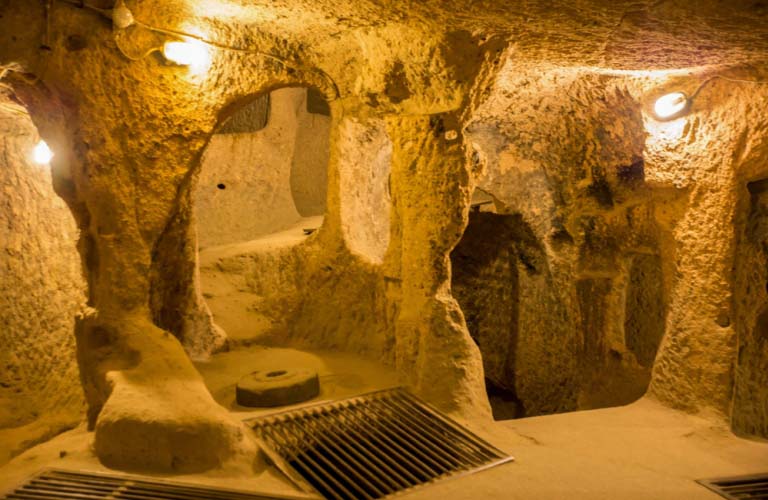
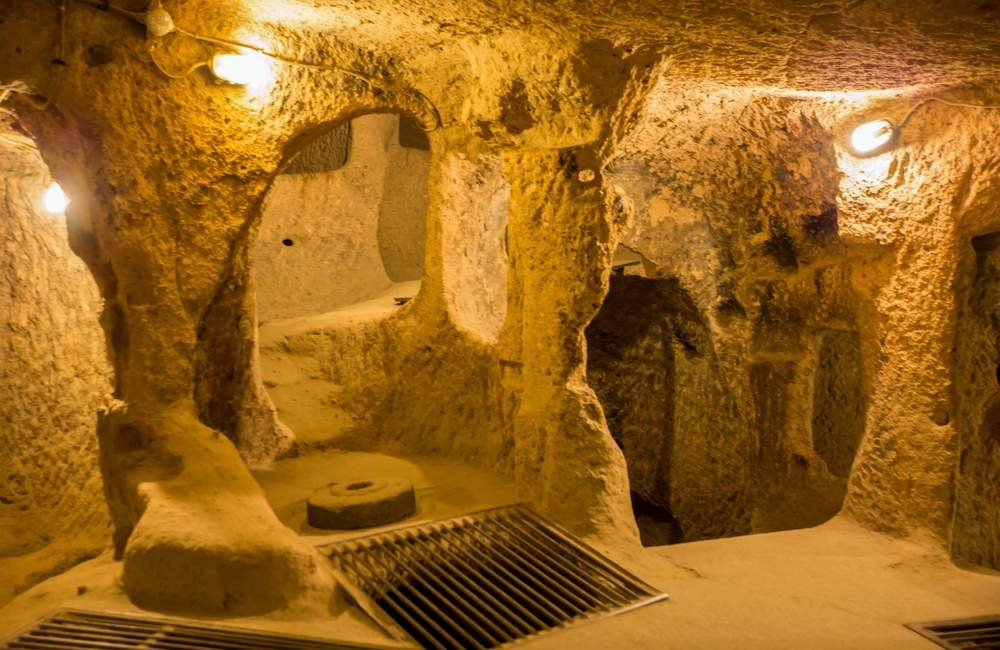
These ancient underground cities contain tunnels, storage rooms, living spaces, kitchens, ventilation shafts and places of worship. They were developed and used by communities over many centuries, providing shelter and protection during periods of insecurity.
Today, visitors can explore several of these remarkable sites. Derinkuyu and Kaymakli are the best-known underground cities, while Özkonak offers another fascinating example of Cappadocia's subterranean architecture.
Whether you are interested in ancient history, architecture or unusual travel experiences, visiting an underground city is one of the most memorable things to do in Cappadocia.
Quick Answer: Which Underground Cities Should You Visit in Cappadocia?
The three underground cities worth considering are:
-
Derinkuyu Underground City: Famous for its deep, multi-level structure and extensive underground facilities.
-
Kaymakli Underground City: Known for its interconnected rooms, narrow passages and distinctive layout.
-
Özkonak Underground City: A smaller alternative near Avanos, with interesting architectural features.
For first-time visitors, Derinkuyu or Kaymakli is usually the best choice. If you have additional time, Özkonak provides another perspective on how people lived and sought protection underground.
Cappadocia Underground Cities at a Glance
| Underground city | Main attraction | Best for |
|---|---|---|
| Derinkuyu | Deep, multi-level settlement | History and architecture |
| Kaymakli | Extensive interconnected rooms | Exploring underground life |
| Özkonak | Distinctive communication and ventilation features | A quieter alternative |
| Mazı | Historic underground settlement | Visitors seeking less familiar sites |
| Tatlarin | Underground spaces and historical remains | Exploring beyond the main attractions |
Not every site has the same facilities, visitor access or opening arrangements. Check current information before travelling.
Why Were Underground Cities Built in Cappadocia?
Cappadocia's underground cities developed in a region where the geological landscape made subterranean construction possible.
Volcanic activity created layers of rock, including relatively soft tuff that people could carve using simple tools. Over generations, these spaces were expanded into interconnected rooms, corridors and larger settlements.
Protection During Times of Insecurity
One of the main purposes of the underground cities was protection.
Cappadocia experienced periods of conflict, raids and political instability. Underground settlements provided communities with places to shelter when remaining above ground became dangerous.
Heavy stone doors could be rolled across certain passageways to restrict access. Narrow tunnels also made movement difficult for anyone unfamiliar with the layout.
Places for Daily Life
These were not simply hiding places. Their rooms and facilities show how communities organized their lives underground.
Depending on the settlement, visitors can find:
-
Food storage rooms
-
Kitchens and cooking areas
-
Wine and food-processing spaces
-
Water wells
-
Ventilation shafts
-
Animal shelters
-
Communal rooms
-
Religious spaces
These features helped people remain underground for periods when access to the surface was restricted.
The Geological Advantage of Volcanic Rock
Cappadocia's soft volcanic tuff made it possible to carve large spaces beneath the surface.
The same geological conditions also shaped the region's cave dwellings, rock-cut churches and monasteries.
The underground cities are part of the wider cultural landscape recognized by UNESCO as the Göreme National Park and the Rock Sites of Cappadocia. The World Heritage property includes both Kaymakli and Derinkuyu.
The History of Cappadocia's Underground Cities
The exact dates when many underground spaces were first created are difficult to establish. Some settlements developed over long periods, with different communities expanding and adapting existing structures.
The region has a long history of human settlement, and underground spaces were used during different historical periods.
Early Settlements and Ancient Communities
Cappadocia's volcanic landscape provided natural opportunities for creating sheltered spaces.
People carved rooms into the soft rock and gradually connected them through passages and tunnels. These spaces were adapted for storage, shelter and other practical needs.
The Early Christian Period
The underground cities became particularly important during periods when Christian communities in Anatolia faced insecurity.
They offered places of refuge, with facilities that supported temporary underground living. Churches, communal spaces and storage areas reveal the religious and social dimensions of these settlements.
Byzantine Cappadocia
During the Byzantine period, Cappadocia developed into an important centre of Christian religious life.
Rock-cut churches, monasteries and underground settlements formed part of a distinctive cultural landscape. These structures reflect the ways communities adapted to the region's geology and historical circumstances.
The Best Underground Cities to Visit in Cappadocia
Several underground settlements have been identified across Cappadocia. However, not all are open to visitors, and the visitor experience varies from one site to another.
The following are among the most interesting places to include in your itinerary.
1. Derinkuyu Underground City
Derinkuyu is one of Cappadocia's most impressive underground settlements.
Located in the town of Derinkuyu, approximately 30 kilometres from Nevşehir, it is famous for its multi-level structure and extensive underground spaces.
The site has eight known levels, although only selected sections are accessible to visitors.
What Makes Derinkuyu Special?
Derinkuyu contains several features that demonstrate how people organized life beneath the surface.
Visitors can see:
-
Ventilation shafts
-
Storage rooms
-
Water wells
-
Communal spaces
-
Religious areas
-
Narrow connecting tunnels
-
Large stone doors used to secure passageways
One of its most interesting features is the combination of practical and religious spaces within the underground complex.
The site also contains a missionary school, a baptismal pool and other religious facilities.
How Deep Is Derinkuyu Underground City?
Derinkuyu extends to a depth of approximately 85 metres according to commonly cited site information, although the accessible visitor route covers only part of the complex.
The underground city is not fully open to visitors. You follow a designated route through selected sections of its multi-level structure.
Is Derinkuyu Worth Visiting?
Yes. Derinkuyu is particularly rewarding for visitors interested in ancient engineering, underground architecture and the history of Cappadocia.
Its scale and narrow passageways make the experience memorable, although it may not be suitable for everyone.
2. Kaymakli Underground City
Kaymakli is another major underground settlement in Cappadocia.
Located in Kaymakli town, approximately 20 kilometres from Nevşehir, it is known for its interconnected rooms and passages.
The settlement has eight identified levels, with four levels currently arranged for visitor access according to the official museum information.
What Can You See in Kaymakli?
The underground complex includes:
-
Living and storage areas
-
Kitchens and food preparation spaces
-
Wine storage facilities
-
Ventilation shafts
-
Water wells
-
Communal rooms
-
Religious spaces
-
Stone doors for protection
The rooms are connected by narrow corridors, creating a fascinating network beneath the town.
What Makes Kaymakli Different from Derinkuyu?
Kaymakli is particularly interesting for its layout and the way its rooms and spaces are connected.
Derinkuyu is often chosen by visitors interested in a deeper and more extensive underground experience, while Kaymakli offers a different perspective on the organization of subterranean living spaces.
Both are historically significant and worth visiting.
3. Özkonak Underground City
Özkonak is located near Avanos, approximately 14 kilometres from the town.
It is less frequently included in standard Cappadocia itineraries than Derinkuyu and Kaymakli, but it has distinctive architectural features.
What Makes Özkonak Unique?
One of Özkonak's notable characteristics is its narrow communication openings between different levels.
These openings were also associated with ventilation when parts of the settlement were closed off.
The underground complex contains interconnected galleries, tunnels and other spaces used for practical purposes.
Özkonak offers an interesting alternative for travellers who want to explore beyond the two most famous underground cities.
4. Mazı Underground City
Mazı Underground City is located in Mazı village, south of Ürgüp.
It is another example of the subterranean settlements found throughout Cappadocia.
The complex contains rooms and passageways carved into volcanic rock. Its location and relatively lesser-known profile make it an interesting option for travellers exploring beyond the main tourist routes.
Access arrangements may differ from the larger museum sites, so check local information before planning a visit.
5. Tatlarin Underground City
Tatlarin Underground City is located near the town of Acıgöl in Nevşehir Province.
It is an additional example of Cappadocia's extensive underground heritage.
The site is associated with underground rooms, passageways and religious spaces. It is less commonly included in standard first-time visitor itineraries than Derinkuyu and Kaymakli.
If you have already explored the main underground cities, Tatlarin can be an interesting addition to a wider historical journey through the region.
Derinkuyu vs Kaymakli vs Özkonak: Which One Should You Visit?
Choosing the right underground city depends on your available time and interests.
| Feature | Derinkuyu | Kaymakli | Özkonak |
|---|---|---|---|
| Main appeal | Extensive multi-level structure | Interconnected rooms | Distinctive underground features |
| Location | Derinkuyu | Kaymakli | Near Avanos |
| Visitor experience | Dramatic underground exploration | Detailed architectural layout | Alternative historical site |
| Best for | First-time visitors | History enthusiasts | Repeat visitors and curious explorers |
Should You Visit Both Derinkuyu and Kaymakli?
If you have enough time and a strong interest in history, visiting both can be worthwhile.
Although they share similar functions, their layouts and individual features are different.
However, if your Cappadocia visit is limited to two days, choosing one underground city and combining it with other attractions may be a better use of your time.
What Is It Like Inside a Cappadocia Underground City?
Visiting an underground city is very different from exploring an open-air museum or a historical village.
You descend through narrow passages and move between rooms carved directly into the rock.
Some sections are spacious, while others have low ceilings and restricted movement.
Narrow Tunnels and Low Ceilings
Some corridors are narrow enough that visitors need to bend or move carefully.
This is part of the original design of the underground settlements, but it can be uncomfortable for people who dislike enclosed spaces.
Ventilation Systems
Ventilation was essential for underground living.
Vertical shafts helped circulate air through the different levels and rooms. Some also served other practical purposes.
These systems are among the most impressive engineering features of the underground cities.
Stone Doors and Defensive Design
Large circular stone doors were used to block certain passages from the inside.
Their design made it difficult for outsiders to enter protected areas without knowing how the mechanisms worked.
These defensive features help visitors understand why the settlements were designed with narrow corridors and controlled access.
How Long Does It Take to Visit an Underground City?
The time required depends on the site, visitor numbers and how much you want to explore.
As a general planning guide:
-
Derinkuyu: Allow around 45–90 minutes.
-
Kaymakli: Allow around 45–90 minutes.
-
Özkonak: Allow around 30–60 minutes.
These are approximate planning estimates rather than official visit durations. You may need more time during busy periods or if you are travelling with a guided group.
Is Visiting Cappadocia Underground Cities Difficult?
For most visitors who are comfortable with stairs and narrow spaces, the experience is manageable.
However, underground cities are not equally suitable for everyone.
Who Should Be Careful?
Consider your comfort and mobility before entering if you:
-
Experience claustrophobia.
-
Have difficulty using steep or uneven stairs.
-
Have limited mobility.
-
Are uncomfortable in narrow passageways.
-
Have respiratory or other conditions that may make enclosed spaces difficult.
Some sections involve bending, climbing and walking through confined corridors.
If you are unsure, ask staff about the accessible visitor route before purchasing your ticket.
Practical Safety Tips
-
Follow the marked visitor route.
-
Do not enter closed or restricted areas.
-
Watch your head in low-ceiling passages.
-
Wear comfortable shoes with good grip.
-
Avoid rushing through narrow corridors.
-
Stay with your guide or group.
-
Follow the instructions of site staff.
How to Get to Cappadocia Underground Cities
The underground cities are spread across different towns in Nevşehir Province.
Your choice of transportation depends on where you are staying and which sites you want to visit.
By Guided Tour
A guided tour is one of the easiest ways to visit an underground city.
Many South Cappadocia itineraries combine an underground city with attractions such as Ihlara Valley, Selime Monastery and scenic viewpoints.
A local guide can also explain the historical context and architectural details that are easy to miss when exploring independently.
By Private Vehicle
Travelling by rental car or private vehicle gives you more flexibility.
You can choose your own schedule and combine several attractions in one day.
However, allow enough time for driving between towns and checking the current access arrangements at each site.
By Public Transportation
Public transportation options may be available between Nevşehir and surrounding towns, but connections and schedules can be less convenient for visiting multiple underground cities in one day.
For a limited stay, a guided tour or private transfer is often more practical.
Opening Hours and Entrance Fees
Opening hours and ticket prices can change, particularly between seasons and as museum policies are updated.
Before visiting, check the official Turkish Museums website for current information about:
-
Opening and closing times
-
Ticket prices
-
Museum Pass validity
-
Temporary closures
-
Visitor access
Official information:
-
Derinkuyu Underground City: https://muze.gov.tr/muze-detay?DistId=DKY&SectionId=DKY01
-
Kaymakli Underground City: https://muze.gov.tr/muze-detay?DistId=KYY&SectionId=KYY01
-
Özkonak Underground City: https://muze.gov.tr/muze-detay?DistId=OZK&SectionId=OZK01
Do not rely on old ticket prices or opening-hour information published by third-party websites.
Can You Visit an Underground City on a Cappadocia Green Tour?
Yes. Underground cities are commonly included in South Cappadocia sightseeing itineraries.
A typical Green Tour may include:
-
An underground city such as Derinkuyu or Kaymakli
-
Ihlara Valley
-
Selime Monastery
-
Scenic viewpoints
-
Lunch during the tour
Exact stops vary by operator and itinerary, so confirm which underground city is included before booking.
A private tour is another option if you prefer to spend more time at a particular site or adjust the schedule.
Explore our Cappadocia Tours to find an itinerary that suits your travel plans.
What Else Can You Visit Near Cappadocia's Underground Cities?
An underground city visit can easily be combined with other attractions in the region.
Depending on your chosen route, consider adding:
Ihlara Valley
Ihlara Valley is a scenic canyon known for its walking trails, natural surroundings and rock-cut churches.
It is a popular stop on South Cappadocia itineraries.
Selime Monastery
Selime Monastery is an impressive rock-cut religious complex at the end of Ihlara Valley.
Its large rock formations and historic spaces make it one of the most distinctive places in the wider region.
Uçhisar Castle
Uçhisar Castle offers panoramic views across Cappadocia and is a popular stop for photography.
Göreme Open-Air Museum
The Göreme Open-Air Museum contains rock-cut churches and monasteries decorated with historic frescoes.
It provides a valuable contrast to the underground settlements and helps visitors understand Cappadocia's wider religious heritage.
For more sightseeing ideas, read our guide to the Best Places to Visit in Cappadocia.
Frequently Asked Questions About Cappadocia Underground Cities
1. How many underground cities are there in Cappadocia?
Cappadocia has many known underground settlements, although not all have been excavated or opened to visitors. Derinkuyu, Kaymakli and Özkonak are among the best-known examples.
2. Which is the best underground city to visit in Cappadocia?
Derinkuyu and Kaymakli are the most popular choices for first-time visitors. Derinkuyu is known for its extensive multi-level structure, while Kaymakli offers a different layout of interconnected rooms and passages.
3. How deep is Derinkuyu Underground City?
Derinkuyu is commonly described as extending to approximately 85 metres below the surface. However, only selected sections are accessible to visitors.
4. How many levels can visitors explore in Derinkuyu?
Derinkuyu has eight known levels, but only selected areas are open to the public. The accessible route can change according to site arrangements.
5. Is Kaymakli Underground City worth visiting?
Yes. Kaymakli is one of Cappadocia's most important underground settlements, with interconnected rooms, storage areas, ventilation shafts and narrow passageways.
6. Are Cappadocia underground cities suitable for children?
Older children who are comfortable with stairs and narrow spaces may enjoy the experience. However, some tunnels are low and confined, so parents should consider their children's ages and comfort levels.
7. Can people with claustrophobia visit underground cities?
Some visitors with mild discomfort may be able to explore selected sections, but narrow passages and enclosed spaces can be challenging. If you have claustrophobia, consider asking site staff about the route before entering.
8. How much time should I allow for an underground city visit?
Around 45–90 minutes is a useful planning estimate for Derinkuyu or Kaymakli. The actual time depends on visitor numbers, the route and whether you join a guided tour.
9. Can I visit Derinkuyu and Kaymakli in one day?
Yes. It is possible to visit both in one day, especially with a private vehicle or organized tour. However, combining them with other distant attractions may make the schedule busy.
10. Are Cappadocia underground cities part of a UNESCO World Heritage Site?
Yes. Kaymakli and Derinkuyu are included within the UNESCO World Heritage property known as Göreme National Park and the Rock Sites of Cappadocia.
Final Thoughts: Discover the Underground Cities of Cappadocia
Cappadocia's underground cities reveal a remarkable side of the region's history.
Beneath the familiar fairy chimneys and valleys, these settlements preserve evidence of how communities created places to live, store food and seek protection during uncertain times.
Derinkuyu and Kaymakli are the most rewarding choices for most first-time visitors, while Özkonak and other lesser-known sites offer additional opportunities to explore Cappadocia's subterranean heritage.
If you are planning a trip to the region, include at least one underground city in your itinerary. It is an experience that adds historical depth to the landscapes, villages and cultural attractions of Cappadocia.
Explore our Cappadocia Tours and discover the region with a well-planned itinerary.

Erdal Serbest is a travel content writer and tourism professional with a background in Tekirdağ Tourism Vocational High School. He has extensive experience in the hospitality and travel agency sectors, where he worked for several years supporting tour operations and destination marketing.
Throughout his career, he has created travel-focused blog content and contributed to destination promotion projects for various tourism platforms. Today, he focuses on developing engaging, informative, and experience-based content for turkeytravel.com.
He believes that travel is the most authentic way to understand cultures, flavors, and human stories, and he aims to reflect this perspective in every article he writes.