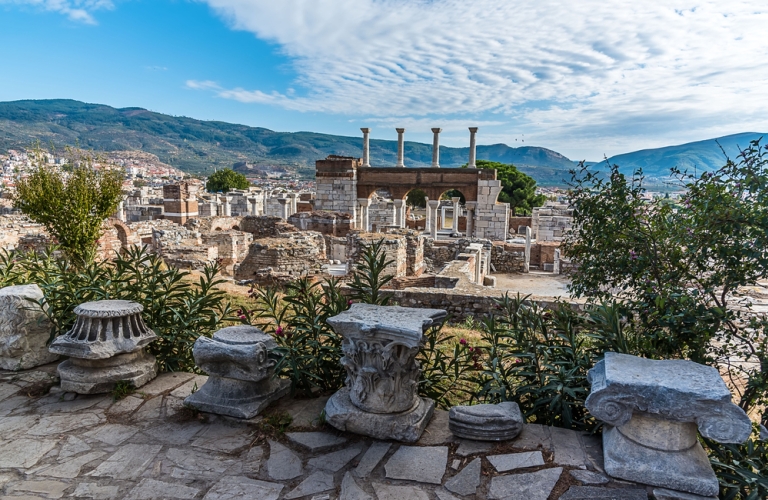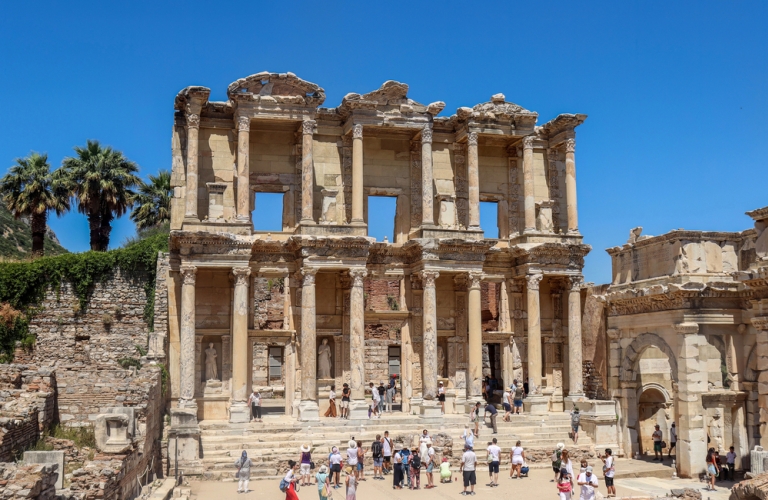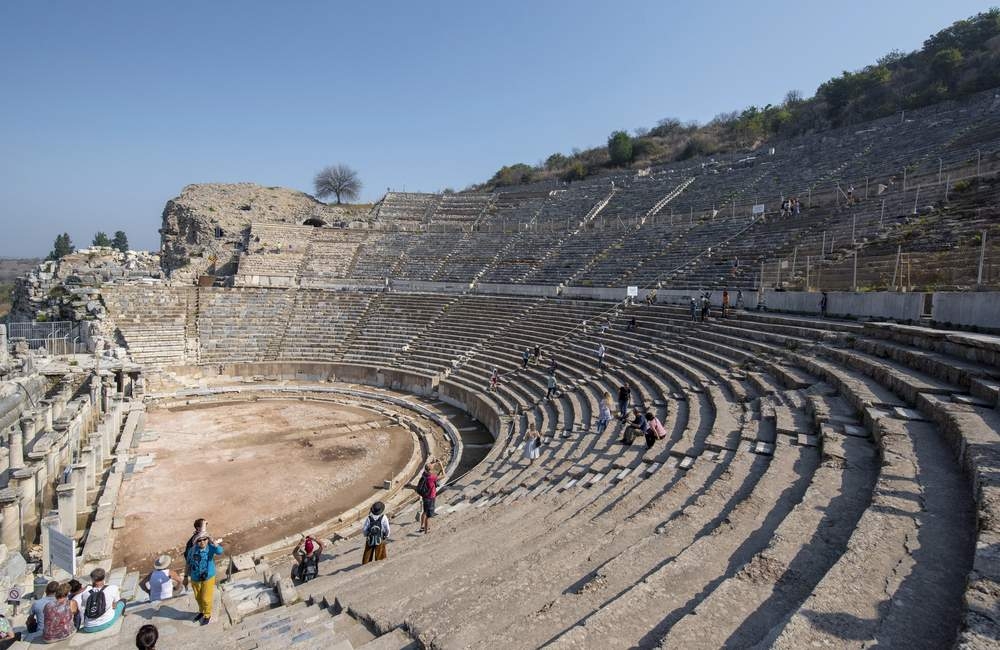
The Great Theatre of Ephesus stands as one of the most breathtaking remnants of the ancient world. Located within the ancient city of Ephesus Turkey, this monumental structure reflects the grandeur of Roman engineering and the cultural richness of one of the most important UNESCO sites in Turkey. With a seating capacity that once reached tens of thousands, it remains one of the largest and most impressive ancient theaters in Turkey.
For travelers exploring the famous Ephesus ruins, the theatre is more than just a historical monument—it is a place where history, architecture, and storytelling converge. Whether you are passionate about archaeology or simply looking for unique things to do in Ephesus, this iconic structure deserves a central place in your itinerary.
👉 CTA: Discover the best guided experiences with Ephesus Tours and explore this legendary site with expert insights.
History of the Great Theatre of Ephesus
Origins in the Hellenistic Period
The history of the Great Theatre of Ephesus dates back to the Hellenistic period in the 3rd century BC. Initially constructed during the reign of Lysimachus, one of Alexander the Great’s successors, the theatre was designed to host dramatic performances and civic gatherings.
Roman Expansion and Transformation
During the Roman era, the structure was significantly expanded and transformed into the massive Roman theatre Ephesus visitors see today. Roman emperors enhanced its design, increasing its seating capacity and adapting it for gladiatorial contests, public assemblies, and large-scale performances.
Role in Early Christianity
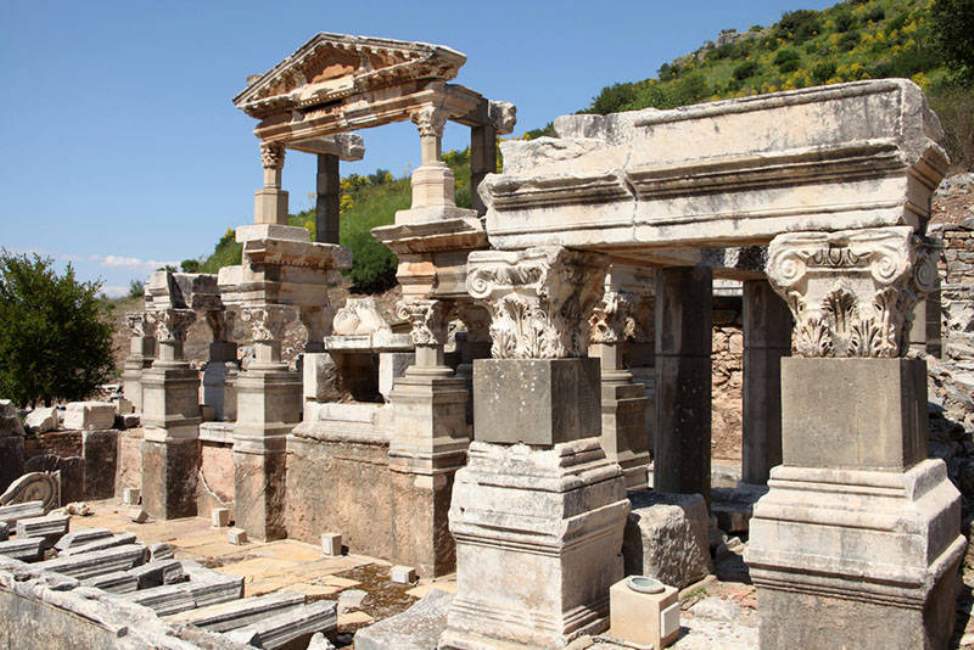
The theatre also played a key role in early Christian history. It is famously associated with the riot mentioned in the Bible, where followers of Artemis confronted the teachings of Saint Paul. This adds a spiritual and historical dimension to the already fascinating Ephesus historical site.
Architecture and Design Features
Impressive Seating Capacity
One of the most remarkable facts about the Great Theatre of Ephesus is its massive capacity. The theatre could accommodate approximately 25,000 spectators, making it one of the largest in the ancient world.
Acoustic Excellence
The design showcases exceptional acoustics. Even today, visitors standing at the stage can be heard clearly at the top rows, demonstrating the advanced engineering of the ancient builders.
Structural Layout
Cavea (Seating Area)
The semi-circular seating arrangement rises steeply, providing excellent views for all spectators.
Orchestra
Originally used for performances, the orchestra area later hosted gladiatorial events during Roman times.
Stage Building (Skene)
The stage was elaborately decorated with columns and statues, emphasizing the artistic and cultural importance of the theatre.
These Ephesus theatre capacity and architecture details highlight why it remains one of the most studied structures among historians and architects.
Why is the Great Theatre of Ephesus Famous?
Cultural and Historical Significance
If you wonder why is the Great Theatre of Ephesus famous, the answer lies in its multi-layered history. It served as a hub for entertainment, politics, and religion over several centuries.
A Landmark of Ephesus
As one of the most iconic Ephesus landmarks, the theatre symbolizes the city's former glory as a major cultural and commercial center.
Connection to Global Heritage
Being part of the broader Ephesus ruins, the theatre contributes to the site's recognition among the most valuable UNESCO sites in Turkey.
What to See at the Great Theatre of Ephesus
Panoramic Views
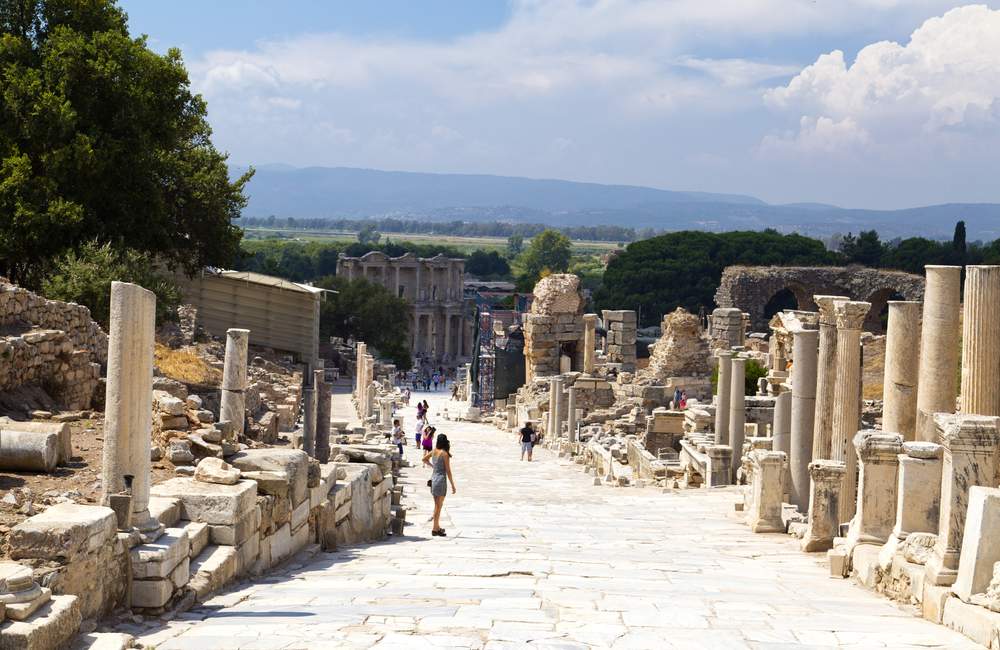
Visitors can climb to the upper tiers for breathtaking views of the ancient harbor road and the surrounding landscape.
Stage Remains
The remains of the stage still reveal intricate details of Roman design and artistry.
Marble Pathways
The pathways leading to the theatre connect it with other major structures in the ancient city of Ephesus Turkey.
If you're wondering what to see at the Great Theatre of Ephesus, these highlights offer an unforgettable experience.
👉 CTA: Enhance your journey with professionally guided Ephesus Tours and uncover hidden stories behind every stone.
How to Visit the Great Theatre of Ephesus Turkey
Location and Accessibility
The theatre is easily accessible within the Ephesus travel guide routes and is typically included in most itineraries.
Guided Tours vs Independent Visits
Opting for guided tours of Ephesus theatre Turkey allows visitors to gain deeper historical insights, while independent exploration offers flexibility.
Entry and Opening Hours
The site is open year-round, though hours may vary depending on the season.
Best Time to Visit Ephesus Ancient Theatre
Seasonal Considerations
The best time to visit Ephesus ancient theatre is during spring (April–June) and autumn (September–October), when temperatures are mild.
Time of Day
Early morning or late afternoon visits are recommended to avoid crowds and enjoy better lighting for photography.
Tips for Visiting Ephesus Ruins in Turkey
Wear Comfortable Shoes
The marble streets can be slippery, so proper footwear is essential.
Stay Hydrated
Especially during summer months, bring water as temperatures can rise significantly.
Plan Your Route
Following an Ephesus travel guide ensures you don’t miss key attractions, including the theatre.
These tips for visiting Ephesus ruins in Turkey can significantly improve your experience.
Ancient Roman Theatre Experience in Ephesus
Immersive Atmosphere
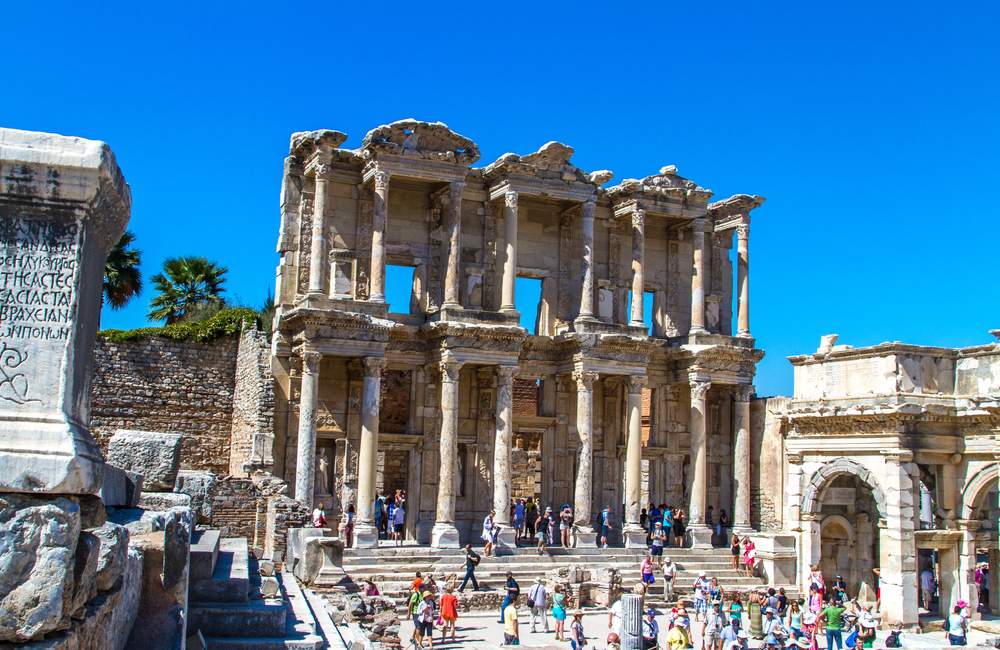
Standing in the theatre offers a unique ancient Roman theatre experience in Ephesus, allowing visitors to imagine the performances and events that once took place here.
Events and Performances Today
Occasionally, the theatre hosts modern performances, bridging ancient and contemporary culture.
Things to Do in Ephesus Beyond the Theatre
Explore Nearby Landmarks
The theatre is just one of many incredible Ephesus landmarks. Nearby attractions include the Library of Celsus and the Temple of Artemis.
Discover Local Culture
Visitors can also explore nearby towns, local cuisine, and traditional markets.
These activities make up some of the best things to do in Ephesus, creating a well-rounded travel experience.
Conclusion: A Must-Visit Wonder of the Ancient World
The Great Theatre of Ephesus is more than just an architectural masterpiece—it is a living testament to the cultural, historical, and artistic achievements of ancient civilizations. From its fascinating origins to its enduring legacy, the theatre continues to captivate visitors from around the world.
Whether you are interested in the history of the Great Theatre of Ephesus, its architectural brilliance, or simply looking for unforgettable things to do in Ephesus, this iconic structure offers something for everyone.
👉 CTA: Ready to explore this incredible destination? Book your journey now with Ephesus Tours and experience history like never before.

Erdal Serbest is a travel content writer and tourism professional with a background in Tekirdağ Tourism Vocational High School. He has extensive experience in the hospitality and travel agency sectors, where he worked for several years supporting tour operations and destination marketing.
Throughout his career, he has created travel-focused blog content and contributed to destination promotion projects for various tourism platforms. Today, he focuses on developing engaging, informative, and experience-based content for turkeytravel.com.
He believes that travel is the most authentic way to understand cultures, flavors, and human stories, and he aims to reflect this perspective in every article he writes.