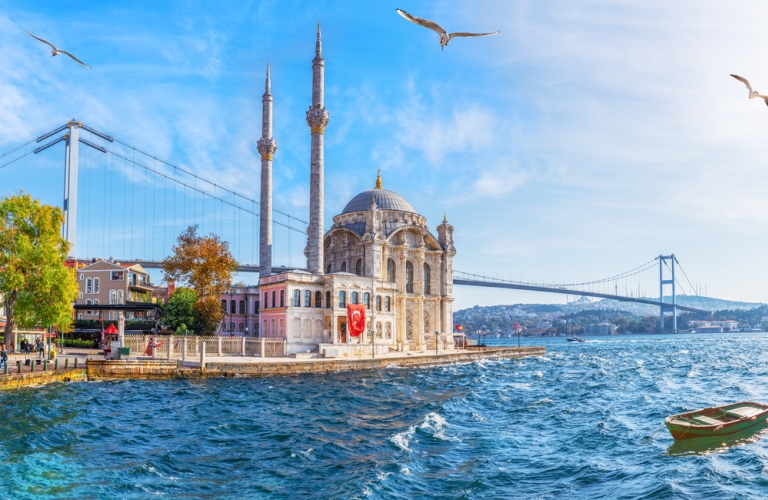
Turkey Cultural Tours: Explore History, Heritage & Traditions
Turkey is one of the world's most fascinating destinations for cultural travel. Located between Europe and Asia, the country has been shaped by ancient Anatolian civilizations, Greek and Roman settlements, the Byzantine Empire, the Seljuks, and the Ottoman Empire.
Today, this remarkable history can be discovered through ancient archaeological sites, imperial palaces, historic mosques, traditional villages, regional cuisine, and centuries-old craftsmanship.
A cultural tour of Turkey is about more than visiting famous monuments. It is an opportunity to understand how different civilizations influenced the country's architecture, food, traditions, and everyday life.
Whether you have five days or two weeks, carefully planned Turkey cultural tour itineraries can introduce you to some of the country's most important historical and cultural destinations.
This guide explores the best cultural routes, important experiences, and practical travel tips for planning a Turkey cultural holiday in 2027.
Quick Answer: What Are the Best Cultural Tours in Turkey?
The best cultural itinerary depends on how much time you have and which historical periods interest you most.
Some of the most rewarding destinations include:
-
Istanbul: Byzantine churches, Ottoman palaces, historic mosques, and traditional bazaars.
-
Cappadocia: Rock-cut churches, underground cities, cave settlements, and pottery traditions.
-
Ephesus: Remarkable Greek and Roman archaeological remains.
-
Pamukkale and Hierapolis: Ancient Roman heritage and natural thermal terraces.
-
Konya: Seljuk architecture and the spiritual heritage associated with Mevlana Rumi.
-
Gallipoli and Troy: World War I history and ancient civilizations.
-
Mardin and Şanlıurfa: Mesopotamian heritage, traditional architecture, and regional culture.
For a first cultural journey, Istanbul, Cappadocia, Ephesus, and Pamukkale make an excellent combination. Travelers with more time can explore additional regions and cultural traditions.
Why Choose Turkey for a Cultural Tour?
Turkey offers an extraordinary concentration of historical and cultural attractions.
Different civilizations have left their marks on Anatolia, creating a heritage that spans prehistoric settlements, classical antiquity, Christianity, Islamic architecture, and Ottoman imperial history.
A Meeting Point of Civilizations
Anatolia has been home to many important civilizations, including:
-
Hittites
-
Phrygians
-
Urartians
-
Ancient Greeks
-
Romans
-
Byzantines
-
Seljuks
-
Ottomans
Their influence can be seen in archaeological sites, museums, religious monuments, traditional settlements, and historic cities throughout the country.
UNESCO World Heritage and Archaeological Sites
Turkey has numerous UNESCO World Heritage properties, including important cultural and mixed heritage sites.
Some of the most significant destinations for cultural travelers include:
-
Historic Areas of Istanbul
-
Göreme National Park and the Rock Sites of Cappadocia
-
Ephesus
-
Hierapolis-Pamukkale
-
Troy Archaeological Site
-
Hattusha
-
Göbekli Tepe
-
Safranbolu
These places provide insight into different periods of human history and the civilizations that developed across Anatolia.
Best Turkey Cultural Tour Itineraries for 2027
The following itineraries offer different ways to explore Turkey's cultural heritage, depending on your available vacation time.
1. Five-Day Cultural Tour: Istanbul and Ephesus
Best for: Travelers with limited vacation time who want to experience Turkey's Byzantine, Ottoman, and Roman heritage.
A five-day itinerary can provide an introduction to two of Turkey's most important historical destinations.
Days 1–3: Istanbul
Begin in Istanbul, the former capital of the Byzantine and Ottoman Empires.
Explore the historic peninsula and discover its most famous landmarks:
-
Hagia Sophia
-
Blue Mosque
-
Topkapi Palace
-
Hippodrome Square
-
Basilica Cistern
-
Grand Bazaar
-
Spice Bazaar
A Bosphorus cruise adds another cultural perspective, revealing the city's historic waterfront palaces, mosques, and neighborhoods.
Days 4–5: Ephesus
Continue to the Aegean region to explore the ancient city of Ephesus.
Highlights include:
-
Library of Celsus
-
Great Theatre
-
Marble Street
-
Temple of Hadrian
-
Terrace Houses
-
Temple of Artemis
-
House of the Virgin Mary
Depending on the program, you can also visit Şirince, a traditional village known for its historic streets and local atmosphere.
Recommended tour: 5-Day Istanbul & Ephesus Tour
This is a practical option for visitors who want to combine Istanbul's imperial history with the archaeological heritage of western Turkey.
2. Seven-Day Cultural Tour: Istanbul, Cappadocia and Ephesus
Best for: First-time visitors who want a broader introduction to Turkey's cultural and historical highlights.
A week allows you to experience three distinctive destinations.
Istanbul: Byzantine and Ottoman Heritage
Explore historic mosques, imperial palaces, bazaars, and the Bosphorus.
Cappadocia: Early Christian Heritage
Cappadocia is not only famous for its fairy chimneys. It also has an important religious and cultural history.
Explore:
-
Göreme Open-Air Museum
-
Rock-cut churches
-
Byzantine frescoes
-
Underground cities
-
Traditional settlements
-
Avanos pottery workshops
The underground cities and cave churches provide a fascinating insight into how communities adapted to the region's unusual volcanic landscape.
Ephesus: Ancient Greek and Roman Civilization
Discover the monumental streets, theatres, temples, and public buildings of Ephesus.
A guided visit helps explain how the city developed into one of the most important centers of the ancient Mediterranean world.
Explore: Turkey Tour Packages
For a seven-day holiday, the best approach is to concentrate on the main destinations rather than trying to include too many additional regions.
3. Ten-Day Cultural Tour: The Classic Turkey Heritage Route
Best for: Travelers who want a comprehensive introduction to Turkey's history, archaeology, and cultural landmarks.
Ten days provide more time to explore several regions without making every day a long transfer.
A classic cultural route combines Istanbul, Cappadocia, Ephesus, Pamukkale, and Antalya.
Istanbul: Three Days
Explore the city's Byzantine and Ottoman landmarks, historic neighborhoods, bazaars, and Bosphorus.
Cappadocia: Two Days
Discover fairy chimneys, underground cities, rock-cut churches, and traditional pottery-making in Avanos.
Ephesus: One Day
Explore the ancient city and its major archaeological monuments.
Pamukkale: One Day
Visit the white travertine terraces and the ancient city of Hierapolis.
Antalya: Additional Cultural Experiences
Explore Kaleiçi, the historic old town, and nearby Roman cities such as Perge, Aspendos, and Side.
Recommended tour: 10-Day Best of Turkey Tour
This itinerary combines cultural sightseeing with Turkey's famous natural landscapes and offers a varied introduction to the country.
4. Eleven-Day Cultural Tour: Discover More of Anatolia
Best for: Travelers who want to explore additional ancient sites and Mediterranean heritage.
An eleven-day journey allows you to spend more time discovering the historical diversity of Turkey.
Depending on the itinerary, the route can combine:
-
Istanbul's Byzantine and Ottoman landmarks
-
Antalya's Roman archaeological sites
-
Cappadocia's rock-cut churches and underground cities
-
Didyma's ancient religious heritage
-
Pamukkale and Hierapolis
-
Ephesus and its Roman monuments
Antalya and the Ancient Cities
Perge, Aspendos, and Side offer an excellent introduction to the Roman heritage of the Mediterranean region.
Aspendos is particularly famous for its remarkably preserved ancient theatre.
Didyma
Didyma was an important religious center in the ancient Greek world.
The Temple of Apollo remains one of the region's most impressive archaeological monuments.
Ephesus and Pamukkale
Continue through western Turkey to explore the archaeological remains of Ephesus and the ancient city of Hierapolis.
Recommended tour: 11-Day Turkey Tour: Cappadocia, Ephesus & Istanbul
The actual package also includes Antalya, Didyma, and Pamukkale. Review its daily itinerary to understand the sightseeing order and travel arrangements.
5. Fourteen-Day Cultural and Heritage Tour
Best for: Travelers who want to combine historical exploration, regional experiences, and time along the Mediterranean coast.
A two-week holiday provides the opportunity to explore a wider variety of Turkey's cultural and natural attractions.
A comprehensive itinerary can include:
-
Istanbul's imperial heritage
-
Ephesus and its ancient Roman monuments
-
Pamukkale and Hierapolis
-
The traditional coastal towns of the Turquoise Coast
-
Antalya's Roman archaeological sites
-
Cappadocia's underground cities and rock-cut churches
The three-night gulet cruise between Fethiye and Olympos adds a coastal experience to the cultural journey.
Although the cruise is primarily a leisure experience, it also introduces travelers to historic coastal settlements and the landscapes of the ancient Lycian region.
Recommended tour: 14-Day Big Turkey Tour
This itinerary combines cultural sightseeing, archaeological sites, Mediterranean scenery, and Cappadocia in one two-week holiday.
Beyond the Classic Route: Discover Southeastern Turkey
Travelers interested in the earliest civilizations of Anatolia and Mesopotamia can consider a separate journey through southeastern Turkey.
This region offers a different cultural experience from Istanbul, Cappadocia, and the Aegean coast.
Göbekli Tepe
Located near Şanlıurfa, Göbekli Tepe is one of the world's most important prehistoric archaeological sites.
Its monumental stone structures date back to the Pre-Pottery Neolithic period and have transformed our understanding of early human societies.
Şanlıurfa
Şanlıurfa has a long history associated with ancient Mesopotamian civilizations and religious traditions.
Visitors can explore its historic center, traditional bazaars, and important cultural landmarks.
Mardin
Mardin is famous for its honey-colored stone architecture, historic streets, and distinctive cultural heritage.
The city offers an insight into the architectural and religious diversity of southeastern Anatolia.
Midyat
Midyat is known for its traditional stone houses, historic churches, and Syriac cultural heritage.
Gaziantep
Gaziantep is an important culinary destination, famous for its pistachio products, baklava, and regional cuisine.
Its Zeugma Mosaic Museum is also a major attraction for visitors interested in ancient art.
Planning note: Southeastern Turkey is a separate regional route and should not be treated as an automatic extension of the classic Istanbul–Cappadocia–Ephesus itinerary. Travel distances and the number of overnight stays need to be planned carefully.
Turkish Cultural Traditions You Should Experience
Turkey's cultural heritage is not limited to archaeological sites and historical monuments. Many traditions remain part of everyday life.
Turkish Cuisine and Food Culture
Food is an important part of Turkish hospitality and regional identity.
Every region has its own ingredients, cooking methods, and traditional dishes.
Some experiences worth discovering include:
-
Traditional Turkish breakfast
-
Regional kebabs
-
Meze and local appetizers
-
Mantı
-
Pide and lahmacun
-
Baklava
-
Turkish tea
-
Turkish coffee
A visit to local markets and traditional restaurants can provide insight into the country's regional food culture.
Traditional Arts and Handicrafts
Traditional craftsmanship remains an important part of Turkey's cultural identity.
Some of the best-known examples include:
Carpet and kilim weaving: Traditional weaving techniques have been passed down through generations in different Anatolian regions.
Ceramics and pottery: Avanos in Cappadocia is particularly well known for its pottery tradition.
Ebru: Turkish paper marbling is a traditional decorative art.
Calligraphy: Ottoman and Islamic calligraphy can be seen in historic manuscripts, mosques, and decorative objects.
Iznik ceramics: Famous for their distinctive colors and patterns, Iznik tiles are an important part of Ottoman decorative art.
Turkish Tea and Coffee Traditions
Tea and coffee are central to Turkish social life.
Turkish tea is commonly served in small tulip-shaped glasses, while Turkish coffee has a long-established place in social gatherings and hospitality.
Sharing tea or coffee is often a simple but meaningful way to connect with local people.
Whirling Dervish Ceremonies
The Mevlevi tradition is associated with Mevlana Rumi and the city of Konya.
The Sema ceremony is a religious and spiritual practice with a long historical tradition.
Visitors should approach such performances with respect, understanding that the ceremony has religious significance beyond its visual presentation.
Best Cities in Turkey for Cultural Travel
| Destination | Main cultural experience |
|---|---|
| Istanbul | Byzantine and Ottoman history |
| Cappadocia | Rock-cut churches and underground cities |
| Ephesus | Greek and Roman archaeology |
| Konya | Mevlevi and Seljuk heritage |
| Şanlıurfa | Prehistoric and Mesopotamian heritage |
| Mardin | Stone architecture and Syriac heritage |
| Gaziantep | Regional cuisine and ancient mosaics |
| Safranbolu | Traditional Ottoman town architecture |
| Çanakkale | Troy and Gallipoli history |
| Antalya | Roman cities and Mediterranean heritage |
Best Time to Take a Cultural Tour in Turkey
Spring and autumn are generally comfortable seasons for exploring Turkey's historical sites and cities.
Spring: April to June
Spring offers pleasant conditions for outdoor sightseeing in Istanbul, Cappadocia, Ephesus, and Pamukkale.
The landscapes are particularly attractive, and walking tours are generally more comfortable than during the hottest summer months.
Summer: July to August
Summer is suitable for coastal destinations, although temperatures can be high in inland regions and at archaeological sites.
Start outdoor sightseeing early and allow time for breaks during the hottest part of the day.
Autumn: September to October
Autumn is an attractive season for cultural travel, with generally comfortable conditions for exploring cities, museums, and archaeological sites.
Winter: November to March
Winter can be a good option for visitors interested in museums, historic cities, and cultural experiences.
However, Cappadocia can be cold and snowy, and some outdoor activities may be affected by weather.
For more detailed seasonal advice, read our Best Time to Visit Turkey in 2027.
Private or Small Group Cultural Tours: Which Should You Choose?
The right tour style depends on your travel preferences, budget, and the destinations you want to explore.
Private Cultural Tours
Private tours provide greater flexibility in sightseeing schedules and travel arrangements.
They can be suitable for:
-
Couples
-
Families
-
Small groups of friends
-
Travelers interested in particular historical periods
-
Visitors who prefer a personalized pace
Private arrangements can also make it easier to include additional museums, villages, or cultural experiences, subject to the itinerary and availability.
Small Group Cultural Tours
Small group tours offer scheduled sightseeing with other travelers.
They can be a practical choice for visitors who want organized transportation, local guides, and a structured itinerary.
Check the group size and which services are operated privately or as part of a scheduled group. Flights, transfers, and free time may be arranged separately.
Practical Tips for Planning a Cultural Tour in Turkey
1. Choose Your Main Interests
Decide whether you are most interested in ancient civilizations, Byzantine and Ottoman history, religious heritage, traditional arts, or regional cuisine.
This will help you choose a route that matches your expectations.
2. Allow Enough Time at Archaeological Sites
Places such as Ephesus, Göbekli Tepe, and Hierapolis deserve time for exploration.
Avoid trying to combine too many major archaeological destinations in a single day.
3. Consider a Licensed Local Guide
A knowledgeable guide can explain the historical context behind monuments, archaeological remains, and local traditions.
This can make the experience much more meaningful than visiting each destination independently.
4. Respect Religious and Cultural Customs
When visiting mosques and religious sites, dress appropriately and follow local instructions.
Some places of worship may have visitor restrictions during prayer times.
5. Explore Local Markets and Neighborhoods
Markets, traditional workshops, and local neighborhoods provide insight into daily life.
They can also introduce you to regional products, food, and craftsmanship.
6. Plan Transportation Carefully
Turkey is a large country. Domestic flights, road transfers, and overnight stays should be arranged according to the actual distances between destinations.
A realistic itinerary gives you more time to enjoy each place.
Frequently Asked Questions About Turkey Cultural Tours
What are the best cultural destinations in Turkey?
Istanbul, Cappadocia, Ephesus, Pamukkale, Konya, Troy, Mardin, and Şanlıurfa are among the country's most interesting cultural destinations.
How many days do I need for a cultural tour of Turkey?
Five to seven days can provide an introduction to Istanbul and one or two additional destinations. Ten to fourteen days allow you to explore a wider range of historical and cultural regions.
What is the best cultural tour itinerary for first-time visitors?
A classic route combining Istanbul, Cappadocia, Ephesus, and Pamukkale offers a good introduction to Turkey's major historical and cultural attractions.
Can I experience traditional Turkish culture during an organized tour?
Yes. Depending on the itinerary, you can explore traditional villages, regional markets, pottery workshops, local cuisine, and historic neighborhoods.
Specific workshops or cultural activities should be confirmed before booking.
Is Cappadocia a cultural destination?
Yes. Cappadocia is known for its rock-cut churches, underground cities, Byzantine frescoes, traditional settlements, and pottery heritage, as well as its natural landscapes.
Is Turkey suitable for travelers interested in ancient history?
Yes. Turkey has archaeological sites from several major civilizations, including the Hittites, Greeks, Romans, and Byzantines.
Ephesus, Troy, Hattusha, Göbekli Tepe, and Hierapolis are among the most significant destinations.
Can I combine cultural sightseeing with a Mediterranean holiday?
Yes. A longer itinerary can combine Istanbul, Ephesus, Pamukkale, Antalya, and the Turquoise Coast.
Are private cultural tours available in Turkey?
Yes. Private tours can offer more flexibility in destinations, sightseeing schedules, and hotel preferences, depending on the requested arrangements.
Final Thoughts: Discover Turkey Through Its Culture and History
A cultural journey through Turkey offers much more than a collection of famous landmarks.
It is an opportunity to discover the civilizations that shaped Anatolia, explore ancient cities, understand Byzantine and Ottoman heritage, experience regional food traditions, and meet the people who keep local customs alive.
Whether you choose a short Istanbul and Ephesus tour or a longer journey through Cappadocia, the Aegean region, and the Mediterranean coast, Turkey offers a remarkable variety of cultural experiences.
Explore our Turkey Tour Packages and find an itinerary that matches your interests and available travel time.
For help planning a private or small-group cultural journey, contact TurkeyTravel.com.

Erdal Serbest is a travel content writer and tourism professional with a background in Tekirdağ Tourism Vocational High School. He has extensive experience in the hospitality and travel agency sectors, where he worked for several years supporting tour operations and destination marketing.
Throughout his career, he has created travel-focused blog content and contributed to destination promotion projects for various tourism platforms. Today, he focuses on developing engaging, informative, and experience-based content for turkeytravel.com.
He believes that travel is the most authentic way to understand cultures, flavors, and human stories, and he aims to reflect this perspective in every article he writes.