Turkey’s UNESCO World Heritage Sites: A Complete Travel Guide for 2027
Turkey, officially known as Türkiye, is home to an extraordinary collection of historical monuments, archaeological landscapes, ancient cities, and natural wonders. Its position between Europe and Asia has connected civilizations for thousands of years, leaving behind a remarkable cultural legacy.
As of 2026, Türkiye has 22 properties on the UNESCO World Heritage List: 20 cultural sites and two mixed cultural and natural sites. These properties range from the ancient city of Troy and the Roman streets of Ephesus to the rock formations of Cappadocia and the prehistoric settlement of Göbekli Tepe.
Whether you are interested in ancient civilizations, Byzantine and Ottoman architecture, archaeology, or extraordinary landscapes, exploring Türkiye’s UNESCO World Heritage Sites offers a deeper understanding of the country.
This guide introduces all 22 UNESCO-listed properties, highlights the most rewarding destinations for visitors, and explains how to include them in a Turkey travel itinerary in 2027.
How Many UNESCO World Heritage Sites Are in Türkiye?
Türkiye has 22 properties inscribed on the UNESCO World Heritage List as of 2026.
They are divided into two categories:
-
20 cultural properties, recognized for their historical, architectural, archaeological, or cultural significance.
-
2 mixed properties, recognized for both cultural and natural values.
The list includes landmarks from prehistoric times, the Hittite civilization, the Greek and Roman periods, the Byzantine Empire, the Seljuk era, and the Ottoman period.
It is important to distinguish UNESCO World Heritage properties from places on the Tentative List. Tentative List sites are being considered for possible future nomination but are not yet officially inscribed on the World Heritage List.
For the official and updated list, visit the UNESCO World Heritage Centre – Türkiye.
All 22 UNESCO World Heritage Sites in Türkiye
The following list includes every property currently inscribed on the UNESCO World Heritage List.
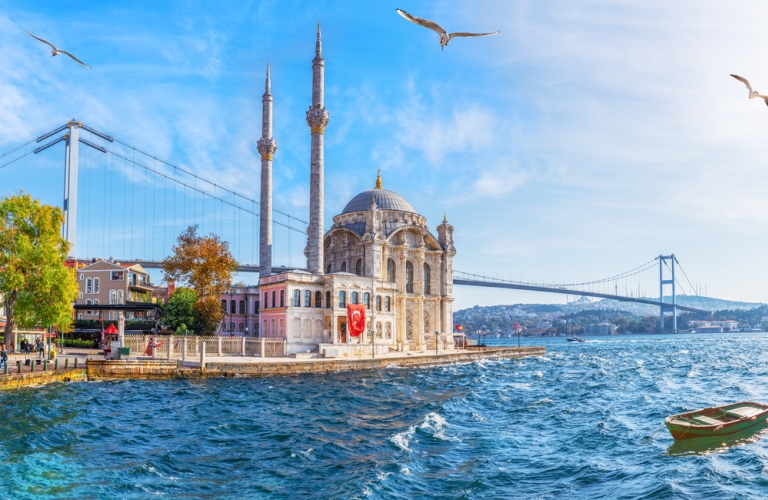
1. Historic Areas of Istanbul (1985)
Istanbul is one of the world's most historically significant cities. Its strategic position between Europe and Asia made it the capital of the Roman, Byzantine, and Ottoman empires.
The UNESCO-listed Historic Areas of Istanbul include several important monuments and historic districts.
Highlights include:
-
Hagia Sophia
-
Topkapi Palace
-
Süleymaniye Mosque
-
Sultan Ahmed Mosque and its historic surroundings
-
The Hippodrome
-
Historic city walls
Visitors can explore centuries of architectural and cultural history within the city's historic peninsula.
Istanbul is an excellent starting point for a first visit to Türkiye and features in many multi-city travel itineraries.
2. Göreme National Park and the Rock Sites of Cappadocia (1985)
Cappadocia is famous for its extraordinary volcanic landscape, fairy chimneys, underground cities, and rock-cut churches.
The region's soft volcanic formations were shaped by erosion over thousands of years. Early Christian communities carved homes, monasteries, and churches into the rocks, many decorated with remarkable frescoes.
Top experiences include:
-
Göreme Open-Air Museum
-
Kaymaklı and Derinkuyu underground cities
-
Uçhisar Castle
-
Paşabağ and Devrent valleys
-
Sunrise hot-air balloon flights
Cappadocia is one of the most popular destinations for international visitors and an essential stop on many Turkey itineraries.
3. Great Mosque and Hospital of Divriği (1985)
Located in Sivas Province, the Great Mosque and Hospital of Divriği is a remarkable example of medieval Anatolian architecture.
Built in the 13th century, the complex is particularly famous for its elaborate stone carvings and monumental entrance portals.
Its architectural details demonstrate the craftsmanship and artistic achievements of the period.
This destination is especially rewarding for travelers interested in Seljuk architecture and lesser-visited historical places.
4. Hattusha: The Hittite Capital (1986)
Hattusha, near Boğazkale in Çorum Province, was the capital of the Hittite Empire.
The ancient city contains impressive remains of fortifications, temples, monumental gates, and royal buildings.
Important highlights include:
-
Lion Gate
-
King's Gate
-
Great Temple
-
Royal citadel
-
Yazılıkaya rock sanctuary
Hattusha provides an exceptional opportunity to learn about one of the most influential civilizations of the ancient Near East.
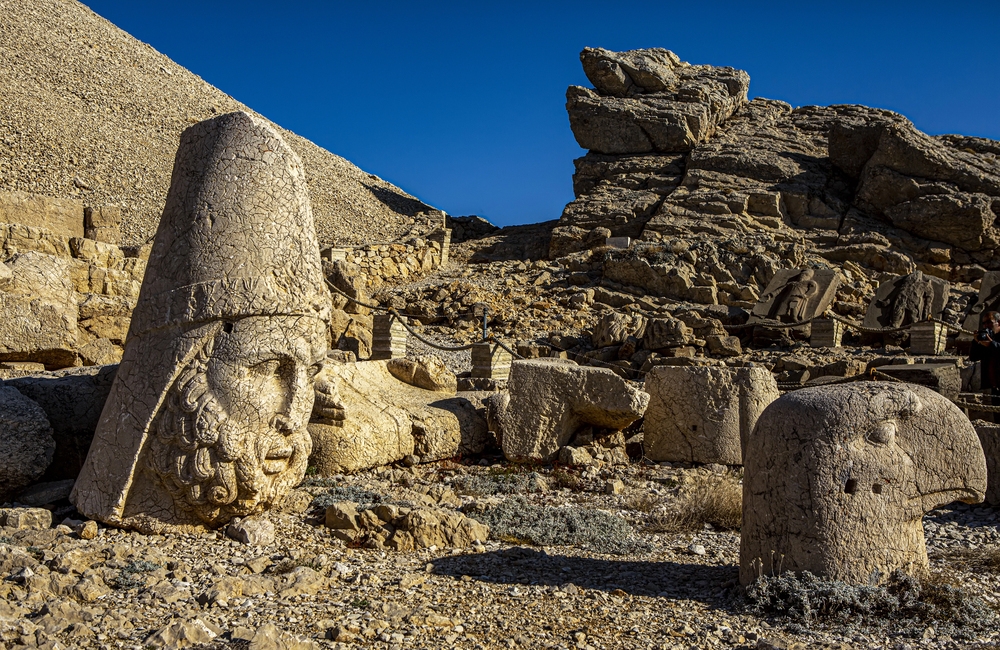
5. Nemrut Dağ (1987)
Mount Nemrut in southeastern Türkiye is famous for its monumental stone statues and the funerary sanctuary of King Antiochus I of Commagene.
The summit features enormous stone heads representing ancient deities and rulers.
The most memorable experiences are sunrise and sunset visits, when the statues and surrounding mountain landscape are illuminated by changing natural light.
Nemrut is an outstanding destination for archaeology enthusiasts and travelers seeking a less conventional route through Türkiye.
6. Xanthos-Letoon (1988)
Located in southwestern Türkiye, Xanthos-Letoon represents an important part of the ancient Lycian civilization.
Xanthos was one of the major political centers of Lycia, while Letoon served as an important religious sanctuary.
Visitors can explore:
-
Ancient theatres
-
Monumental tombs
-
Temple remains
-
Inscribed stone monuments
-
Archaeological structures from different periods
The site offers valuable insight into the political, religious, and cultural traditions of ancient Lycia.
7. Hierapolis-Pamukkale (1988)
Pamukkale is one of Türkiye's most recognizable natural attractions. Its white travertine terraces have been formed by mineral-rich thermal waters flowing down the hillside.
Above the terraces lies Hierapolis, an ancient Roman spa city with impressive archaeological remains.
Highlights include:
-
Pamukkale travertine terraces
-
Hierapolis ancient theatre
-
Roman necropolis
-
Ancient streets and monumental gates
-
Archaeological museum
-
Antique Pool area
The combination of natural beauty and Roman history makes Pamukkale one of the most distinctive UNESCO destinations in Türkiye.
8. City of Safranbolu (1994)
Safranbolu, in Karabük Province, is famous for its well-preserved Ottoman-era townscape.
Traditional houses, narrow streets, historic inns, mosques, and public buildings reflect the architectural character of an important Ottoman trading town.
Visitors can enjoy:
-
Traditional Ottoman houses
-
Historic Cinci Han
-
Old bazaars
-
Traditional Turkish architecture
-
Local crafts and regional cuisine
Safranbolu is an excellent destination for travelers interested in traditional Anatolian town life and Ottoman heritage.
9. Archaeological Site of Troy (1998)
Troy, located near Çanakkale, is one of the world's most famous archaeological sites.
Associated with Homer's Iliad, the ancient city has attracted historians, archaeologists, and travelers for generations.
Excavations have revealed multiple settlement layers, demonstrating that Troy was inhabited over a long period.
Highlights include:
-
Archaeological remains of ancient Troy
-
City walls and gates
-
Different settlement layers
-
Troy Museum
-
The famous Trojan Horse display
Troy is particularly rewarding when combined with Gallipoli, Çanakkale, and other historical destinations in western Türkiye.
10. Selimiye Mosque and Its Social Complex (2011)
Located in Edirne, Selimiye Mosque is one of the greatest architectural achievements of the Ottoman Empire.
Designed by the renowned architect Mimar Sinan and completed in the 16th century, the mosque is admired for its impressive dome, elegant minarets, and balanced proportions.
The surrounding complex reflects the religious, educational, and social functions of Ottoman architecture.
Edirne is a worthwhile destination for visitors traveling between Istanbul and the Balkans.
11. Neolithic Site of Çatalhöyük (2012)
Çatalhöyük, near Konya, is one of the most important Neolithic archaeological sites in the world.
The settlement provides valuable evidence of early farming communities and the development of permanent human settlements.
Archaeologists have discovered:
-
Ancient domestic structures
-
Wall paintings
-
Figurines
-
Burial areas
-
Evidence of early agricultural life
For travelers interested in prehistoric civilizations, Çatalhöyük offers a fascinating look at life thousands of years before the rise of ancient empires.
12. Pergamon and Its Multi-Layered Cultural Landscape (2014)
Pergamon, in İzmir Province, was a major cultural, political, and intellectual center during the Hellenistic and Roman periods.
The archaeological landscape includes the ancient acropolis, monumental structures, and important remains from different historical periods.
Highlights include:
-
Pergamon Acropolis
-
Ancient theatre
-
Temple of Trajan
-
Sanctuary of Athena
-
Asklepion healing center
Pergamon is an excellent addition to itineraries that combine Troy, Ephesus, and other archaeological destinations along the Aegean coast.
13. Bursa and Cumalıkızık: The Birth of the Ottoman Empire (2014)
Bursa and the nearby village of Cumalıkızık illustrate the early development of the Ottoman Empire.
Bursa was the first major capital of the Ottoman state, while Cumalıkızık preserves the traditional character of an early Ottoman village.
Important places include:
-
Bursa Grand Mosque
-
Green Mosque and Green Tomb
-
Historic bazaars
-
Traditional Ottoman houses
-
Cumalıkızık village streets
Together, these destinations provide an introduction to the architectural and urban traditions of early Ottoman society.
14. Diyarbakır Fortress and Hevsel Gardens Cultural Landscape (2015)
Located in southeastern Türkiye, Diyarbakır Fortress and the Hevsel Gardens represent a remarkable relationship between a historic city and its agricultural landscape.
The massive basalt city walls are among the most impressive fortifications in the region.
The nearby Hevsel Gardens have historically supplied the city with agricultural products.
This UNESCO property is especially interesting for travelers exploring the cultural heritage of southeastern Anatolia.
15. Ephesus (2015)
Ephesus, near Selçuk in İzmir Province, is one of the best-preserved ancient cities in the Mediterranean.
It was an important center of commerce, politics, religion, and culture during the Greek and Roman periods.
Its most famous monuments include:
-
Library of Celsus
-
Great Theatre
-
Temple of Hadrian
-
Curetes Street
-
Terrace Houses
-
Remains associated with the Temple of Artemis
Ephesus is a highlight of western Türkiye and can be combined with Pamukkale, Pergamon, and other Aegean destinations.
16. Archaeological Site of Ani (2016)
Ani is a medieval archaeological site near Kars, close to the Turkish-Armenian border.
Once an important regional city, Ani is known for its remarkable medieval architecture and dramatic setting overlooking a deep river gorge.
Visitors can discover:
-
Medieval churches
-
City walls and gates
-
Religious and civic structures
-
Architectural remains from different periods
Ani is a rewarding destination for travelers interested in medieval history and eastern Anatolia.
17. Aphrodisias (2017)
Aphrodisias, located in Aydın Province, was an important ancient city dedicated to Aphrodite.
The city became particularly famous for its sculpture school and marble craftsmanship.
Its archaeological highlights include:
-
Monumental stadium
-
Temple of Aphrodite
-
Sebasteion
-
Ancient theatre
-
Tetrapylon
-
Aphrodisias Museum
Aphrodisias is one of the most impressive archaeological destinations in western Türkiye, particularly for visitors interested in Roman art and architecture.
18. Göbekli Tepe (2018)
Göbekli Tepe, near Şanlıurfa, has transformed our understanding of early human history.
Dating back to the Pre-Pottery Neolithic period, the site contains monumental circular and oval structures with impressive T-shaped stone pillars decorated with animal carvings.
Its significance lies in the evidence it provides about early communities, ritual practices, and the development of complex social organization.
Göbekli Tepe is a major attraction for visitors interested in prehistoric archaeology.
It can also be combined with Şanlıurfa, Harran, and other destinations in southeastern Türkiye.
19. Arslantepe Mound (2021)
Arslantepe Mound, located in Malatya, contains archaeological remains that provide evidence of early urban development and complex political organization.
The site includes remains of monumental buildings, administrative spaces, and early metal objects.
It is particularly important for understanding the development of social hierarchy and state organization in ancient Anatolia.
Arslantepe is an interesting destination for travelers looking beyond Türkiye's better-known archaeological attractions.
20. Gordion (2023)
Gordion, near Ankara, was the capital of the ancient Phrygian kingdom.
The site is closely associated with King Midas and the legendary story of the Gordian Knot.
Its archaeological landscape includes ancient settlement remains and large burial mounds known as tumuli.
Visitors interested in ancient Anatolian civilizations can explore the archaeological site and the nearby Gordion Museum.
Gordion is an important addition to a cultural itinerary through central Anatolia.
21. Wooden Hypostyle Mosques of Medieval Anatolia (2023)
This UNESCO property brings together five historic wooden hypostyle mosques from medieval Anatolia.
They are notable for their wooden columns, carved architectural details, and distinctive construction techniques.
The five mosques are:
-
Eşrefoğlu Mosque in Beyşehir
-
Mahmut Bey Mosque in Kastamonu
-
Sivrihisar Great Mosque in Eskişehir
-
Afyon Great Mosque in Afyonkarahisar
-
Arslanhane Mosque in Ankara
These buildings demonstrate the importance of traditional woodworking and architectural craftsmanship in Anatolian religious architecture.
22. Sardis and the Lydian Tumuli of Bin Tepe (2025)
Sardis, near Salihli in Manisa Province, was the capital of the ancient Lydian Kingdom.
The city is closely associated with King Croesus and the development of early coinage.
The UNESCO property includes the archaeological remains of Sardis and the monumental burial mounds at Bin Tepe.
Highlights include:
-
Ancient city of Sardis
-
Temple of Artemis
-
Roman gymnasium and bath complex
-
Ancient synagogue
-
Lydian burial mounds at Bin Tepe
Its inscription in 2025 makes Sardis one of the newest additions to Türkiye's World Heritage List.
It is particularly appealing to visitors interested in ancient economies, archaeology, and the history of Anatolian civilizations.
The Best UNESCO World Heritage Sites to Visit on Your First Trip
Although all 22 properties have historical or cultural importance, some are easier to include in a first-time Turkey itinerary.
The most practical choices are those located along established travel routes and connected to major tourist destinations.
Istanbul
Istanbul's Historic Areas are an ideal starting point for exploring Türkiye.
Allow at least two or three days to experience its major monuments, historic neighborhoods, museums, and Bosphorus scenery.
Cappadocia
Cappadocia is best experienced over two or three nights.
This allows enough time for the Göreme Open-Air Museum, underground cities, scenic valleys, and optional hot-air balloon experiences.
Ephesus
Ephesus can be visited as part of a journey through the Aegean region.
Many travelers combine it with Pamukkale or other archaeological sites in western Türkiye.
Pamukkale and Hierapolis
Pamukkale is an excellent addition to an itinerary connecting Ephesus and central or southern Türkiye.
A visit usually includes the travertine terraces and the archaeological remains of Hierapolis.
Troy and Pergamon
Troy and Pergamon are particularly suitable for travelers interested in ancient history.
They can be combined with Gallipoli and Ephesus on a longer western Turkey itinerary.
Göbekli Tepe and Southeastern Anatolia
Travelers with more time can explore Göbekli Tepe, Şanlıurfa, and the wider southeastern Anatolian region.
This route offers a very different perspective on Türkiye's history, particularly its prehistoric and early urban heritage.
How to Include UNESCO Sites in Your Turkey Tour
The best way to visit multiple UNESCO destinations is to organize your itinerary geographically.
Trying to visit every site in one trip can involve considerable travel time, so most visitors should focus on a few connected regions.
Here are some practical itinerary ideas.
7–8 Days: Essential Cultural Highlights
A shorter itinerary can focus on Türkiye's most famous destinations:
-
Istanbul
-
Cappadocia
-
Ephesus or Pamukkale, depending on the selected route
This option is suitable for first-time visitors with limited vacation time.
Explore our Turkey tour packages to compare available itineraries.
9–10 Days: Istanbul, Cappadocia, Ephesus and Pamukkale
A 9–10 day journey allows travelers to explore several major cultural and archaeological destinations.
A typical route may include:
-
Istanbul
-
Cappadocia
-
Ephesus
-
Pamukkale
-
Antalya, depending on the tour
For travelers seeking a combination of history, landscapes, and different regions, this is one of the most balanced options.
See our 8–14 day Turkey tour packages.
12–13 Days: Ancient Cities and Gallipoli
A longer western Turkey itinerary can combine:
-
Istanbul
-
Gallipoli
-
Troy
-
Pergamon
-
Ephesus
-
Pamukkale
-
Cappadocia
This route is particularly suitable for history enthusiasts who want to explore ancient civilizations alongside important twentieth-century historical sites.
View our Turkey tours including Gallipoli.
10 Days: Eastern Turkey and Ancient Civilizations
Travelers who have already visited Istanbul and Cappadocia may prefer a different route through southeastern Anatolia.
A possible itinerary includes:
-
Cappadocia
-
Gaziantep
-
Mount Nemrut
-
Şanlıurfa
-
Göbekli Tepe
-
Midyat
-
Mardin
This journey offers a different perspective on Türkiye's archaeological, architectural, and culinary heritage.
The exact route should be planned according to available transportation, travel dates, and the sites you wish to visit.
When Is the Best Time to Visit UNESCO Sites in Türkiye?
The best time depends on the region and the type of experience you prefer.
Spring: April to June
Spring is one of the most comfortable seasons for cultural sightseeing.
Temperatures are generally pleasant, landscapes are greener, and conditions are suitable for exploring archaeological sites and historic towns.
Summer: July to August
Summer is popular for coastal destinations and longer holidays.
However, temperatures can be very high in inland and southeastern regions. Early morning visits are often more comfortable at exposed archaeological sites.
Autumn: September to October
Autumn is another excellent season for visiting Türkiye's historical destinations.
The weather is generally suitable for walking tours, archaeological exploration, and multi-city itineraries.
Winter: November to March
Winter can be a quieter time to visit Istanbul, Ephesus, and some other cultural destinations.
However, Cappadocia and eastern Anatolia can experience cold weather and snow. Travelers should plan transportation and outdoor visits accordingly.
Responsible Tourism at UNESCO World Heritage Sites
UNESCO World Heritage properties are protected because of their outstanding value to humanity.
Visitors can help preserve these places by following a few simple principles:
-
Respect signs, barriers, and visitor regulations.
-
Avoid touching fragile archaeological structures and historic surfaces.
-
Never remove stones, pottery fragments, or other historical objects.
-
Follow designated walking paths.
-
Avoid leaving rubbish at natural and archaeological sites.
-
Respect local communities and religious traditions.
-
Choose responsible local tourism services.
Responsible travel helps protect these important places for future generations.
Frequently Asked Questions About UNESCO World Heritage Sites in Türkiye
How many UNESCO World Heritage Sites does Türkiye have in 2027?
As of 2026, Türkiye has 22 properties on the UNESCO World Heritage List: 20 cultural properties and two mixed properties. Travelers planning a 2027 visit should check the official UNESCO list for any subsequent changes.
What is the most famous UNESCO World Heritage Site in Türkiye?
Istanbul's Historic Areas, Cappadocia, Ephesus, and Pamukkale are among the country's best-known UNESCO destinations. Their popularity comes from their historical importance, accessibility, and distinctive visitor experiences.
Is Cappadocia a UNESCO World Heritage Site?
Yes. Göreme National Park and the Rock Sites of Cappadocia were inscribed on the UNESCO World Heritage List in 1985.
Is Pamukkale a UNESCO World Heritage Site?
Yes. Hierapolis-Pamukkale was inscribed in 1988 as a mixed cultural and natural property because of its archaeological heritage and distinctive travertine formations.
Is Troy included on the UNESCO World Heritage List?
Yes. The Archaeological Site of Troy was inscribed in 1998. It is located near Çanakkale in northwestern Türkiye.
Is Göbekli Tepe a UNESCO World Heritage Site?
Yes. Göbekli Tepe was inscribed in 2018 and is internationally recognized for its monumental prehistoric structures and archaeological significance.
Are all places on Türkiye's UNESCO Tentative List official World Heritage Sites?
No. The Tentative List contains properties that may be considered for future nomination. A place becomes an official World Heritage property only after it has been inscribed on the UNESCO World Heritage List.
Can I visit several UNESCO sites on one Turkey tour?
Yes. Many of Türkiye's best-known sites can be combined into multi-day itineraries. Istanbul, Troy, Pergamon, Ephesus, Pamukkale, and Cappadocia are particularly suitable for a longer cultural journey.
How many days do I need to visit Türkiye's main UNESCO sites?
Around 9–13 days can provide a good introduction to several of the country's most popular UNESCO destinations. Visiting more remote sites, particularly in eastern and southeastern Anatolia, requires additional time.
Plan Your UNESCO Heritage Journey with Turkey Travel
Türkiye's UNESCO World Heritage Sites reveal the remarkable diversity of its history and landscapes.
From the imperial monuments of Istanbul and the ancient streets of Ephesus to the prehistoric discoveries of Göbekli Tepe and the extraordinary rock formations of Cappadocia, every region offers a different perspective on the country's past.
You do not need to visit all 22 properties on one trip. Instead, choose a route that matches your interests, available time, and preferred travel pace.
At Turkey Travel, we organize private and small-group cultural journeys connecting Türkiye's most important historical destinations. Our itineraries can include professional local guides, carefully selected accommodation, transportation, and regional experiences.
Explore our Turkey tour packages for 2027 or contact our team to plan a journey around the UNESCO World Heritage Sites that interest you most.
Discover Türkiye through its history, architecture, ancient civilizations, and extraordinary cultural heritage.

Erdal Serbest is a travel content writer and tourism professional with a background in Tekirdağ Tourism Vocational High School. He has extensive experience in the hospitality and travel agency sectors, where he worked for several years supporting tour operations and destination marketing.
Throughout his career, he has created travel-focused blog content and contributed to destination promotion projects for various tourism platforms. Today, he focuses on developing engaging, informative, and experience-based content for turkeytravel.com.
He believes that travel is the most authentic way to understand cultures, flavors, and human stories, and he aims to reflect this perspective in every article he writes.