QUICK ANSWER
Turkey's culture and history reflect thousands of years of continuous civilization, shaped by ancient Anatolian societies, the Greek and Roman worlds, the Byzantine Empire, the Seljuks, and the Ottoman Empire. Today, this unique heritage is visible in Turkey's UNESCO World Heritage Sites, historic cities, traditional arts, cuisine, architecture, religious landmarks, and everyday customs that connect Europe and Asia.
INTRODUCTION
Turkey is one of the world's most historically significant countries, standing at the crossroads of Europe and Asia where civilizations have interacted for thousands of years. From the earliest settlements of Neolithic Anatolia to the grandeur of the Ottoman Empire, nearly every era of human history has left its mark on the region. Ancient temples, Roman cities, Byzantine churches, Seljuk caravanserais, Ottoman mosques, and modern cultural traditions together create an exceptionally rich historical landscape.
Understanding Turkish culture means looking beyond famous landmarks. Hospitality, family values, regional cuisines, traditional crafts, music, religious diversity, and local customs all contribute to the country's identity. Visitors can experience living traditions while exploring archaeological sites that span more than 10,000 years of recorded history. Whether walking through Istanbul's historic districts, visiting the ruins of Ephesus, or discovering Cappadocia's rock-carved churches, travelers encounter a culture shaped by continuous exchange between East and West. This remarkable blend makes Turkey one of the world's most fascinating destinations for those interested in history, archaeology, architecture, and cultural heritage.
Turkey at a Glance
|
Category |
Information |
|
Country |
Turkey |
|
Location |
Europe & Asia (Transcontinental) |
|
Historical Timeline |
More than 10,000 years of recorded civilization |
|
Capital City |
Ankara |
|
Largest Historic City |
Istanbul |
|
Official Language |
Turkish |
|
UNESCO World Heritage Sites |
20+ cultural and natural UNESCO-listed sites |
|
Major Civilizations |
Hittite, Phrygian, Urartian, Greek, Roman, Byzantine, Seljuk & Ottoman |
|
Religious Heritage |
Christianity, Islam & Judaism |
|
Cultural Highlights |
Ancient civilizations, Ottoman heritage, archaeological sites, traditional arts, Turkish cuisine & renowned hospitality |
|
Best For |
History lovers, cultural travelers, archaeology enthusiasts & architecture enthusiasts |
Why Turkish Culture and History Are Unique
Turkey occupies one of the world's most strategic geographical locations. Situated between Europe and Asia and surrounded by the Mediterranean, Aegean, Black, and Marmara seas, the region has served as a bridge for trade, migration, religion, and empire-building for thousands of years.
Rather than replacing one another, many civilizations built upon earlier cultures. This continuous layering created a landscape where prehistoric settlements, classical temples, Byzantine churches, Seljuk monuments, and Ottoman palaces often exist within the same city.
Several factors distinguish Turkish culture and history:
- More than 10,000 years of continuous human settlement
- Crossroads of Europe, Asia, and the Middle East
- Home to numerous UNESCO World Heritage Sites
- Diverse architectural styles spanning multiple civilizations
- Rich culinary traditions influenced by centuries of cultural exchange
- Strong traditions of hospitality and craftsmanship
- Religious and cultural diversity throughout history
These characteristics make Turkey one of the few countries where visitors can experience multiple eras of world civilization within a single journey.
The Origins of Civilization in Anatolia
Anatolia has been inhabited since prehistoric times and contains some of the earliest known evidence of organized human communities.
Early Human Settlements
Long before written history, communities across Anatolia developed agriculture, permanent housing, and complex social structures. Archaeological discoveries demonstrate that the region played an essential role in humanity's transition from hunter-gatherer societies to settled civilizations.
Among the earliest and most significant sites are:
- Göbekli Tepe
- Çatalhöyük
- Boncuklu Höyük
- Aşıklı Höyük
These settlements transformed historians' understanding of early civilization by revealing that organized religious and communal life developed much earlier than previously believed.
Göbekli Tepe and the World's Oldest Monumental Sanctuary
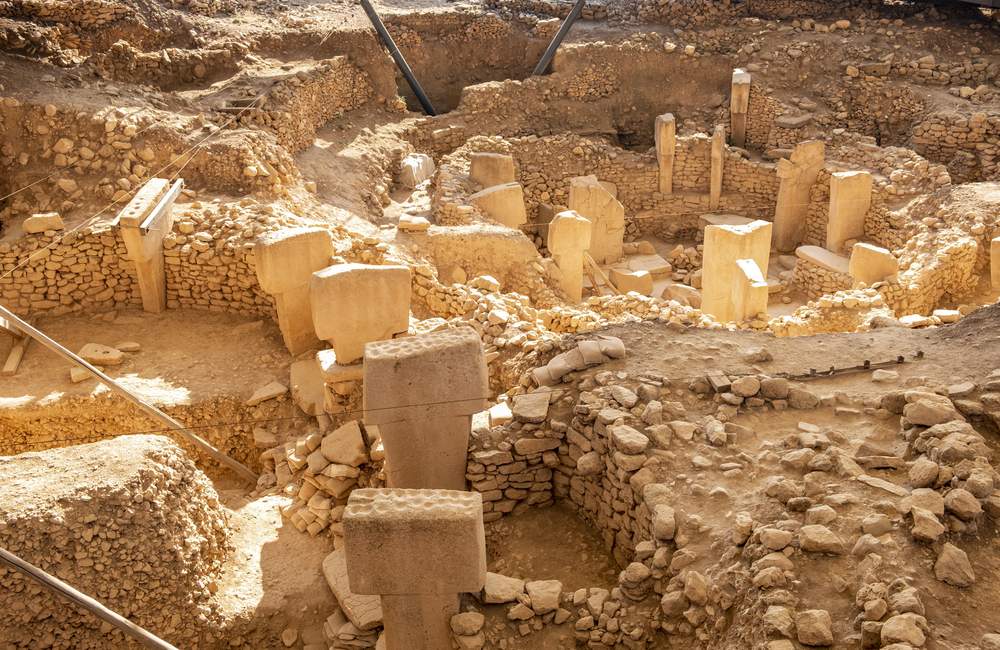
Located in southeastern Turkey, Göbekli Tepe is widely regarded as one of humanity's most important archaeological discoveries. Dating back to approximately the 10th millennium BCE, the site predates Stonehenge and the Egyptian pyramids by several millennia.
Its massive carved stone pillars decorated with animal reliefs demonstrate remarkable engineering and artistic ability for such an early period. Archaeologists believe the site functioned as a ceremonial or ritual center, challenging earlier theories about the origins of organized society.
Today, Göbekli Tepe is recognized as a UNESCO World Heritage Site and has fundamentally reshaped our understanding of prehistoric civilization.
Çatalhöyük — One of the First Urban Communities
Another milestone in world history is Çatalhöyük, one of the largest and best-preserved Neolithic settlements ever discovered.
Its densely packed mud-brick houses, accessed through rooftops rather than streets, provide valuable insights into early urban planning, agriculture, religious beliefs, and daily life.
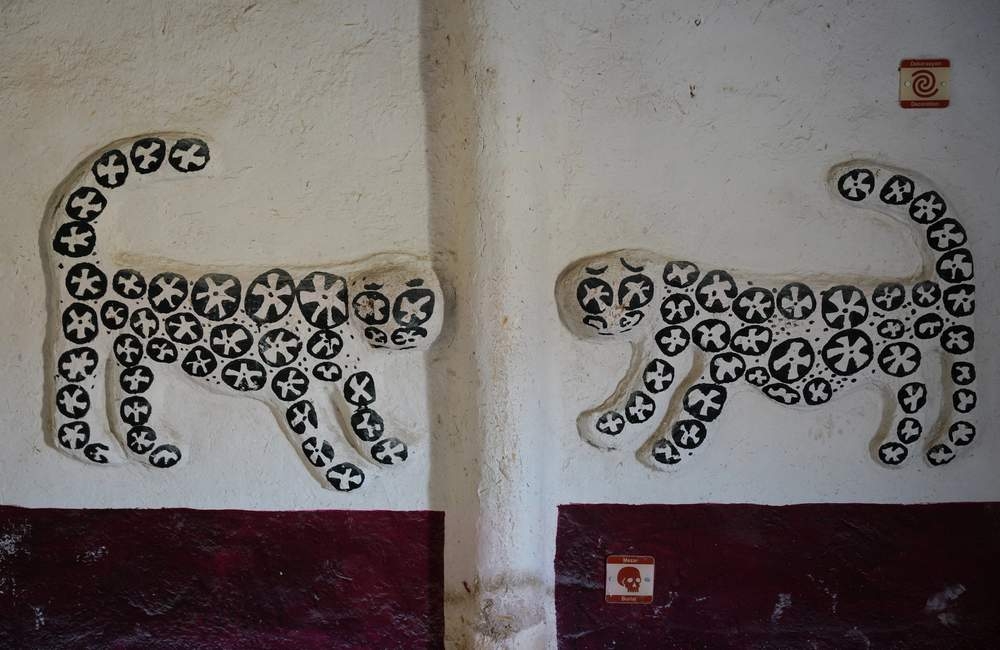
Wall paintings, sculptures, and burial practices discovered at the site reveal a sophisticated society that flourished thousands of years before the rise of classical civilizations.
Ancient Civilizations That Shaped Turkey
Over thousands of years, Anatolia became home to numerous powerful civilizations that influenced politics, trade, religion, and culture across the wider Mediterranean and Near East.
The Hittite Empire
The Hittites established one of the Bronze Age's greatest empires during the second millennium BCE. Their capital, Hattusa, became a major political and military center.
The Hittites are known for:
- Advanced legal systems
- Diplomatic treaties
- Monumental city walls
- Sophisticated metalworking
- Extensive written archives
Their peace treaty with Ancient Egypt following the Battle of Kadesh remains one of the earliest known international treaties.
Phrygians, Urartians, and Lydians
Following the Hittites, several influential kingdoms emerged across Anatolia.
The Phrygians are associated with the legendary King Midas and contributed significantly to agriculture and craftsmanship.
The Urartians built impressive mountain fortresses and advanced irrigation systems in eastern Anatolia.
The Lydians introduced one of history's earliest standardized coinage systems, revolutionizing trade throughout the ancient world.
Together, these civilizations established many of the political and economic foundations that later empires expanded upon.
Greek and Roman Influence Across Anatolia
The Rise of Ancient Greek Cities
Beginning in the first millennium BCE, Greek settlers established prosperous coastal cities along western Anatolia. These communities became centers of philosophy, science, trade, literature, and architecture.
Cities such as Ephesus, Miletus, Pergamon, and Priene flourished through maritime commerce and intellectual achievement.
Many important philosophers, mathematicians, physicians, and historians either lived or worked within these cities, making Anatolia a major contributor to classical civilization.
Roman Prosperity and Monumental Architecture
As the Roman Empire expanded eastward, Anatolia became one of its wealthiest provinces. Roads, aqueducts, theaters, baths, temples, libraries, and marketplaces transformed urban life across the region.
Roman engineering achievements remain visible today in remarkably preserved archaeological sites.
Among the most famous examples are:
- The Library of Celsus in Ephesus
- Aspendos Theatre
- Pergamon Acropolis
- Ancient city of Aphrodisias
- Hierapolis
These cities demonstrate the remarkable urban planning and architectural sophistication of the Roman world while highlighting Anatolia's central role within the empire.
The Byzantine Empire and the Rise of Constantinople
Following the division of the Roman Empire in 395 CE, Constantinople became the capital of the Byzantine Empire and one of the most influential cities in medieval history. Strategically positioned on the Bosphorus, the city connected Europe and Asia while serving as a center of politics, religion, trade, and culture for more than a thousand years.
The Byzantine Empire preserved much of the knowledge, legal traditions, and artistic achievements of the ancient Roman world while developing its own distinctive identity. Magnificent churches, monasteries, mosaics, and defensive walls transformed Constantinople into one of the world's greatest cities.
Today, many of Turkey's most iconic landmarks reflect this remarkable Byzantine legacy.
Hagia Sophia and Byzantine Architecture
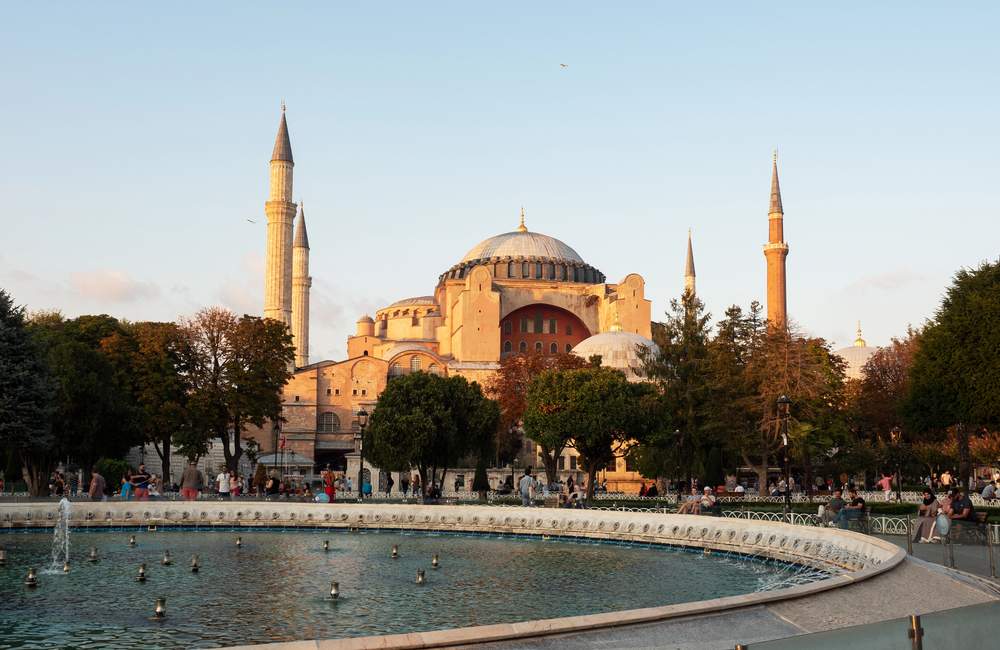
Perhaps no monument better symbolizes Byzantine engineering than Hagia Sophia. Completed in 537 CE during the reign of Emperor Justinian I, it was the largest cathedral in the world for nearly a thousand years.
Its revolutionary dome, intricate mosaics, marble interiors, and immense scale inspired religious architecture across Europe and the Middle East. Throughout its history, Hagia Sophia has served as a cathedral, mosque, museum, and today functions once again as a mosque while remaining one of Turkey's most visited cultural landmarks.
Other notable examples of Byzantine architecture include:
- The Basilica Cistern
- The Walls of Constantinople
- Chora Church (Kariye)
- Monastery complexes throughout Cappadocia
These monuments illustrate the empire's extraordinary achievements in engineering, architecture, and religious art.
The Seljuk Era and the Arrival of Turkish Culture
The arrival of the Seljuk Turks in Anatolia during the 11th century marked a major turning point in the region's history. Following the Battle of Manzikert in 1071, Turkish influence gradually expanded across Anatolia, introducing new political structures, architectural styles, and cultural traditions.
Rather than replacing existing civilizations, the Seljuks incorporated many local traditions while introducing Islamic art, Persian influences, and Central Asian customs. This cultural synthesis laid the foundation for modern Turkish identity.
Seljuk Architecture and Trade Routes
The Seljuks transformed Anatolia into a thriving center of commerce by developing extensive trade networks along the Silk Road.
Their architectural legacy includes:
- Caravanserais
- Madrasas
- Mosques
- Bridges
- Hospitals
- Stone fortifications
Caravanserais became especially important. Built approximately one day's journey apart, they provided merchants with accommodation, food, security, and stables for animals. These structures encouraged international trade between Asia, Europe, and the Middle East.
Many beautifully preserved Seljuk monuments can still be found in Konya, Sivas, Kayseri, Erzurum, and Aksaray.
The Ottoman Empire and Its Lasting Legacy
The Ottoman Empire emerged in northwestern Anatolia during the late 13th century and eventually became one of history's most powerful empires. At its height, it ruled territories across southeastern Europe, western Asia, and North Africa for more than six centuries.
Ottoman civilization blended Turkish traditions with influences from Byzantine, Persian, Arab, and Balkan cultures, creating a distinctive artistic and architectural identity that continues to shape modern Turkey.
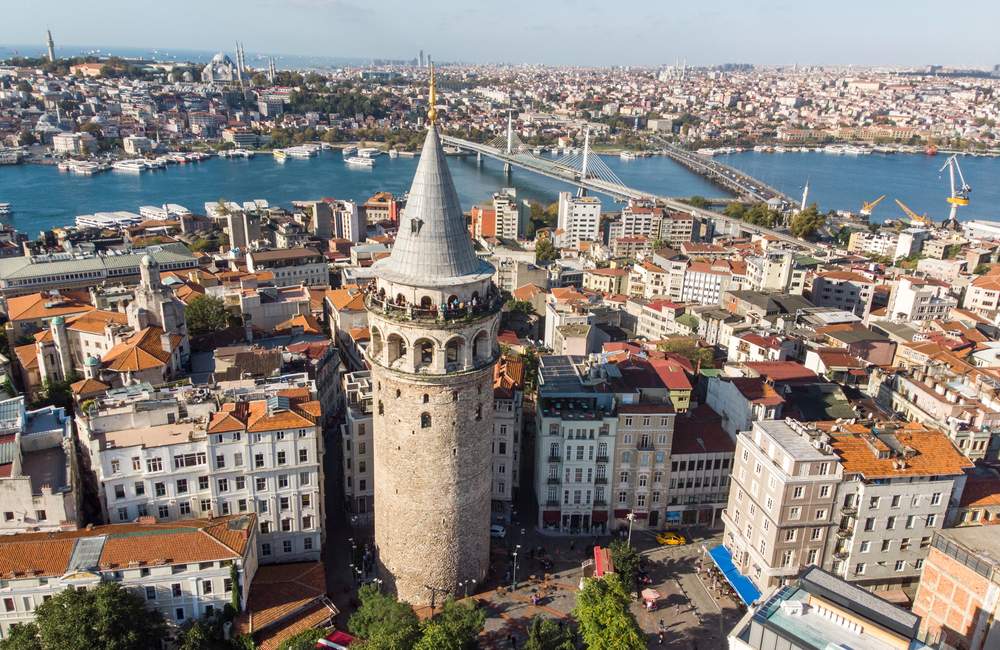
Istanbul as the Imperial Capital
The conquest of Constantinople in 1453 by Sultan Mehmed II transformed the city into the capital of the Ottoman Empire.
Over the following centuries, Istanbul became an international center for diplomacy, scholarship, commerce, and religion.
Many of the city's most famous landmarks date from this period, including:
- Topkapı Palace
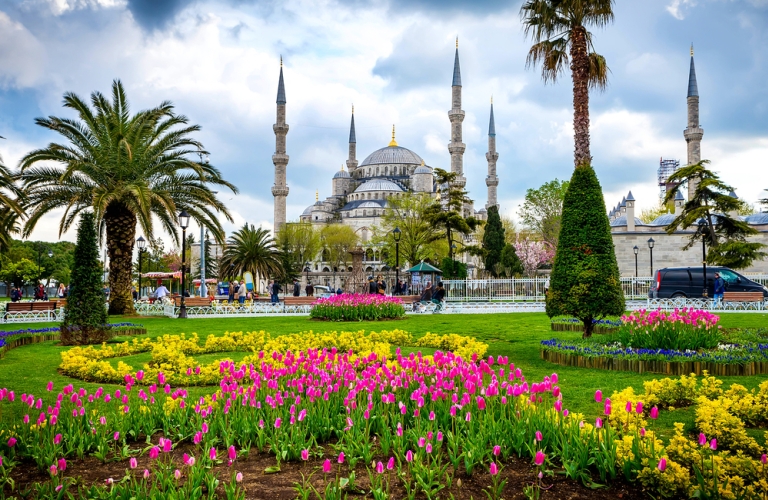
- Blue Mosque (Sultan Ahmed Mosque)
- Süleymaniye Mosque
- Grand Bazaar
- Spice Bazaar
- Dolmabahçe Palace
These monuments reflect the empire's wealth, artistic sophistication, and engineering achievements.
Ottoman Arts and Daily Life
Ottoman culture flourished through literature, music, decorative arts, calligraphy, ceramics, textiles, and cuisine.
Important artistic traditions include:
- İznik ceramic tiles
- Ottoman miniature painting
- Islamic calligraphy
- Carpet weaving
- Wood carving
- Metal craftsmanship
Public life also centered around mosques, baths (hamams), bazaars, and coffeehouses, many of which remain active cultural spaces today.
Traditional Turkish Culture Today
Although Turkey has modernized significantly during the past century, many cultural traditions continue to play an important role in everyday life.
Regional diversity means customs vary throughout the country, yet several shared values unite Turkish society.
Hospitality
Hospitality is widely considered one of Turkey's defining cultural characteristics. Guests are often welcomed with tea or Turkish coffee, and generosity toward visitors remains deeply rooted in daily life.
Whether visiting a family home or a village, travelers frequently experience warm invitations and sincere kindness.
Family and Community
Family occupies a central place in Turkish society. Celebrations, religious holidays, weddings, and important life events often involve large gatherings of relatives and neighbors.
Respect for elders, strong family connections, and community support continue to influence everyday social life.
Traditional Crafts
Many traditional crafts have been passed from one generation to another for centuries.
Among the best-known are:
- Turkish carpet and kilim weaving
- Copper craftsmanship
- Ceramics
- Ebru (paper marbling)
- Wood carving
- Glass art
- Hand embroidery
Visitors can observe artisans practicing these crafts in workshops across cities such as Istanbul, Kütahya, Gaziantep, Safranbolu, and Cappadocia.
Turkish Cuisine as Cultural Heritage
Turkish cuisine reflects centuries of cultural exchange across Anatolia, the Balkans, Central Asia, the Mediterranean, and the Middle East.
Rather than representing a single cooking style, it encompasses numerous regional traditions shaped by geography, climate, and historical influences.
Regional Diversity
Each region contributes distinctive flavors:
|
Region |
Famous Foods |
|
Marmara |
Seafood, olive oil dishes, Ottoman cuisine |
|
Aegean |
Fresh herbs, vegetables, olive oil specialties |
|
Mediterranean |
Citrus fruits, grilled meats, seafood |
|
Central Anatolia |
Bread, pastries, wheat-based dishes |
|
Black Sea |
Anchovies, corn dishes, regional desserts |
|
Southeastern Anatolia |
Kebabs, pistachios, baklava, rich spices |
Iconic Turkish Foods
Some of Turkey's best-known culinary traditions include:
- Kebabs
- Meze
- Baklava
- Turkish delight (Lokum)
- Simit
- Pide
- Lahmacun
- Mantı
- Turkish tea
- Turkish coffee
Many recipes have evolved over centuries and continue to be prepared using traditional techniques, preserving an important part of Turkey's intangible cultural heritage.
Expert Travel Tips
- Visit major historical sites early in the morning to avoid crowds and enjoy better lighting for photography.
- Wear modest clothing when entering active mosques and other places of worship, and be prepared to remove your shoes where required.
- Consider purchasing a museum pass if you plan to visit several archaeological sites and museums during your trip.
- Explore regional museums in addition to famous landmarks to gain a deeper understanding of Turkey's diverse civilizations.
- Sample local specialties in each region, as Turkish cuisine varies significantly across the country.
- Learn a few basic Turkish phrases such as Merhaba (Hello) and Teşekkür ederim (Thank you), which are appreciated by locals.
- Respect archaeological sites by staying on designated paths and avoiding contact with fragile ruins or artifacts.
- Allow enough time to explore beyond Istanbul—destinations such as Cappadocia, Ephesus, Göbekli Tepe, Konya, and Safranbolu provide valuable insights into Turkey's rich cultural and historical heritage.
Frequently Asked Questions (FAQ)
1. What makes Turkish culture unique?
Turkish culture is unique because it combines influences from numerous civilizations that have flourished in Anatolia over thousands of years. Traditions from the Hittite, Greek, Roman, Byzantine, Seljuk, and Ottoman periods continue to shape modern Turkish cuisine, architecture, arts, hospitality, and daily life.
2. Why is Turkey considered historically important?
Turkey is historically important because it has been a crossroads between Europe and Asia for more than 10,000 years. The country is home to some of the world's oldest archaeological sites, ancient cities, and monuments representing multiple civilizations and empires.
3. What are the most famous historical sites in Turkey?
Some of Turkey's most significant historical landmarks include:
- Hagia Sophia
- Göbekli Tepe
- Ephesus
- Cappadocia
- Troy
- Hattusa
- Hierapolis
- Topkapı Palace
- Blue Mosque
- Nemrut Dağı
These sites represent different periods of human civilization and showcase Turkey's exceptional cultural heritage.
4. How has the Ottoman Empire influenced modern Turkey?
The Ottoman Empire left a lasting legacy in architecture, cuisine, language, arts, music, urban planning, and social traditions. Many of Turkey's iconic landmarks, including grand mosques, palaces, bazaars, and historic neighborhoods, date from the Ottoman period and remain central to the country's cultural identity.
5. What traditional customs are still practiced in Turkey?
Many traditional customs remain an important part of everyday life, including offering tea or Turkish coffee to guests, celebrating religious and national holidays with extended families, practicing traditional crafts, and maintaining a strong culture of hospitality and respect for elders.
6. What is Turkish cuisine known for?
Turkish cuisine is known for its regional diversity and centuries of culinary tradition. Popular dishes include kebabs, meze, mantı, pide, lahmacun, baklava, and Turkish delight, while Turkish tea and Turkish coffee remain essential parts of social life.
7. Are there UNESCO World Heritage Sites in Turkey?
Yes. Turkey is home to more than twenty UNESCO World Heritage Sites, including Göbekli Tepe, Cappadocia (Göreme National Park), Hattusa, Ephesus, Troy, Hierapolis-Pamukkale, Safranbolu, Mount Nemrut, and the Historic Areas of Istanbul.
8. When is the best time to explore Turkey's cultural and historical sites?
Spring (April to June) and autumn (September to October) generally offer the most comfortable weather for visiting archaeological sites, historic cities, museums, and UNESCO World Heritage Sites across the country.
Final Summary
Turkey's culture and history tell the story of one of the world's oldest continuously inhabited regions, where civilizations have flourished for more than 10,000 years. From the monumental temples of Göbekli Tepe and the ancient cities of the Greek and Roman worlds to the grandeur of Byzantine Constantinople and the legacy of the Ottoman Empire, each era has contributed to the country's remarkable cultural landscape. Today, historic landmarks, traditional arts, regional cuisine, and enduring customs continue to reflect this rich heritage, making Turkey an exceptional destination for anyone interested in history, archaeology, architecture, and living cultural traditions.
People Also Ask
What is Turkish culture famous for?
Turkish culture is famous for its hospitality, rich cuisine, Ottoman architecture, traditional arts, vibrant bazaars, and a history shaped by numerous civilizations.
How old is Turkish civilization?
Human settlement in Anatolia dates back more than 10,000 years, while Turkish cultural influence in the region began with the arrival of the Seljuks in the 11th century.
What civilizations lived in Turkey?
Anatolia has been home to the Hittites, Phrygians, Urartians, Greeks, Romans, Byzantines, Seljuks, Ottomans, and many other civilizations throughout history.
Why is Anatolia important in world history?
Anatolia served as a bridge between Europe and Asia, making it a center for trade, migration, religion, and cultural exchange for thousands of years.
What are the best places to experience Turkish history?
Istanbul, Ephesus, Cappadocia, Göbekli Tepe, Hattusa, Troy, Hierapolis-Pamukkale, Konya, Safranbolu, and Mount Nemrut are among Turkey's most significant historical destinations.
What role did the Ottoman Empire play in Turkish culture?
The Ottoman Empire shaped many aspects of modern Turkish identity through its architecture, arts, cuisine, music, governance, and multicultural traditions.

Erdal Serbest is a travel content writer and tourism professional with a background in Tekirdağ Tourism Vocational High School. He has extensive experience in the hospitality and travel agency sectors, where he worked for several years supporting tour operations and destination marketing.
Throughout his career, he has created travel-focused blog content and contributed to destination promotion projects for various tourism platforms. Today, he focuses on developing engaging, informative, and experience-based content for turkeytravel.com.
He believes that travel is the most authentic way to understand cultures, flavors, and human stories, and he aims to reflect this perspective in every article he writes.