Best Places to Visit in Istanbul: 18 Must-See Attractions
Istanbul is a city of remarkable contrasts, where Byzantine churches, Ottoman palaces, historic bazaars and modern neighborhoods exist side by side. Located between Europe and Asia, it offers visitors an extraordinary combination of history, architecture, culture, food and waterfront scenery.
Whether you are visiting for the first time or returning to discover more of the city, there are countless places worth exploring. From the magnificent Hagia Sophia and Topkapi Palace to the colorful streets of Balat, the panoramic views from Galata Tower and the peaceful atmosphere of the Princes' Islands, every part of Istanbul offers a different experience.
This guide introduces 18 of the best places to visit in Istanbul, explains what makes each attraction special and helps you organize your sightseeing by location.
If you are planning your first visit, you can also explore our Istanbul tours for guided experiences around the city's most important landmarks.
Quick Answer: What Are the Best Places to Visit in Istanbul?
For first-time visitors, the most important places to include in an Istanbul itinerary are:
-
Hagia Sophia
-
Blue Mosque
-
Topkapi Palace
-
Basilica Cistern
-
Hippodrome of Constantinople
-
Grand Bazaar
-
Spice Bazaar
-
Galata Tower
-
Istiklal Street
-
Dolmabahce Palace
-
Bosphorus
-
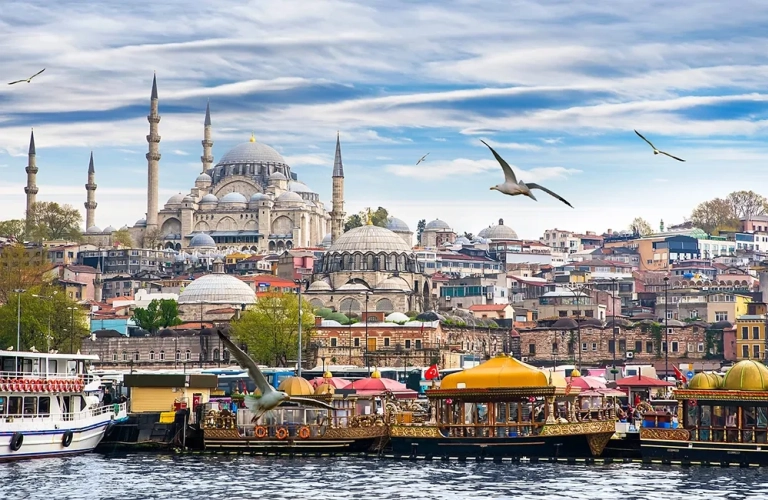
Suleymaniye Mosque
-
Balat and Fener
-
Ortakoy
-
Istanbul Archaeological Museums
-
Turkish and Islamic Arts Museum
-
Kadikoy and Uskudar
-
Princes' Islands
Most of the main historical attractions are concentrated in the Old City, making it possible to explore several of them on foot. Other neighborhoods and waterfront destinations are best visited using public transportation, ferries or organized sightseeing tours.
Istanbul Attractions at a Glance
| Attraction | Area | Main Experience |
|---|---|---|
| Hagia Sophia | Sultanahmet | Byzantine and Ottoman history |
| Blue Mosque | Sultanahmet | Ottoman architecture |
| Topkapi Palace | Sultanahmet | Imperial Ottoman heritage |
| Basilica Cistern | Sultanahmet | Underground Byzantine architecture |
| Hippodrome | Sultanahmet | Ancient Constantinople |
| Grand Bazaar | Beyazit | Traditional shopping |
| Spice Bazaar | Eminonu | Turkish food and spices |
| Galata Tower | Galata | Panoramic city views |
| Istiklal Street | Beyoglu | Shopping and city life |
| Dolmabahce Palace | Besiktas | Ottoman palace architecture |
| Bosphorus | European and Asian shores | Waterfront scenery |
| Suleymaniye Mosque | Fatih | Ottoman architecture and views |
| Balat and Fener | Fatih | Historic neighborhoods |
| Ortakoy | Besiktas | Bosphorus waterfront |
| Archaeological Museums | Sultanahmet | Ancient history |
| Turkish and Islamic Arts Museum | Sultanahmet | Islamic art and culture |
| Kadikoy and Uskudar | Asian side | Local life and waterfront |
| Princes' Islands | Sea of Marmara | Island atmosphere and nature |
1. Hagia Sophia – Istanbul's Most Iconic Historical Landmark
Hagia Sophia is one of the most important architectural and historical landmarks in Istanbul.
Originally completed in 537 during the reign of Byzantine Emperor Justinian I, it served as a major church for centuries. Following the Ottoman conquest of Constantinople in 1453, it became a mosque. It was later used as a museum before returning to mosque status in 2020.
Its enormous dome, impressive interior space, marble columns and historic mosaics reflect different periods of the city's history.
Visitors should pay attention to the combination of Byzantine Christian and Ottoman Islamic artistic elements, which makes Hagia Sophia particularly distinctive.
Why visit: To understand Istanbul's Byzantine and Ottoman heritage through one extraordinary building.
Location: Sultanahmet, Fatih.
Visitor tip: Hagia Sophia operates as a mosque, and access arrangements for worshippers and tourists are different. International visitors should check the current visitor entrance, gallery access, ticket arrangements and dress requirements before visiting.
Read our detailed Hagia Sophia Istanbul Guide.
2. Blue Mosque – A Masterpiece of Ottoman Architecture
The Blue Mosque, officially known as the Sultan Ahmed Mosque, is another essential stop in Sultanahmet.
Completed in the early 17th century, the mosque is famous for its elegant domes, six minarets and decorative Iznik tiles.
Its interior features thousands of handmade tiles in blue and other colors, creating the atmosphere that gave the mosque its popular name.
The mosque remains an active place of worship and is an important part of Istanbul's religious and architectural heritage.
Why visit: To admire classical Ottoman mosque architecture and its distinctive interior decoration.
Location: Sultanahmet, opposite Hagia Sophia.
Visitor tip: Visitors should dress modestly and follow mosque entry rules. Tourist access may be restricted during prayer times.
3. Topkapi Palace – Discover the World of Ottoman Sultans
Topkapi Palace was the principal residence and administrative center of Ottoman sultans for centuries.
Located on a hill overlooking the Bosphorus and the Golden Horn, the palace complex includes courtyards, ceremonial buildings, imperial collections and gardens.
Highlights include:
-
Imperial Treasury
-
Palace kitchens
-
Audience Chamber
-
Imperial Council building
-
Palace courtyards
-
Harem section
The Harem is particularly interesting for visitors who want to learn about the private life of the Ottoman royal household.
Why visit: To explore the political, cultural and daily life of the Ottoman Empire.
Location: Sultanahmet, near Hagia Sophia.
Visitor tip: Allow several hours if you want to explore the palace collections and different sections without rushing. Check the current admission arrangements and opening information before your visit.
4. Basilica Cistern – An Underground Byzantine Wonder
The Basilica Cistern is one of Istanbul's most atmospheric historical attractions.
Built during the Byzantine period, this enormous underground water reservoir was designed to supply water to the imperial city.
The interior features rows of marble columns rising from the water, atmospheric lighting and two famous Medusa-head column bases.
The cistern provides a fascinating contrast to the mosques, palaces and open squares above ground.
Why visit: To discover Byzantine engineering and an unusual underground historical structure.
Location: Sultanahmet, close to Hagia Sophia.
Visitor tip: The interior can be damp, and the floor may be slippery in some areas. Follow the visitor route and take care when walking.
5. Hippodrome of Constantinople – The Historic Heart of Byzantine Istanbul
The Hippodrome was once the center of public entertainment and ceremonial life in Constantinople.
Chariot races, public events and imperial celebrations took place in this enormous ancient arena.
Today, the historic square is known as Sultanahmet Square and preserves several important monuments.
Notable features include:
-
Obelisk of Theodosius
-
Serpent Column
-
Walled Obelisk
-
German Fountain
The Hippodrome is an easy addition to a walking tour because it is located between Hagia Sophia and the Blue Mosque.
Why visit: To understand the public life and history of Byzantine Constantinople.
Location: Sultanahmet.
6. Grand Bazaar – One of the World's Most Famous Historic Markets
The Grand Bazaar is one of Istanbul's best-known shopping destinations.
Its covered streets contain thousands of shops selling carpets, kilims, jewelry, ceramics, textiles, leather goods, lamps and souvenirs.
Beyond shopping, the bazaar is a fascinating place to experience the city's traditional commercial culture.
Visitors can explore its historic gates, covered passages, traditional shops and small courtyards.
Why visit: To experience a historic Ottoman market and discover traditional Turkish crafts.
Location: Beyazit, Fatih.
Visitor tip: Take your time, compare products and ask questions before making a purchase. Bargaining may be appropriate in some shops, but there is no universal discount or fixed bargaining rule.
The Grand Bazaar generally closes on Sundays and may have special holiday closures. Confirm its current opening schedule before visiting.
For more shopping advice, read our Grand Bazaar Istanbul Guide.
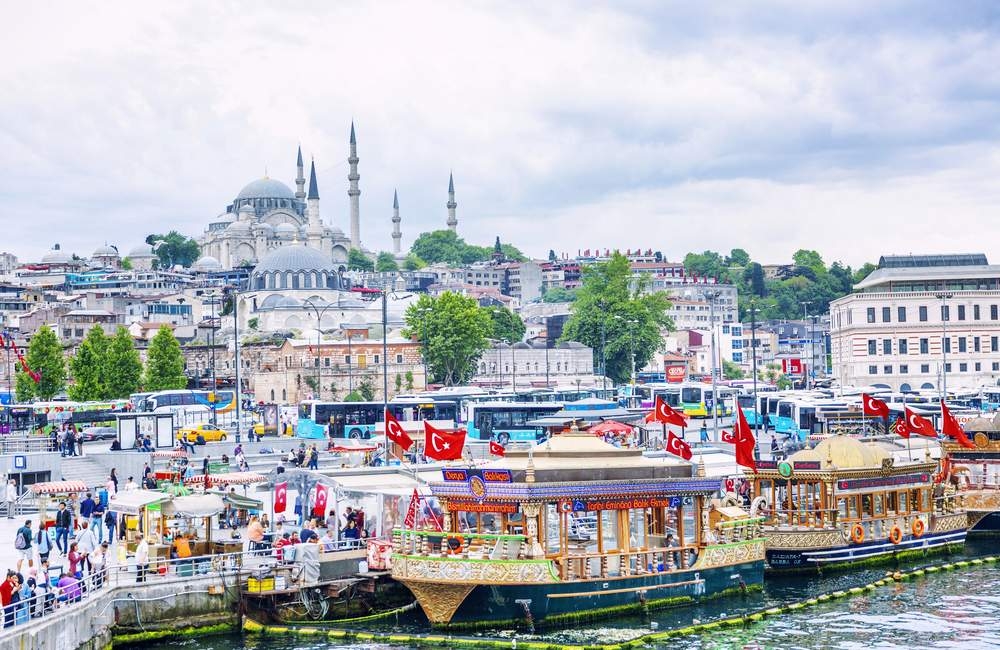
7. Spice Bazaar – Discover the Flavors of Turkey
Located in Eminonu, the Spice Bazaar is a historic market famous for its colorful displays of spices, dried fruits, nuts, Turkish delight and traditional food products.
The market offers a different atmosphere from the Grand Bazaar, with a stronger focus on food and local flavors.
Visitors can discover:
-
Turkish spices and herbs
-
Dried fruits and nuts
-
Turkish delight
-
Traditional sweets
-
Tea and coffee
-
Regional food products
Why visit: To experience Turkish food culture and browse traditional local products.
Location: Eminonu, near the Golden Horn waterfront.
Visitor tip: Compare products and check packaging and prices before purchasing food items to take home.
8. Galata Tower – Panoramic Views of Istanbul
Galata Tower is one of Istanbul's most recognizable landmarks.
Originally built in the medieval period, the stone tower has served different purposes throughout its history.
Today, it is particularly popular for its elevated views over the historic peninsula, Golden Horn, Bosphorus and surrounding neighborhoods.
The streets around Galata are also worth exploring, with cafés, small shops, historic buildings and attractive side streets.
Why visit: For panoramic city views and the historic atmosphere of the Galata neighborhood.
Location: Galata, Beyoglu.
Visitor tip: The tower is popular, especially during busy travel periods. Check current admission arrangements and consider visiting outside the busiest hours.
9. Istiklal Street – The City's Lively Shopping and Cultural Avenue
Istiklal Street is one of Istanbul's most famous pedestrian avenues.
Stretching between Taksim Square and the historic Galata area, it is lined with shops, restaurants, cafés, cultural venues and historic buildings.
The nostalgic red tram is one of its best-known features.
Nearby streets offer additional discoveries, including historic passages, churches, bookshops and traditional cafés.
Why visit: To experience modern Istanbul's shopping, food, culture and everyday city life.
Location: Beyoglu.
Visitor tip: Explore the smaller side streets as well as the main avenue. They often reveal interesting architecture and quieter local places.
10. Dolmabahce Palace – Ottoman Elegance on the Bosphorus
Dolmabahce Palace is one of the most impressive royal residences in Istanbul.
Built in the 19th century, it reflects the architectural and decorative influences of the later Ottoman period.
Its grand ceremonial halls, ornate interiors, crystal details and waterfront location make it very different from Topkapi Palace.
The palace is also associated with the final period of the Ottoman Empire and the early years of the Turkish Republic.
Why visit: To discover the later Ottoman era and admire a magnificent European-influenced palace.
Location: Besiktas, along the European shore of the Bosphorus.
Visitor tip: Check which palace sections are open to visitors and allow sufficient time for the visit.
11. Bosphorus – Experience Istanbul Between Two Continents
The Bosphorus is one of Istanbul's defining features.
This natural waterway separates the European and Asian sides of the city and connects the Sea of Marmara with the Black Sea.
A Bosphorus cruise offers views of waterfront palaces, historic mansions, mosques, bridges and neighborhoods along both shores.
Depending on the route, visitors may see:
-
Dolmabahce Palace
-
Ciragan Palace
-
Ortakoy Mosque
-
Bosphorus Bridge
-
Rumeli Fortress
-
Anadolu Fortress
-
Traditional waterfront mansions
Why visit: To experience Istanbul's geography and enjoy its waterfront scenery.
Visitor tip: Public ferries, sightseeing cruises and private boat trips offer different experiences. Compare the route and duration before choosing.
A daytime cruise is excellent for sightseeing, while an evening cruise provides a different perspective of the illuminated waterfront.
12. Suleymaniye Mosque – Ottoman Architecture and Golden Horn Views
The Suleymaniye Mosque is one of the greatest works of the Ottoman architect Mimar Sinan.
Commissioned by Sultan Suleiman the Magnificent and completed in the 16th century, the mosque forms part of a larger complex that once included educational, charitable and social facilities.
Its elegant architecture, spacious courtyard and surrounding historic neighborhood make it a rewarding destination.
The area also offers attractive views toward the Golden Horn.
Why visit: To appreciate classical Ottoman architecture and explore a less crowded historical area than central Sultanahmet.
Location: Suleymaniye, Fatih.
Visitor tip: Combine the mosque with a walk through the surrounding streets and nearby traditional restaurants.
13. Balat and Fener – Colorful Historic Neighborhoods
Balat and Fener are among Istanbul's most characterful historic neighborhoods.
Located along the Golden Horn, these districts are known for colorful houses, narrow streets, old religious buildings and traditional neighborhood life.
The area reflects Istanbul's multicultural history, with architectural and cultural traces of different communities.
Highlights include:
-
Colorful historic houses
-
Fener Greek Orthodox Patriarchate
-
Historic churches
-
Traditional streets and stairways
-
Local cafés and small shops
Why visit: To explore a different side of Istanbul away from the major palace and mosque complexes.
Location: Fatih, along the Golden Horn.
Visitor tip: These are living residential neighborhoods. Be respectful when photographing homes, residents and places of worship.
14. Ortakoy – A Picturesque Bosphorus Waterfront
Ortakoy is one of the most attractive waterfront neighborhoods on the European side of Istanbul.
Its square is famous for the Ortakoy Mosque, which stands close to the water beneath the Bosphorus Bridge.
The neighborhood is popular for its cafés, restaurants, street food and waterfront views.
Visitors often enjoy walking along the shore, photographing the mosque and sampling local snacks.
Why visit: For Bosphorus scenery, photography and a relaxed neighborhood atmosphere.
Location: Besiktas, European side.
Visitor tip: Ortakoy is particularly attractive around sunset, although weekends can be busy.
15. Istanbul Archaeological Museums – Explore Ancient Civilizations
The Istanbul Archaeological Museums are an important destination for visitors interested in history and archaeology.
The museum complex contains collections associated with ancient civilizations from Anatolia, Mesopotamia, the Mediterranean and other regions.
Its exhibits help explain the long history of the lands that formed part of the ancient and medieval worlds.
The museum is particularly interesting for travelers who want to understand the historical context of the monuments they see throughout Turkey.
Why visit: To discover archaeological objects and learn about the civilizations that shaped the region.
Location: Near Topkapi Palace, Sultanahmet.
Visitor tip: Combine the museums with Topkapi Palace if you have enough time for a full historical sightseeing day.
16. Turkish and Islamic Arts Museum – Discover Traditional Art and Culture
Located in Sultanahmet Square, the Turkish and Islamic Arts Museum presents important examples of Islamic art and craftsmanship.
Its collections include carpets, manuscripts, calligraphy, ceramics, woodwork and other decorative arts.
The museum provides a deeper understanding of the artistic traditions that developed across the Islamic world and the Ottoman Empire.
Why visit: To explore Turkish and Islamic artistic heritage beyond the city's famous architectural landmarks.
Location: Sultanahmet Square.
Visitor tip: This museum is a useful addition to a day focused on the Blue Mosque, Hippodrome and Hagia Sophia.
17. Kadikoy and Uskudar – Discover Istanbul's Asian Side
Istanbul's Asian side offers a different atmosphere from the historic European districts.
Kadikoy is known for its food market, cafés, restaurants, shops and lively streets. It is a popular area for experiencing everyday local life.
Uskudar offers a more traditional waterfront atmosphere, with historic mosques and views across the Bosphorus toward the European side.
Notable places include:
-
Kadikoy Market
-
Moda waterfront
-
Uskudar waterfront
-
Maiden's Tower views
-
Mihrimah Sultan Mosque
-
Camlica Hill
Why visit: To experience Istanbul beyond its main tourist districts and discover the city's Asian side.
Visitor tip: Take a public ferry across the Bosphorus. The journey itself is one of Istanbul's most enjoyable everyday experiences.
18. Princes' Islands – A Peaceful Escape from the City
The Princes' Islands are located in the Sea of Marmara and offer a quieter atmosphere away from central Istanbul.
The islands are known for historic wooden houses, coastal scenery, walking routes and a relaxed pace of life.
Buyukada is the largest and one of the most frequently visited islands.
Other islands include Heybeliada, Burgazada and Kinaliada.
Visitors can enjoy:
-
Historic island streets
-
Traditional wooden houses
-
Coastal walks
-
Sea views
-
Local restaurants and cafés
-
A slower pace of life
Why visit: To experience a different atmosphere and enjoy a day away from the busy city center.
Visitor tip: Ferry journeys take time, so allow most of a day for an island visit. Check current ferry schedules before departure.
Best Places to Visit in Istanbul by Area
One of the easiest ways to explore Istanbul is to organize sightseeing by neighborhood. This reduces unnecessary travel and allows you to see several nearby attractions on the same day.
Sultanahmet and the Historic Peninsula
The historic peninsula contains many of Istanbul's most important landmarks.
Consider visiting:
-
Hagia Sophia
-
Blue Mosque
-
Topkapi Palace
-
Basilica Cistern
-
Hippodrome
-
Istanbul Archaeological Museums
-
Turkish and Islamic Arts Museum
This area is ideal for first-time visitors and can easily fill a full day or more.
Beyazit, Eminonu and the Golden Horn
This part of the city combines traditional shopping areas with historic neighborhoods.
Consider visiting:
-
Grand Bazaar
-
Spice Bazaar
-
Suleymaniye Mosque
-
Balat
-
Fener
You can explore the markets in the morning and continue toward the Golden Horn in the afternoon.
Galata, Karakoy and Beyoglu
These neighborhoods offer a combination of historic architecture, modern cafés, shopping and city views.
Consider visiting:
-
Galata Tower
-
Istiklal Street
-
Taksim Square
-
Historic passages
-
Karakoy waterfront
This area is especially enjoyable for visitors interested in city life, food and architecture.
Besiktas and the Bosphorus
The European Bosphorus shore offers palaces, waterfront neighborhoods and beautiful scenery.
Consider visiting:
-
Dolmabahce Palace
-
Ortakoy
-
Bosphorus waterfront
-
Ciragan Palace exterior and surrounding area
A Bosphorus cruise can be added to this part of your itinerary.
The Asian Side
The Asian side offers a different perspective on Istanbul.
Consider visiting:
-
Kadikoy
-
Moda
-
Uskudar
-
Maiden's Tower waterfront views
-
Camlica Hill
A ferry journey is a convenient and scenic way to reach these districts.
Best Places to Visit in Istanbul for First-Time Visitors
If this is your first visit, you do not need to see every attraction. Focus on the places that best represent the city's history, architecture and geography.
A practical priority list is:
-
Hagia Sophia
-
Blue Mosque
-
Topkapi Palace
-
Basilica Cistern
-
Grand Bazaar
-
Galata Tower
-
Bosphorus cruise
-
Dolmabahce Palace
-
Suleymaniye Mosque
-
Balat or Kadikoy
If you have only two or three days, prioritize the historic peninsula, Galata-Beyoglu and a Bosphorus experience.
Suggested 3-Day Istanbul Sightseeing Itinerary
A three-day itinerary provides a good introduction to Istanbul's main attractions without trying to cover the entire city.
Day 1: Historic Istanbul
Focus on Sultanahmet and the historic peninsula.
Suggested visits:
-
Hagia Sophia
-
Blue Mosque
-
Hippodrome
-
Basilica Cistern
-
Topkapi Palace
If you have additional time, visit the Istanbul Archaeological Museums.
Day 2: Traditional Markets and Modern Istanbul
Begin around the historic shopping districts.
Suggested visits:
-
Grand Bazaar
-
Suleymaniye Mosque
-
Spice Bazaar
-
Galata Tower
-
Karakoy
-
Istiklal Street
-
Taksim Square
You can adjust the route depending on how much time you want to spend shopping and exploring.
Day 3: Bosphorus and the Asian Side
Start with a Bosphorus cruise or visit Dolmabahce Palace.
Continue with:
-
Ortakoy
-
Kadikoy
-
Uskudar
If you prefer a quieter day, replace some of these stops with a visit to the Princes' Islands.
How Many Days Do You Need to Visit Istanbul?
The ideal length of your stay depends on your interests and sightseeing pace.
| Time Available | Suggested Experience |
|---|---|
| 1 day | Main Sultanahmet landmarks |
| 2 days | Historic peninsula, Grand Bazaar and Galata |
| 3 days | Major attractions plus the Bosphorus |
| 4 days | Main highlights, Asian side and additional museums |
| 5 days or more | A relaxed visit with neighborhoods and day trips |
If you want to explore the city comfortably, three or four days is a useful starting point.
For more detailed advice, read our guide: How Many Days Do You Need in Istanbul?.
Free Places to Visit in Istanbul
Not every memorable Istanbul experience requires a paid attraction ticket.
Some places can be enjoyed without an admission charge, although individual activities or services may have separate costs.
Examples include:
-
Sultanahmet Square
-
Hippodrome monuments
-
Suleymaniye Mosque
-
Ortakoy waterfront
-
Istiklal Street
-
Balat and Fener streets
-
Kadikoy waterfront
-
Uskudar waterfront
-
Gulhane Park
-
Public ferry journeys, with a regular transport fare
Mosques remain active religious spaces, so visitors should follow the relevant dress and visitor rules.
How to Get Around Istanbul's Attractions
Istanbul is a large city, but its main tourist districts are connected by public transportation.
Tram
The T1 tram line is particularly useful for visitors exploring the historic peninsula. It connects important areas such as Sultanahmet, Beyazit, Eminonu and Karakoy.
Metro
Metro lines connect several central districts with residential areas and transport hubs.
Ferries
Public ferries are a practical way to travel between the European and Asian sides and to visit the Princes' Islands.
Buses
Buses serve many neighborhoods that are not directly connected by metro or tram.
Walking
Walking is often the best way to explore compact historic districts such as Sultanahmet, Galata and Balat.
For a more detailed overview, read our Istanbul Transportation Guide.
When Is the Best Time to Visit Istanbul?
Spring and autumn are generally comfortable seasons for sightseeing.
Spring
Spring brings milder weather and is a pleasant time to explore historical attractions, parks and waterfront areas.
Summer
Summer offers long daylight hours and lively outdoor activity, but temperatures and visitor numbers can be high.
Autumn
Autumn is another comfortable season for walking tours, museums and Bosphorus experiences.
Winter
Winter is generally quieter, although rain and colder weather may affect outdoor sightseeing.
For a more detailed seasonal guide, see Best Time to Visit Istanbul.
Should You Visit Istanbul with a Guided Tour?
You can explore Istanbul independently, but a guided tour can be useful when visiting several historical landmarks in a limited amount of time.
A professional guide can explain the city's Byzantine and Ottoman heritage, help you understand the historical context of major monuments and organize sightseeing more efficiently.
A guided experience may be particularly useful for:
-
First-time visitors
-
Travelers with limited time
-
Families
-
Visitors interested in history and architecture
-
Travelers who prefer organized transportation
If you want to explore the main landmarks with local guidance, compare our Istanbul tour packages.
Frequently Asked Questions About the Best Places to Visit in Istanbul
What is the number one attraction in Istanbul?
Hagia Sophia is one of Istanbul's most iconic attractions because of its exceptional architecture and importance in Byzantine and Ottoman history. Topkapi Palace, the Blue Mosque and the Basilica Cistern are also major highlights.
What should I not miss in Istanbul?
First-time visitors should consider Hagia Sophia, the Blue Mosque, Topkapi Palace, Basilica Cistern, Grand Bazaar, Galata Tower and a Bosphorus experience.
Are three days enough to visit Istanbul?
Three days are enough to explore many of Istanbul's main attractions. You can focus on the historic peninsula, Galata and Beyoglu, and the Bosphorus or Asian side.
What are the best historical places to visit in Istanbul?
Important historical sites include Hagia Sophia, Topkapi Palace, the Blue Mosque, Basilica Cistern, Hippodrome, Suleymaniye Mosque and the Istanbul Archaeological Museums.
What are the best places to visit in Istanbul for free?
You can explore Sultanahmet Square, the Hippodrome, Suleymaniye Mosque, Istiklal Street, Balat, Ortakoy waterfront and several public waterfront areas without paying an attraction entrance fee. Public transportation still requires a fare.
Is the Grand Bazaar worth visiting?
Yes. The Grand Bazaar is a historic covered market where visitors can explore traditional Turkish crafts, jewelry, carpets, ceramics, textiles and souvenirs.
Is the Asian side of Istanbul worth visiting?
Yes. Kadikoy and Uskudar offer a different atmosphere from the historic European districts, with local markets, waterfront walks, restaurants and Bosphorus views.
Can I visit the Princes' Islands from Istanbul?
Yes. Public ferries connect Istanbul with the Princes' Islands. A visit usually requires most of a day, depending on your chosen island and ferry schedule.
What is the best area for sightseeing in Istanbul?
Sultanahmet is especially convenient for first-time visitors because many major historical attractions are close together. Galata, Beyoglu and the Bosphorus districts offer additional experiences.
Do I need a guide to visit Istanbul's attractions?
A guide is not essential, but a professional guide can provide historical explanations and help organize visits to several landmarks efficiently.
Are Istanbul's main attractions open every day?
Opening days and hours vary by attraction. Museums, palaces, mosques and historic sites may have different schedules, special closures or restrictions during religious holidays and official events. Check the relevant attraction's current visitor information before your visit.
Explore Istanbul with TurkeyTravel.com
Istanbul offers an extraordinary range of experiences, from Byzantine and Ottoman landmarks to historic markets, lively neighborhoods and scenic Bosphorus views.
Whether you want to explore Hagia Sophia, admire Topkapi Palace, shop at the Grand Bazaar, discover Galata and Balat or enjoy a ferry journey between two continents, the city has something for every traveler.
TurkeyTravel.com is operated by Kontes Travel, a licensed Turkish travel agency based in Istanbul and serving international travelers since 2006.
We offer private and small-group sightseeing arrangements in Istanbul, with itineraries designed to help visitors discover the city's history, culture and most important attractions.
Explore our Istanbul tour packages and contact our team to plan your visit.

Erdal Serbest is a travel content writer and tourism professional with a background in Tekirdağ Tourism Vocational High School. He has extensive experience in the hospitality and travel agency sectors, where he worked for several years supporting tour operations and destination marketing.
Throughout his career, he has created travel-focused blog content and contributed to destination promotion projects for various tourism platforms. Today, he focuses on developing engaging, informative, and experience-based content for turkeytravel.com.
He believes that travel is the most authentic way to understand cultures, flavors, and human stories, and he aims to reflect this perspective in every article he writes.