Dolmabahçe Palace Istanbul: History, Architecture and Visiting Guide
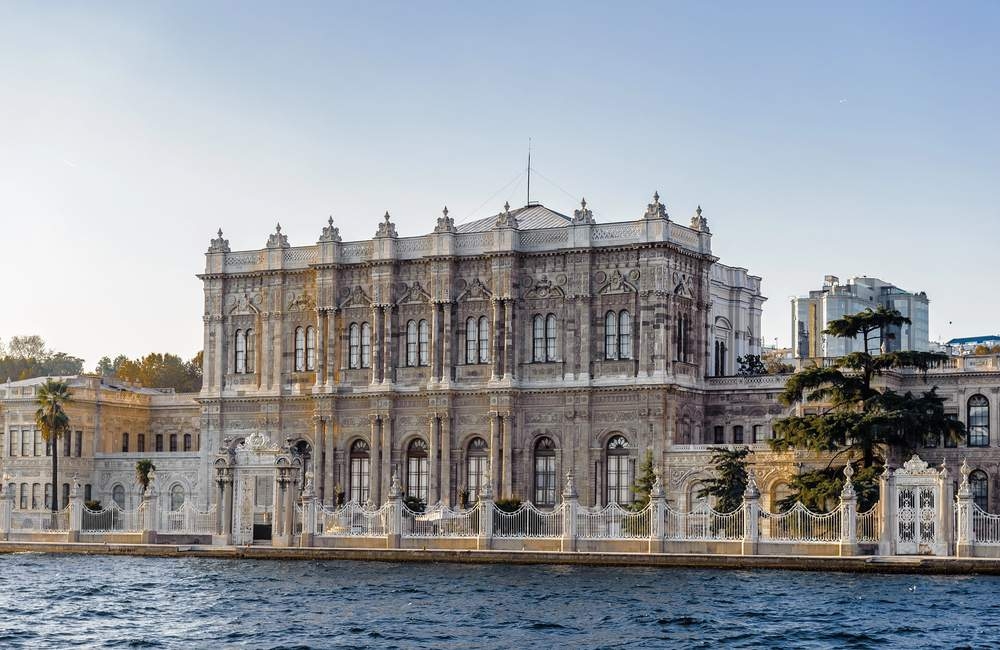
Standing on the European shore of the Bosphorus, Dolmabahçe Palace is one of Istanbul's most impressive historical landmarks. Its grand ceremonial halls, European-influenced architecture, crystal decorations and waterfront gardens reflect a significant period of change in the Ottoman Empire.
Built during the reign of Sultan Abdülmecid I and completed in 1856, the palace became an important residence and administrative centre for the Ottoman dynasty. It is also closely connected with the history of the Turkish Republic: Mustafa Kemal Atatürk spent time working at the palace and passed away there on 10 November 1938.
Today, visitors can explore its richly decorated interiors, learn about Ottoman court life and enjoy views of the Bosphorus. This guide explains the palace's history, architecture, main sections, highlights and practical information to help you plan your visit.
If you are exploring the city's historic landmarks, you can also discover our Istanbul tours.
Quick Answer: What Is Dolmabahçe Palace?
Dolmabahçe Palace is a 19th-century Ottoman palace located on the Bosphorus waterfront in Istanbul's Beşiktaş district.
Commissioned by Sultan Abdülmecid I, it was constructed between 1843 and 1856. The palace combines Ottoman architectural traditions with European Baroque, Rococo and Neoclassical influences.
Its main visitor highlights include:
-
The Selamlık, or official state apartments
-
The magnificent Ceremonial Hall
-
The Imperial Harem
-
The Crystal Staircase
-
The Medhal Hall and other reception rooms
-
Atatürk's room
-
The palace gardens and waterfront setting
Allow around two to three hours for a visit that includes the main palace sections, although the time required depends on which areas are open and included in your ticket.
The History of Dolmabahçe Palace
From Imperial Garden to Royal Palace
The area where Dolmabahçe Palace stands today was once a natural bay along the Bosphorus. Ottoman naval vessels used the sheltered waters, and the surrounding area gradually became an imperial garden.
From the 17th century onwards, the bay was filled in and developed into a royal garden known as Dolmabahçe, meaning approximately "filled garden."
A collection of wooden waterfront buildings and pavilions later became known as Beşiktaş Waterfront Palace.
By the 19th century, Sultan Abdülmecid I considered the older palace unsuitable for the needs and image of the changing empire. He ordered its replacement with a more modern imperial residence.
Construction Under Sultan Abdülmecid I
Construction began in 1843 and was completed in 1856.
The palace was designed and built by a team of Ottoman imperial architects, including members of the Balyan family. Karabet Balyan, Nikoğos Balyan, Ohannes Serveryan and James William Smith were among the architects involved in the project.
The new palace represented a different approach to imperial architecture. It retained elements of traditional Ottoman planning while incorporating European decorative styles and materials.
The Palace During the Late Ottoman Empire
From 1856 onwards, Dolmabahçe Palace was used by six Ottoman sultans and the last Ottoman caliph.
It served not only as a royal residence but also as a setting for official receptions, diplomatic meetings and state ceremonies.
Its location on the Bosphorus and its grand interiors reflected the empire's desire to present a modern and internationally engaged image.
Dolmabahçe Palace and Atatürk
Dolmabahçe Palace also holds an important place in the history of the Turkish Republic.
Mustafa Kemal Atatürk stayed at the palace during his visits to Istanbul between 1927 and 1938. He worked there and passed away in the palace on 10 November 1938.
His room is preserved as a place of remembrance. The clock in the room is traditionally associated with the time of his death, 09:05.
For many Turkish visitors, this part of the palace is among the most meaningful stops on the tour.
Dolmabahçe Palace Architecture
Dolmabahçe Palace is known for combining Ottoman spatial traditions with European architectural influences.
Its exterior presents a monumental waterfront façade, while its interiors feature elaborate decoration, imported materials and carefully designed ceremonial spaces.
A Blend of European and Ottoman Styles
The palace incorporates several European architectural influences, particularly:
-
Baroque
-
Rococo
-
Neoclassical
These styles appear in its decorative details, ceilings, columns, staircases and reception rooms.
However, the building's overall organisation also reflects traditional Ottoman residential planning, with halls and rooms arranged around central spaces.
The result is not simply a European palace copied in Istanbul, but an Ottoman imperial building shaped by international artistic influences.
Size and Main Features
The main palace building is notable for its scale and decoration. According to the National Palaces Administration, it contains 285 rooms, 44 halls, 68 toilets and six Turkish baths.
Its decoration includes:
-
Crystal and glass ornaments
-
Gilded ceilings
-
Marble surfaces
-
Hereke carpets
-
Sèvres and Yıldız porcelain
-
Paintings by Western artists
-
Elaborate chandeliers and furniture
These details illustrate the wealth, craftsmanship and artistic ambitions of the late Ottoman court.
What to See Inside Dolmabahçe Palace
The palace is organised into three principal sections: the Selamlık, the Ceremonial Hall and the Harem. Each had a different role in the life of the imperial household.
1. The Selamlık: The Sultan's Official Apartments
The Selamlık, also known as the Imperial Mabeyn, was the official section of the palace.
It was used for state affairs, meetings with officials and diplomatic receptions. Its rooms were designed to communicate imperial authority and prestige.
Important areas include the Medhal Hall, reception rooms and spaces used to receive foreign ambassadors.
The decoration combines elaborate furniture, carpets, crystal details and richly ornamented ceilings.
2. The Ceremonial Hall
The Muayede Hall, or Ceremonial Hall, is one of the palace's most impressive spaces.
Positioned between the official apartments and the Harem, it was used for important state ceremonies and formal receptions.
The hall is famous for its immense scale, high dome and monumental chandelier. Its proportions and decoration were designed to impress visiting dignitaries and represent the power of the Ottoman court.
Look up to appreciate the ceiling, chandelier and architectural details that make this room one of the palace's defining highlights.
3. The Imperial Harem
The Harem was the private residential section of the palace, where the sultan and members of the imperial family lived.
Unlike the official Selamlık, this area was organised around family life and private household arrangements.
Its rooms, corridors and reception spaces provide insight into the daily life of the Ottoman dynasty.
The Harem is an important part of understanding the palace as a residence rather than simply a ceremonial building.
4. The Crystal Staircase
The Crystal Staircase is one of the best-known architectural features of Dolmabahçe Palace.
Its balustrades and decorative details incorporate crystal, brass and wood, creating an elaborate entrance to the upper floor.
The staircase reflects the palace's combination of European decorative influences and Ottoman imperial presentation.
It is one of the details many visitors remember after their visit.
5. Medhal Hall
The Medhal Hall is the principal entrance hall of the official section.
It was designed to create a formal first impression for visitors entering the palace.
Its decorative details, furnishings and impressive proportions introduce the architectural style found throughout the Selamlık.
6. Süfera Hall and the Reception Rooms
The Süfera Hall was associated with the reception of foreign ambassadors.
Other rooms in the official apartments were used for meetings and formal occasions.
Together, these spaces reveal the diplomatic role of Dolmabahçe Palace during the late Ottoman period.
7. Atatürk's Room
Atatürk's room is one of the most historically significant places in the palace.
He passed away here on 10 November 1938. The preserved room connects the palace with the foundation period of the Turkish Republic.
Visitors should approach this area respectfully, as it is a place of national remembrance.
8. The Palace Gardens and Bosphorus Views
The palace grounds are also worth exploring.
The gardens, gates and waterfront setting offer a different perspective from the richly decorated interiors.
Take time to appreciate the palace façade and its position along the Bosphorus, one of the most distinctive features of the complex.
Dolmabahçe Palace vs Topkapı Palace: What Is the Difference?
Dolmabahçe Palace and Topkapı Palace represent two different periods and styles of Ottoman history.
Topkapı Palace served as the principal imperial residence and administrative centre for centuries. Dolmabahçe Palace reflects the later Ottoman period, when European influences became increasingly visible in imperial architecture and court life.
| Feature | Dolmabahçe Palace | Topkapı Palace |
|---|---|---|
| Historical period | 19th-century Ottoman era | Primarily associated with the earlier Ottoman imperial centuries |
| Architectural character | European-influenced Ottoman design | Traditional Ottoman palace layout |
| Setting | Directly on the Bosphorus | On the historic peninsula overlooking the Golden Horn and Bosphorus |
| Main experience | Grand halls, formal rooms and lavish decoration | Courtyards, collections, imperial chambers and historic institutions |
| Main highlights | Ceremonial Hall, Harem and Crystal Staircase | Imperial Treasury, Harem, courtyards and Sacred Relics |
Which Palace Should You Visit?
If you are interested in the late Ottoman period, European-influenced interiors and grand ceremonial spaces, Dolmabahçe Palace offers a distinctive experience.
If you want to explore the earlier Ottoman court, its courtyards and imperial collections, Topkapı Palace is an important choice.
Visitors with sufficient time may enjoy seeing both, as they provide different perspectives on Ottoman history.
Read our Topkapı Palace Istanbul guide before planning your palace visits.
Where Is Dolmabahçe Palace?
Dolmabahçe Palace is located in the Beşiktaş district on the European side of Istanbul.
Its waterfront position places it between the Kabataş and Beşiktaş areas, making it accessible by tram, bus, ferry and taxi.
The palace address is:
Dolmabahçe Caddesi, Vişnezade Mahallesi, Beşiktaş, Istanbul, Türkiye.
How to Get to Dolmabahçe Palace
By Tram
The T1 tram line runs to Kabataş, which is a convenient stop for reaching the palace.
From Kabataş, visitors can walk towards the palace entrance.
By Bus
Several public bus routes serve the Beşiktaş and Kabataş areas.
Check the current route and stop information before travelling.
By Ferry
Ferries serving Beşiktaş and nearby piers provide another way to reach the area.
This can be a pleasant option if you are travelling from the Asian side or another Bosphorus neighbourhood.
By Taxi or Private Transfer
A taxi or pre-arranged private transfer can be convenient, particularly for visitors travelling with children or those who prefer door-to-door transportation.
Traffic in central Istanbul can be heavy, so allow extra time.
For more information about travelling around the city, read our Istanbul transportation guide.
Dolmabahçe Palace Opening Hours and Tickets
Dolmabahçe Palace is managed by the National Palaces Administration (Milli Saraylar).
Opening arrangements, ticket prices, access to individual sections and holiday schedules may change. Check the official visitor information before your visit.
The National Palaces Administration lists Monday as the regular weekly closing day and provides ticket-office information on its official page.
Official visitor information: Dolmabahçe Palace – Milli Saraylar
Which Sections Should You Include?
Depending on the available ticket arrangements, visitors may be able to explore the Selamlık, Harem and Painting Museum.
Check exactly which sections are included in your ticket before purchasing.
Is Museum Pass Valid at Dolmabahçe Palace?
Museum Pass validity can differ between sections.
Do not assume that a pass provides access to every part of the palace. Confirm the current rules with the official ticket information before your visit.
Can You Take Photographs Inside?
Photography and video rules apply inside the palace buildings to protect the historic interiors and collections.
Check the current visitor regulations and follow instructions from palace staff. Photography opportunities may be available in designated exterior and garden areas.
How Long Does It Take to Visit Dolmabahçe Palace?
Allow approximately two to three hours if you want to explore the main palace sections and appreciate the architecture.
Your visit may take longer if you include additional areas, spend time in the gardens or visit during a busy period.
If you have limited time in Istanbul, consider combining the palace with nearby Beşiktaş or a Bosphorus experience rather than trying to visit several distant attractions on the same day.
Best Time to Visit Dolmabahçe Palace
Dolmabahçe Palace can be visited throughout much of the year, subject to its official opening schedule.
Spring
Spring offers comfortable conditions for walking around the palace grounds and exploring the Bosphorus waterfront.
Summer
Summer brings longer daylight hours, but the surrounding area can be busy. Consider arriving early and allowing extra time for transportation.
Autumn
Autumn is another pleasant season for exploring the palace and nearby neighbourhoods.
Winter
Winter can be quieter, although rain and colder weather may affect time spent in the gardens and along the waterfront.
Best Time of Day
An early visit can help you make better use of your time, especially if you plan to explore several sections.
Always check the latest admission arrangements before setting out.
Practical Tips for Visiting Dolmabahçe Palace
A little preparation can make your visit more comfortable.
-
Wear comfortable shoes: The palace is large, and exploring its different sections involves walking.
-
Allow enough time: Two to three hours is a useful planning allowance for a broader visit.
-
Check the ticket coverage: Confirm which sections are included before purchasing.
-
Review photography rules: Interior photography may be restricted.
-
Follow visitor instructions: Some rooms and routes may have specific access rules.
-
Check opening arrangements: The palace may have different schedules on public and religious holidays.
-
Plan your transport: Kabataş is a convenient public transport connection.
-
Respect historic spaces: Avoid touching furnishings, decorations and other preserved objects.
What Can You Visit Near Dolmabahçe Palace?
The palace is well positioned for exploring several other Istanbul attractions.
Beşiktaş
Beşiktaş is a lively waterfront neighbourhood with cafés, restaurants, markets and ferry connections.
It is a convenient area to explore before or after your palace visit.
Dolmabahçe Clock Tower
Located near the palace entrance, the Clock Tower is an attractive historic landmark associated with the palace complex.
Beşiktaş Waterfront
The waterfront offers views of the Bosphorus and access to ferry connections.
Taksim Square and İstiklal Street
Taksim and İstiklal Street are accessible from the Kabataş area by public transportation or on foot, depending on your route.
They provide a contrast to the palace's historic atmosphere, with shopping streets, restaurants and cultural venues.
Ortaköy
Ortaköy is another Bosphorus neighbourhood known for its waterfront setting and mosque.
It can be included in a longer exploration of the European shore.
For more ideas, see our guide to the best places to visit in Istanbul.
Frequently Asked Questions About Dolmabahçe Palace
Why is Dolmabahçe Palace famous?
Dolmabahçe Palace is famous for its grand 19th-century architecture, elaborate interiors, Bosphorus location and historical importance during the final decades of the Ottoman Empire and the early Turkish Republic.
Who built Dolmabahçe Palace?
The palace was commissioned by Sultan Abdülmecid I. Its construction involved several imperial architects, including members of the Balyan family, and was completed in 1856.
When was Dolmabahçe Palace built?
Construction began in 1843 and was completed in 1856.
How many rooms does Dolmabahçe Palace have?
According to the National Palaces Administration, the main palace contains 285 rooms and 44 halls, as well as other facilities.
Did Atatürk die in Dolmabahçe Palace?
Yes. Mustafa Kemal Atatürk passed away at Dolmabahçe Palace on 10 November 1938. His room is preserved as a place of remembrance.
What are the main sections of Dolmabahçe Palace?
The three principal sections are the Selamlık, the Ceremonial Hall and the Harem. Each served a different function in the imperial household and state administration.
How long should I spend at Dolmabahçe Palace?
Allow approximately two to three hours for a visit that includes the main sections. The exact time depends on ticket access, visitor numbers and your interests.
Is Dolmabahçe Palace closed on Mondays?
The National Palaces Administration lists Monday as the regular weekly closing day. Check the official schedule for public holidays and any temporary changes.
Can I visit Dolmabahçe Palace and Topkapı Palace on the same day?
It may be possible, but both palaces deserve time. If you want to explore their main sections without rushing, visiting them on separate days is more comfortable.
Is Dolmabahçe Palace suitable for children?
Children interested in palaces, history and architecture may enjoy the visit. However, the experience involves walking through historic interiors, so plan according to their ages and attention spans.
Can I take photographs inside Dolmabahçe Palace?
Photography and video recording may be restricted inside the palace buildings. Follow the current rules displayed by the palace administration and staff.
Discover Dolmabahçe Palace with TurkeyTravel.com
Dolmabahçe Palace offers a fascinating view of the Ottoman Empire's final period. Its grand ceremonial spaces, European-influenced decoration and historic connection with Atatürk make it one of Istanbul's most significant landmarks.
Whether you are interested in architecture, Ottoman history or the story of the Turkish Republic, a visit provides a valuable addition to your Istanbul itinerary.
TurkeyTravel.com, operated by Kontes Travel, offers private and small-group sightseeing experiences in Istanbul. If you would like help arranging your visit alongside other historic landmarks, explore our Istanbul tours.
You can also browse our Turkey tour packages to plan a wider journey through the country's historic cities and cultural destinations.

Erdal Serbest is a travel content writer and tourism professional with a background in Tekirdağ Tourism Vocational High School. He has extensive experience in the hospitality and travel agency sectors, where he worked for several years supporting tour operations and destination marketing.
Throughout his career, he has created travel-focused blog content and contributed to destination promotion projects for various tourism platforms. Today, he focuses on developing engaging, informative, and experience-based content for turkeytravel.com.
He believes that travel is the most authentic way to understand cultures, flavors, and human stories, and he aims to reflect this perspective in every article he writes.