15 Best Things to Do in Turkey in 2027
Turkey offers much more than beautiful destinations. It is a country where you can sail between two continents, explore ancient cities, fly over extraordinary landscapes in a hot air balloon, taste regional dishes, and discover traditions that have shaped daily life for centuries.
Whether you enjoy history, food, nature, adventure, or cultural experiences, there are countless ways to make your trip memorable.
In this guide, we explore 15 of the best things to do in Turkey, including unforgettable activities, local experiences, and outdoor adventures. You will also find practical advice to help you decide which experiences suit your travel plans.
1. Take a Bosphorus Cruise in Istanbul
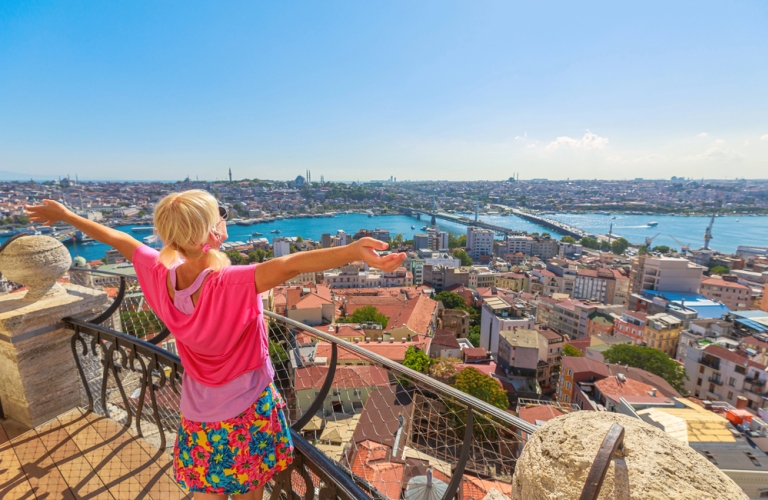
One of the most memorable experiences in Turkey is seeing Istanbul from the water.
The Bosphorus separates Europe and Asia, and a cruise offers beautiful views of historic palaces, waterfront mansions, mosques, bridges, and lively neighborhoods.
Depending on the cruise you choose, you can enjoy a short sightseeing trip, a longer daytime journey, or an evening experience.
Look out for landmarks such as Dolmabahçe Palace, Rumeli Fortress, Ortaköy Mosque, and the Bosphorus bridges.
A Bosphorus cruise is an excellent way to appreciate Istanbul's geography and history from a different perspective.
Explore our Istanbul Tours for guided sightseeing experiences.
2. Fly Over Cappadocia in a Hot Air Balloon
A sunrise hot air balloon flight over Cappadocia is one of Turkey's most iconic travel experiences.
As the balloons rise above the valleys, you can enjoy spectacular views of fairy chimneys, volcanic formations, cave dwellings, and surrounding villages.
Even if you prefer not to fly, watching the balloons from a panoramic viewpoint at sunrise can be an unforgettable experience.
Important: Balloon flights depend on weather and aviation safety conditions. They may be cancelled at short notice, so consider allowing more than one morning in Cappadocia if a flight is important to you.
Discover our Cappadocia Tours.
3. Explore an Ancient City
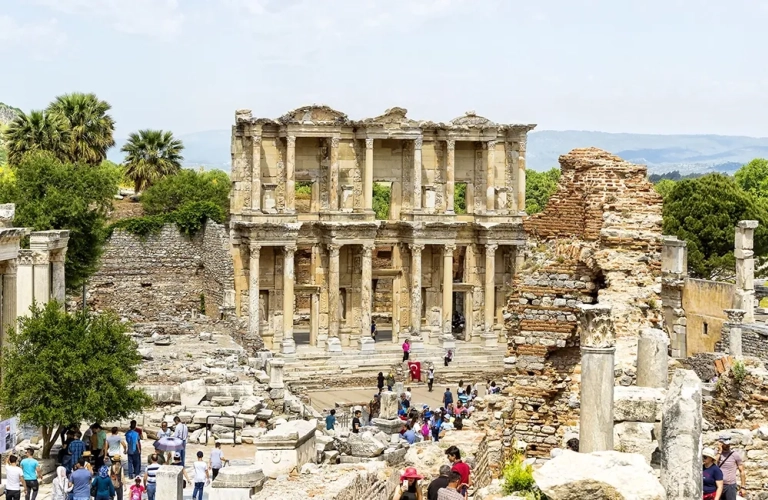
Turkey is home to archaeological sites that reveal the history of Greek, Roman, Byzantine, and other ancient civilizations.
Walking through an ancient city gives you a chance to see monumental theatres, temples, public squares, streets, and buildings that have survived for centuries.
Some of the most rewarding archaeological experiences include:
-
Ephesus: Explore the Library of Celsus, the Great Theatre, and ancient marble streets.
-
Hierapolis: Discover the ancient city overlooking Pamukkale's famous travertines.
-
Pergamon: Visit the remains of an important ancient cultural and political center.
-
Aspendos: Admire one of the best-preserved Roman theatres in the region.
-
Troy: Discover the archaeological layers associated with the legendary city of the Trojan War.
A licensed local guide can help explain the historical significance of these places and make your visit more meaningful.
Explore our Ephesus Tours for guided archaeological experiences.
4. Relax in a Traditional Turkish Bath
Visiting a traditional Turkish bath, known as a hamam, is a cultural experience as well as a way to relax.
A traditional hamam usually includes warm marble interiors, steam, washing rituals, and optional treatments such as exfoliation and massage.
Historic hamams can be found in Istanbul and many other Turkish cities.
If you want a traditional experience, choose a reputable establishment and check which services are included before booking.
5. Taste Authentic Turkish Cuisine
Food is an essential part of discovering Turkey.
Every region has its own specialties, cooking traditions, and local ingredients. From breakfast tables to street food and regional desserts, Turkish cuisine offers a wide variety of flavors.
Some foods and experiences worth trying include:
-
Turkish breakfast: A generous selection of cheeses, olives, eggs, vegetables, bread, honey, and tea.
-
Kebabs: Regional varieties prepared with different meats, spices, and cooking methods.
-
Meze: Small dishes often served before a main meal.
-
Mantı: Traditional Turkish dumplings usually served with yogurt and sauce.
-
Baklava: A famous pastry made with thin layers of dough, nuts, and syrup.
-
Turkish coffee: A traditional coffee preparation served in small cups.
-
Regional specialties: Try local dishes in Gaziantep, Hatay, the Aegean region, and southeastern Turkey.
For a more authentic experience, visit local restaurants and traditional markets rather than choosing only international dining options.
6. Discover Cappadocia's Underground Cities
Cappadocia's underground cities are among the most fascinating examples of ancient settlement architecture.
Derinkuyu and Kaymaklı are two of the best-known underground complexes. Their interconnected passages, storage areas, rooms, and ventilation systems reveal how communities used underground spaces for shelter and protection.
Exploring these sites provides a different perspective on the region beyond its famous landscapes and balloon flights.
Some passages are narrow and involve stairs, so visitors with mobility limitations or claustrophobia should check accessibility before visiting.
7. Take a Traditional Gulet Cruise Along the Turquoise Coast
Turkey's Mediterranean coastline is famous for its clear waters, secluded bays, and beautiful scenery.
One of the best ways to experience this coastline is aboard a traditional wooden gulet.
A gulet cruise typically combines swimming stops, coastal scenery, meals on board, and overnight accommodation.
Popular departure areas include Fethiye, Marmaris, and Bodrum, depending on the route.
A multi-day cruise is particularly attractive for travelers who want to combine relaxation with exploration of the Mediterranean coast.
8. Explore Traditional Bazaars and Local Markets
Traditional markets are an important part of Turkish culture.
They offer an opportunity to discover local products, meet shopkeepers, and experience the atmosphere of everyday life.
Some famous markets include:
-
Grand Bazaar, Istanbul: Known for carpets, jewelry, ceramics, textiles, and handicrafts.
-
Spice Bazaar, Istanbul: A colorful market selling spices, dried fruits, sweets, and other local products.
-
Local weekly markets: Found in towns and cities across Turkey, often selling fresh produce, clothing, and regional specialties.
Take your time, compare prices, and enjoy the atmosphere. Shopping is not the only reason to visit these markets.
9. Enjoy the Mediterranean Beaches
Turkey has an extensive coastline with beaches suitable for swimming, sunbathing, and water activities.
Some popular coastal areas include:
-
Antalya: A combination of beaches, resorts, historic neighborhoods, and nearby ancient cities.
-
Fethiye: Known for its turquoise water, scenic bays, and outdoor activities.
-
Bodrum: Popular for its beaches, marina, restaurants, and sailing opportunities.
-
Kaş: An attractive coastal town known for swimming, diving, and boat trips.
-
Ölüdeniz: Famous for its blue lagoon and dramatic mountain scenery.
The best destination depends on whether you prefer a lively resort, a quiet bay, sailing, or outdoor adventure.
10. Walk Through Pamukkale's White Travertine Terraces
Pamukkale is one of Turkey's most distinctive natural attractions.
Its white terraces have formed through the deposition of minerals from thermal waters. The nearby ancient city of Hierapolis adds an important historical dimension to the visit.
Walking through the designated travertine areas and exploring Hierapolis creates a memorable combination of natural scenery and ancient heritage.
Visitors should follow site regulations and use the designated walking areas to help protect the formations.
Explore our Pamukkale Tours.
11. Go Hiking in Turkey's Scenic Valleys
Turkey offers excellent opportunities for hiking, from short scenic walks to longer routes through mountains and coastal landscapes.
Some popular areas include:
-
Cappadocia: Walk through Love Valley, Rose Valley, and Pigeon Valley.
-
Lycian Way: Explore sections of this long-distance trail along the Mediterranean coast.
-
Kaçkar Mountains: Discover mountain scenery and traditional highland villages in the Black Sea region.
-
Mount Nemrut: Experience the dramatic landscape surrounding its monumental archaeological site.
Choose a route appropriate to your fitness level and the season. Carry sufficient water and check local conditions before setting out.
12. Discover Traditional Villages and Local Life
Traveling beyond the major tourist centers can introduce you to a different side of Turkey.
Traditional villages offer opportunities to experience regional architecture, local food, handicrafts, and everyday life.
Some interesting places to consider include:
-
Şirince: A picturesque village near Ephesus with traditional houses and local products.
-
Safranbolu: Known for its historic Ottoman-era houses and preserved townscape.
-
Cumalıkızık: A historic village near Bursa with traditional architecture.
-
Mardin: Famous for its stone buildings, historic streets, and distinctive regional heritage.
-
Adatepe: A village in the northern Aegean known for its traditional stone houses and rural atmosphere.
Respect local customs and ask permission before photographing people or private property.
13. Experience Turkish Tea and Coffee Culture
Tea and coffee are more than everyday drinks in Turkey. They are part of hospitality and social life.
Turkish tea is commonly served in small tulip-shaped glasses, while Turkish coffee is prepared in a traditional pot and served in small cups.
You can enjoy tea in a local café, by the Bosphorus, in a village square, or at a traditional tea garden.
For a more authentic experience, slow down and enjoy a conversation over a cup of tea rather than treating it as just another sightseeing stop.
14. Try Paragliding and Other Outdoor Adventures
Travelers who enjoy adventure will find plenty of activities along Turkey's coast and in its mountainous regions.
Popular experiences include:
-
Paragliding around Ölüdeniz and Babadağ.
-
Scuba diving around Kaş.
-
Sea kayaking along selected coastal routes.
-
Mountain biking in suitable rural areas.
-
Boat trips and swimming excursions.
-
Rafting in designated river areas.
Always use reputable, appropriately licensed operators and follow safety instructions. Weather and seasonal conditions can affect whether activities are available.
15. Enjoy a Sunset Over Turkey's Landscapes
Some of the simplest travel experiences become the most memorable.
Watching the sunset over the Bosphorus, seeing the light change across Cappadocia's valleys, or enjoying the Mediterranean coastline in the evening can be a wonderful way to end a day.
Consider finding a viewpoint, a waterfront café, or a quiet terrace where you can take time to appreciate the scenery.
You do not need a packed sightseeing schedule to enjoy Turkey. Sometimes the best experience is simply slowing down.
How to Combine These Experiences in One Turkey Trip
Turkey is a large country, and many of its most famous experiences are spread across different regions. The best itinerary depends on your available time and the activities that interest you most.
Here are some broad planning suggestions:
For 7 days: Focus on Istanbul and Cappadocia, then add one destination such as Ephesus or Pamukkale if your transport connections allow.
For 10 days: Consider combining Istanbul, Ephesus, Pamukkale, Antalya, and Cappadocia.
For 12–14 days: You can explore additional historical destinations, enjoy the Mediterranean coastline, or include a gulet cruise.
These are planning frameworks rather than fixed daily itineraries. The actual route should account for domestic flight schedules, transfer times, and the amount of sightseeing you want.
For more detailed route planning, see our Best Turkey Tour Packages for First-Time Visitors guide.
You can also explore our Turkey Tour Packages to compare organized multi-city itineraries.
When Is the Best Time to Enjoy These Experiences?
The best season depends on the activities you want to include.
-
Spring (April–May): Often comfortable for cultural sightseeing, hiking, and exploring archaeological sites.
-
Summer (June–August): Popular for beach holidays, swimming, sailing, and coastal activities. Inland destinations can be hot.
-
Autumn (September–October): A popular period for combining sightseeing and coastal experiences.
-
Winter (November–March): Suitable for quieter city visits and some cultural trips, although Cappadocia can be cold and outdoor activities may be affected by weather.
If you are planning a multi-region trip, consider the different climates of coastal and inland Turkey.
Read our Best Time to Visit Turkey in 2027 guide for more seasonal information.
Frequently Asked Questions
What are the best things to do in Turkey for first-time visitors?
Popular experiences include taking a Bosphorus cruise, exploring ancient cities, visiting Cappadocia, tasting traditional Turkish food, relaxing in a hamam, and enjoying the Mediterranean coastline.
Is Turkey good for adventure travel?
Yes. Depending on the region and season, visitors can enjoy hiking, paragliding, diving, sailing, rafting, and other outdoor activities.
What is the most famous experience in Turkey?
Cappadocia's sunrise hot air balloon flights are among the country's best-known experiences. Other iconic activities include a Bosphorus cruise, exploring Ephesus, and visiting traditional bazaars.
How many days do I need to experience Turkey?
Seven days can provide a short introduction to selected destinations. Ten to fourteen days allows more time for a wider range of experiences and regions.
Can I combine cultural sightseeing and a beach holiday?
Yes. Many itineraries combine Istanbul and ancient sites such as Ephesus with coastal destinations including Antalya, Fethiye, and Bodrum.
Is a guided tour a good way to explore Turkey?
A guided tour can simplify transportation, sightseeing, and coordination between destinations. It is particularly useful for travelers visiting several regions during a limited stay.
Start Planning Your Turkey Experience
From ancient archaeological sites and traditional markets to scenic coastlines and unforgettable landscapes, Turkey offers experiences for many different types of travelers.
The best trip is not necessarily the one that includes the most activities. It is the one that gives you enough time to enjoy the places and experiences that interest you most.
Explore our Turkey Tour Packages or contact our travel team to discuss a journey that matches your interests, travel dates, and preferred pace.

Erdal Serbest is a travel content writer and tourism professional with a background in Tekirdağ Tourism Vocational High School. He has extensive experience in the hospitality and travel agency sectors, where he worked for several years supporting tour operations and destination marketing.
Throughout his career, he has created travel-focused blog content and contributed to destination promotion projects for various tourism platforms. Today, he focuses on developing engaging, informative, and experience-based content for turkeytravel.com.
He believes that travel is the most authentic way to understand cultures, flavors, and human stories, and he aims to reflect this perspective in every article he writes.