Best Things to Do in Istanbul, Cappadocia & Ephesus
Istanbul, Cappadocia, and Ephesus are three of the most rewarding destinations to explore in Turkey. Each offers a completely different experience: Istanbul brings together Byzantine and Ottoman history, Cappadocia is famous for its extraordinary volcanic landscapes, and Ephesus reveals the remarkable heritage of the ancient Roman world.
Whether you are planning your first visit or returning to discover more of Turkey, these destinations offer a wonderful combination of history, culture, architecture, nature, and local experiences.
In this guide, we explore the best things to do in Istanbul, Cappadocia, and Ephesus, how much time to spend in each destination, and how to combine them into one memorable journey.
1. Best Things to Do in Istanbul
Istanbul is a city of remarkable contrasts. Historic mosques, Byzantine monuments, Ottoman palaces, traditional markets, modern neighborhoods, and the Bosphorus create an atmosphere unlike anywhere else.
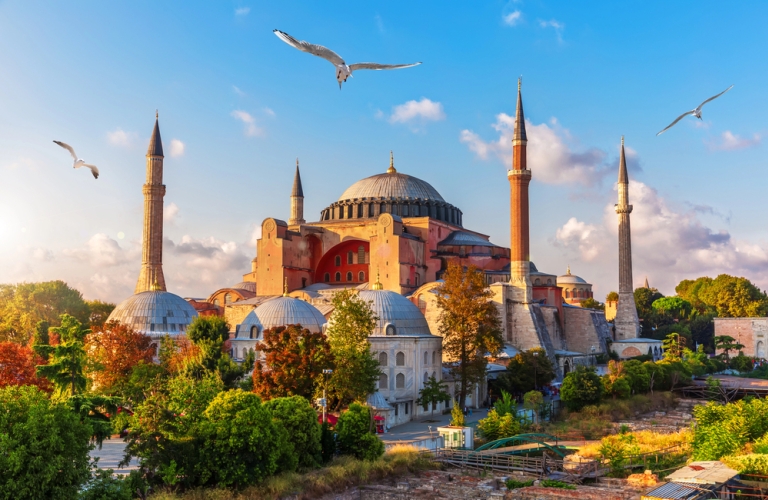
Visit Hagia Sophia
Hagia Sophia is one of Istanbul's most recognizable historical landmarks. Originally built as a Byzantine cathedral in the sixth century, it later became an imperial mosque and remains an important symbol of the city's layered history.
Take time to appreciate its monumental dome, mosaics, marble columns, and architectural details.
Explore the Blue Mosque
Located opposite Hagia Sophia in Sultanahmet Square, the Blue Mosque is famous for its elegant domes, minarets, and interior decoration.
Visitors should dress respectfully and check visiting arrangements, as prayer times can affect access to the mosque.
Discover Topkapi Palace
Topkapi Palace was the principal residence and administrative center of Ottoman sultans for centuries.
Its courtyards, imperial collections, gardens, and historic rooms offer insight into the political and cultural life of the Ottoman Empire.
Walk Through the Grand Bazaar
The Grand Bazaar is one of the city's most famous traditional markets. Its covered streets are filled with shops selling carpets, ceramics, jewelry, textiles, souvenirs, and handicrafts.
Even if you are not planning to shop, exploring the bazaar is an enjoyable cultural experience.
Take a Bosphorus Cruise
A Bosphorus cruise offers a different perspective on Istanbul. You can admire historic waterfront mansions, palaces, bridges, mosques, and neighborhoods along both shores.
A daytime cruise is ideal for sightseeing and photography, while an evening cruise provides beautiful views of the illuminated city.
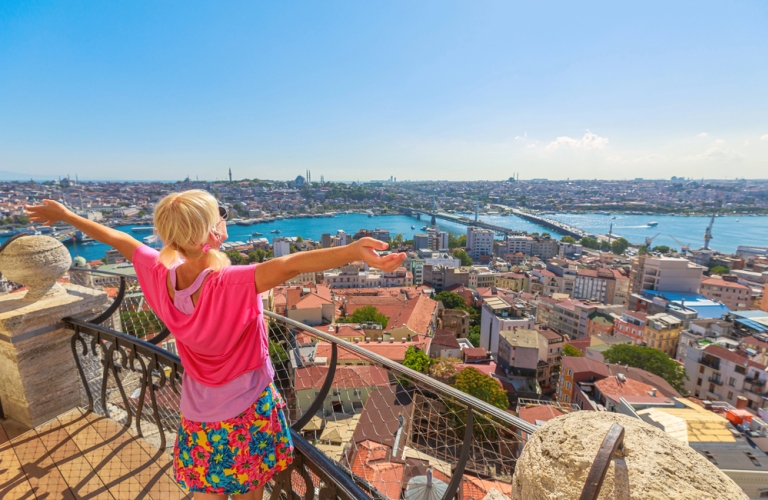
Explore Galata and Karaköy
Beyond the historic peninsula, neighborhoods such as Galata and Karaköy offer cafés, art galleries, restaurants, boutique shops, and historic streets.
Visit Galata Tower for panoramic city views and enjoy a walk through the surrounding streets.
Taste Traditional Turkish Food
Istanbul is an excellent place to discover Turkish cuisine.
Some experiences worth trying include:
-
Traditional Turkish breakfast
-
Simit and Turkish tea
-
Freshly prepared kebabs
-
Meze and grilled seafood
-
Turkish baklava
-
Turkish coffee
How much time should you spend in Istanbul?
Allow two to three full days for the major historical attractions, a Bosphorus experience, local neighborhoods, and food.
Explore our Istanbul Tours for guided sightseeing and multi-day options.
2. Best Things to Do in Cappadocia
Cappadocia is one of Turkey's most distinctive destinations. Its volcanic landscapes, fairy chimneys, cave churches, underground cities, and traditional villages create an unforgettable setting.
Experience a Hot Air Balloon Flight
A sunrise hot air balloon flight is one of Cappadocia's signature experiences.
As the balloons rise above the valleys, visitors enjoy spectacular views of fairy chimneys, rock formations, and surrounding villages.
Balloon flights depend on weather and aviation safety conditions. They may be cancelled at short notice, so consider allowing more than one morning in the region if flying is important to you.
You can also enjoy the sunrise balloon scenery from a panoramic viewpoint without taking a flight.
Explore Göreme Open-Air Museum
Göreme Open-Air Museum is one of Cappadocia's most important cultural attractions.
The complex contains rock-cut churches, monasteries, and chapels decorated with Byzantine-era frescoes. It offers a fascinating introduction to the region's early Christian heritage.
Visit an Underground City
Cappadocia's underground cities are among the most remarkable examples of ancient settlement engineering.
Derinkuyu and Kaymaklı are two of the best-known sites. Their tunnels, rooms, storage areas, and ventilation systems reveal how communities used underground spaces for protection and daily life.
Discover Paşabağ and the Fairy Chimneys
Paşabağ, also known as Monks Valley, is famous for its unusual fairy chimneys and impressive rock formations.
It is an excellent place for photography and a closer look at the geological features that make Cappadocia so distinctive.
Walk Through Love Valley and Rose Valley
Cappadocia offers several scenic walking routes.
Love Valley is known for its unusual rock formations, while Rose Valley is especially attractive during the late afternoon when the landscape takes on warm colors.
Choose a walking route that matches your available time and fitness level, and carry water during warmer months.
Visit Uçhisar Castle
Uçhisar Castle is a natural rock formation that served as a defensive settlement.
Its elevated position provides impressive views over Cappadocia and the surrounding valleys. It is particularly attractive around sunset.
Stay in a Cave Hotel
A stay in a traditional cave-style hotel is another memorable part of a Cappadocia visit.
Many accommodations combine historic rock architecture with modern facilities, terraces, and panoramic views.
Discover Local Pottery and Cuisine
The town of Avanos is known for its traditional pottery-making heritage.
Visitors can watch local artisans demonstrate their craft and explore regional food, including pottery kebab and other Anatolian specialties.
How much time should you spend in Cappadocia?
Two full days are a good starting point for the main attractions. Three days allow more time for hiking, local villages, and additional experiences.
Explore our Cappadocia Tours to compare available itineraries.
3. Best Things to Do in Ephesus
Ephesus is one of the most important archaeological destinations in Turkey. Located near Selçuk on the Aegean coast, the ancient city preserves impressive remains from the Greek and Roman periods.
Walk Along the Marble Streets of Ancient Ephesus
The ancient city is best explored on foot.
As you walk along its marble streets, you can discover monumental buildings, public spaces, temples, fountains, and the remains of a once-thriving Mediterranean city.
Admire the Library of Celsus
The Library of Celsus is the most recognizable monument in Ephesus.
Its impressive façade, columns, statues, and architectural details make it one of the most photographed ancient structures in Turkey.
Visit the Great Theatre
The Great Theatre is one of the largest structures in the ancient city. It was used for performances, public gatherings, and other events.
Its scale and surviving seating areas provide a strong impression of the importance of Ephesus during antiquity.
Explore the Terrace Houses
The Terrace Houses offer a closer look at how wealthy residents lived during the Roman period.
The protected remains include mosaics, frescoes, decorative interiors, and evidence of sophisticated domestic architecture.
Check ticket arrangements before visiting, as access may require a separate admission ticket.
See the House of the Virgin Mary
Located on Mount Koressos near Ephesus, the House of the Virgin Mary is an important Christian pilgrimage destination.
According to Christian tradition, Mary spent her final years in the area. Visitors of different backgrounds come to experience the peaceful atmosphere of the site.
Discover the Temple of Artemis
The Temple of Artemis was one of the Seven Wonders of the Ancient World.
Only limited remains survive today, but the site provides an opportunity to understand the historical importance of ancient Ephesus and its religious heritage.
Visit the Basilica of St. John
Located in Selçuk, the Basilica of St. John is traditionally associated with the burial place of the Apostle John.
Its remaining columns, walls, and architectural features make it an interesting addition to an Ephesus visit.
Explore Şirince Village
Şirince is a picturesque village near Selçuk, known for its traditional houses, narrow streets, local products, and relaxed atmosphere.
It is a pleasant stop for visitors who want to experience a different side of the Aegean region.
How much time should you spend in Ephesus?
One full day is generally sufficient to explore the main archaeological site and nearby highlights. If you also want to visit Şirince, the House of the Virgin Mary, and the Basilica of St. John, allow additional time.
Explore our Ephesus Tours for guided visits and multi-day itineraries.
4. How to Combine Istanbul, Cappadocia, and Ephesus
These three destinations are geographically separated, so planning transportation is an important part of the journey.
A combination of domestic flights and road transfers can make the route more convenient.
Suggested 7–9 Day Travel Plan
Days 1–3: Istanbul
Explore the historic peninsula, visit the major Ottoman and Byzantine landmarks, enjoy a Bosphorus cruise, and discover local neighborhoods.
Days 4–5: Cappadocia
Travel to Cappadocia by domestic flight, explore the valleys and underground cities, visit Göreme Open-Air Museum, and consider an optional sunrise balloon flight.
Days 6–7: Ephesus
Travel to the Aegean region and visit the ancient city of Ephesus, the House of the Virgin Mary, and nearby historical sites.
With eight or nine days, you can add more leisure time or an additional overnight stay in one of the destinations.
This is a suggested framework rather than a fixed tour schedule. The order and number of nights should be adjusted according to flight availability and your international arrival and departure airports.
Transportation Between the Destinations
-
Istanbul to Cappadocia: Domestic flights to the airports serving the Cappadocia region are usually the most practical option.
-
Cappadocia to Ephesus: A domestic flight connection, often involving a transfer through Istanbul, may be needed depending on schedules. An alternative is to travel to İzmir by air with a suitable connection.
-
Ephesus to Istanbul: Travelers can use İzmir Airport for domestic flights back to Istanbul.
Always check the actual flight schedule before confirming hotel nights and tour dates.
5. When Is the Best Time to Visit These Three Destinations?
Spring and autumn are generally attractive seasons for combining Istanbul, Cappadocia, and Ephesus.
Spring (April–May): Comfortable conditions for city sightseeing, walking through archaeological sites, and exploring Cappadocia.
Summer (June–August): Longer daylight hours and lively travel conditions, but temperatures can be high, particularly at Ephesus and in inland Turkey.
Autumn (September–October): Often a good period for combining cultural sightseeing and outdoor activities.
Winter (November–March): Istanbul and Ephesus can be quieter, while Cappadocia may experience cold weather and snow. Balloon operations remain weather-dependent.
For a month-by-month comparison, read our Best Time to Visit Turkey in 2027.
6. Practical Tips for Visiting Istanbul, Cappadocia, and Ephesus
A little preparation can make your journey much more comfortable.
-
Wear comfortable walking shoes, especially in Ephesus and Cappadocia.
-
Carry water during outdoor sightseeing.
-
Dress respectfully when visiting mosques.
-
Allow extra time for domestic flight connections.
-
Book popular experiences in advance when possible.
-
Keep some flexibility in Cappadocia in case balloon flights are cancelled due to weather.
-
Check the current opening arrangements and admission conditions for museums and archaeological sites.
-
Consider a licensed local guide to understand the historical significance of major monuments.
Frequently Asked Questions
How many days do I need to visit Istanbul, Cappadocia, and Ephesus?
Seven to nine days is a practical starting point. This allows time for the main attractions in all three destinations, although a longer trip offers a more relaxed pace.
Which destination should I visit first?
Istanbul is a convenient starting point for many international visitors because of its major international airport and extensive flight connections. From there, you can continue to Cappadocia and the Aegean region.
Is Cappadocia worth visiting?
Yes. Cappadocia offers a distinctive combination of volcanic landscapes, cave churches, underground cities, scenic valleys, and optional hot air balloon flights.
Can I visit Ephesus in one day?
Yes. One full day is generally enough for the main archaeological site. Additional time is useful if you also want to visit nearby attractions such as Şirince and the House of the Virgin Mary.
Is a hot air balloon flight guaranteed in Cappadocia?
No. Flights depend on weather conditions and aviation safety decisions. They can be cancelled even after an initial booking, so it is sensible to allow some flexibility in your schedule.
Can I visit all three destinations on a guided tour?
Yes. Multi-destination Turkey tour packages can combine Istanbul, Cappadocia, and Ephesus, with accommodation, transfers, domestic flights, and guided sightseeing depending on the selected itinerary.
Plan Your Journey Through Istanbul, Cappadocia, and Ephesus
Istanbul, Cappadocia, and Ephesus offer three very different ways to experience Turkey.
Discover the imperial history and lively streets of Istanbul, enjoy Cappadocia's extraordinary landscapes, and walk through the ancient streets of Ephesus.
Whether you prefer independent travel, private sightseeing, or a professionally organized tour, these destinations make an excellent combination for a memorable journey.
Explore our Turkey Tour Packages or contact our travel team to discuss an itinerary that matches your dates and interests.

Erdal Serbest is a travel content writer and tourism professional with a background in Tekirdağ Tourism Vocational High School. He has extensive experience in the hospitality and travel agency sectors, where he worked for several years supporting tour operations and destination marketing.
Throughout his career, he has created travel-focused blog content and contributed to destination promotion projects for various tourism platforms. Today, he focuses on developing engaging, informative, and experience-based content for turkeytravel.com.
He believes that travel is the most authentic way to understand cultures, flavors, and human stories, and he aims to reflect this perspective in every article he writes.