Quick Answer: Is 13 Days Enough for Turkey?
Yes. Thirteen days is an excellent choice for travelers who want to combine Turkey’s major highlights with ancient sites, Mediterranean coastlines, and more time for a comfortable journey.
A well-planned 13-day Turkey tour can include:
-
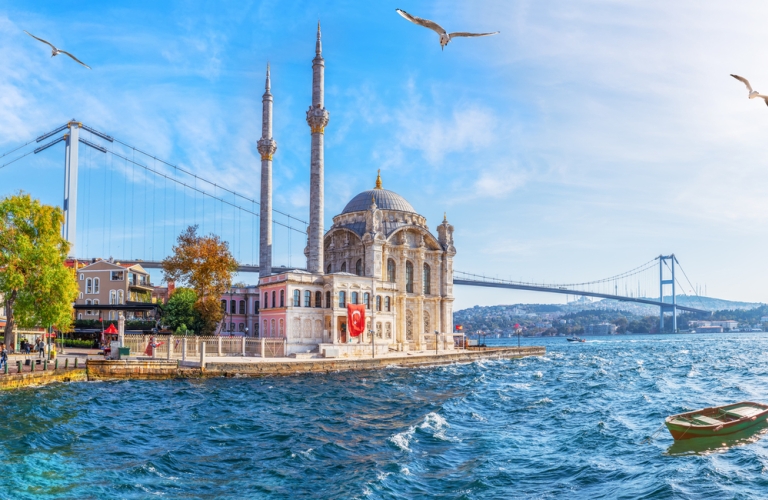
Istanbul – Byzantine and Ottoman landmarks, bazaars, and the Bosphorus
-
Gallipoli – WWI battlefields, memorials, and cemeteries
-
Troy – the ancient city associated with the Trojan War
-
Pergamon – one of the ancient world’s important cultural and political centers
-
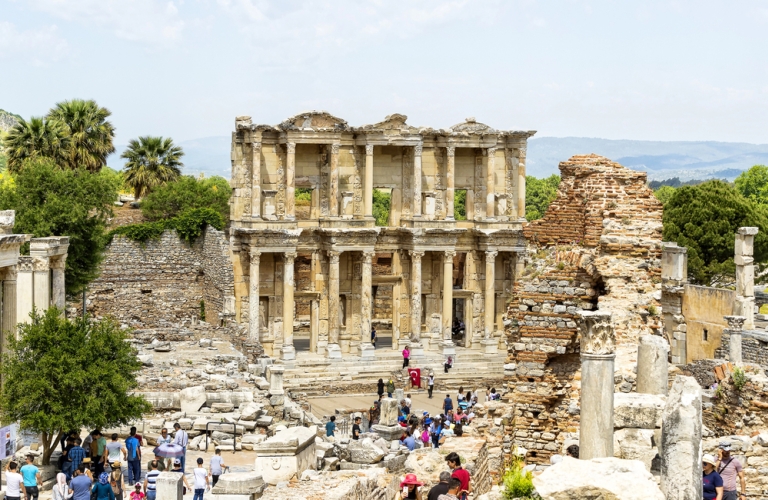
Ephesus – one of the Mediterranean’s most impressive archaeological sites
-
Pamukkale – white travertines and ancient Hierapolis
-
Antalya – Mediterranean scenery, Old Town, and leisure time
-
Cappadocia – fairy chimneys, valleys, and underground cities
Best for: Travelers who want a broad combination of history, archaeology, culture, coastal scenery, and relaxation.
Main advantage: Thirteen days provide enough time to combine western Turkey’s major historical sites with Antalya and Cappadocia without making the itinerary excessively rushed.
13 Days Turkey Tours at a Glance
| Feature | What to Expect |
|---|---|
| Duration | 13 days / 12 nights |
| Best for | History, archaeology, culture, and coastal experiences |
| Typical route | Istanbul → Gallipoli → Troy → Pergamon → Ephesus → Pamukkale → Antalya → Cappadocia |
| Main highlights | Istanbul, Gallipoli, Troy, Pergamon, Ephesus, Pamukkale, Antalya, and Cappadocia |
| Travel pace | Comprehensive but balanced |
| Transportation | Domestic flights, airport transfers, and organized transportation |
| Tour styles | Private and small group options |
| Hot air balloon | Optional in Cappadocia, weather permitting |
| Best seasons | April–June and September–October |
| Main advantage | More regional variety and leisure time than shorter historical itineraries |
Why Choose a 13-Day Turkey Tour?
Thirteen days give travelers enough time to explore Turkey’s major destinations while adding important historical sites and a Mediterranean coastal experience.
Combine History, Archaeology, and the Coast
A shorter Turkey itinerary may focus primarily on Istanbul, Cappadocia, Ephesus, and Pamukkale.
A 13-day itinerary can go further by adding Gallipoli, Troy, Pergamon, and Antalya.
This creates a more varied journey covering:
-
Ancient Greek and Roman heritage
-
Byzantine and Ottoman history
-
World War I heritage
-
Mediterranean landscapes
-
Cappadocia’s unique geology and culture
Explore Western Turkey in Greater Depth
Gallipoli, Troy, Pergamon, Ephesus, and Pamukkale are located across western Turkey and represent different periods of the region’s history.
Traveling through these destinations allows you to see how civilizations developed across Anatolia, from the ancient world to the modern era.
Add Time for the Mediterranean Coast
Antalya gives the itinerary a different character after several days of archaeological sightseeing.
Instead of focusing exclusively on ancient sites, travelers can enjoy:
-
Mediterranean beaches
-
Kaleiçi Old Town
-
Coastal scenery
-
Waterfalls
-
Leisure time
This combination is one of the main differences between a 12-day history-focused itinerary and a 13-day route that also includes coastal experiences.
Finish with Cappadocia
Ending the itinerary in Cappadocia provides a dramatic change of scenery.
Its fairy chimneys, valleys, underground cities, and cave architecture create a memorable final destination after the historical sites of western Turkey.
What Can You See in 13 Days in Turkey?
A comprehensive 13-day itinerary can combine major historical destinations with the Mediterranean coast and Cappadocia.
A classic route is:
Istanbul → Gallipoli → Troy → Pergamon → Ephesus → Pamukkale → Antalya → Cappadocia
This route combines:
-
Byzantine and Ottoman landmarks
-
World War I heritage
-
Ancient Greek and Roman sites
-
Archaeological landscapes
-
Mediterranean scenery
-
Unique geological formations
-
Local culture and cuisine
The exact order and number of nights in each destination can vary according to domestic flight schedules, hotel locations, and the specific tour program.
Sample 13-Day Turkey Tour Itinerary
The following is an example of how a 13-day Turkey tour can be organized. Actual routing, hotel locations, transportation, and sightseeing schedules may vary by tour package.
Days 1–3: Istanbul – Byzantine and Ottoman Heritage
Istanbul is an ideal starting point for a longer Turkey itinerary. The city brings together centuries of Byzantine, Ottoman, and modern Turkish history.
Istanbul Highlights
-
Hagia Sophia
-
Blue Mosque
-
Topkapi Palace
-
Basilica Cistern
-
Hippodrome
-
Grand Bazaar
-
Spice Market
-
Bosphorus
Three days allow enough time for guided sightseeing while leaving some flexibility to explore neighborhoods, markets, restaurants, and the waterfront independently.
Day 4: Gallipoli – World War I Heritage
Gallipoli is one of Turkey’s most significant modern historical destinations.
The Gallipoli Peninsula was the scene of major World War I battles and remains particularly important to Turkey, Australia, and New Zealand.
Gallipoli Highlights
-
ANZAC Cove
-
Lone Pine Cemetery
-
Chunuk Bair
-
Johnston’s Jolly
-
War memorials and cemeteries
A guided visit provides historical context and helps explain the events and experiences associated with the Gallipoli campaign.
Day 5: Troy – Myth, Legend, and Archaeology
The ancient city of Troy is closely associated with Homer’s Iliad and the legendary Trojan War.
Archaeological excavations have revealed multiple settlement layers, demonstrating that the site was occupied and rebuilt over thousands of years.
Troy Highlights
-
Replica Trojan Horse
-
Ancient city walls
-
Archaeological remains
-
Multiple settlement layers
-
UNESCO World Heritage Site
Troy is particularly interesting for travelers who want to understand the relationship between mythology, literature, and archaeology.
Day 6: Pergamon – Ancient Culture and Innovation
Pergamon was an important cultural and political center of the ancient world.
Its Acropolis and Asklepion provide insight into ancient architecture, religion, scholarship, and medicine.
Pergamon Highlights
-
Acropolis of Pergamon
-
Temple of Trajan
-
Ancient Theater
-
Asklepion
-
Archaeological remains of the ancient city
Pergamon adds another major archaeological destination that is often excluded from shorter Turkey itineraries.
Day 7: Ephesus – Ancient Roman Heritage
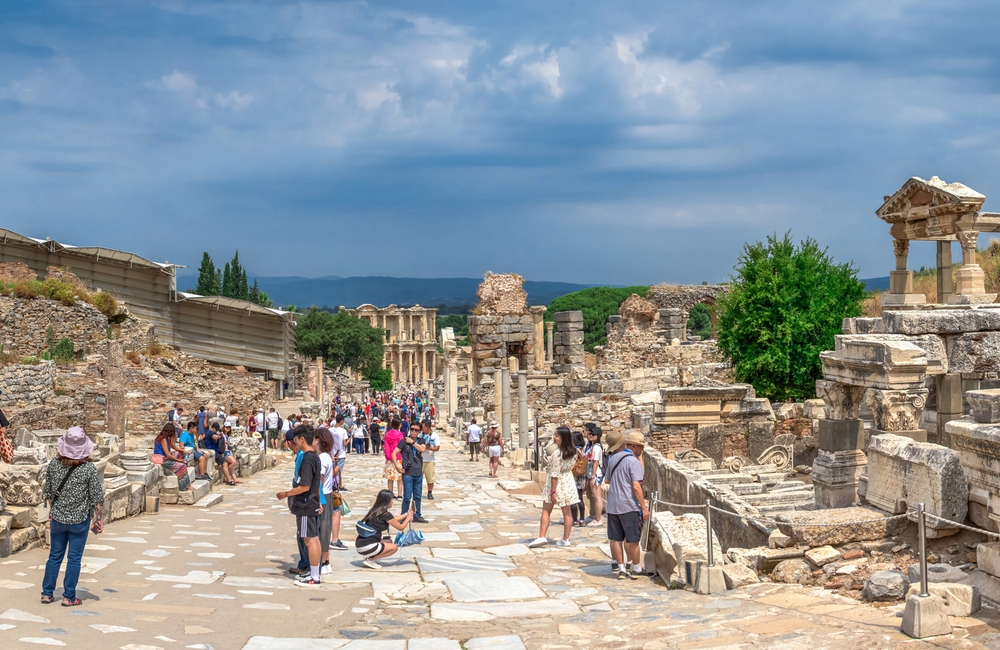
Ephesus is one of Turkey’s most important archaeological sites and a major highlight of western Anatolia.
Ephesus Highlights
-
Library of Celsus
-
Great Theatre
-
Marble streets
-
Temple of Hadrian
-
Terrace Houses, depending on the tour
-
House of the Virgin Mary, depending on the program
The site provides a detailed look at urban life during the Greek and Roman periods.
Day 8: Pamukkale – Travertines and Hierapolis
Pamukkale combines a distinctive natural landscape with the ancient city of Hierapolis.
Pamukkale & Hierapolis Highlights
-
White travertine terraces
-
Ancient Hierapolis
-
Roman Theater
-
Ancient thermal baths
-
Thermal waters
Can You Swim in Pamukkale's Thermal Pools?
Pamukkale provides a natural and historical contrast to the archaeological sites visited earlier in the itinerary.
Days 9–10: Antalya – Mediterranean Coast and Leisure
Antalya introduces the Mediterranean coast after several days of historical sightseeing.
Antalya Highlights
-
Kaleiçi Old Town
-
Mediterranean beaches
-
Coastal views
-
Waterfalls
-
Optional boat excursions
-
Leisure time
Two days allow travelers to slow down, enjoy the coastline, and experience a different side of Turkey.
For travelers who want to combine cultural sightseeing with some relaxation, Antalya is one of the key advantages of a 13-day itinerary.
Days 11–12: Cappadocia – Fairy Chimneys and Underground Cities
Cappadocia provides one of the most distinctive landscapes in Turkey.
The region is known for its fairy chimneys, valleys, cave dwellings, rock-cut churches, and underground cities.
Cappadocia Highlights
-
Göreme Open-Air Museum
-
Underground cities
-
Scenic valleys
-
Uchisar Castle
-
Avanos pottery workshops
-
Rock-cut churches
Optional experiences may include:
-
Sunrise hot air balloon flight
-
Traditional pottery workshops
-
Local wine tasting
A hot air balloon flight is subject to weather conditions and cannot be guaranteed.
Day 13: Departure from Turkey
The tour concludes with departure arrangements, usually following a return flight or connection according to the specific tour program.
Depending on the flight schedule, travelers may have time for a final breakfast, shopping, or a short period of free time before leaving Turkey.
This is an example itinerary rather than a fixed program. Actual tour schedules may vary according to flight availability, hotel locations, included activities, and the specific tour package.
What's Included in 13 Days Turkey Tours?
Inclusions vary between tour operators and individual packages. Organized 13-day Turkey tours may include:
-
Domestic flights
-
Airport and hotel transfers
-
Professional English-speaking guides
-
Hotel accommodation
-
Daily breakfast
-
Selected lunches during guided tours
-
Museum and archaeological site entrance fees
-
Transportation during scheduled sightseeing
Always check the individual tour package for exact inclusions, as flights, meals, entrance fees, hotel categories, and optional activities can vary.
Who Are 13 Days Turkey Tours Best For?
A 13-day Turkey tour is particularly suitable for travelers who want a broader experience than a standard highlights itinerary.
Best For:
-
Travelers interested in history and archaeology
-
Visitors who want Gallipoli, Troy, and Pergamon
-
Travelers who want to combine history with the Mediterranean coast
-
Couples and mature travelers who prefer a balanced pace
-
First-time visitors with enough vacation time
-
Travelers who want both cultural sightseeing and leisure
-
Repeat visitors looking to explore beyond the standard highlights
If your main priority is Turkey’s most famous destinations, a 10-day itinerary may be enough.
If you want to add broader historical exploration, 12 days can be a better fit.
If you also want Antalya and more coastal leisure, 13 days provides a more varied experience.
13 Days Turkey Tour Package Prices
The cost of a 13-day Turkey tour depends on several factors, including:
-
Hotel category
-
Travel season
-
Private or small group services
-
Domestic flights
-
Number of guided tours
-
Entrance fees
-
Included meals
-
Route and number of destinations
Prices can vary considerably between standard, private, and luxury packages.
For the most accurate price, compare the specific itinerary and inclusions rather than looking only at the advertised tour price.
Best Time to Take a 13-Day Turkey Tour
The best periods for a multi-destination 13-day Turkey tour are generally April to June and September to October.
Spring: April to June
Spring offers comfortable conditions for sightseeing in Istanbul, Gallipoli, Cappadocia, Ephesus, and Pamukkale. It is also a good season for outdoor activities and exploring archaeological sites.
Summer: July to August
Summer is suitable for travelers who want warmer weather and time on the Mediterranean coast. However, temperatures can be high in Antalya and inland destinations.
Fall: September to October
Fall is one of the most comfortable periods for a multi-destination itinerary, with generally favorable conditions for sightseeing and outdoor activities.
Winter: November to March
Winter brings colder conditions and can affect some outdoor activities. Cappadocia can have a distinctive winter landscape, while major archaeological sites are often quieter.
Is a 13-Day Turkey Tour Worth It?
Yes. Thirteen days is particularly worthwhile if you want to combine Turkey’s major highlights with deeper historical exploration and time on the Mediterranean coast.
A 13-day itinerary can give you time to:
-
Explore Istanbul
-
Visit the Gallipoli battlefields
-
Discover Troy
-
Explore Pergamon
-
Visit Ephesus
-
See Pamukkale and Hierapolis
-
Relax in Antalya
-
Experience Cappadocia
The main advantage is not simply having an additional day. It is the ability to combine historical depth, coastal experiences, and Cappadocia in one itinerary without making every day feel like a rushed stop.
12 Days or 13 Days in Turkey?
The best choice depends on what you want to add to your Turkey experience.
| Trip Length | Best For | Main Advantage |
|---|---|---|
| 10 days | Comprehensive first-time itinerary | Major highlights with good flexibility |
| 11 days | Broader regional experience | More leisure and coastal variety |
| 12 days | History and archaeology | Gallipoli, Troy, and Pergamon |
| 13 days | History + coast + broader experience | Adds Antalya while retaining the historical route |
Choose 10 days if you mainly want Turkey’s major highlights in a comprehensive first-time itinerary.
Choose 11 days if you want more regional variety and additional leisure time.
Choose 12 days if history and archaeology are the main priorities and you want destinations such as Gallipoli, Troy, and Pergamon.
Choose 13 days if you want to combine those historical destinations with Antalya and Mediterranean coastal experiences.
How to Choose the Best 13-Day Turkey Tour Package
Before booking, compare the actual itinerary rather than relying only on the number of days.
Check the Route
Make sure the tour includes the destinations that matter most to you and check how the route is organized geographically.
A longer itinerary should still have a logical sequence with reasonable travel times.
Check the Historical Sites
If history is a priority, confirm that Gallipoli, Troy, Pergamon, Ephesus, and Hierapolis are actually included in the program.
Check What's Included
Confirm whether domestic flights, airport transfers, entrance fees, meals, accommodation, and guided tours are included.
Compare Hotel Categories
Check both hotel category and location. A higher star rating does not always mean a more convenient location.
Consider Private vs Small Group
Small group tours can provide good value, while private tours generally offer greater control over the itinerary and daily schedule.
Check the Number of Hotel Changes
A 13-day itinerary can still feel tiring if it involves too many one-night stays.
If comfort is important, look for an itinerary that allows longer stays where possible.
Frequently Asked Questions
Is 13 days enough for Turkey?
Yes. Thirteen days is enough to combine Istanbul, Gallipoli, Troy, Pergamon, Ephesus, Pamukkale, Antalya, and Cappadocia in a comprehensive itinerary.
What are the best places to visit in Turkey in 13 days?
A broad itinerary can include Istanbul, Gallipoli, Troy, Pergamon, Ephesus, Pamukkale, Antalya, and Cappadocia. The exact route depends on the tour program and your priorities.
Is 13 days better than 12 days in Turkey?
It depends on your interests. Twelve days is particularly suitable for history and archaeology, while 13 days allows you to add Antalya and more Mediterranean coastal experiences.
Is 13 days too long for Turkey?
For most travelers interested in seeing several regions, 13 days is not excessively long. It can actually provide a more manageable pace than trying to fit the same destinations into a shorter itinerary.
How much does a 13-day Turkey tour cost?
Prices vary according to season, hotel category, tour style, domestic flights, and included services. Check the individual 13-day tour package for the current price and exact inclusions.
Are domestic flights included in 13-day Turkey tour packages?
Many organized tours include domestic flights, but this varies by package. Always check the individual tour’s inclusions before booking.
Can I customize a 13-day Turkey tour?
Yes. Private Turkey tours can often be customized according to your preferred destinations, hotel category, sightseeing interests, and travel pace.
Book a 13-Day Turkey Tour
If you want to combine Turkey’s major historical sites with the Mediterranean coast and Cappadocia, a 13-day itinerary provides enough time for a broader and more balanced experience.
Compare the routes, destinations, inclusions, hotel options, and travel pace before choosing the itinerary that best fits your trip.
Final Thoughts
A 13-day Turkey tour is a strong choice for travelers who want more than the standard highlights.
The combination of Istanbul, Gallipoli, Troy, Pergamon, Ephesus, Pamukkale, Antalya, and Cappadocia creates a varied journey through ancient civilizations, modern history, archaeological sites, Mediterranean landscapes, and distinctive natural scenery.
If you mainly want Turkey’s best-known highlights, 10 days may be enough.
If history and archaeology are your main priorities, 12 days can provide the additional depth you need.
But if you want to combine historical exploration with Mediterranean coastal experiences and Cappadocia, 13 days offers a more complete and varied Turkey itinerary.

Erdal Serbest is a travel content writer and tourism professional with a background in Tekirdağ Tourism Vocational High School. He has extensive experience in the hospitality and travel agency sectors, where he worked for several years supporting tour operations and destination marketing.
Throughout his career, he has created travel-focused blog content and contributed to destination promotion projects for various tourism platforms. Today, he focuses on developing engaging, informative, and experience-based content for turkeytravel.com.
He believes that travel is the most authentic way to understand cultures, flavors, and human stories, and he aims to reflect this perspective in every article he writes.