March 7, 2026
Turkey is one of the most fascinating destinations in the world, welcoming millions of visitors every year with its rich history, diverse landscapes, and warm hospitality. From the vibrant streets of Istanbul to the magical valleys of Cappadocia and the turquoise waters of the Mediterranean coast, the country offers unforgettable experiences for travelers.
However, many travelers still ask the same question before planning their trip: Is Turkey safe for a holiday? With ongoing discussions about global conflicts and regional tensions, it is natural to wonder is it safe to travel to Turkey now and whether these issues affect tourism.
The short answer is yes — Turkey remains a safe and popular destination for travelers. Tourism infrastructure is well developed, major tourist destinations are secure, and millions of visitors travel to the country safely every year. Still, like any destination, understanding Turkey travel safety, current conditions, and practical travel tips can help you enjoy a worry-free trip.
If you are planning your journey and want a smooth travel experience, you can explore carefully organized Turkey Tour Packages that include transportation, guided tours, and accommodations designed for international visitors.
In this comprehensive guide, we will answer common questions such as is Turkey safe for tourists, will the war affect tourism in Turkey, and what you should know about safety in Turkey for holiday travel in 2026.
Is Turkey Safe for Tourists in 2026?
Turkey continues to rank among the most visited countries in the world. Each year, millions of tourists visit its historic cities, coastal resorts, and cultural landmarks.
Tourism Safety in Major Destinations
Most travelers spend their holidays in well-known tourist areas such as:
-
Cappadocia
-
Antalya
-
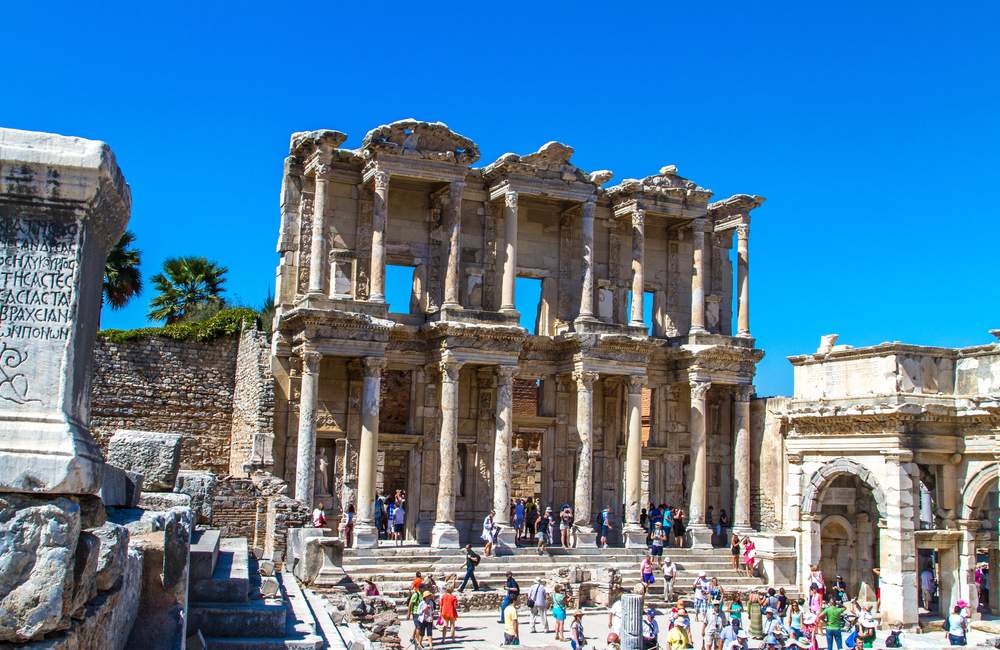
Ephesus
-
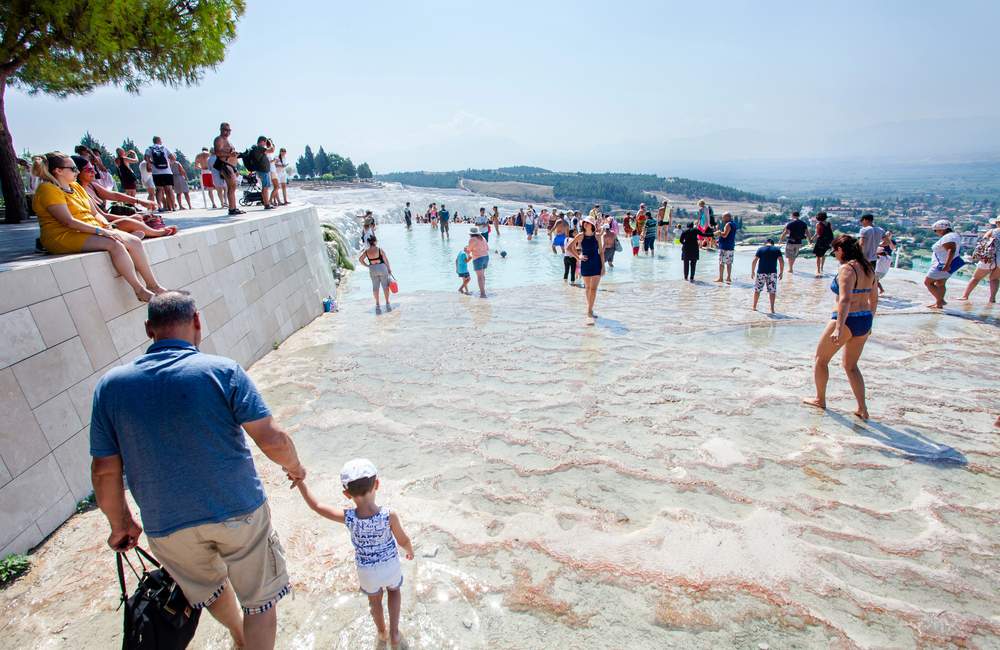
Pamukkale
-
Bodrum and the Aegean Coast
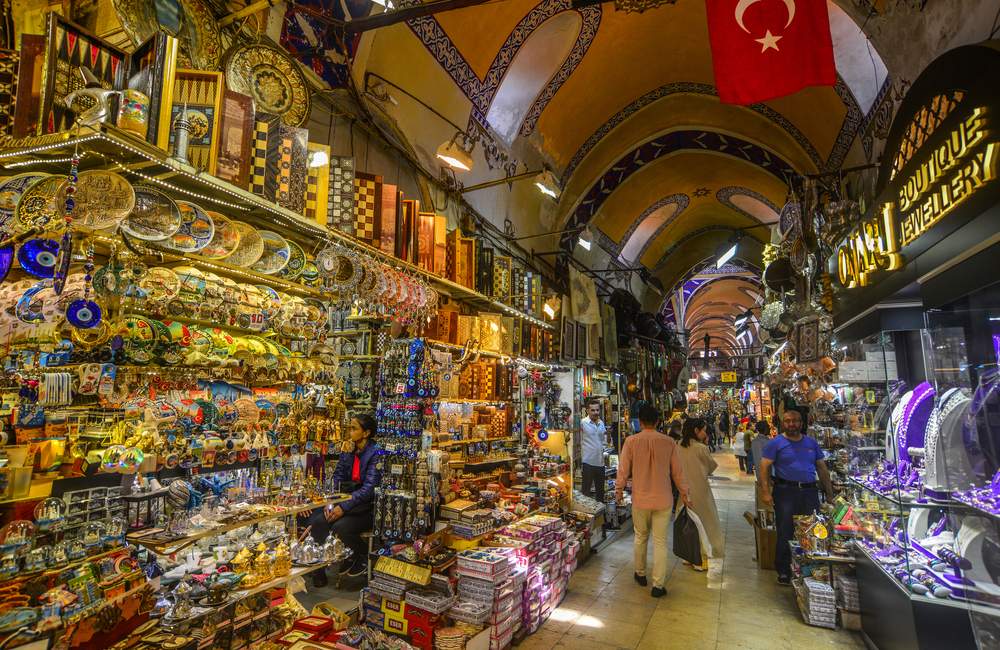
These destinations have strong tourism infrastructure, security measures, and experienced hospitality professionals. Hotels, airports, transportation networks, and tourist attractions operate at international standards, which contributes to overall Turkey tourism safety in 2026.
Local authorities and tourism organizations work continuously to maintain safe conditions for visitors.
Government Focus on Tourism Security
Tourism is a key part of Turkey’s economy. For this reason, authorities place significant emphasis on ensuring safe environments in tourist areas. Security presence is common in airports, historical sites, and city centers.
This commitment helps maintain safety in Turkey for holiday travelers and reassures millions of international visitors each year.
Is It Safe to Travel to Turkey During the War?
One of the most frequently asked questions is: is it safe to travel to Turkey during the war or regional conflicts in nearby areas?
Understanding Turkey’s Geography
Turkey is a large country that spans both Europe and Asia. Most popular tourist destinations are located far from areas affected by regional tensions.
For example:
-
Istanbul is over 1,000 km away from many conflict zones.
-
Mediterranean resort towns like Antalya are even farther.
-
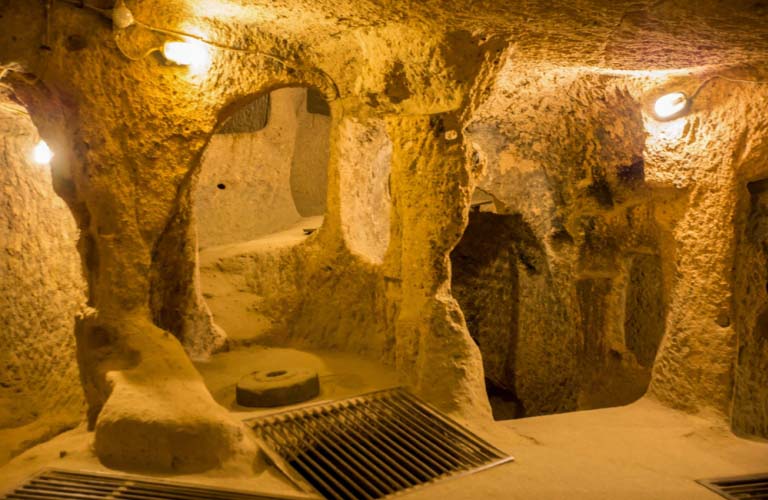
Cappadocia, one of Turkey’s most famous attractions, is located in central Anatolia and remains peaceful.
Because of this distance, tourism areas generally remain unaffected.

Will the War Affect Tourism in Turkey?
In general, the war does not affect tourism in Turkey’s main travel destinations. Airports, hotels, museums, and transportation systems operate normally, and international flights continue to arrive daily.
Millions of visitors still travel to the country each year, enjoying its cultural sites and natural beauty without disruption.
Travel advisories from many countries also confirm that most tourist destinations in Turkey remain safe for visitors who follow standard travel precautions.
How Safe Is Turkey Compared to Europe?
Some travelers wonder how safe Turkey is compared to Europe.
In reality, Turkey’s major cities and tourist regions have safety levels similar to many European destinations. Like cities anywhere in the world, travelers should remain aware of their surroundings and follow basic precautions.
Crime Rates in Tourist Areas
Crime affecting tourists in Turkey is relatively low and usually limited to minor issues such as:
-
Pickpocketing in crowded areas
-
Taxi scams (rare but possible)
-
Overpriced goods in tourist markets
These situations are common in most global travel destinations, including major European cities.
Public Transportation and Infrastructure
Turkey has an advanced transportation network that includes:
-
Modern airports
-
High-speed trains
-
Domestic flights
-
Safe intercity buses
-
Reliable metro systems in large cities
This well-developed infrastructure improves Turkey travel safety and makes it easy for visitors to move between destinations.
Is Istanbul Safe for Tourists Right Now?
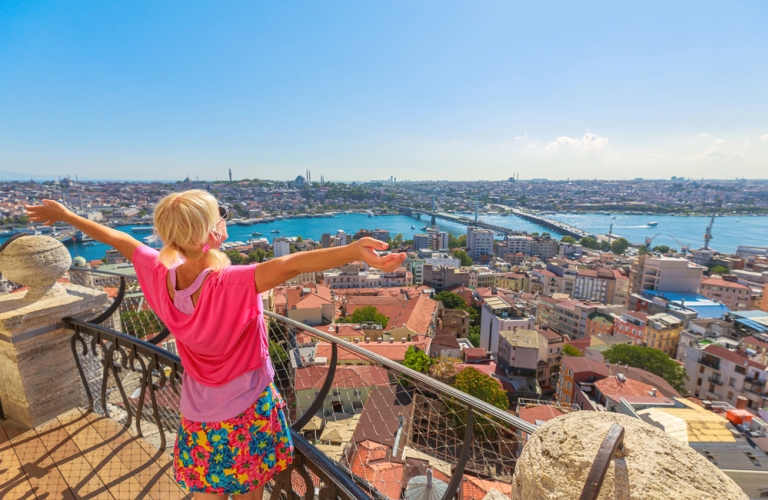
Istanbul is one of the world’s most visited cities and often the first stop for travelers arriving in Turkey.
Safety in Istanbul
The city welcomes millions of tourists each year who explore landmarks such as:
-
Blue Mosque
-
Topkapi Palace
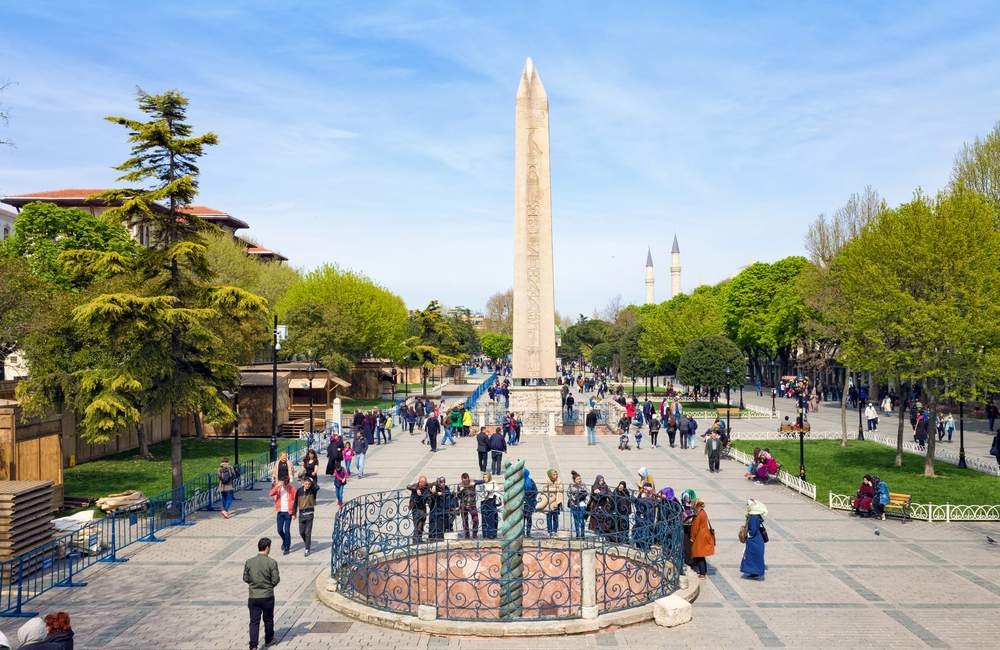
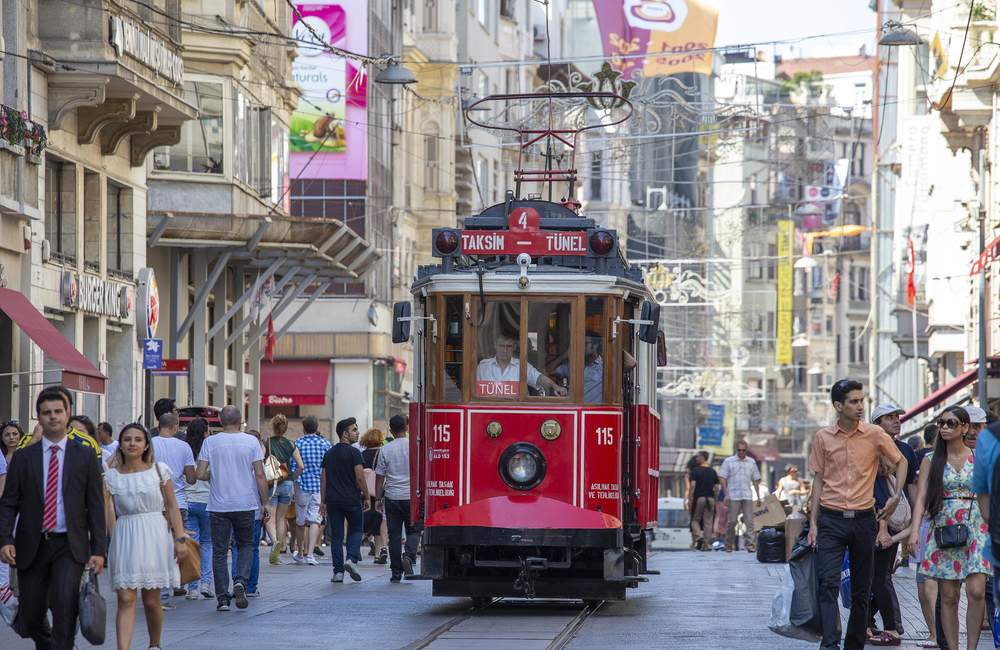
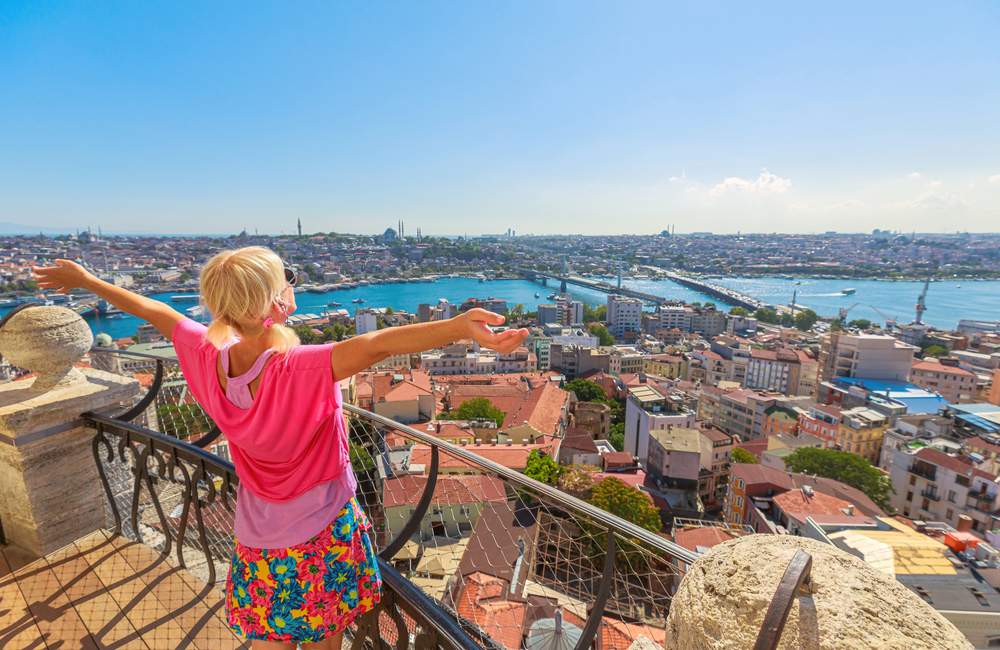
Tourist areas like Sultanahmet, Taksim, and Galata are lively and generally safe. Police presence and tourism security units are common in these districts.
Tips for Staying Safe in Istanbul
To ensure a smooth trip:
-
Use licensed taxis or ride-sharing apps
-
Keep valuables secure in crowded markets
-
Stay in well-reviewed hotels
-
Avoid isolated areas late at night
Following these simple precautions helps travelers enjoy the city safely.
For travelers who prefer a structured and guided experience, professionally organized Turkey Tour Packages provide transportation, guides, and curated itineraries that make exploring Istanbul and other destinations much easier.
Is Turkey Safe for Different Types of Travelers?
Turkey welcomes travelers from all over the world, including solo explorers, families, and couples.
Is Turkey Safe for American Tourists?
Yes. Turkey is safe for American tourists, and the country has long been a favorite destination for visitors from the United States.
English is widely spoken in tourist areas, and hotels and tour operators are experienced in serving international guests.
Is Turkey Safe for Solo Travelers?
Solo travelers often find Turkey friendly and welcoming. Locals are known for their hospitality and willingness to help visitors.
Is Turkey Safe For International Tourists?
Solo travelers should follow the same precautions they would in any destination:
-
Avoid sharing personal information with strangers
-
Stay in reputable accommodations
-
Inform someone about travel plans
Is Turkey Safe for Families With Children?
Turkey is also an excellent destination for families. Many resorts and tour operators offer family-friendly services such as:
-
Kid-friendly hotels
-
Guided cultural tours
-
Beach resorts with family activities
Cities like Antalya and Bodrum are particularly popular for family holidays.
Is It Safe to Visit Turkey Despite Middle East Conflicts?
Another frequent concern travelers have is whether Middle East conflicts affect safety in Turkey.
Distance From Conflict Zones
Most tourist destinations are far from conflict areas. Visitors typically travel between:
-
Istanbul
-
Pamukkale
-
Antalya
These locations are peaceful, well-developed tourism hubs.
Stable Tourism Industry
Turkey’s tourism industry remains strong and resilient. International airlines continue regular routes, cruise ships dock at ports, and global hotel brands operate across the country.
As a result, Turkey tourism safety in 2026 remains high for travelers visiting established tourist regions.
Travel Safety Tips for Visiting Turkey
Although Turkey is generally safe, following practical travel advice can improve your experience.
General Safety Tips
Here are a few useful travel safety tips for visiting Turkey:
1. Use registered transportation
Choose licensed taxis, official airport transfers, or hotel transportation services.
2. Protect valuables
Keep passports and money in secure bags or hotel safes.
3. Respect local culture
Dress modestly when visiting religious sites.
4. Stay informed
Check travel updates and follow local guidelines if necessary.
5. Book reputable tours
Guided tours help travelers explore safely and efficiently.
Travelers who want convenience and peace of mind often prefer organized itineraries that include transportation, accommodation, and expert guides. You can explore a variety of Turkey Tour Packages designed for international travelers.
Why Millions of Tourists Continue Visiting Turkey
Despite concerns that sometimes appear in the media, Turkey remains one of the world’s most beloved travel destinations.
Unique Cultural Heritage
Few countries offer the same mix of cultures and civilizations. Visitors can explore Roman ruins, Byzantine churches, Ottoman palaces, and vibrant modern cities all in one trip.
Incredible Natural Landscapes
From Cappadocia’s fairy chimneys to the turquoise beaches of the Mediterranean coast, Turkey offers breathtaking scenery.
Famous Turkish Hospitality
Turkish people are widely known for their warmth and hospitality. Visitors often mention that the kindness of locals is one of the highlights of their trip.
Final Thoughts: Is Turkey Safe for a Holiday?
So, is Turkey safe for a holiday in 2026?
The answer for most travelers is yes. Turkey remains a welcoming and secure destination with strong tourism infrastructure, vibrant culture, and unforgettable attractions.
Like any international destination, travelers should stay aware of their surroundings and follow basic safety guidelines. By doing so, visitors can comfortably enjoy everything the country has to offer — from historical wonders to beautiful coastlines and world-class cuisine.
If you want a stress-free travel experience with carefully planned itineraries, guided tours, and comfortable accommodations, consider booking one of the expertly designed Turkey Tour Packages.
With the right preparation, your journey to Turkey can be not only safe but also one of the most memorable travel experiences you will ever have.
If you have any questions, please feel free to contact us.

Erdal Serbest is a travel content writer and tourism professional with a background in Tekirdağ Tourism Vocational High School. He has extensive experience in the hospitality and travel agency sectors, where he worked for several years supporting tour operations and destination marketing.
Throughout his career, he has created travel-focused blog content and contributed to destination promotion projects for various tourism platforms. Today, he focuses on developing engaging, informative, and experience-based content for turkeytravel.com.
He believes that travel is the most authentic way to understand cultures, flavors, and human stories, and he aims to reflect this perspective in every article he writes.