Sultanahmet Istanbul: A Complete Guide to the Old City
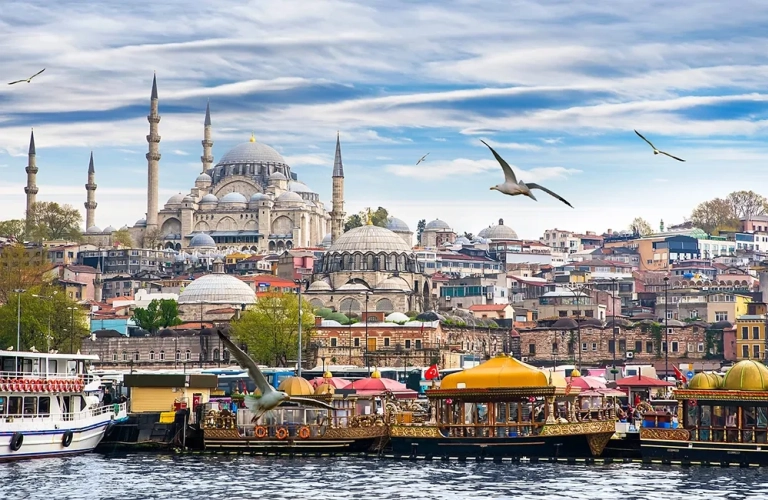
Sultanahmet is the historic heart of Istanbul and one of the most remarkable places to explore in Türkiye. Located on the Historic Peninsula, this district brings together some of the city's most important Byzantine and Ottoman landmarks, including Hagia Sophia, the Blue Mosque, Topkapi Palace and the Basilica Cistern.
For centuries, Sultanahmet was at the center of imperial life in Constantinople and later Ottoman Istanbul. Today, its historic squares, monumental architecture, museums, traditional streets and cultural attractions make it an essential destination for visitors.
Whether you are visiting Istanbul for the first time, interested in history and architecture, or planning a walking tour through the Old City, this guide introduces the area's main attractions and explains how to make the most of your visit.
Quick Answer: What Is Sultanahmet in Istanbul?
Sultanahmet is a historic district in Istanbul's Old City, located on the Historic Peninsula. It is best known for its concentration of Byzantine and Ottoman landmarks, many of which are within walking distance of one another.
The main attractions include:
-
Hagia Sophia
-
Blue Mosque (Sultan Ahmed Mosque)
-
Topkapi Palace
-
Basilica Cistern
-
Sultanahmet Square and the ancient Hippodrome
-
Istanbul Archaeological Museums
-
Museum of Turkish and Islamic Arts
-
Gülhane Park
-
Arasta Bazaar
For most first-time visitors, one full day is enough to explore the main outdoor landmarks, while two days allow more time for palace interiors, museums and nearby historical sites.
Where Is Sultanahmet in Istanbul?
Sultanahmet is situated in the Fatih district, on the southern part of Istanbul's Historic Peninsula.
The neighborhood is close to the Golden Horn, the Sea of Marmara and the historic center of the former Byzantine and Ottoman capitals.
Its central location makes it convenient to explore many of Istanbul's most famous historical attractions on foot.
The T1 tram line has a Sultanahmet stop, providing a practical connection with other central areas of the city. Visitors can also reach the district from nearby Sirkeci and Gülhane.
Sultanahmet is part of the wider Historic Areas of Istanbul, which were added to the UNESCO World Heritage List in 1985. The World Heritage property includes several historic areas, with the Sultanahmet Archaeological Park forming one of its principal components.
Why Is Sultanahmet Important?
Sultanahmet is important because it reflects several major periods in Istanbul's history.
The area developed around the ancient city of Byzantium and later became part of Constantinople, the capital of the Eastern Roman Empire. Following the Ottoman conquest in 1453, it continued to play an important role in the political, religious and cultural life of the city.
The surrounding monuments illustrate the architectural and cultural heritage of both empires.
Byzantine Heritage
The Byzantine period left a remarkable architectural legacy in Sultanahmet.
Hagia Sophia, the ancient Hippodrome, Basilica Cistern and other historic structures reveal the engineering, religious traditions and public life of Constantinople.
Ottoman Heritage
Following the conquest of Constantinople, the Ottomans transformed the historic center with imperial palaces, mosques, religious buildings and public spaces.
The Blue Mosque and Topkapi Palace are among the most significant examples of this period.
A UNESCO World Heritage Setting
The Historic Areas of Istanbul were inscribed on the UNESCO World Heritage List in 1985. Sultanahmet is particularly important within this heritage because of its concentration of major monuments and archaeological remains.
Best Places to Visit in Sultanahmet
The main attractions are relatively close to one another, although visiting their interiors can take considerably longer than viewing them from outside.
1. Hagia Sophia
Hagia Sophia is one of the most important architectural monuments in Istanbul.
Originally completed in 537 during the reign of Byzantine Emperor Justinian I, it served as a major church for centuries. Following the Ottoman conquest in 1453, it was converted into a mosque. Its later history includes a period as a museum, and it returned to mosque status in 2020.
Its enormous dome, historic structure, columns, mosaics and Islamic additions reflect the different periods of its history.
Visitors should check the current arrangements for the designated visitor areas, entry requirements and prayer spaces before visiting.
Read our Hagia Sophia Istanbul guide for more historical and practical information.
2. Blue Mosque
The Blue Mosque, officially known as Sultan Ahmed Mosque, stands opposite Hagia Sophia.
Built between 1609 and 1617 during the reign of Sultan Ahmed I, it is one of the most recognizable examples of classical Ottoman architecture.
The mosque is famous for its six minarets, elegant domes, spacious courtyard and İznik tiles.
As an active place of worship, it has visitor rules and prayer-time arrangements. Visitors should dress modestly, remove their shoes before entering the prayer area and follow any temporary access restrictions.
Discover more in our Blue Mosque Istanbul guide.
3. Topkapi Palace
Topkapi Palace was the principal residence and administrative center of Ottoman sultans for centuries.
The palace complex contains courtyards, ceremonial buildings, imperial collections, gardens and the Harem.
Highlights include the Imperial Treasury, the audience halls, historic kitchens and the collections associated with the Ottoman court.
Allow several hours if you want to explore the palace buildings and collections rather than simply seeing the exterior.
For a detailed overview, read our Topkapi Palace Istanbul guide.
4. Basilica Cistern
The Basilica Cistern is an impressive underground water reservoir dating from the Byzantine period.
Built during the reign of Emperor Justinian I, it is supported by rows of columns beneath a vaulted ceiling.
Its most famous features include the two Medusa head column bases and the atmospheric lighting that highlights the underground architecture.
The cistern offers a different experience from the mosques and palaces above ground.
Read our Basilica Cistern Istanbul guide before your visit.
5. Sultanahmet Square and the Ancient Hippodrome
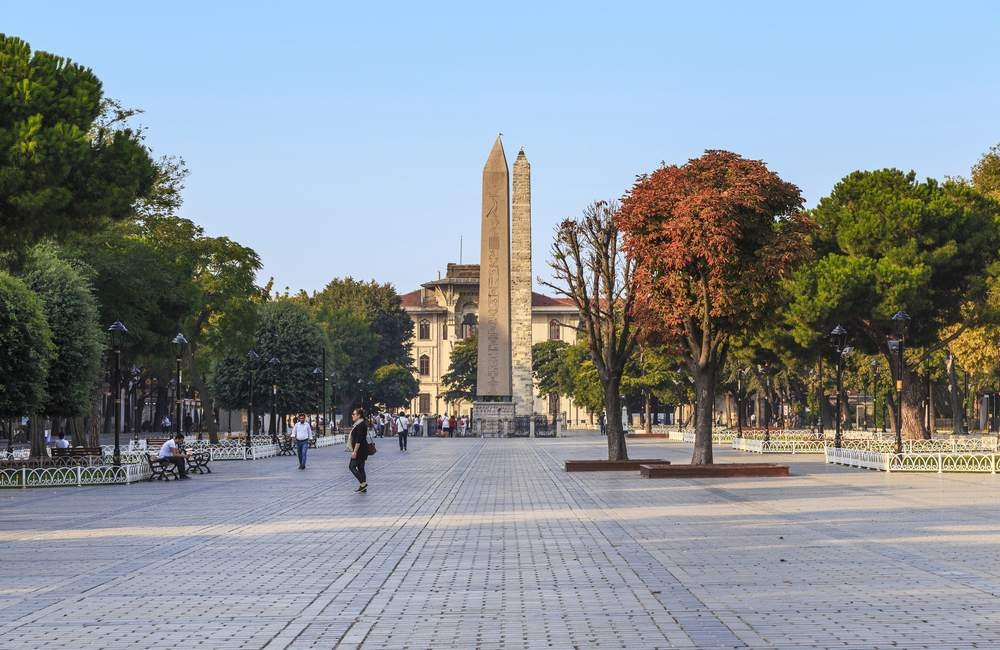
Sultanahmet Square occupies the site of the ancient Hippodrome of Constantinople.
The Hippodrome was once an important center of public entertainment, ceremonies and chariot racing. It played a major role in the social and political life of Byzantine Constantinople.
Today, visitors can see several historic monuments that remain from its long history.
Important features include:
-
Obelisk of Theodosius: An ancient Egyptian monument transported to Constantinople.
-
Serpent Column: A monument originally associated with the Greek sanctuary at Delphi.
-
Walled Obelisk: A historic column that once formed part of the Hippodrome's monumental decoration.
-
German Fountain: A decorative fountain commemorating the relationship between the German and Ottoman empires.
-
Million Stone: A historic marker associated with the ancient road-distance system of the Byzantine capital.
Walking through the square is one of the easiest ways to appreciate the different historical layers of Sultanahmet.
6. Istanbul Archaeological Museums
Located near Topkapi Palace, the Istanbul Archaeological Museums consist of several museum buildings with important collections from ancient civilizations.
The collections include archaeological finds, sculptures, sarcophagi, inscriptions and objects from different periods of the ancient world.
The museums are particularly interesting for visitors who want to understand the history of the civilizations that influenced Anatolia and the eastern Mediterranean.
7. Museum of Turkish and Islamic Arts
The Museum of Turkish and Islamic Arts is located in the historic Ibrahim Pasha Palace overlooking Sultanahmet Square.
Its collections include carpets, manuscripts, calligraphy, ceramics, woodwork and other examples of Islamic art.
It is a worthwhile stop for visitors interested in Ottoman and broader Islamic artistic traditions.
8. Gülhane Park
Gülhane Park is a historic green space beside Topkapi Palace.
Once associated with the palace grounds, the park provides a pleasant place to walk and relax after visiting the surrounding monuments.
Its paths, trees and gardens offer a quieter atmosphere compared with the busy streets and squares of Sultanahmet.
9. Arasta Bazaar
Arasta Bazaar is a traditional shopping street close to the Blue Mosque.
It offers a smaller and generally quieter shopping experience than the Grand Bazaar.
Visitors can browse shops selling ceramics, textiles, carpets, handicrafts and souvenirs.
It is a convenient place to explore while walking between the Blue Mosque and the surrounding historical streets.
10. Little Hagia Sophia Mosque
Little Hagia Sophia, originally the Church of Saints Sergius and Bacchus, is a historic Byzantine building located a short walk south of the main Sultanahmet attractions.
Its architecture provides an interesting comparison with the larger Hagia Sophia.
The building was converted into a mosque during the Ottoman period and remains an active place of worship.
It is a useful addition for visitors who have extra time and want to explore beyond the busiest part of the district.
Best Things to Do in Sultanahmet
Sultanahmet is not only a place for visiting famous monuments. The district also offers opportunities to experience Istanbul's history, local culture and traditional atmosphere.
Explore the Historic Streets on Foot
Walking is the best way to appreciate the architectural details and atmosphere of the Old City.
Move between the main monuments, explore the smaller streets and take time to notice historic fountains, courtyards and traditional buildings.
Discover Byzantine and Ottoman Architecture
The district offers an unusual opportunity to compare the architectural traditions of two major empires.
Hagia Sophia, the Hippodrome, the Blue Mosque and Topkapi Palace each represent a different aspect of Istanbul's history.
Visit Museums and Historical Collections
If you are interested in archaeology, art or Ottoman history, include one or two museums in your itinerary.
The Istanbul Archaeological Museums and the Museum of Turkish and Islamic Arts provide different perspectives on the city's cultural heritage.
Enjoy Turkish Food
Sultanahmet has restaurants, cafés and traditional food establishments.
You can try Turkish dishes such as kebabs, köfte, meze, pide and traditional desserts.
For a wider introduction to local cuisine, read our guide to what to eat in Istanbul.
Shop for Traditional Handicrafts
Arasta Bazaar and the surrounding streets offer opportunities to browse Turkish ceramics, textiles, carpets and souvenirs.
For a wider shopping experience, the Grand Bazaar is also accessible by tram or on foot.
See our Grand Bazaar Istanbul shopping guide.
Relax in Gülhane Park
After several hours of sightseeing, Gülhane Park provides a welcome break from the busy streets.
It is particularly pleasant for a leisurely walk between the palace area and the historic center.
Suggested Sultanahmet Walking Route
Most of Sultanahmet's major landmarks can be explored on foot.
The following route is a practical way to organize a first visit.
Suggested route:
-
Hagia Sophia
-
Blue Mosque
-
Sultanahmet Square and the Hippodrome monuments
-
Basilica Cistern
-
Topkapi Palace
-
Istanbul Archaeological Museums
-
Gülhane Park
-
Arasta Bazaar, depending on your available time
You can adjust the order according to opening arrangements, prayer times and your preferred pace.
A shorter visit can focus on the square, Hagia Sophia, the Blue Mosque and Basilica Cistern. Exploring the palace and museums requires additional time.
For a more detailed route, see our Istanbul Old City Walking Tour guide.
How Much Time Do You Need in Sultanahmet?
The time required depends on how many attractions you want to enter.
| Available Time | Suggested Experience |
|---|---|
| 2–3 hours | Sultanahmet Square, Hippodrome and exterior views of the main landmarks |
| Half a day | Square, Hagia Sophia, Blue Mosque and Basilica Cistern, subject to access and queues |
| 1 full day | Main landmarks plus one major palace or museum visit |
| 2 days | Topkapi Palace, museums, additional historical sites, shopping and a more relaxed pace |
If you want to explore Topkapi Palace and several museums in detail, two days will provide a more comfortable experience.
How to Get to Sultanahmet
Sultanahmet is well connected to other parts of Istanbul.
By Tram
The T1 tram line is one of the most convenient ways to reach the district.
The Sultanahmet stop is close to the main square and several major attractions.
By Marmaray
Sirkeci is a useful nearby station for travelers arriving from other parts of Istanbul or the Asian side via Marmaray.
From Sirkeci, you can continue on foot or connect with other public transportation.
By Taxi or Private Transfer
Taxis and private transfers can be convenient, especially when traveling with luggage or arriving from the airport.
However, traffic in the Historic Peninsula can be busy, and some streets have restricted vehicle access. Walking from a nearby drop-off point may be necessary.
For a wider explanation of Istanbul's transport options, read our Istanbul transportation guide.
Best Time to Visit Sultanahmet
Sultanahmet can be visited throughout the year, but the experience varies by season.
Spring
Spring offers generally comfortable conditions for walking and outdoor sightseeing.
The gardens and parks become more attractive, and the weather is often suitable for spending several hours outside.
Summer
Summer is a busy tourism season.
Temperatures can be high, particularly around midday. Start sightseeing early, carry water and allow time for breaks.
Autumn
Autumn is another comfortable season for exploring the Historic Peninsula.
The weather is often suitable for walking between monuments and visiting outdoor attractions.
Winter
Winter is generally quieter, although rain and cold weather can affect outdoor sightseeing.
Museums, palaces and indoor attractions can be useful alternatives when the weather is poor.
For more seasonal information, read our guide to the best time to visit Istanbul.
Practical Tips for Visiting Sultanahmet
A little preparation can make your visit easier.
Start Early
The main attractions can become busy, particularly during peak tourism periods.
Starting early gives you more time to explore and may help you avoid some of the busiest periods.
Check Mosque Visitor Arrangements
Hagia Sophia and the Blue Mosque have religious functions and visitor arrangements that may differ from those of ordinary museums.
Check current entry rules and prayer-time restrictions before your visit.
Dress Respectfully
Visitors entering mosques should wear modest clothing.
Head coverings may be required for women, and both men and women should ensure that their clothing is appropriate for a religious site.
Wear Comfortable Shoes
The Historic Peninsula includes stone streets, uneven surfaces and considerable walking.
Comfortable shoes are recommended.
Check Ticket and Opening Information
Opening hours, admission fees, visitor routes and access arrangements can change.
Check the official information provided by each attraction before planning your day. Do not assume that one museum or attraction pass covers every site.
Be Careful with Your Belongings
Sultanahmet is a busy tourist area.
Keep your phone, wallet and other valuables secure, especially in crowded squares and public transportation.
Allow Time for Breaks
A full day of historical sightseeing can be tiring.
Include time for lunch, coffee and rest rather than trying to visit every attraction without a break.
Where to Stay in Sultanahmet
Sultanahmet is a practical base for visitors whose main interests are historical sightseeing and museums.
Staying in the area can make it easier to reach the major attractions early in the morning and return to your hotel between visits.
The neighborhood has a range of accommodation, from smaller boutique hotels to larger properties.
However, travelers who prefer nightlife, contemporary shopping or a more modern city atmosphere may also want to compare other neighborhoods such as Beyoğlu, Karaköy and Taksim.
Read our guide to where to stay in Istanbul to compare different areas.
Can You Visit Sultanahmet on a Guided Tour?
Yes. Sultanahmet is one of the most popular areas for guided sightseeing in Istanbul.
A professional guide can explain the history of the Byzantine and Ottoman monuments, introduce details that are easy to overlook and help organize the visit.
A guided experience can be particularly useful if you have limited time or want to understand the historical connections between the attractions.
You can explore our Istanbul tours for organized sightseeing options.
Frequently Asked Questions About Sultanahmet Istanbul
What is Sultanahmet famous for?
Sultanahmet is famous for its historic landmarks, including Hagia Sophia, the Blue Mosque, Topkapi Palace, Basilica Cistern and the ancient Hippodrome.
Is Sultanahmet the Old City of Istanbul?
Sultanahmet is one of the central historic neighborhoods of Istanbul's Old City, located on the Historic Peninsula. The wider Historic Peninsula includes several other historic districts and landmarks.
Is Sultanahmet worth visiting?
Yes. It is one of Istanbul's most important destinations for visitors interested in history, architecture, museums and Ottoman and Byzantine heritage.
How many days should I spend in Sultanahmet?
One day is enough to see several major attractions, but two days allow more time for Topkapi Palace, museums, shopping and additional historical sites.
Can I explore Sultanahmet on foot?
Yes. Most of the main attractions are within walking distance of one another. Comfortable shoes are recommended because some streets are uneven and sightseeing involves considerable walking.
Is Sultanahmet Square the same as the Hippodrome?
Sultanahmet Square occupies the historic site of the Hippodrome of Constantinople. The ancient structure is no longer standing in its original form, but several monuments from the Hippodrome remain visible.
Is the Blue Mosque close to Hagia Sophia?
Yes. The Blue Mosque and Hagia Sophia face one another across Sultanahmet Square and are only a short walk apart.
Can I visit Topkapi Palace and Hagia Sophia on the same day?
Yes. They are close to each other, but visiting both interiors can take several hours. Plan your schedule around current opening arrangements and admission procedures.
Is Sultanahmet suitable for families?
Yes. Families can explore the historic square, parks and major landmarks. However, some attractions involve steps, crowds and considerable walking, so allow enough time for breaks.
What is the nearest tram stop to Sultanahmet?
The Sultanahmet stop on the T1 tram line is the most convenient stop for the main historic square and its surrounding attractions.
Is Sultanahmet safe for tourists?
Sultanahmet is a major tourist district. Visitors should use normal precautions in crowded areas, keep valuables secure and use reputable transportation services.
Are the attractions in Sultanahmet free to enter?
Admission arrangements differ between attractions. Some religious sites have visitor access arrangements, while palaces and museums generally have separate ticketing rules. Check each attraction's current official information before visiting.
Explore the Historic Heart of Istanbul
Sultanahmet offers an exceptional introduction to Istanbul's history and cultural heritage.
From the Byzantine architecture of Hagia Sophia and the ancient Hippodrome to the Ottoman grandeur of the Blue Mosque and Topkapi Palace, the district brings together centuries of history within a walkable part of the city.
Whether you have a few hours or several days, exploring Sultanahmet is an essential part of discovering Istanbul.
If you would like to explore the district with a professional guide, discover our Istanbul tour packages and plan your visit with TurkeyTravel.com.

Erdal Serbest is a travel content writer and tourism professional with a background in Tekirdağ Tourism Vocational High School. He has extensive experience in the hospitality and travel agency sectors, where he worked for several years supporting tour operations and destination marketing.
Throughout his career, he has created travel-focused blog content and contributed to destination promotion projects for various tourism platforms. Today, he focuses on developing engaging, informative, and experience-based content for turkeytravel.com.
He believes that travel is the most authentic way to understand cultures, flavors, and human stories, and he aims to reflect this perspective in every article he writes.