Quick Answer
Turkey is one of the world's most diverse travel destinations, offering a remarkable combination of ancient history, vibrant cities, UNESCO World Heritage Sites, Mediterranean beaches, mountain landscapes, and distinctive natural wonders. Visitors can explore iconic landmarks such as Istanbul's historic monuments, Cappadocia's fairy chimneys, Pamukkale's travertine terraces, and the ancient city of Ephesus while experiencing rich cuisine, cultural traditions, and year-round travel opportunities.
Introduction
Located at the crossroads of Europe and Asia, Turkey has connected civilizations for thousands of years. Throughout its long history, the country has been home to the Hittites, Greeks, Romans, Byzantines, Seljuks, and Ottomans, each leaving behind architectural masterpieces, archaeological treasures, and cultural traditions that continue to shape modern Turkey.
Today, Turkey is recognized as one of the world's most rewarding travel destinations because of its extraordinary diversity. Within a single journey, travelers can explore imperial palaces in Istanbul, wander through remarkably preserved Roman cities, hike among Cappadocia's volcanic valleys, relax on the turquoise Mediterranean coast, and experience authentic Anatolian hospitality.
The country's varied geography also supports many different styles of travel. History enthusiasts can discover ancient civilizations, adventure seekers can enjoy hiking and hot-air ballooning, families can relax at seaside resorts, and food lovers can explore one of the world's richest culinary traditions. Combined with an extensive transportation network and attractions spread across every region, Turkey offers unforgettable experiences for both first-time visitors and returning travelers.
Key Facts
- Country: Turkey
- Capital: Ankara
- Largest City: Istanbul
- Continent: Europe and Asia (Transcontinental)
- Best Time to Visit: April–June and September–October
- Climate: Mediterranean, Continental, Black Sea, and Semi-arid
- Currency: Turkish Lira (TRY)
- Official Language: Turkish
- UNESCO World Heritage Sites: Multiple cultural and natural sites
- Recommended Duration: 10–14 days
- Ideal For: History lovers, couples, families, photographers, food enthusiasts, and adventure travelers
- Transportation: Domestic flights, buses, railways, ferries, rental cars
Why Turkey Is One of the World's Most Fascinating Travel Destinations
Turkey attracts millions of visitors every year because it offers an exceptional variety of attractions within a single country. Few destinations combine ancient civilizations, vibrant metropolitan life, dramatic landscapes, beautiful coastlines, and rich culinary traditions as successfully as Turkey.
Its strategic position between Europe and Asia has influenced trade, religion, architecture, language, and culture for thousands of years. This historical importance is visible everywhere—from Roman amphitheaters and Byzantine churches to Ottoman palaces and traditional villages.
Modern Turkey also provides excellent tourism infrastructure, making it relatively easy to travel between major destinations by domestic flights, buses, trains, and ferries.
Why Millions of Tourists Visit Turkey
Some of the country's biggest attractions include:
- Thousands of years of recorded history
- Rich cultural diversity
- Numerous UNESCO World Heritage Sites
- Beautiful Mediterranean and Aegean coastlines
- Distinctive natural landscapes
- World-famous Turkish cuisine
- Four-season travel opportunities
- Extensive transportation network
- Modern cities alongside ancient monuments
- Excellent value for many international travelers
Whether you are interested in archaeology, photography, gastronomy, outdoor adventures, or beach holidays, Turkey offers destinations suited to almost every travel style.
Best Historical Attractions in Turkey
Turkey's long history has produced countless archaeological sites and historic landmarks. Many of these attractions represent different civilizations that ruled Anatolia over thousands of years.
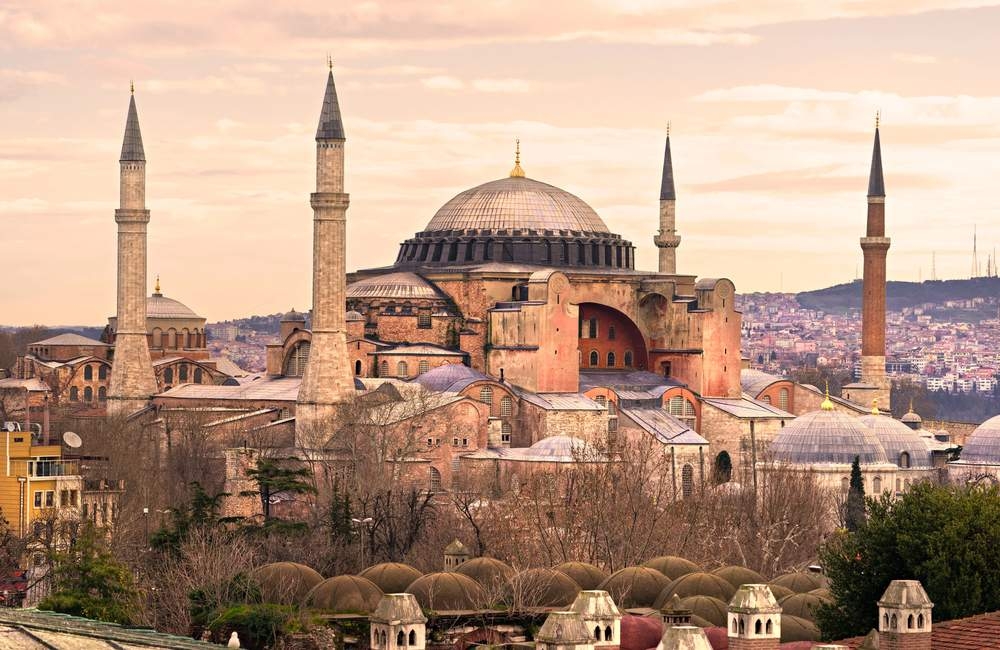
Hagia Sophia
Originally completed during the Byzantine Empire in the sixth century, Hagia Sophia remains one of the world's greatest architectural achievements.
Its enormous dome transformed architectural design for centuries and continues to impress visitors today. Inside, Byzantine mosaics exist alongside Ottoman architectural additions, reflecting the building's unique historical journey.
Highlights include:
- Massive central dome
- Byzantine mosaics
- Marble interiors
- Historic calligraphy
- Architectural innovations
Hagia Sophia represents one of Istanbul's most recognizable landmarks and illustrates the city's layered cultural heritage.
Topkapi Palace
For nearly four hundred years, Topkapi Palace served as the political and administrative center of the Ottoman Empire.
Rather than functioning as a single palace building, the complex consists of several courtyards, ceremonial halls, gardens, libraries, kitchens, and residential quarters overlooking the Bosphorus.
Visitors commonly explore:
- Imperial Treasury
- Sacred relic collections
- Audience Chamber
- Palace kitchens
- Royal courtyards
- Scenic terraces
The palace provides valuable insight into Ottoman government, diplomacy, and court life.
Ephesus
Among the world's best-preserved Roman archaeological sites, Ephesus allows visitors to experience what daily life looked like nearly two thousand years ago.
Walking along its marble streets reveals monumental buildings that once formed one of the Roman Empire's most important commercial cities.
Major highlights include:
- Library of Celsus
- Great Theatre
- Temple of Hadrian
- Curetes Street
- Ancient Agora
- Marble roads
Because much of the ancient urban layout remains intact, Ephesus is often considered one of the finest archaeological destinations in the Mediterranean.
If you're planning to spend more time exploring this remarkable archaeological site, read our Exploring Ephesus Ancient City guide for detailed visitor information, historical background, and travel tips.
Troy
The ancient city of Troy is internationally famous through Homer's Iliad, but its archaeological significance extends far beyond mythology.
Excavations have uncovered multiple layers of settlements dating back thousands of years, demonstrating that the site was continuously occupied by different civilizations.
Today, visitors can learn about:
- Ancient fortifications
- Archaeological excavations
- Bronze Age history
- The legendary Trojan War tradition
- Museum exhibitions nearby
UNESCO World Heritage Sites in Turkey
Turkey contains numerous UNESCO World Heritage Sites representing different periods of human civilization, architectural styles, and natural landscapes.
These sites demonstrate the country's outstanding historical and cultural importance.
Some of Turkey's Most Famous UNESCO Sites
| UNESCO World Heritage Site | Why It Is Significant |
|---|---|
| Göreme National Park and the Rock Sites of Cappadocia | Fairy chimneys, cave churches, volcanic landscape |
| Historic Areas of Istanbul | Byzantine and Ottoman monuments |
| Ephesus | Exceptionally preserved Roman city |
| Hierapolis–Pamukkale | Ancient spa city and white travertine terraces |
| Hattusha | Capital of the Hittite civilization |
| Nemrut Dağ | Monumental royal statues and sanctuary |
| Safranbolu | Traditional Ottoman urban architecture |
| Ani Archaeological Site | Medieval frontier city |
Interested in Turkey's UNESCO-listed landmarks? Our UNESCO World Heritage Sites in Turkey article explores each site in greater detail.
Each UNESCO site represents a different chapter of Anatolia's remarkable history and contributes to Turkey's global cultural significance.
Turkey's Most Beautiful Natural Attractions
Turkey's natural landscapes are just as impressive as its historical monuments. Mountains, canyons, thermal springs, valleys, lakes, forests, and coastlines create opportunities for outdoor recreation throughout the year.

Cappadocia
Cappadocia is one of the most recognizable landscapes in the world.
Millions of years of volcanic activity followed by natural erosion created unusual rock formations known as fairy chimneys.
Visitors come to experience:
- Hot-air balloon flights
- Fairy chimneys
- Cave churches
- Underground cities
- Cave hotels
- Scenic hiking trails
- Panoramic viewpoints
The region combines extraordinary geology with centuries of human history, making it one of Turkey's most photographed destinations.
Travelers interested in balloon rides, cave hotels, and hiking routes can continue with our Best Things to Do in Cappadocia guide.
Pamukkale
Pamukkale is famous for its brilliant white travertine terraces formed by mineral-rich thermal waters flowing down the mountainside.
The nearby ancient city of Hierapolis adds historical depth to the experience.
Visitors can explore:
- Natural travertine pools
- Ancient Roman ruins
- Historic theater
- Archaeological museum
- Thermal springs
Together, Pamukkale and Hierapolis create one of Turkey's most distinctive travel experiences.
Before visiting, explore our Pamukkale Travel Guide to learn about the travertine terraces, Hierapolis, and practical travel advice.
Mount Ararat
Standing as Turkey's highest mountain, Mount Ararat dominates the landscape of eastern Anatolia.
Its snow-covered summit attracts experienced mountaineers from around the world, while its association with the biblical story of Noah's Ark has contributed to its international recognition.
Although climbing requires preparation and appropriate permissions, the mountain remains one of the country's most iconic natural landmarks.
Saklıkent Gorge
Saklıkent Gorge is among Turkey's deepest canyons and offers a refreshing escape during the warmer months.
The gorge is known for:
- Cool river waters
- Narrow canyon passages
- Walking trails
- Nature photography
- Seasonal rafting opportunities
Its dramatic scenery makes it a popular destination for travelers exploring southwestern Turkey.
Best Coastal Destinations in Turkey
Turkey is surrounded by the Mediterranean, Aegean, Black Sea, and Marmara seas, giving it more than 8,000 kilometers of coastline. Each coastal region offers a distinct atmosphere, from lively resort cities to peaceful fishing villages and hidden coves.
Whether you are looking for sandy beaches, crystal-clear waters, luxury marinas, or ancient ruins overlooking the sea, Turkey's coastline provides options for every type of traveler.
Antalya
Antalya is often considered the gateway to the Turkish Riviera. It combines modern tourism infrastructure with centuries of history and spectacular natural scenery.
Visitors can easily spend several days exploring both the city and its surrounding attractions.
Top Attractions in Antalya
- Kaleiçi (Old Town)
- Hadrian's Gate
- Konyaaltı Beach
- Lara Beach
- Düden Waterfalls
- Antalya Archaeological Museum
- Roman Harbor
Nearby Historical Sites
Several internationally significant archaeological sites are located within easy reach of Antalya.
These include:
- Perge
- Aspendos
- Side
- Termessos
This combination of beaches and ancient cities makes Antalya one of Turkey's most complete travel destinations.
For a deeper look at beaches, museums, and nearby ancient cities, see our Antalya Travel Guide.
Bodrum
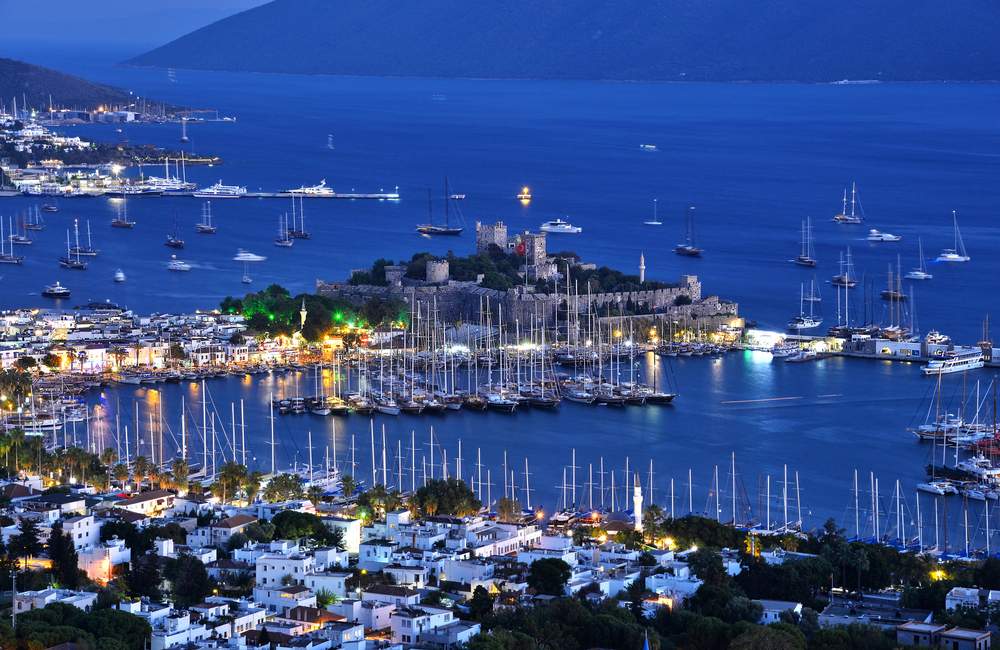
Located on the Aegean coast, Bodrum is known for its whitewashed houses, lively marina, and relaxed coastal lifestyle.
Originally the site of the ancient city of Halicarnassus, Bodrum successfully combines history with modern tourism.
What to See in Bodrum
- Bodrum Castle
- Museum of Underwater Archaeology
- Bodrum Marina
- Local beaches
- Traditional markets
- Art galleries
- Coastal cafés
The town is also a popular starting point for sailing cruises around the Aegean coastline.
Fethiye
Fethiye is famous for combining mountain scenery with some of Turkey's most beautiful beaches.
Nature lovers and adventure travelers are especially drawn to the area because of its hiking trails, turquoise waters, and dramatic landscapes.
Popular Attractions
- Ölüdeniz Lagoon
- Butterfly Valley
- Lycian Rock Tombs
- Fethiye Marina
- Boat tours
- Blue Lagoon
- Paragliding viewpoints
Fethiye also serves as one of the main starting points for hikers exploring the famous Lycian Way.
Kaş
Kaş offers a quieter alternative to Turkey's larger resort towns.
Its narrow streets, boutique hotels, and relaxed atmosphere make it particularly attractive to independent travelers.
Popular Activities
- Scuba diving
- Sea kayaking
- Snorkeling
- Boat excursions
- Coastal hiking
- Sunset photography
Because the surrounding waters are exceptionally clear, Kaş has become one of Turkey's leading diving destinations.
Discovering Istanbul
As Turkey's largest city, Istanbul represents the country's cultural, historical, and economic heart. Straddling both Europe and Asia, it has served as the capital of multiple empires and remains one of the world's most fascinating urban destinations.
Walking through Istanbul reveals centuries of architectural evolution, vibrant neighborhoods, traditional markets, waterfront cafés, and impressive religious monuments.
Must-See Attractions in Istanbul
Blue Mosque
The Blue Mosque is famous for its elegant Ottoman architecture, six minarets, and thousands of blue İznik tiles decorating its interior.
It continues to function as an active place of worship while welcoming visitors outside prayer times.
Basilica Cistern
Built during the Byzantine period, the Basilica Cistern is an underground reservoir supported by hundreds of marble columns.
Its atmospheric lighting and impressive engineering make it one of Istanbul's most memorable attractions.
Grand Bazaar
The Grand Bazaar is among the oldest covered markets in the world.
Visitors can browse thousands of shops selling:
- Carpets
- Ceramics
- Jewelry
- Leather goods
- Textiles
- Spices
- Traditional souvenirs
Spice Bazaar
Located near the Golden Horn, the Spice Bazaar remains one of Istanbul's best places to experience Turkish flavors and aromas.
Popular products include:
- Turkish delight
- Herbal teas
- Dried fruits
- Nuts
- Local spices
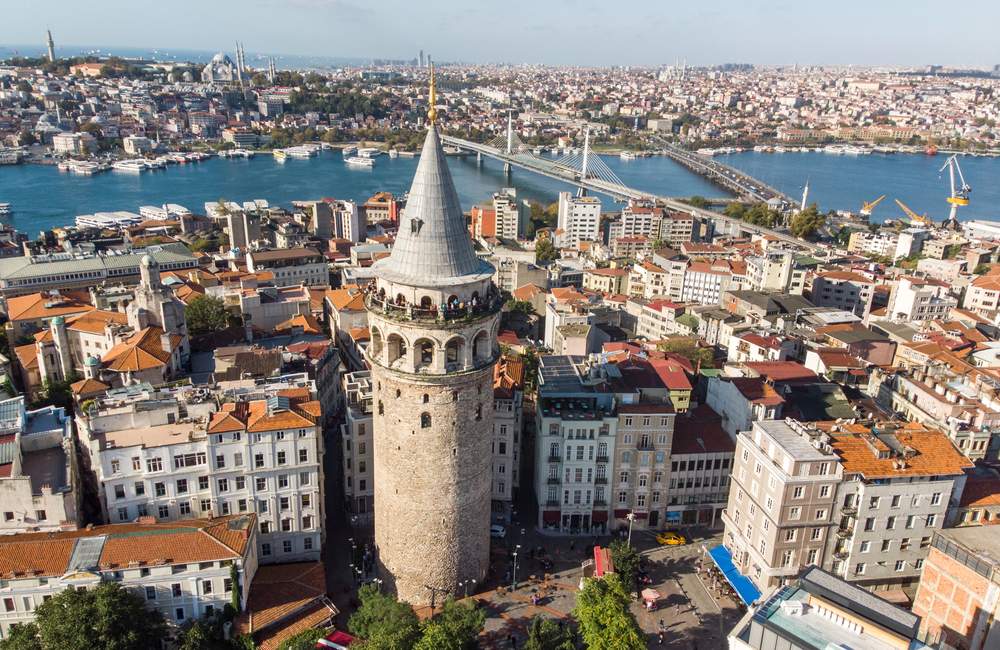
Galata Tower
The Galata Tower offers panoramic views across Istanbul, including the Bosphorus, Golden Horn, and the city's historic skyline.
Dolmabahçe Palace
Constructed during the nineteenth century, Dolmabahçe Palace reflects European architectural influences while preserving Ottoman imperial traditions.
Bosphorus Cruise
A Bosphorus ferry cruise provides one of the best introductions to Istanbul.
Passengers enjoy views of:
- Historic waterfront mansions
- Ottoman palaces
- Fortresses
- Mosques
- Modern skyline
- Suspension bridges connecting Europe and Asia
Planning several days in the city? Our Complete Istanbul Travel Guide covers neighborhoods, transportation, museums, and suggested itineraries.
Experience Turkey's Rich Culinary Heritage
Turkish cuisine is among the world's most diverse culinary traditions. Regional differences, seasonal ingredients, and centuries of cultural exchange have produced an impressive variety of dishes.
Food is more than nourishment in Turkey—it is an important part of hospitality and social life.
Traditional Turkish Dishes
Some of the country's best-known dishes include:
- Adana Kebab
- İskender Kebab
- Döner
- Köfte
- Pide
- Lahmacun
- Mantı
- Menemen
- Dolma
- Mercimek Soup
Each region also offers local specialties that reflect its geography and agricultural traditions.
Famous Turkish Desserts
Travelers should also experience Turkey's famous desserts.
Popular choices include:
- Baklava
- Künefe
- Lokum (Turkish Delight)
- Rice Pudding
- Pumpkin Dessert
- Turkish Ice Cream
Food enthusiasts can discover more regional specialties in our Traditional Turkish Food Guide.
Many desserts feature pistachios, walnuts, honey, syrup, or regional cheeses.
Turkish Tea and Coffee Culture
Tea is served throughout the day and is an important symbol of hospitality.
Turkish coffee remains an essential cultural tradition and is recognized internationally for its unique preparation method and historical significance.
Outdoor Adventures in Turkey
Turkey's diverse landscapes create excellent opportunities for outdoor activities throughout the year.
Hiking Trails
Turkey offers several internationally recognized long-distance hiking routes.
Popular options include:
- Lycian Way
- Carian Trail
- St. Paul Trail
These routes pass forests, ancient ruins, mountain villages, and coastal cliffs.
Hot-Air Balloon Flights
Cappadocia is one of the world's premier hot-air balloon destinations.
Flights typically take place shortly after sunrise when weather conditions are most suitable.
Passengers enjoy spectacular aerial views of:
- Fairy chimneys
- Rock valleys
- Cave churches
- Volcanic landscapes
Diving and Water Sports
The Mediterranean and Aegean coasts provide excellent conditions for:
- Scuba diving
- Snorkeling
- Sailing
- Windsurfing
- Sea kayaking
- Paddleboarding
Kaş and Fethiye are particularly well known among diving enthusiasts.
Winter Sports
Turkey also supports winter tourism.
Popular ski destinations include:
- Uludağ
- Erciyes
- Palandöken
These mountain resorts offer skiing and snowboarding during the winter season.
Cultural Experiences Beyond the Major Attractions
Turkey's cultural heritage extends well beyond museums and historical monuments.
Visitors seeking authentic experiences should explore local traditions that continue to shape everyday life.
Traditional Village Markets
Weekly markets provide opportunities to discover regional foods, handmade crafts, textiles, and local produce while interacting with residents.
Turkish Bath (Hamam)
A traditional Turkish bath offers insight into one of the country's oldest wellness traditions, combining cleansing rituals with architectural beauty.
Traditional Arts and Crafts
Many regions continue to preserve traditional crafts such as:
- Carpet weaving
- Ceramic production
- Copper craftsmanship
- Wood carving
- Calligraphy
Festivals and Local Customs
Throughout the year, regional festivals celebrate music, dance, food, agriculture, and local traditions, allowing visitors to experience Turkey's cultural diversity beyond its famous landmarks.
Planning Your Trip to Turkey
Planning your itinerary carefully allows you to experience Turkey's diverse attractions efficiently. Because the country is geographically large, deciding which regions to visit before traveling helps minimize travel time and maximize sightseeing opportunities.
A balanced itinerary often combines historical landmarks, natural landscapes, coastal destinations, and local cultural experiences.
Best Time to Visit Turkey
Turkey is a year-round destination, but the ideal season depends on the experiences you are seeking.
Spring (April–June)
Spring is widely considered one of the best times to visit Turkey.
Advantages include:
- Mild temperatures
- Blooming landscapes
- Comfortable sightseeing weather
- Excellent hiking conditions
- Fewer crowds than peak summer
Summer (June–August)
Summer is ideal for travelers planning beach holidays along the Mediterranean and Aegean coasts.
Benefits include:
- Warm sea temperatures
- Long daylight hours
- Boat excursions
- Water sports
- Vibrant nightlife in coastal resorts
Popular destinations are busiest during this season, so early accommodation reservations are often recommended.
Autumn (September–October)
Autumn combines pleasant weather with fewer visitors at many attractions.
This season is particularly suitable for:
- Cultural tours
- Photography
- Archaeological exploration
- Outdoor dining
- Scenic road trips
Winter (November–March)
Winter offers a different perspective on Turkey.
Travelers can enjoy:
- Ski resorts
- Snow-covered mountain scenery
- Less crowded museums
- Lower visitor numbers at many historical sites
Weather varies significantly by region, so our Best Time to Visit Turkey guide provides a season-by-season overview.
Getting Around Turkey
Turkey has a well-developed transportation network connecting nearly every region of the country.
Travelers commonly use:
- Domestic flights for long-distance travel
- High-speed trains on selected routes
- Intercity buses connecting major cities
- Ferries, particularly in Istanbul
- Metro systems in large cities
- Rental cars for rural exploration
Combining flights with local public transportation is often the most efficient way to visit multiple regions during a single trip.
Suggested 10–14 Day Turkey Itinerary
A well-balanced itinerary allows travelers to experience Turkey's history, culture, nature, and coastline.
| Days | Destination | Suggested Experiences |
|---|---|---|
| 1–4 | Istanbul | Historic monuments, Bosphorus cruise, museums, bazaars |
| 5–7 | Cappadocia | Hot-air balloon ride, valleys, cave churches, underground cities |
| 8–9 | Pamukkale | Travertine terraces, Hierapolis, thermal pools |
| 10–11 | Ephesus & Selçuk | Ancient city, archaeological museum |
| 12–14 | Antalya or Fethiye | Beaches, boat tours, coastal scenery, nearby ancient sites |
For a detailed day-by-day schedule, read our 10-Day Turkey Itinerary.
This itinerary provides an excellent introduction to Turkey's most iconic attractions while allowing enough time to enjoy each destination.
Why Turkey Appeals to Different Types of Travelers
One of Turkey's greatest strengths is the variety of experiences available within a single country. Whether you are interested in history, adventure, food, photography, or relaxation, there is a destination suited to your travel style.
Best Destinations by Traveler Type
| Traveler Type | Recommended Destinations |
| History lovers | Istanbul, Ephesus, Troy, Hattusha |
| Nature enthusiasts | Cappadocia, Pamukkale, Mount Ararat, Saklıkent Gorge |
| Beach travelers | Antalya, Bodrum, Fethiye, Kaş |
| Adventure seekers | Cappadocia, Lycian Way, Kaş |
| Families | Antalya, Istanbul, Fethiye |
| Couples | Cappadocia, Bodrum, Kaş |
| Food lovers | Istanbul, Gaziantep, İzmir regional cuisine |
Turkey's remarkable diversity allows visitors to combine several different travel experiences within one itinerary.
Expert Travel Tips
- Visit major attractions early in the morning to avoid larger crowds.
- Wear comfortable walking shoes, as many archaeological sites have uneven stone pathways.
- Carry a reusable water bottle, especially during the warmer months.
- Dress modestly when entering active mosques and other religious sites.
- Keep some cash available for small shops, local markets, and rural areas.
- Allow extra time when exploring archaeological sites, as many are much larger than expected.
- Try regional cuisine instead of only international restaurants to experience local culinary traditions.
- Use domestic flights when traveling between distant regions to save time.
Frequently Asked Questions
Is Turkey safe for tourists?
Millions of international travelers visit Turkey each year. As with any destination, visitors should stay informed, follow local guidance, and take normal travel precautions.
How many days should I spend in Turkey?
A stay of 10–14 days allows travelers to visit several of Turkey's most famous destinations while maintaining a comfortable pace.
Which attractions should first-time visitors prioritize?
Many first-time visitors include Istanbul, Cappadocia, Pamukkale, Ephesus, and one destination along the Mediterranean or Aegean coast.
What is the best season to visit Turkey?
Spring and autumn generally provide the most comfortable weather for sightseeing, outdoor activities, and cultural exploration.
Is Turkey suitable for family vacations?
Yes. Turkey offers family-friendly beaches, museums, archaeological sites, parks, and boat tours suitable for visitors of different ages.
Can I combine beaches and historical sites in one trip?
Absolutely. Turkey's transportation network makes it easy to combine cultural sightseeing with coastal relaxation.
Is English widely spoken?
English is commonly spoken in tourist areas, hotels, airports, and many restaurants, although learning a few Turkish phrases is always appreciated.
What should I pack?
Comfortable walking shoes, lightweight clothing for summer, layered clothing for spring and autumn, sun protection, and modest attire for religious sites are recommended.
Final Summary
Turkey is one of the world's most diverse travel destinations, offering an extraordinary combination of history, culture, nature, and modern tourism. From the imperial landmarks of Istanbul and the remarkably preserved ruins of Ephesus to the surreal landscapes of Cappadocia and the thermal terraces of Pamukkale, every region presents unique experiences. Visitors can enjoy Mediterranean beaches, mountain adventures, traditional villages, world-renowned cuisine, and UNESCO World Heritage Sites within a single journey. With its extensive transportation network, rich cultural heritage, and wide range of attractions, Turkey remains an outstanding destination for history enthusiasts, nature lovers, families, photographers, and adventure travelers alike.
People Also Ask
What is Turkey most famous for?
Turkey is famous for its ancient history, UNESCO World Heritage Sites, Ottoman heritage, beautiful coastline, and iconic destinations such as Istanbul and Cappadocia.
What are the best places to visit in Turkey?
Some of the country's most popular destinations include Istanbul, Cappadocia, Pamukkale, Ephesus, Antalya, Bodrum, and Fethiye.
Is Turkey expensive to travel?
Travel costs vary by destination and season, but Turkey often provides good value compared with many European countries.
Can you visit Turkey all year round?
Yes. Different regions offer seasonal attractions, including beaches in summer, cultural tours in spring and autumn, and skiing during winter.
What food should visitors try in Turkey?
Popular dishes include kebabs, pide, mantı, baklava, Turkish breakfast, Turkish tea, and traditional Turkish coffee.
How do you travel between major cities in Turkey?
Domestic flights, buses, trains, ferries, and rental cars make traveling between regions convenient.
Entity Coverage
Countries
- Turkey
Major Cities
- Istanbul
- Ankara
- Antalya
- Bodrum
- Fethiye
- Kaş
- Selçuk
Regions
- Cappadocia
- Central Anatolia
- Mediterranean Region
- Aegean Region
- Marmara Region
- Black Sea Region
UNESCO World Heritage Sites
- Historic Areas of Istanbul
- Göreme National Park and the Rock Sites of Cappadocia
- Ephesus
- Hierapolis–Pamukkale
- Hattusha
- Ani Archaeological Site
- Safranbolu
- Nemrut Dağ
Historical Attractions
- Hagia Sophia
- Topkapi Palace
- Blue Mosque
- Basilica Cistern
- Grand Bazaar
- Spice Bazaar
- Dolmabahçe Palace
- Troy
Natural Attractions
- Pamukkale
- Mount Ararat
- Saklıkent Gorge
- Ölüdeniz Lagoon
- Butterfly Valley
Ancient Civilizations
- Hittites
- Greeks
- Romans
- Byzantines
- Seljuks
- Ottomans

Erdal Serbest is a travel content writer and tourism professional with a background in Tekirdağ Tourism Vocational High School. He has extensive experience in the hospitality and travel agency sectors, where he worked for several years supporting tour operations and destination marketing.
Throughout his career, he has created travel-focused blog content and contributed to destination promotion projects for various tourism platforms. Today, he focuses on developing engaging, informative, and experience-based content for turkeytravel.com.
He believes that travel is the most authentic way to understand cultures, flavors, and human stories, and he aims to reflect this perspective in every article he writes.
